Programming Tech News
2026-05-29
Following DBOS's argument that Postgres is sufficient for durable execution, a new article posits that SQLite is all you need for durable workflows. The author explains that relying on a trusted embedded database eliminates the need for a separate orchestration tier. This approach significantly simplifies application architecture while maintaining the reliability required for long-running tasks.
Comments
The tech community is debating whether the rapid integration of AI in programming is repeating the lost decade of frontend development caused by an obsession with frameworks. Some worry this shift toward automated coding is actively deskilling software engineers. Others argue that AI simply enables developers to operate at a higher level of abstraction.
Comments

A newly introduced variable-length integer encoding scheme named Bijou64 is surprising developers with its unexpectedly high performance. Although not originally optimized for speed, the algorithm proved to be remarkably fast, making it a highly efficient option for data serialization and storage.
Comments
MCP is dead?
2026-05-29Despite claims that MCP is obsolete, an OpenAI executive defends its relevance, noting that companies are rapidly building MCP servers to grant AI agents access to otherwise unreachable services. Critics argue that the protocol is merely a temporary workaround that unnecessarily duplicates existing human interfaces like public APIs and command-line tools. However, proponents counter that MCP provides essential security advantages by easily sandboxing agents, separating access tokens from requests, and strictly limiting executable commands.
Comments
I am retiring from tech to live offline
2026-05-29An open-source developer is retiring from the technology industry to pursue a completely offline lifestyle. They cited the rapid rise of artificial intelligence as the final catalyst, noting that it ultimately extinguished their passion for open-source software development.
CommentsDeveloper jmaczan has released Tiny-vLLM, a lightweight and high-performance alternative to the popular vLLM framework for large language model inference. Built entirely with C++ and CUDA, the project provides a streamlined tool for engineers looking to build their own optimized inference engines.
Comments
We should be more tired than the model
2026-05-29The increasing ease of AI-assisted coding has left developers less mentally fatigued than the very models they rely on, prompting concerns about intellectual complacency. To counter this trend, the article suggests reintroducing deliberate friction into software development workflows to ensure engineers maintain deep cognitive engagement and prevent skill atrophy.
Comments
On Rendering Diffs
2026-05-29A recent technical deep dive details the creation of the @pierre/diffs package and CodeView component for zero-blanking diff rendering. This new system provides developers with a significantly improved visual experience when reviewing code changes.
Comments
A newly published guide uncovers hidden configuration features for Claude Code that are missing from the official documentation. It explores advanced capabilities like persistent agent memory, command-rewriting hook fields, plain English auto-mode rules, and self-improving dream loops. The guide includes copy-paste ready examples for every feature to ensure easy implementation.
CommentsLet's compile Quake like it's 1997
2026-05-29A retrospective on compiling the classic game Quake using 1990s-era tools like Visual C++ 6 has sparked nostalgic reflections on early integrated development environments. The project prompted readers to debate the historical capabilities of legacy systems like Borland and NeXTSTEP, while also contrasting the enduring appeal of command-line interfaces with modern graphical development tools.
Comments
Orchestrating AI code review at scale
2026-05-29A newly developed CI-native AI code reviewer built with OpenCode is helping engineering teams automate code reviews at scale. By integrating directly into the continuous integration pipeline, the tool enables developers to consistently ship safer and higher-quality software.
Comments2026-05-28
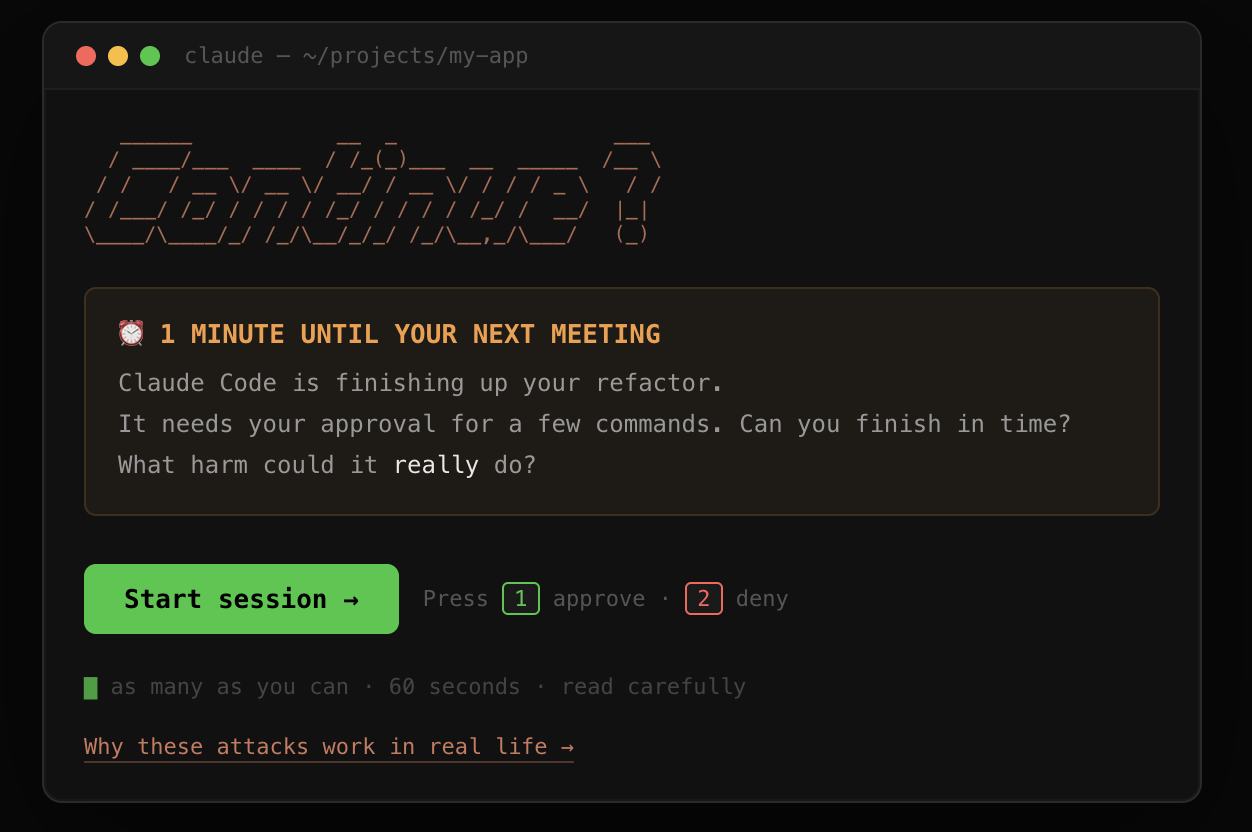
A new 60-second game highlights the growing issue of LLM permission fatigue among developers using AI coding assistants. The interactive experience challenges users to recognize how often they blindly approve automated commands from tools like Claude Code without actually reading the underlying instructions.
CommentsDuring a recent Reddit AMA, lead Raspberry Pi engineers discussed microcontroller development and provided a timeline for the highly anticipated Raspberry Pi 6. By analyzing the historical release cycles of previous generations, the team suggested that the next-generation board will likely launch in 2026 or 2027.
Comments
Building durable workflows on Postgres
2026-05-28This article explores Postgres-backed durable execution systems like DBOS, which embed workflow management directly within the database rather than relying on separate infrastructure. It compares this integrated, database-native approach to external orchestration platforms like Temporal, highlighting the architectural tradeoffs developers must consider when building resilient applications.
Comments
GitHub has banned a security researcher for publishing zero-day exploits targeting the Windows operating system on its platform. The incident escalated when the researcher responded by issuing violent threats promising to inflict physical harm on a specific date.
Comments
Hallucinate is an open-source, massively multiplayer online rave platform designed for virtual DJ sets, with its creator recently releasing the project on GitHub under an MIT license to invite community contributions. Discussions surrounding the launch highlight the significant technical challenges of remote collaborative mixing, particularly regarding the physical limitations of network latency and audio synchronization.
CommentsCoalton is a statically typed, functional programming language that compiles to Common Lisp for efficient execution. By incorporating design concepts from Haskell and OCaml, it brings modern functional paradigms and strong type systems to the Lisp ecosystem.
CommentsEndive: A JVM native WebAssembly runtime
2026-05-28Endive is a new open-source WebAssembly runtime built natively for the Java Virtual Machine by the Bytecode Alliance. The project aims to integrate WebAssembly execution seamlessly into Java environments. Developers can contribute to its ongoing development via the official GitHub repository.
CommentsBurntSushi has introduced bttf, a versatile command-line utility that serves as a Swiss army knife for datetime operations. The tool simplifies complex tasks for developers by providing robust features for datetime arithmetic, parsing, and formatting directly from the terminal.
CommentsThe newly released open-source project Ktx introduces an executable context layer designed to enhance data and analytics AI agents like Claude Code and Codex. It enables these models to query analytical databases with greater accuracy by providing them with full organizational context.
CommentsA New Typst Template for Pandoc (2025)
2026-05-28Discussions surrounding a new Pandoc template for Typst reveal strong enthusiasm for the typesetting system as a faster, more accessible alternative to LaTeX. Users praise Typst for its near-instant compilation times, readable syntax, and simplified template creation, which significantly streamline workflows for writing books and academic notes. While some debate the necessity of Pandoc for multi-format exports versus writing directly in Typst, the community largely agrees that the modern tool offers a highly productive replacement for traditional TeX workflows.
Comments
Dynamic Workflows in Claude Code
2026-05-28Claude Code now features dynamic workflows that tackle complex tasks by deploying tens to hundreds of parallel subagents. This capability includes an automated self-checking mechanism to verify the AI's work before delivering the final results to the user.
Comments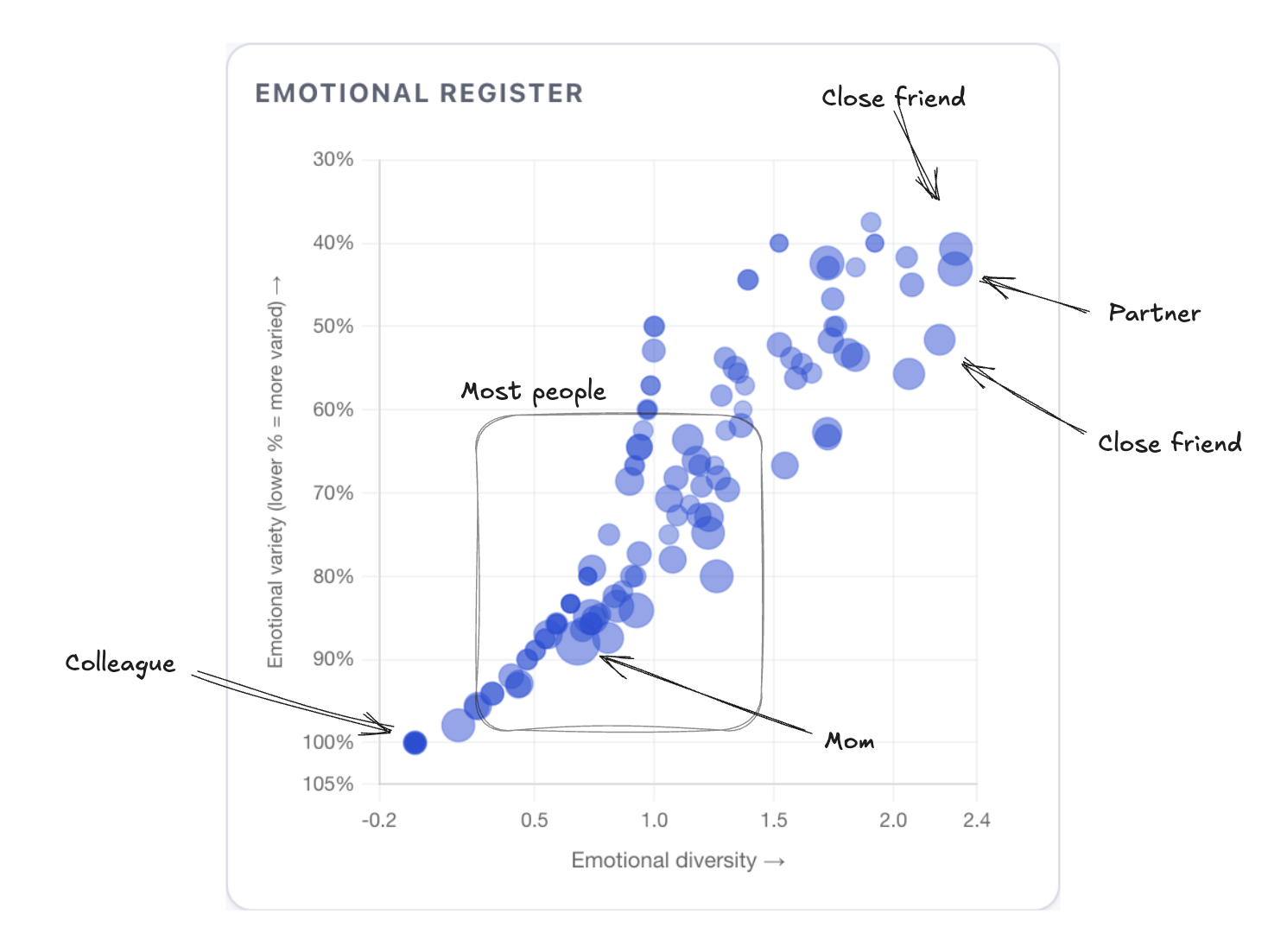
I analysed 20 years of my chats
2026-05-28A developer aggregated 1.2 million messages from multiple social platforms into a structured Obsidian vault to analyze twenty years of personal chat history. By utilizing local LLM inference, the project quantified long-term friendship dynamics by tracking metrics such as vocabulary shifts, directional sentiment, and conflict rates.
Comments
Garnix (A Nix CI) is shutting down
2026-05-28Garnix, a continuous integration platform for the Nix ecosystem, is shutting down its standalone operations. The company announced that it is joining forces with Shopify.
Comments2026-05-27
Mini Micro Fantasy Computer
2026-05-27Community discussions surrounding the Mini Micro Fantasy Computer highlight a strong interest in building cheap, bare-metal micro-PCs using microcontrollers like the ESP32 and Raspberry Pi RP2350. Enthusiasts favor these DIY retro-computing projects over full Linux systems to regain fundamental hardware control and learn computing from the ground up. The conversation also explores various existing open-source hardware boards and lightweight operating systems that provide a complete, built-in development environment.
CommentsGo: Support for Generic Methods
2026-05-27A new proposal seeks to introduce support for generic methods in the Go programming language. The design document outlines a revised approach that clarifies the handling of concrete and interface methods to accommodate this new functionality.
Comments
Cloudflare Flagship
2026-05-27Cloudflare has launched Flagship, a new feature flagging service that enables developers to safely control the visibility of new software updates without redeploying code. This tool streamlines deployment workflows by allowing teams to seamlessly manage releases and minimize the risks associated with shipping new functionality.
CommentsRust (and Slint) on a Jailbroken Kindle
2026-05-27A recent project demonstrates running the Rust programming language and Slint GUI toolkit on jailbroken Kindles, prompting community discussions on repurposing e-ink devices for custom applications. Enthusiasts shared strategies for maintaining jailbreaks by blocking over-the-air updates and compared the experience to alternative Linux-based e-readers like Kobo and the PineNote. The conversation highlights a growing interest in lightweight, privacy-focused, and ad-free custom firmware for older e-ink hardware.
Comments
A comprehensive guide explores how to maximize Claude Code for everyday use by detailing essential configurations like the hidden Claude directory and core instruction files. The article breaks down advanced features including custom skills, subagents, plugins, and Model Context Protocols to streamline development tasks. Additionally, it shares practical workflow patterns and underutilized commands directly utilized by the Anthropic engineering team.
Comments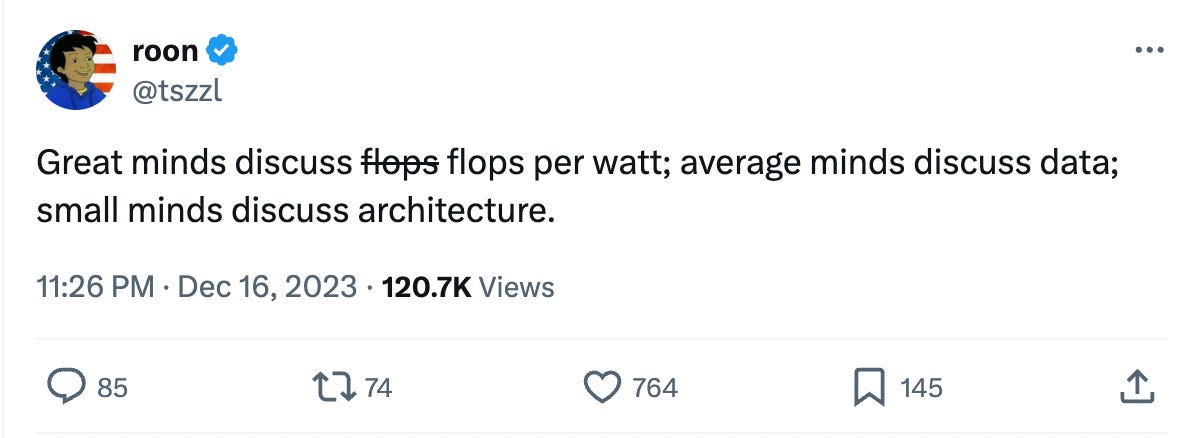
Recent findings indicate that GPU matrix multiplications, the core operation for AI workloads, execute significantly faster when processing data with predictable access patterns. This optimization minimizes memory bottlenecks and maximizes compute efficiency, ultimately delivering substantial improvements in flops per watt for large-scale machine learning models.
Comments