Tech News
2026-11-18
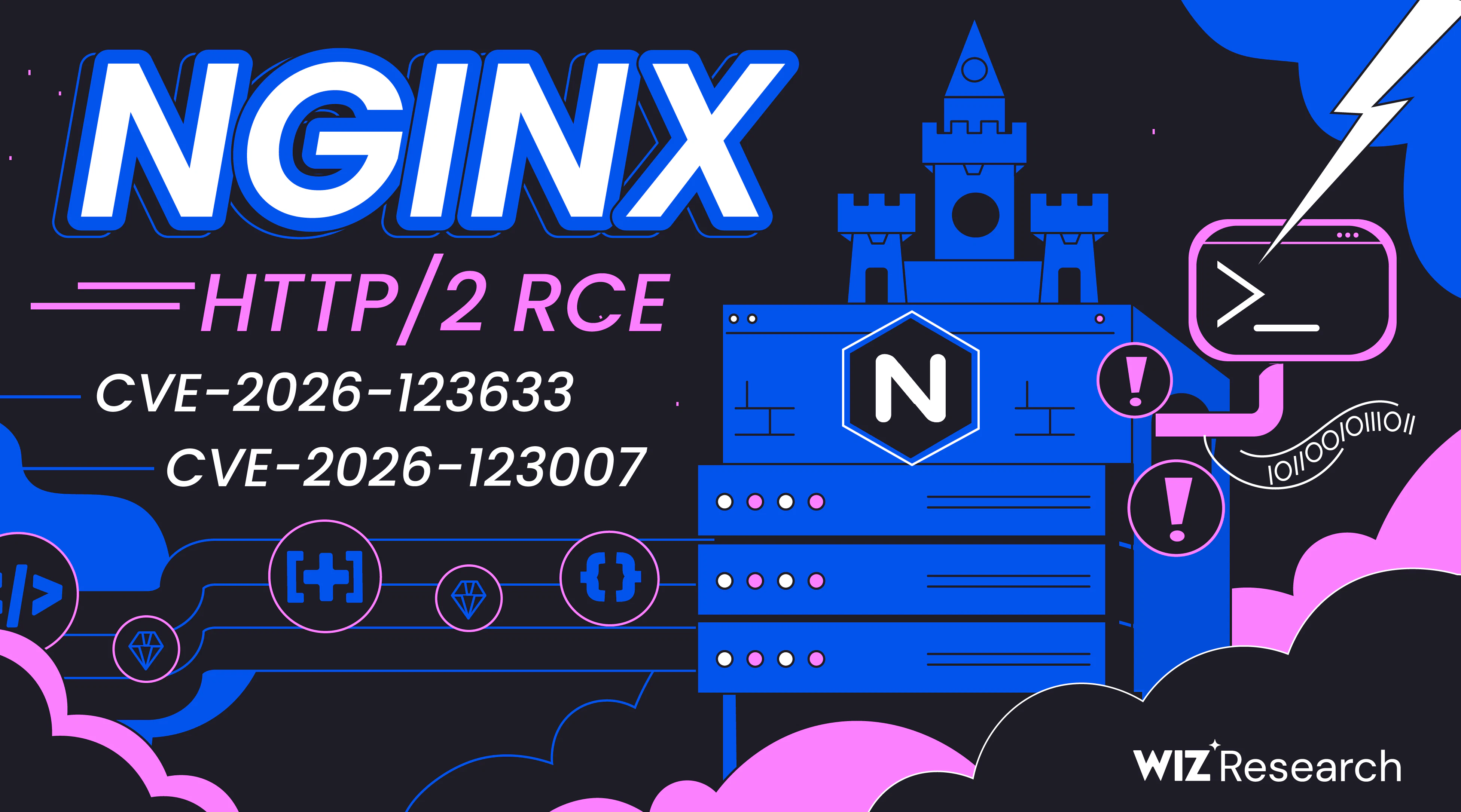
Pre-auth RCE in Nginx HTTP/2 handling
2026-11-18Two critical HTTP/2 flaws in NGINX can enable pre-authentication remote code execution, allowing attackers to compromise servers and put hosted websites, APIs, and sensitive data at risk. Administrators should patch affected NGINX instances promptly.
Comments
Inside Deutsche Bank
2026-11-18A major global investigation offers an inside look at Deutsche Bank, revealing the inner workings of the financial giant. The report examines how the bank operates internally amid broader scrutiny.
Comments
AI is killing All About Berlin
2026-11-18All About Berlin says AI companies trained their models on its work and are now using those models to compete with the site and threaten its livelihood. Its operator argues this pattern lets AI systems profit from creators’ content while driving those creators out of business.
CommentsCodeberg.org Not Reachable
2026-11-18Codeberg.org is entirely unreachable after its domain, registered with NameSilo, disappeared from the organization’s account. Codeberg says this is not a renewal issue and that there are no suspicious logins or domain-history entries, and it is waiting for NameSilo support to investigate. A workaround via the codeberg.eu domain is being set up as soon as possible.
Comments
A new study found energy drinks and stimulant supplements were linked to disproportionately frequent reports of serious heart problems, including 11 times more cardiac arrest reports and 4.5 times more heart attack reports. Young adults accounted for nearly half of the cardiovascular reports, though researchers cautioned the study cannot prove causation.
Comments
Quad9 will stop serving users in France on November 24, 2026, choosing to exit rather than comply with a beIN Sports domain-blocking order. The case highlights why public DNS resolvers are the wrong tool for enforcing piracy blocks, since forcing them to censor domains can break more than it fixes.
Comments
Poland says it thwarted a false-flag operation near its border with Kaliningrad. According to Rzeczpospolita, Russian intelligence services reportedly planned a sabotage attack intended to cause mass casualties and be blamed on Ukraine.
Comments
Microsoft’s new AI model lineup, including MAI Code 2, is drawing praise from early testers who say it rivals top models like Opus and Sol at dramatically lower cost—reportedly 90–95% cheaper than Anthropic. Commenters see the release aimed at enterprises and Microsoft’s cloud/Office ecosystem, where secure data handling and distribution matter more than open-sourcing. The main debate is whether Microsoft should offer open-weight models to win developers, though many argue its enterprise reach and price-performance are already strong.
Comments
ID.me terms required for IRS sign-in
2026-11-18The IRS now requires ID.me for sign-in, and ID.me’s terms include mandatory arbitration unless users opt out within 30 days. Government verification data is excluded from Shop marketing, with some exceptions.
CommentsA randomized experiment found that Google’s AI Overviews cut clicks to outside websites by about 40%, and the feature now appears on more than half of US keywords tracked, up from 6% two years ago. The industry’s proposed fix, generative engine optimization, has yet to offset the loss, while AI assistants sent websites just 0.3% of their traffic in March.
CommentsCVE-2026-99312: KVM Guest-to-Host Escape
2026-11-18Discussion of CVE-2026-99312, a KVM guest-to-host escape, centered on the article’s apparent removal and its LLM-generated prose, with readers split on whether such reports retain value if actionable. Commenters also debated AI’s growing role in finding, writing, and patching vulnerabilities, warning that faster bug discovery could be offset by AI-generated insecure code.
CommentsStarSling, a YC P25 launch, targets CI bottlenecks in repos flooded with agent-generated PRs by using git trailers to record checks agents already ran, letting intermediate PR builds skip redundant lint, typecheck, and unit-test steps while still running full checks on merge to main. Early results cited in discussion show builds dropping from about 10 minutes to 1.5 minutes, with gains compounding through lower contention and warmer caches. Users say the approach helps teams cope with high PR volume, though questions remain about verification, repo-size payoff, and inference costs versus CI savings.
CommentsThe U.S. Air Force is exploring sources for CF/PCMCIA memory cards used in legacy aircraft systems, with discussion suggesting this is likely market research for potential new suppliers rather than a request for civilians to donate old cards. Commenters note these aircraft often rely on nonstandard PCMCIA implementations that require custom-made cards, and that obsolescence plus procurement rules make sustaining such hardware costly and difficult.
Comments
Harvard researchers found that AI coding agents increased code output by 30% but did not measurably raise finished work, instead shifting the bottleneck to code review. Getting AI-generated code through review took 49% longer.
Comments
KPMG revealed that AI agents asked better questions than its accountants in a landmark audit trial in London. The disclosure marks another significant step for AI into professional services. The trial suggests AI could take on a larger role in audit work.
Comments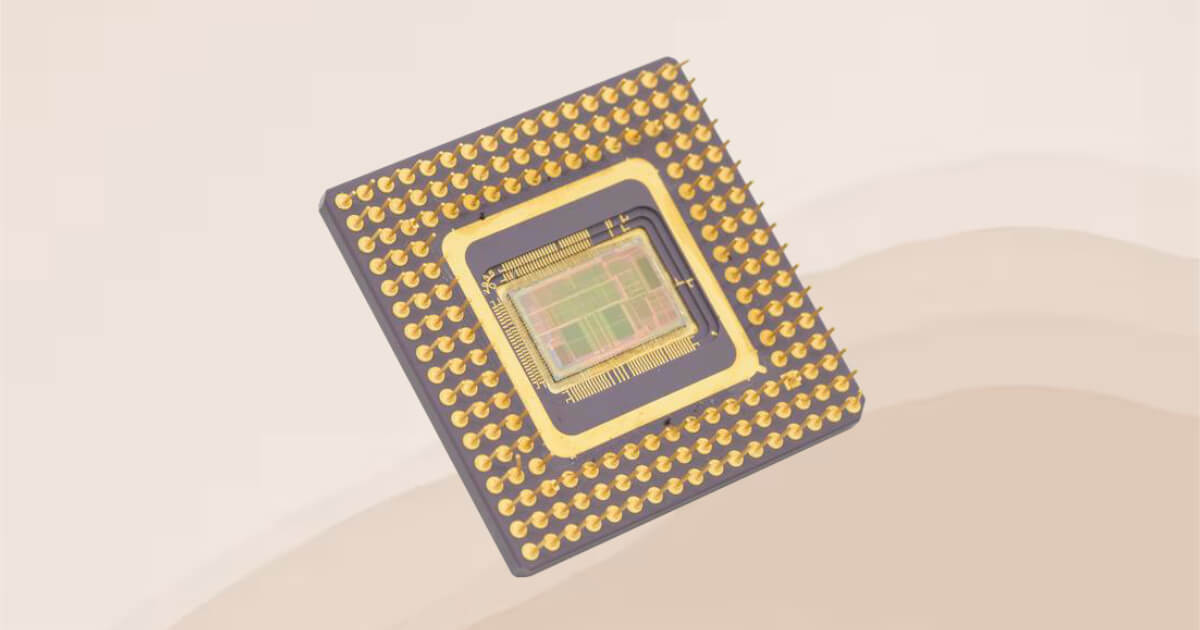
The x86 CPU: From 4004 to 486
2026-11-18A new piece traces the x86 CPU’s evolution from the Intel 4004 to the 486, using each chip’s history to explain why x86 is little-endian, why registers are named AX, BX, CX, and DX, and why DOS uses addresses like A000:0000. It frames these technical quirks as products of the architectural decisions and constraints behind each generation.
CommentsA coalition is challenging Anthropic’s safety reputation, with discussion citing its lobbying against open-weight models, privacy concerns, and timing around its IPO. Readers note the coalition spans people who disagree on almost everything but unite around the view that Anthropic is not being honest or responsible about safety.
Comments
A Primer on Fourier Series
2026-11-18A new arXiv paper offers an introductory primer on Fourier series, the mathematical tool for representing periodic functions as sums of sines and cosines. It is positioned as a foundational overview of the topic’s core concepts.
Comments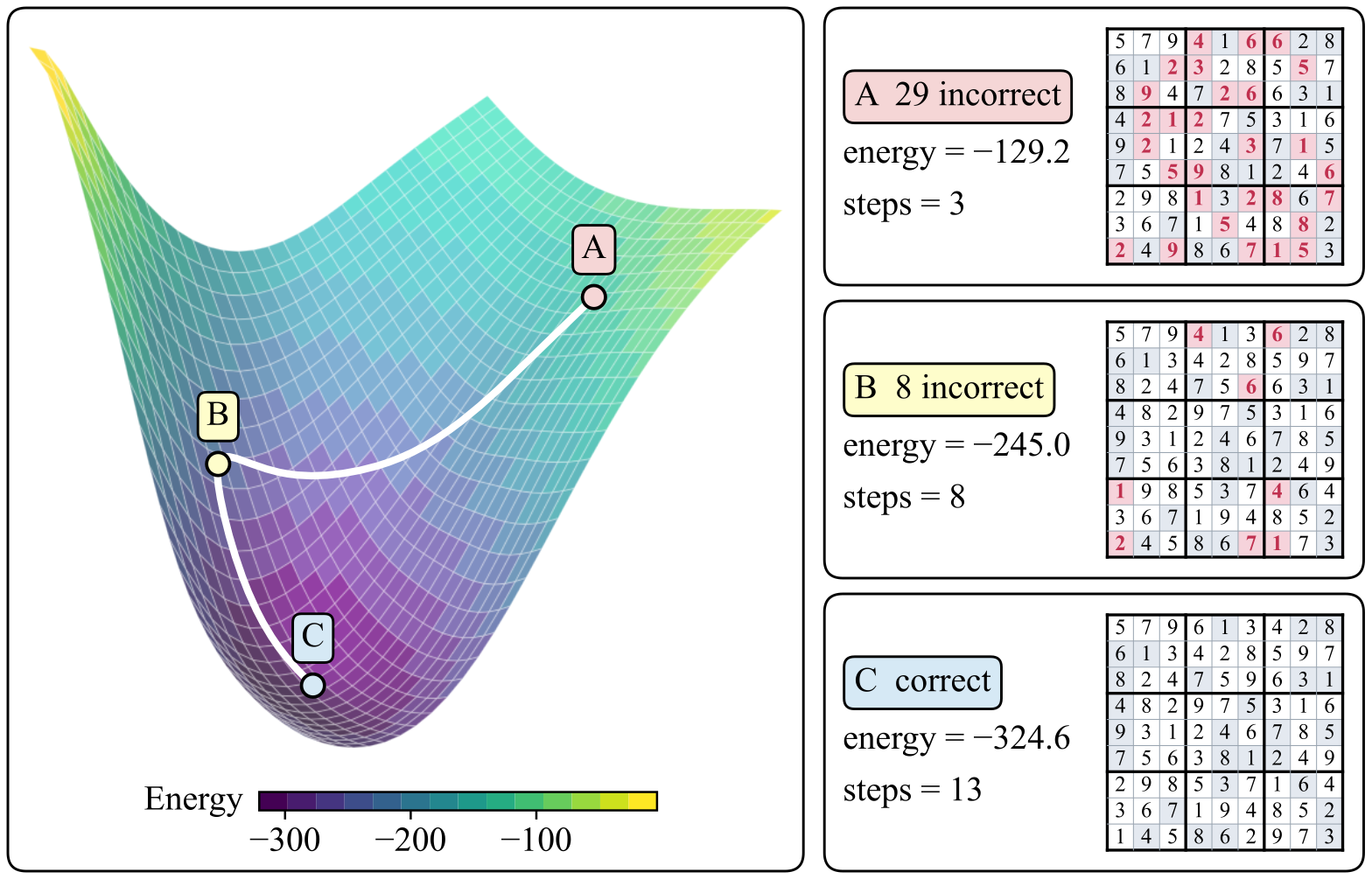
Energy-Based Reasoners achieve 385x more efficient inference by replacing a learned recurrent transition with gradient descent on a single learned energy function. That same energy also determines when to stop and which candidate answer to keep.
Comments
Xint has disclosed five NGINX vulnerabilities, including CVE-2026-123007, that can be chained from unauthenticated remote code execution to full root access on the host server. The attack chain combines the NGINX flaws with a kernel exploit to escalate from a visitor-level entry point to host root.
Comments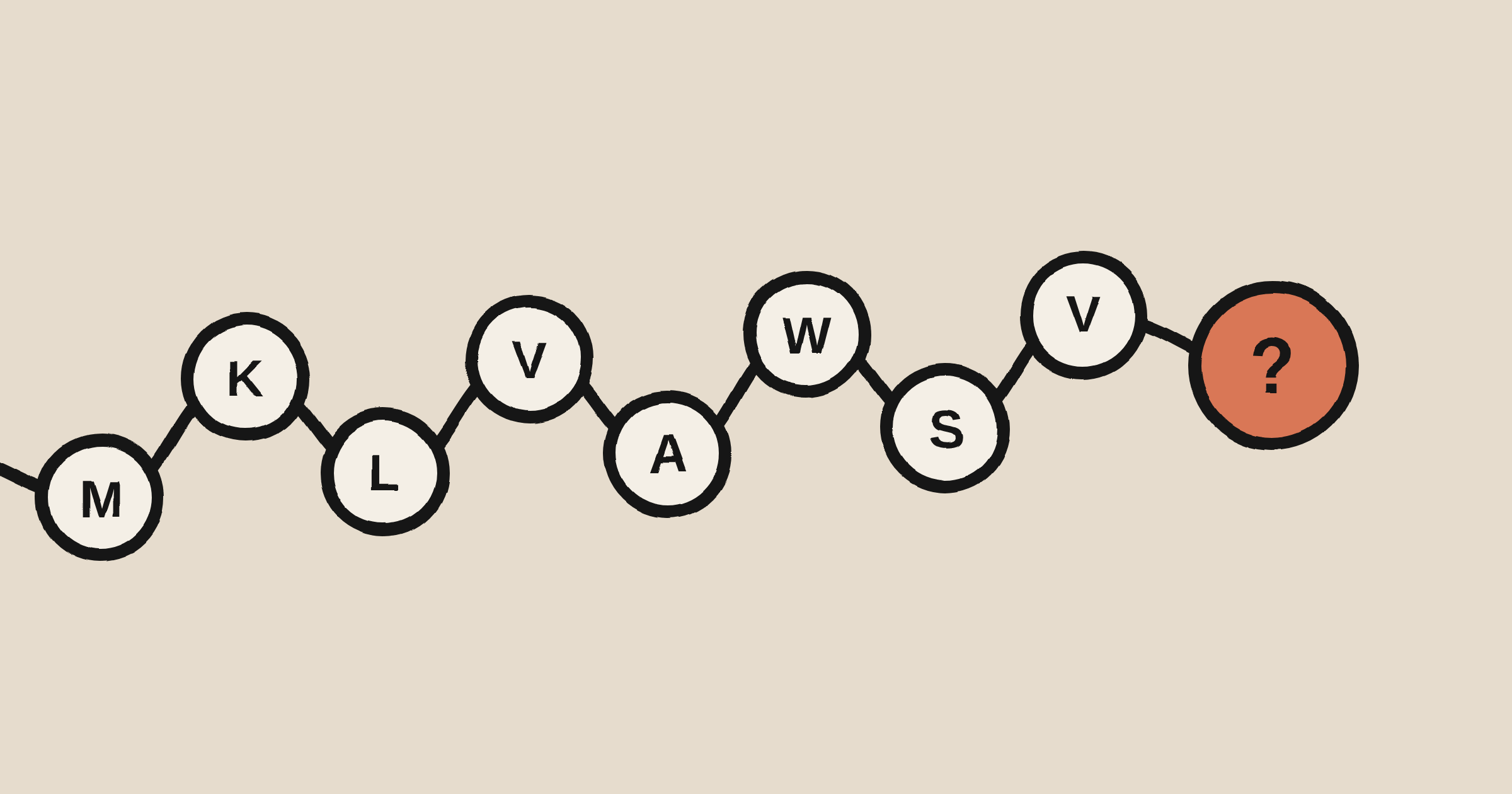
A next-amino-acid prediction test on little-studied proteins indicates that the latest Claude models were trained on protein sequences at scale. Other frontier models showed no sign of such training.
CommentsA new paper warns that AI-generated papers and referee reports could cause peer review to collapse and proposes making AI detectors standard, flagging suspicious reports for closer scrutiny, and treating AI-written reviews like plagiarism. Readers push back that detectors are unreliable and risk witch hunts, while some suggest machine-native output standards or fees to curb AI spam.
CommentsShow HN: Type Fighter 2
2026-11-18Type Fighter 2 is a browser-based typing game that turns keyboard practice into a fight, drawing praise for its concept and UI. Discussion focuses on skipping early levels, better letter sequencing using real words, and support for non-QWERTY layouts or customizable keys.
CommentsA job candidate interviewing at a YC startup reportedly discovered the company had used their LinkedIn without permission, sparking reader discussion about how common such incidents seem in the YC ecosystem. Commenters advised changing passwords and never sharing login credentials, while noting the episode doesn’t reflect well on the startup despite the attention it may bring.
Comments
A user recounts how any reconfiguration of their WAN connection caused IPv6 to break across the home network, tracing the issue through Router Advertisement daemons. The journey ended with odhcpd, a daemon designed for home networking behind unreliable ISPs, as the fix for this subtle IPv6 delegation failure mode.
Comments
My Emacs 31 contributions
2026-11-18A developer reflects on finally landing changes in upstream Emacs 31 after long postponing contributions because the process felt out of reach. The post recounts the hurdles they overcame to make those patches happen.
Comments
ExitPath is a new open-source Show HN project that helps users find, compare, and switch to open-source alternatives for Slack, Notion, and Microsoft 365. It offers honest ratings, migration difficulty scores, and step-by-step checklists, with all activity staying in the browser.
CommentsWhen AI Knows More Than It Can Offer
2026-11-18A new experiment across ten well-known AI systems suggests that training can turn capable assistants into generators of stock answers even when they possess more relevant knowledge. The finding highlights a gap between what AI models know and what they actually offer users, raising concerns about how such systems are optimized.
Comments
A new Show HN project lets users take apart Voyager 1 down to a single memory chip. It highlights the two 1977 spacecraft still communicating from interstellar space and shows where they are now.
Comments
Why Fibonacci?
2026-11-18A new interactive explainer explores why Fibonacci patterns appear in nature, using animations to show how a Fermat spiral outperforms grids and rings. It also explains the significance of the 137.508° angle and traces where Fibonacci numbers come from.
Comments