Legal Tech News
Submit2026-11-10
.name Grandfathered
2026-11-10Verisign has retracted its plan to terminate 22,000 existing third-level .name domains and email redirects after a long, expensive battle. Existing domains and redirects will remain indefinitely, though new third-level registrations will be closed. The reversal follows criticism that the original plan would have harmed consumers and broken trust in domain registrations.
CommentsDevelopment work on DisplayLink drivers has stopped after Synaptics asserted patent claims, affecting users of docking stations built around DisplayLink chipsets. The dispute leaves owners of such docks facing uncertainty over future driver support and compatibility.
Comments
Palantir has hired former Democratic Sen. Jon Tester as it faces scrutiny in the new Congress. Tester said perception is reality in Washington and that Palantir has a good story it needs to tell. The move drew criticism in reader discussion as an example of the political revolving door.
CommentsYour TV can see through walls
2026-11-10A report titled “Your TV can see through walls” sparks discussion about how everyday devices can be used for surveillance, from fiber-optic cables that pick up sound-induced light changes to WiFi/LTE sensing and sensitive security-camera microphones that can reveal activity inside a home. Commenters note this extends a long history of side-channel snooping such as CRT emissions and Van Eck phreaking, and warn that phones and connected gadgets already make location and activity tracking hard to avoid.
Comments
Sherman Anti-Trust Act (1890)
2026-11-10Approved July 2, 1890, the Sherman Anti-Trust Act was the first federal law aimed at curbing monopolistic business practices. It marked a foundational step in U.S. competition policy by targeting trusts and other combinations that restrained trade.
CommentsHorible public key tricks
2026-11-10A discussion around the article argues that unauthenticated TLS cannot be called secure and that serious attackers are mostly man-in-the-middle attackers who trick victims into diverting their own traffic, such as via DNS injection. It also debates private-key checks, noting that the eMudhra incident—where key entropy was reduced to the final byte—shows weak keys can be found with trivial brute force while the CA ecosystem largely relies on trust rather than detecting such incompetence.
CommentsA large-scale study analyzed browser fingerprinting using telemetry from nearly 25 million Firefox release users. The findings informed new mitigations against fingerprinting.
Comments
Constant surveillance of children—through monitoring apps, school devices, and location tracking—can undermine kids’ privacy and autonomy while reshaping trust and development. The piece also examines how this pressure affects parents, who must balance safety concerns with the costs of constantly watching their children.
Comments2026-11-09
A Canadian national health report finds that too many men are suffering in silence, with readers tying men’s mental health struggles to perceived bias in divorce and family-law proceedings. Discussion highlights men who lost wealth and stability after divorce and calls for truly gender-neutral laws, while also correcting common misconceptions about common-law marriage.
CommentsReaders push back on the claim that no one will again build a Wikipedia-like project, citing OpenStreetMap, TV Tropes, fandom wikis and other volunteer crowdsourced efforts that continue and could evolve toward more semantic knowledge systems. They also warn that such projects face long-term strain from younger users’ reliance on corporate app stores, suspicion of libre/altruistic efforts, fewer obvious gaps for newcomers to fill, corporate free-riding and API abuse, and licensing barriers.
Comments
A Colorado lawsuit alleges that the Switzerland-based Ethereum Foundation, a cryptocurrency-focused organization, required employees to endorse a so-called “suicide pledge.” The suit centers on the alleged employment demand, according to the news excerpt.
CommentsA security flaw allows any car from a specific brand to be unlocked across most of the world, according to a new disclosure. The author, a longtime owner of the brand who bought a new SUV in 2023, highlights the widespread automotive security risk.
CommentsA security researcher has documented how a Microsoft-signed shim can be borrowed to abuse Secure Boot protections on corporate hardware, potentially enabling boot-level attacks. The write-up details the technique and its implications for organizations relying on Secure Boot to lock down devices.
CommentsA headline about a Jensen Huang scandal is fueling speculation, including the claim that his wife could get half. Reader discussion focuses on how someone could fall for a honey trap, an intelligence tactic described as ancient and possibly older than civilization.
Comments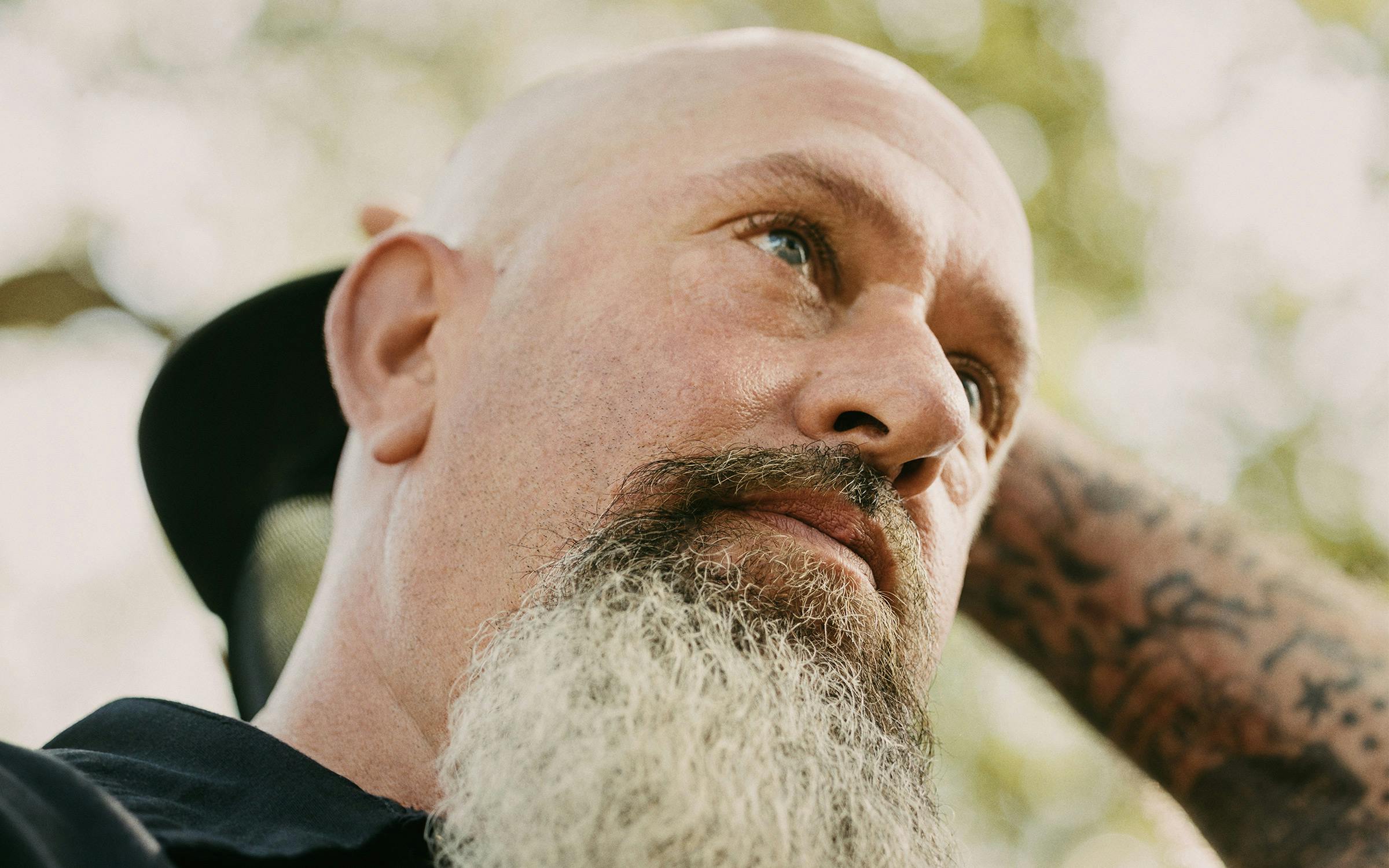
Forrest Welborn spent three decades as a suspect in the infamous Austin Yogurt Shop murders and was finally exonerated this year, yet he says he still doesn’t feel free. The article explores the lasting toll of living under suspicion and how exoneration has not erased the trauma.
CommentsDocumentation published on GitHub alleges that Google Gemini routes personal Drive files and emails to human annotators, flagging a “Gemini File Leaking Behavior.” The repository is collecting evidence of the alleged data exposure.
Comments
Supply chain attack on Qubole customers
2026-11-09Sentra uncovered a supply chain attack in which attackers used a trusted vendor’s keys to access data at multiple Qubole customers. The incident highlights third-party key risks, and Sentra outlines measures to prevent similar attacks.
Comments2026-11-08

Nvidia’s board is launching an independent investigation after recent reports that founder and CEO Jensen Huang was the target of a foreign intelligence effort. A board committee is overseeing the probe.
CommentsAd data collected by popular apps is giving police a powerful surveillance tool, with commenters arguing Google is failing to enforce its own Play Store policies against selling sensitive user data through third-party SDKs. They advise users to restrict location permissions, be wary of apps like weather services that request background location, and prefer browsers with ad blockers, though app-first services make that difficult for ordinary users.
CommentsConsumer brain-wave headsets are raising privacy concerns as companies compete to collect and use neural data. The article, originally titled “The scramble for your brain data,” examines how this emerging market could threaten users’ privacy. It highlights the need for safeguards around sensitive brain data.
Comments
Person of Interest
2026-11-08A writer has become hooked on Person of Interest, noting that the show feels even more relevant today than when it first aired. The piece explores how its surveillance and artificial intelligence storylines resonate with current tech and privacy concerns.
Comments2026-11-07

Running a law firm on Free software
2026-11-07A discussion around running a law firm on free software highlights debate over whether avoiding Microsoft Word is practical, with one commenter relaying a claim that not using Word amounts to malpractice and another seeking gentle automation options for a solo lawyer. Commenters also warn about law firms ceding leverage to AI platforms like Harvey, while a small free-software stack raises concerns about single-person DevOps coverage, client security requirements, and missing ERP/accounting integration; tools mentioned include espanso, InvoicePlane, and Kimai.
CommentsThe British Library and other legal deposit libraries can copy UK-published material from the internet for archiving under legal deposit. This entitlement supports web archiving of UK online content.
Comments
A federal court approved a nearly $360 million settlement in the RealPage rent-pricing case, with the funds going to renters. One legal expert said the deal is “not the final word necessarily” in ongoing litigation over algorithmic pricing.
CommentsBug Finding Considered Harmful?
2026-11-07Reader discussion around “Bug Finding Considered Harmful?” questions whether vulnerability hunting does more harm than good, noting that public advisories can raise exploitation risk and that fixes are costly and often create new edge cases, especially with LLMs generating endless bug candidates. Commenters also point to misaligned economic and liability incentives that can discourage bug finding and punish those who report issues.
Comments2026-11-06

Mark Cuban accused Facebook of knowingly running AI-generated deepfake scam ads, saying he has seen his own face used to promote nonexistent diabetes cures. He cited documents indicating the platform earns $16 billion in fraud revenue.
Comments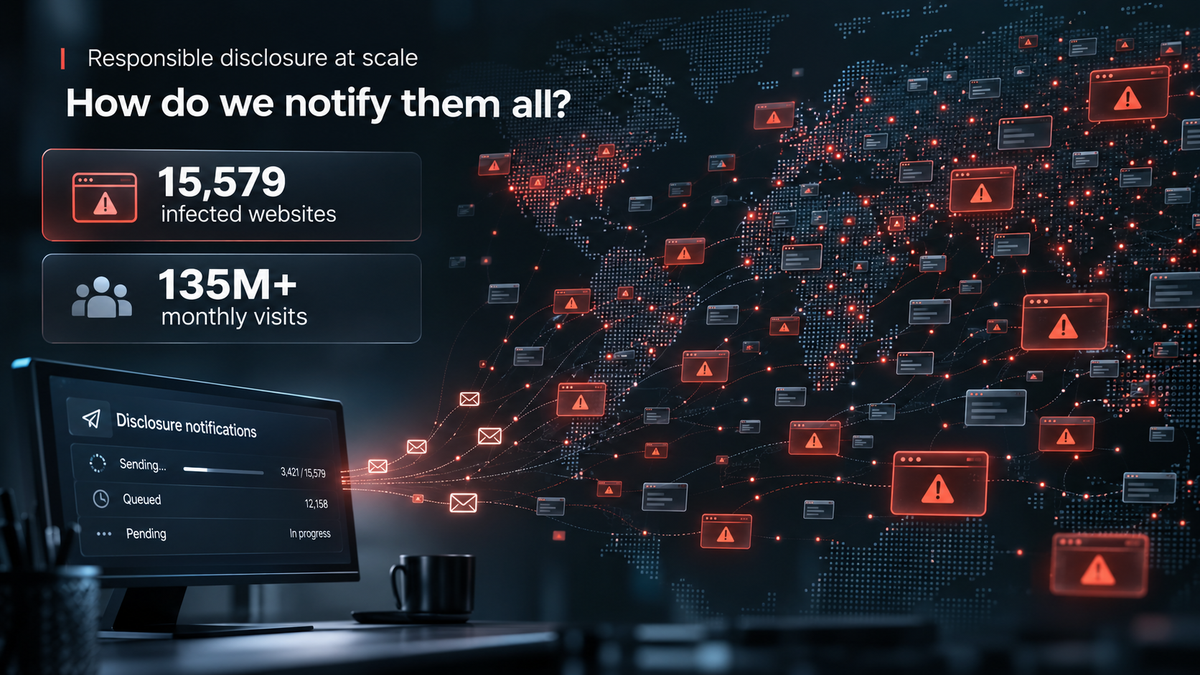
Researchers have identified 15,579 websites infected with malicious JavaScript, conservatively estimating they receive more than 135 million visits per month. Although they have evidence of the infections, the key challenge is how to notify the affected site owners.
CommentsDutch bank ASN, known for its idealist positioning, has blocked its Android app from running on non-Google Android systems, including GrapheneOS. The restriction affects users of privacy-focused or de-Googled devices, according to a report citing app version 2.40.2 in the Netherlands. The move highlights growing friction between banking apps and custom Android ROMs.
Comments
Democrats are laying the groundwork for congressional investigations into SpaceXAI, Meta, and Apple, prompting executives who had courted the president to scramble. The move signals that major tech companies face renewed political scrutiny as Democrats prepare to use oversight powers.
CommentsBritain will require employers to disclose salary information in job advertisements, a move supporters say will save applicants time and help reduce pay discrimination, especially gender pay gaps. Commenters cautioned that overly broad salary ranges could weaken the policy and that transparency may slightly lower average pay, though many saw the trade-off as acceptable. Details remain pending after the consultation stage.
Comments