YC Demo Day News
SubmitDemo Day is the moment each Y Combinator batch presents its startups to investors, and this section gathers reporting around it. Expect stories on notable pitches, standout companies, funding momentum, and the trends that emerge when a new cohort of founders steps on stage.
Typical coverage includes batch recaps, lists of the most talked-about companies, and interviews with founders fresh off their presentations. You will also find pieces examining which sectors dominated a given batch, from AI infrastructure to healthcare, and how those choices reflect where early-stage attention is flowing.
Investors, founders, and industry watchers follow Demo Day because it works as an early signal of what the next wave of technology companies will look like. Ideas that debut on that stage often reappear months later as funded, growing businesses, which makes each batch worth studying closely.
2026-11-07
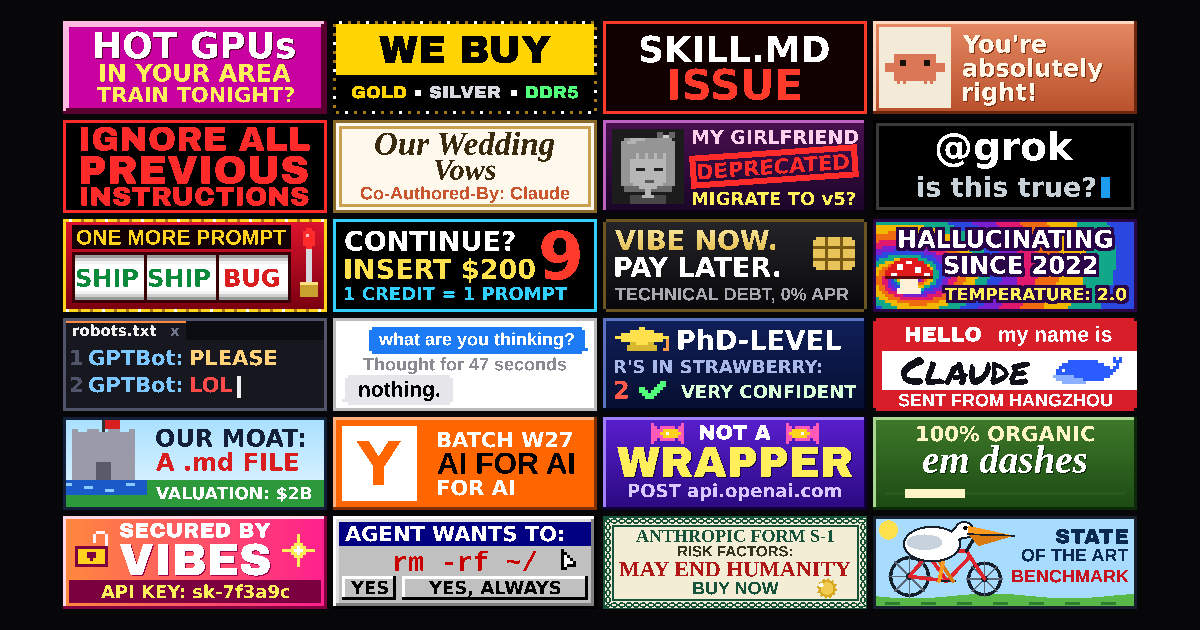
88x31 GIF Stickers for 2026
2026-11-07A new collection offers 30 classic 88x31 GIF web buttons for 2026, free for anyone to take and use. The retro-style stickers are aimed at adding old-school web flair to sites or projects.
Comments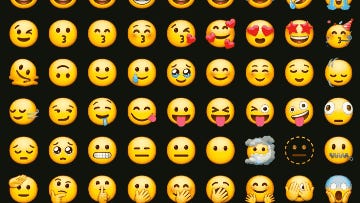
What do the next 4000 emoji look like?
2026-11-07The next 4,000 emoji may borrow design lessons from ancient scribes, who faced a similar challenge 5,000 years ago: representing many ideas with a limited set of visual symbols. Researchers suggest those historical strategies could help Unicode expand emoji while keeping them recognizable and manageable.
Comments

The military-escorted semitrailers seen on Interstate 80 through Wyoming can indeed be transporting nuclear missiles, according to a report explaining the convoys. It describes what observers are actually seeing and why such sensitive cargo may move by road.
Comments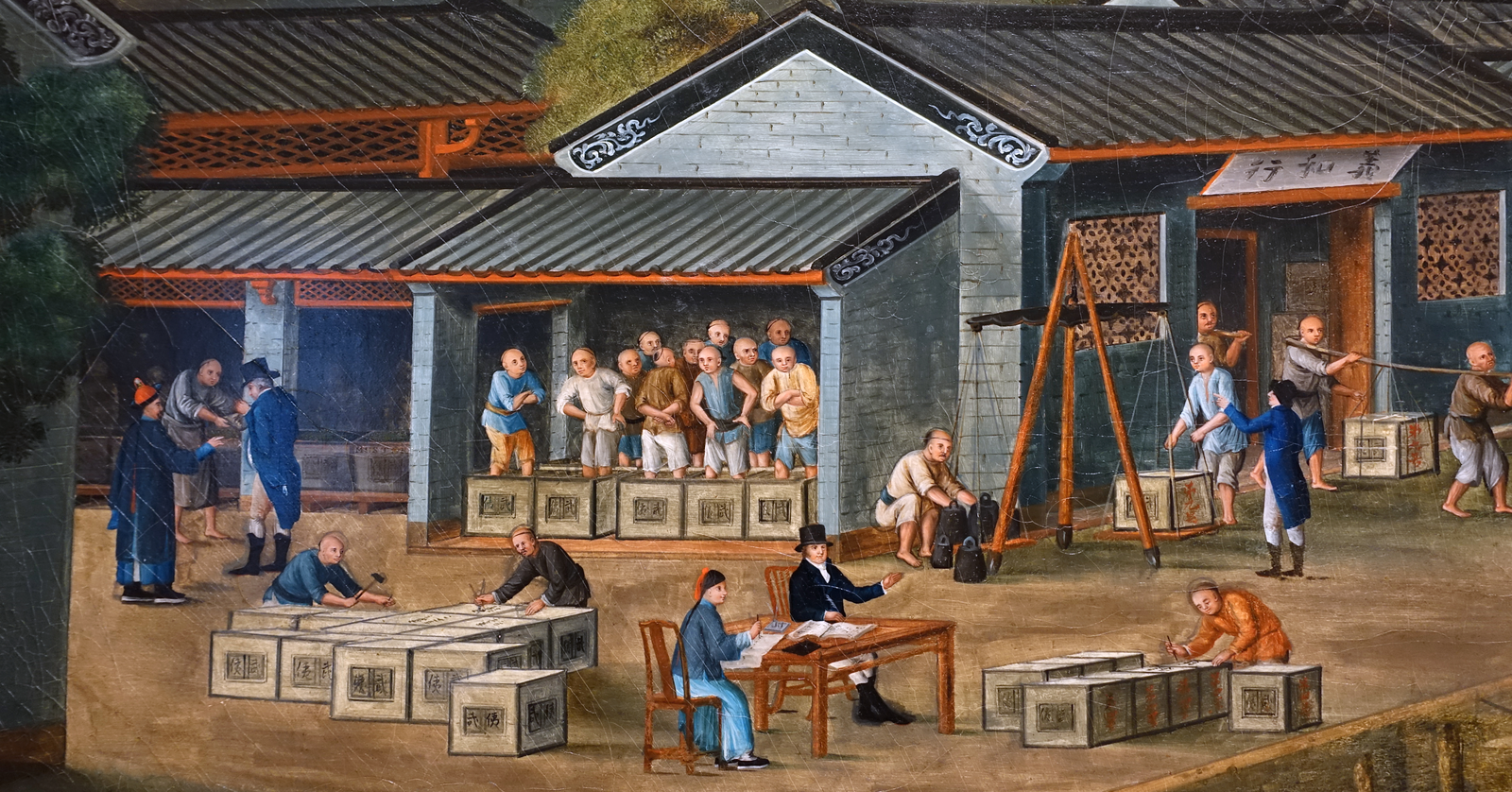
A tour of Unitree’s factory challenges the assumption that China’s robot production is highly automated, with much of the assembly still relying on manual labor. The author remains bullish on the West, arguing that while Chinese firms may lead in robots, Western companies will dominate the automation used to make them.
Comments
A new retro device called Song Bird lets users plug in any Game Boy cartridge and listen to its soundtrack. It offers a simple way to relive the music from classic games.
CommentsTmux-restore is a new Show HN tool that preserves tmux sessions, layouts, and scrollback across reboots. It also reopens AI coding agent conversations—including Claude Code, Codex, Gemini CLI, opencode, and pi—so users can resume exactly where they left off.
Comments
Text.js is a new React framework for building full-stack applications that render inside the browser’s DevTools console via console.log. It lets developers create React apps with console-based output instead of a traditional browser UI.
Comments
Optimising the Rail Cube
2026-11-07The article “Optimising the Rail Cube” could not be retrieved. Reader discussion nevertheless praised its explanation and editor, calling the piece “a piece of art.”
Comments
How Long Can Life Wait?
2026-11-07The piece examines how long organisms can remain in a dormant, seemingly inactive state—and whether such pauses can later be reversed. It argues that lack of movement doesn’t equal death, with implications for how we define and search for life.
Comments
The Thera volcano on modern-day Santorini buried the ancient settlement of Akrotiri in ash during the 17th or 16th century BCE, earning it comparisons to Pompeii. The eruption was one of the largest in recorded history.
Comments
A federal court approved a nearly $360 million settlement in the RealPage rent-pricing case, with the funds going to renters. One legal expert said the deal is “not the final word necessarily” in ongoing litigation over algorithmic pricing.
CommentsBug Finding Considered Harmful?
2026-11-07Reader discussion around “Bug Finding Considered Harmful?” questions whether vulnerability hunting does more harm than good, noting that public advisories can raise exploitation risk and that fixes are costly and often create new edge cases, especially with LLMs generating endless bug candidates. Commenters also point to misaligned economic and liability incentives that can discourage bug finding and punish those who report issues.
CommentsSpindle is a new full-featured, type-safe web framework for OCaml 5, announced via Show HN. The open-source project is hosted on GitHub under hyphatech/spindle and invites contributions.
CommentsDiscussion around a Show HN post asking whether prediction markets predicted the midterms was dominated by complaints about the page’s overlaid “guest” mouse cursors, which readers said were distracting and made the content nearly unreadable on mobile. One commenter suggested serializing pointer events in a small binary format to raise the update rate without a major bandwidth increase.
CommentsA reader discussion around “The Gordon Gekko Effect” traces the famous “greed is good” line to Ivan Boesky’s 1986 commencement speech and his later insider-trading conviction, while questioning why audiences still glorify Gekko despite his role as a cautionary antagonist. Commenters argue that charisma, light consequences, and self-promotional hedge-fund culture—similar to big tech—can make unethical or hollow leadership seem attractive, even when it lacks moral or rational grounding.
CommentsThe Flash C Compiler
2026-11-07The news item is titled “The Flash C Compiler,” indicating coverage of a C compiler referred to as Flash. No further details are available from the title alone, so the piece’s specific features, performance claims, and availability remain unclear.
Comments
The Components of Agent Memory
2026-11-07Anthropic explains how Claude’s agent memory works, noting that deciding what to remember before knowing future context is key. It describes “dreaming” as a process for organizing memories and correcting mistakes so Claude can learn from experience.
Comments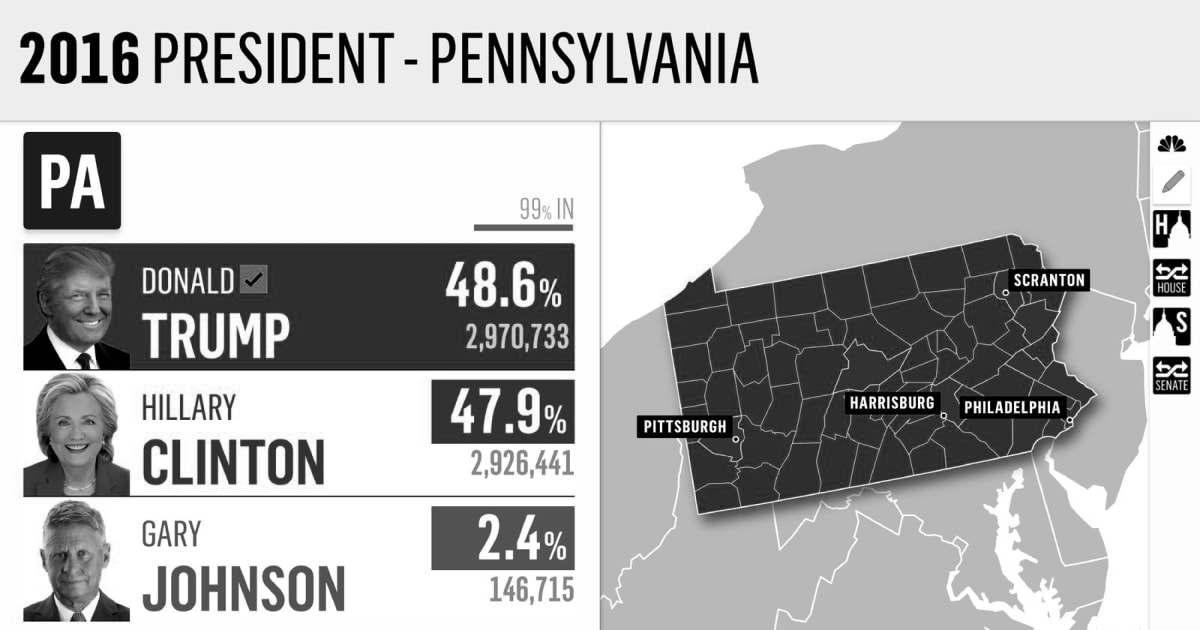
Building the NBC News Big Board
2026-11-07NBC News explains how its Big Board started as a January prototype: a touchscreen interface for exploring county-level election results. After demos to internal stakeholders, the project evolved into an interactive tool for election analysis.
CommentsThe great butter and cheese fire of 1991
2026-11-07A 1991 fire involving butter and cheese prompted comparisons to the Great Molasses Flood and left commenters focused on the massive cleanup. They discussed using vacuum excavators and hydrovac trucks to remove the melted dairy, the difficulty of cleaning equipment filled with butter, and the lack of a clear final disposal path beyond temporary sanitary sewer holding ponds, possibly routing it through organic waste or waste-to-energy.
Comments
Shadow of the Sun (2021)
2026-11-07The piece reflects on the urge to abandon a conventional life—work, relationships, property—and live as a drifter on the margins of civilization. It frames that existence as a way to encounter unusual places and experiences, where society may not make sense but life is never boring.
CommentsMaking any integer with four 2s (2025)
2026-11-07The article explores the recreational-math challenge of constructing any integer using exactly four 2s and allowed operations, drawing 368 points and 165 comments on Hacker News. Readers debated seemingly difficult cases like 7—one solution offered was 7 = ⌈2.2² + 2⌉—and shared related Advent calendar puzzles.
Comments
EyesRhythm is a free, private webcam-based blink rate detector for Mac and Windows that scores how often and how steadily users blink during screen work. It also includes Poise, which shows which way the user turned their head to help prevent neck and shoulder stiffness.
Comments
Lighting the Skies
2026-11-07A reader discussion on “Lighting the Skies” criticizes modern city lighting as excessive and attention-driven, contrasting it with need-based village lighting and the pristine night skies of the 1970s. The commenter recalls using moonlight for nighttime activities and naming stars before sleep, highlighting nostalgia for darker skies and simpler times.
Comments
A new write-up explores the challenges of maintaining audio/video sync with WebCodecs, explaining why a design oversight leaves sync off by default and what can go wrong when it slips. It also details how the author achieved sample-perfect A/V sync in Mediabunny despite that limitation.
Comments
GeoWorks was a 1990s upstart that challenged Microsoft Windows with its efficient GEOS graphical interface, especially on low-end PCs. Despite promising technology and early adoption, it ultimately failed to dislodge Windows and faded from the mainstream market.
Comments
A new exploration of Jenga asks how tall a tower can be built with 54 blocks, combining attempts to find extreme heights with an explanation of structural stability. The key takeaway is that a tower’s failure is determined by its skinniest part, which decides when it will fall.
CommentsEnterprise Brain introduces shared agent memory that learns from work by building on enterprise context. It connects trajectories to outcomes, evaluates performance, and prepares training data within the customer’s own cloud.
Comments
Turning Every Radio into a Radar
2026-11-07Integrated Sensing and Communications can turn existing 4G and 5G infrastructure into a sensing layer. This would enable drone detection, situational awareness, and RF intelligence without dedicated radar hardware.
CommentsPort 0: The Port That Does Not Exist
2026-11-07The article “Port 0: The Port That Does Not Exist” appears to have been overwhelmed by traffic, with readers suggesting it has been “hugged.” The original piece could not be fetched, so its specific discussion of the nonexistent port remains unavailable.
Comments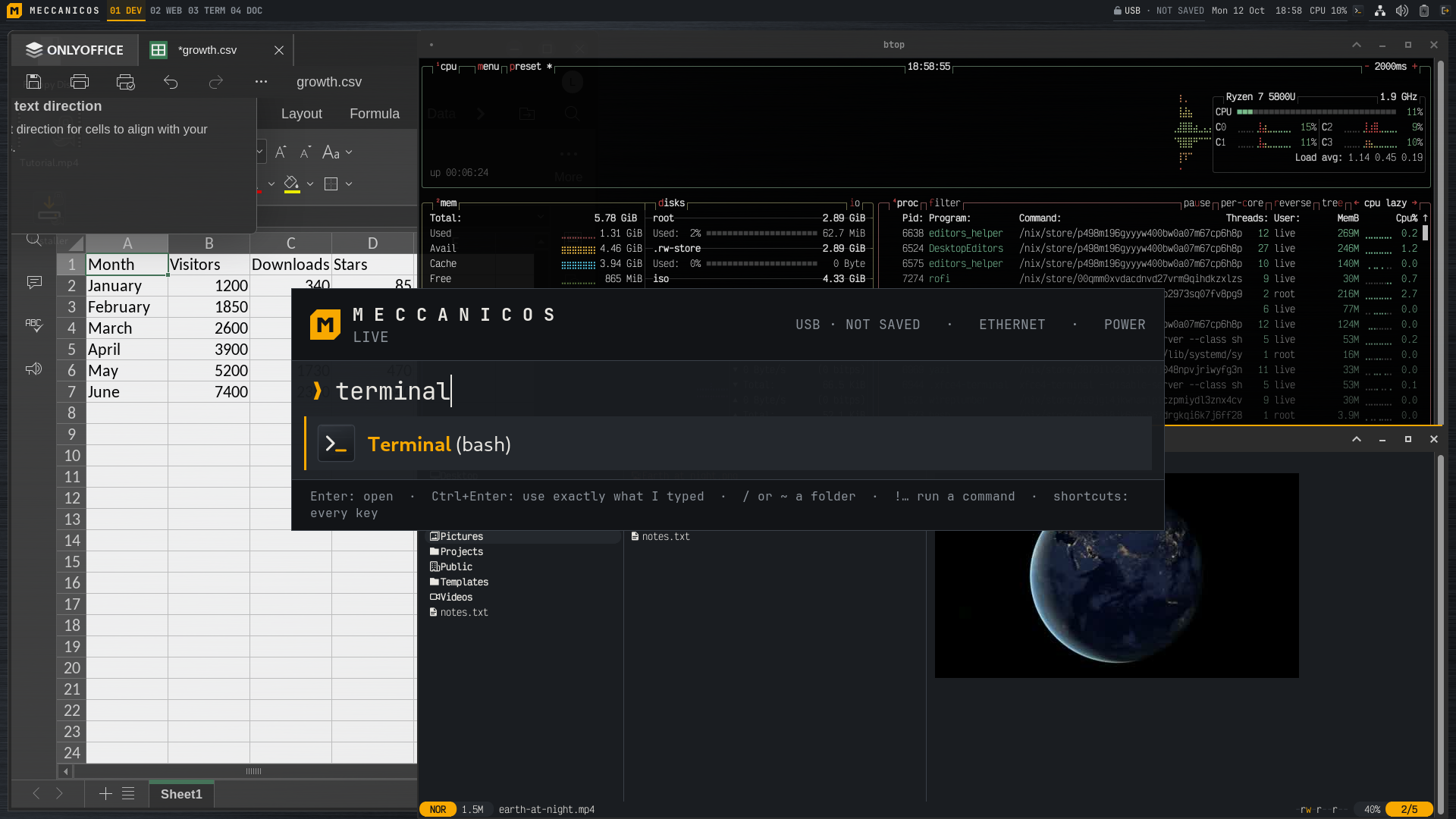
MeccanicOS
2026-11-07MeccanicOS is a new NixOS-based operating system designed as a complete workstation on a USB stick, usable live or installable. It emphasizes speed, a clean and secure environment, encryption, keyboard-driven workflows, and custom tools.
Comments