Tech News Last 24 Hours
When you just want to catch up quickly, this section collects the freshest technology stories from across the industry. Coverage spans artificial intelligence, software, hardware, startups, and big-company news. It is built for readers who want a fast, current snapshot of what is happening in tech.
On any given day the mix might include an overnight AI announcement, a security incident still unfolding, earnings released before the market opened, and a startup emerging from stealth. Because the emphasis is on recency, the section captures the industry's rhythm of launches, deals, and surprises as they land.
A quick-catch-up format suits people with limited time who still need to stay informed: professionals preparing for morning meetings, writers and analysts scanning for developments, or anyone returning from a day offline. It answers the simple question of what changed in tech since you last looked.
2026-08-25
How Universities Should Prepare Founders
2026-08-25Universities should prepare founders by prioritizing deep technical expertise and transferable meta-skills over generic entrepreneurship degrees. As modern startups become increasingly capital-intensive, advanced studies like PhDs are highly valuable for teaching students how to learn and tackle complex problem spaces. Ultimately, higher education should focus on foundational skills like critical inquiry and narrative building rather than hyper-specific, role-based qualifications.
Comments
Ox-Alpha Is GLM?
2026-08-25Researchers have identified OX Alpha, a mysterious large language model on OpenRouter, as GLM developed by Z.ai. The model's true identity was uncovered using prompt injection techniques and gzip-NCD compression analysis.
Comments
This piece explores the philosophy of infrastructure ownership by comparing physical systems like highways and housing to the need for digital independence. It highlights the 25-year legacy of the Jabber/XMPP protocol as a foundational example of decentralized communication technology that empowers users to truly own and control their digital networks.
Comments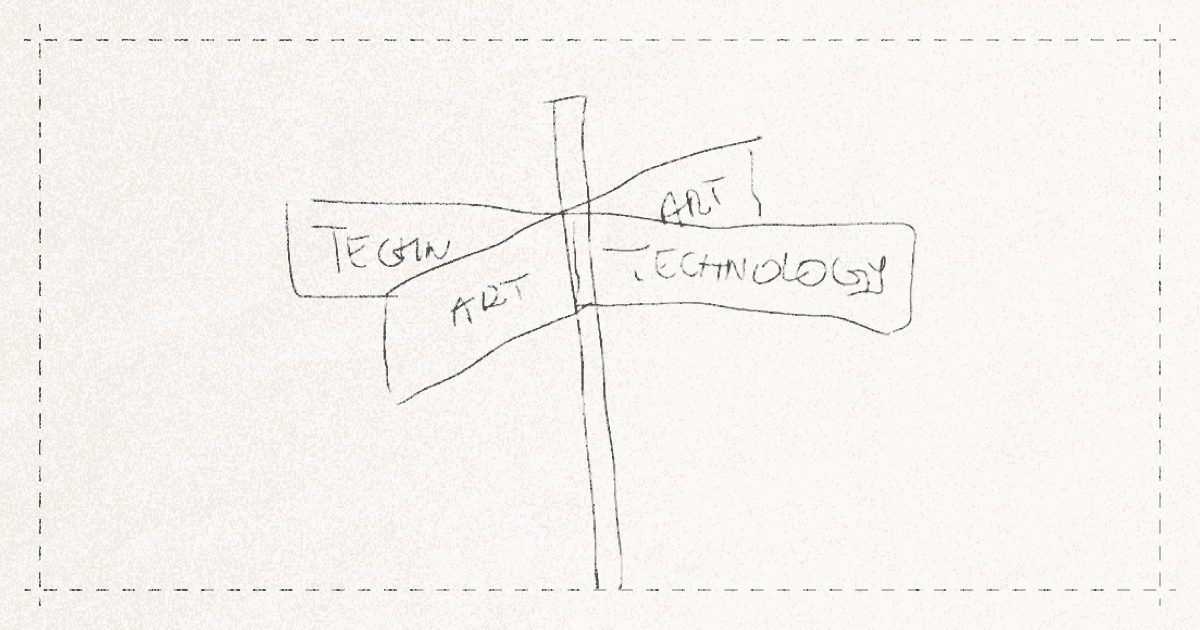
Training AI to Paint with Code
2026-08-25A Brooklyn-based designer and creative technologist is exploring the intersection of art and machine learning by training artificial intelligence to generate visual artwork through code. This initiative highlights the growing trend of generative design, demonstrating how algorithms can be utilized as digital paintbrushes to create unique, programmatic visual experiences.
CommentsThis interactive guide explores the underlying mechanics of QR codes and provides a deep dive into modern techniques for creating artistic variations. It explains how these scannable images function at a technical level while demonstrating how to seamlessly blend visual design with everyday utility.
Comments
Thomson Reuters has launched Thomson, a proprietary frontier large language model that was trained and operates at a fraction of the cost of comparable alternatives. The company retains full ownership and control over the new technology.
Comments2026-08-24
A staff engineer shares insights on identifying impactful technical challenges by actively listening to a wide range of colleagues. By paying attention to everyday frustrations across the organization, technical leaders can transform these observations into highly useful and strategic project ideas.
Comments
A new technical guide details the process of migrating data from a legacy Synology NAS to the UniFi UNAS Pro 8. The tutorial demonstrates how to maximize transfer efficiency during the transition by leveraging Robocopy and SMB Multichannel. This provides a practical roadmap for users looking to upgrade their network storage infrastructure to the UniFi ecosystem.
CommentsHow Complex Systems Fail (1998)
2026-08-24Discussions surrounding the seminal 1998 essay How Complex Systems Fail highlight that seeking a single root cause in intricate technological environments is often futile due to the compounding nature of metastable failures. Commentators argue that true system resilience relies on overall process orchestration rather than isolated component reliability. Consequently, they emphasize that root cause analyses must extend beyond technical faults to include organizational decisions, recognizing that complex systems constantly operate in degraded modes where failures are a chain of events.
CommentsImplementation of GPT-2 in pure CMake
2026-08-24A new open-source GitHub project has successfully implemented the GPT-2 language model using only pure CMake. This unconventional technical achievement repurposes the build system generator to run the AI model, and developers are now encouraged to contribute to its ongoing development.
Comments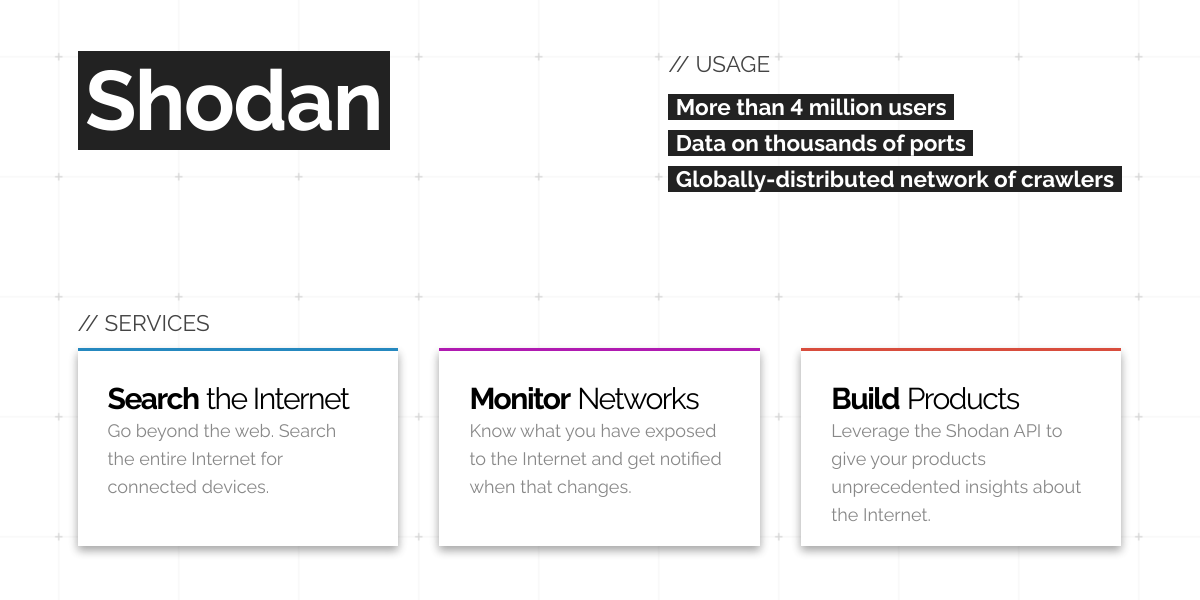
A new search engine dedicated exclusively to the Internet of Things has been launched to help users navigate internet-connected devices. This first-of-its-kind platform aims to simplify the discovery and management of smart technology within the rapidly expanding IoT ecosystem.
Comments
Explain it to me like I'm ten
2026-08-24xkcd creator Randall Munroe gained viral fame for explaining complex technical concepts using only the 1,000 most common English words. This simplified approach started with a 2012 diagram of the Saturn V rocket and led to the release of his 2015 book, Thing Explainer.
Comments
Researchers have developed a novel method to decode silent reading using non-invasive EEG technology, enabling the translation of inner speech into text without surgical implants. This breakthrough represents a major step forward in creating accessible, non-invasive brain-computer interfaces for everyday communication.
Comments
AI and Infrastructure Engineering
2026-08-24This article explores the practical use of artificial intelligence in daily infrastructure engineering workflows. The author argues that AI acts as the next layer of abstraction in the technology stack, much like Kubernetes was for Ansible, rather than a replacement for human engineers.
Comments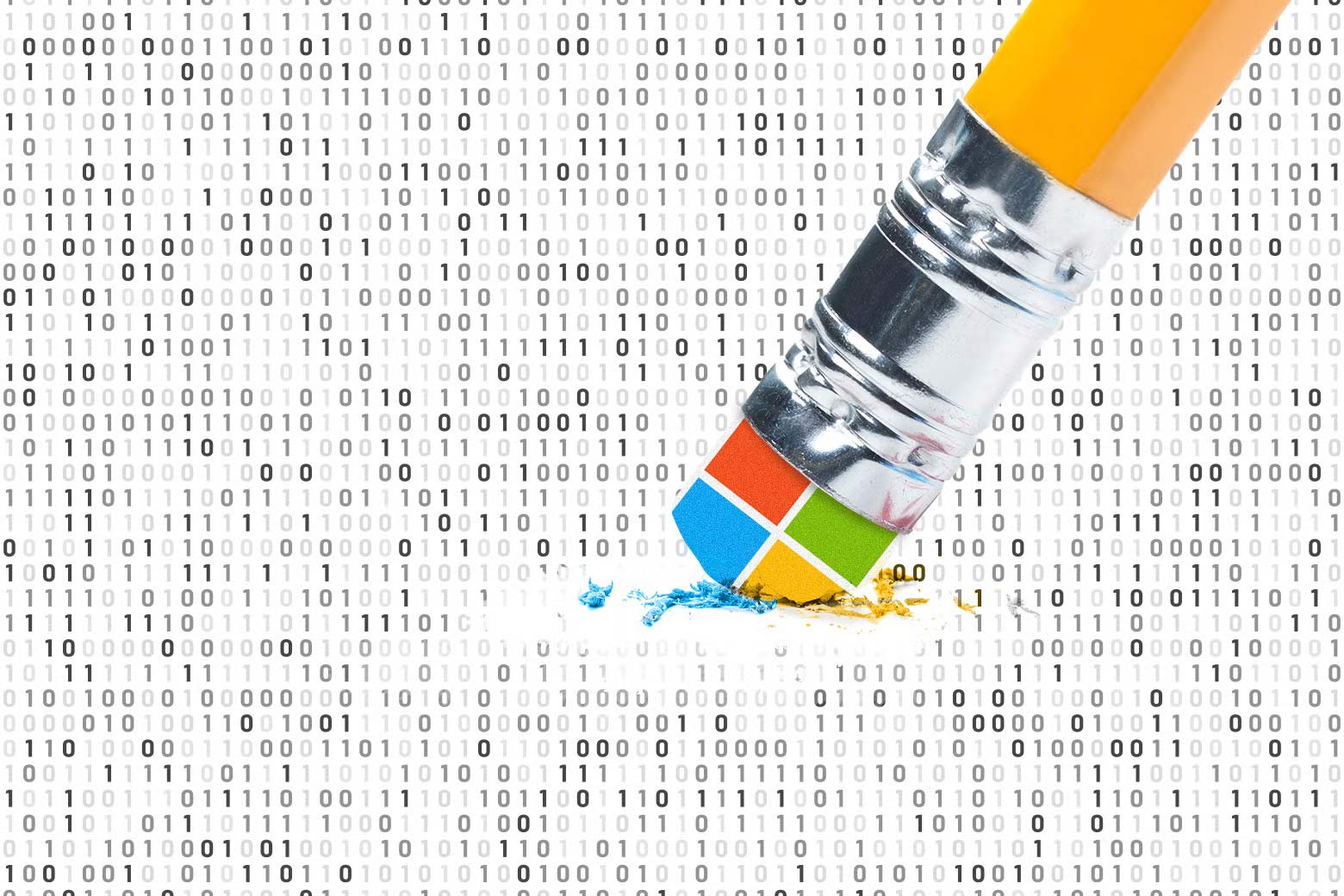
Over 170,000 nonprofits lost years of critical data after Microsoft retired a widely used software grant program. The sudden disappearance of this information has raised questions about the tech giant's responsibility for the massive data loss.
Comments
The Vibe Tax
2026-08-24The article explores the hidden toll of modern tech productivity through the story of a developer who spent an entire night trying to build a project from scratch. Despite having twelve hours to complete a fresh weekly quota, the developer ultimately ran out of time and missed his deadline. This narrative highlights how the current culture of rapid, intuition-driven shipping often results in burnout rather than actual progress.
Comments2026-08-23
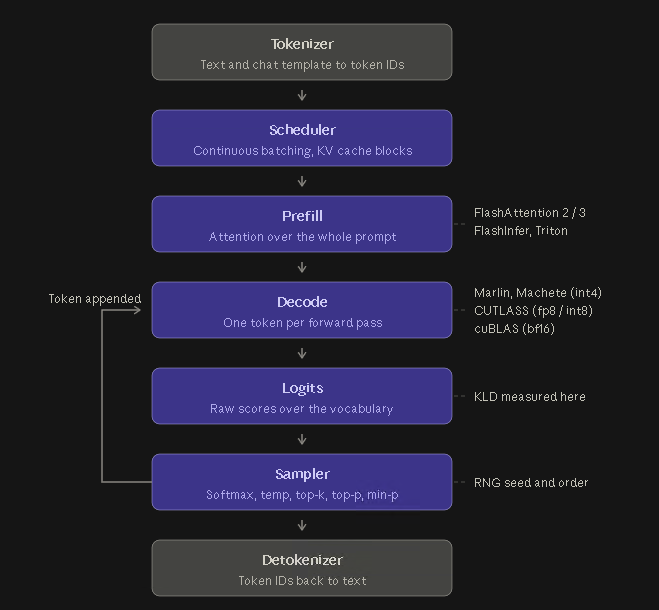
Despite immense online hype surrounding new Large Language Models, users frequently experience a massive letdown when running locally hosted, quantized versions. This article explores the technical reasons behind this performance gap, explaining why your local AI might feel significantly dumber than its full-weight or cloud-based counterparts.
CommentsRF Cafe
2026-08-23Readers are praising RF Cafe, a ham radio website, for its nostalgic, information-dense design and high-quality technical content. The discussion highlights the site's old-school advertising model, which relies on simple, highly targeted static banners without modern tracking or analytics. This non-intrusive approach provides a lucrative revenue stream for the solo operator while effectively reaching a dedicated niche audience.
Comments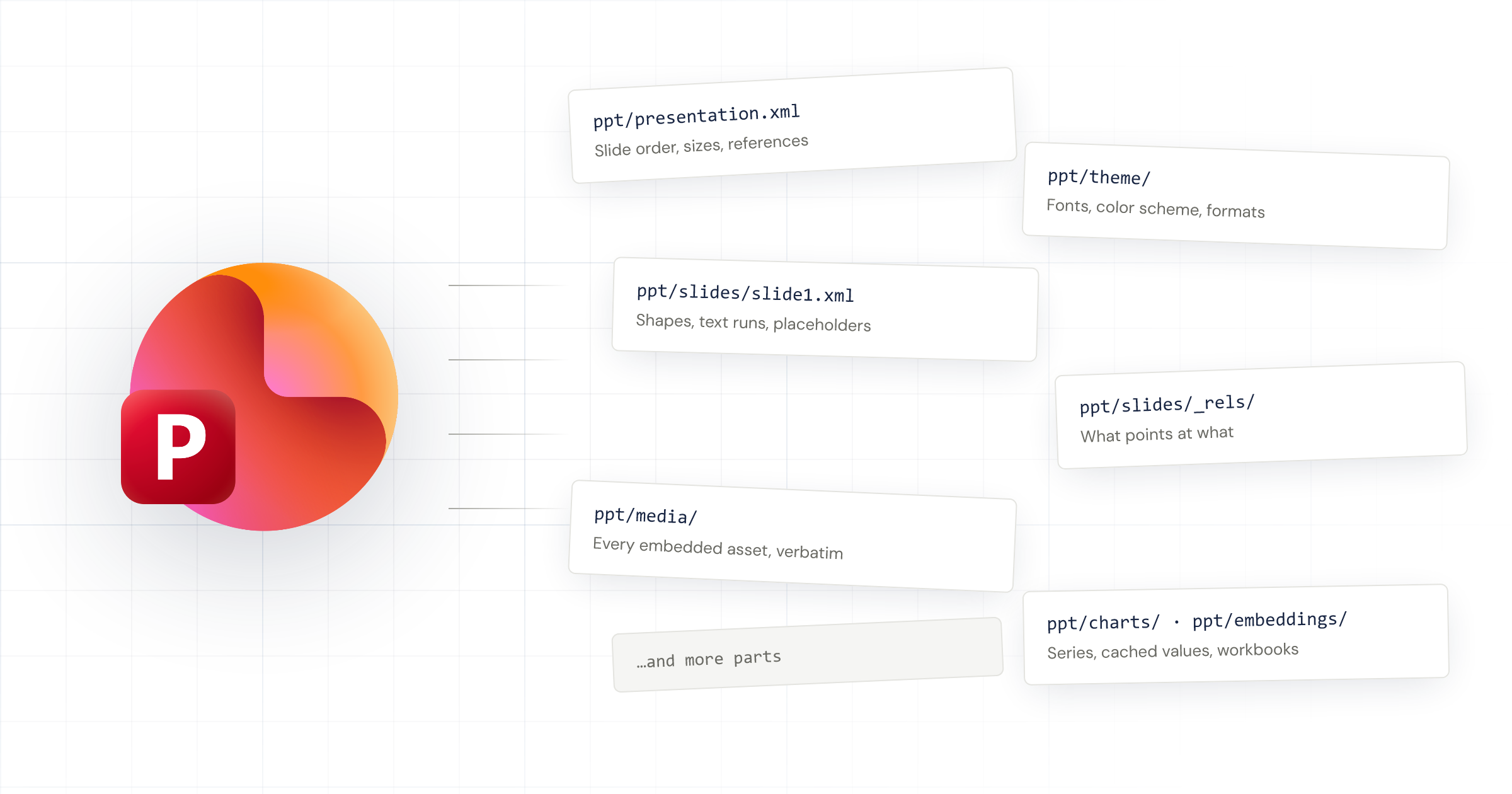
What's in a PowerPoint File?
2026-08-23This article provides an accessible look at the internal structure of PowerPoint files. It breaks down the technical components of the world's most popular presentation format to reveal exactly how it works under the hood.
CommentsThe 1970s Z80 microprocessor remains highly relevant today, with tech enthusiasts building modern DIY computers and emulations to celebrate the classic chip. Despite its messy instruction set architecture resulting from backward compatibility requirements with the Intel 8080, programmers continue to enjoy hacking on the Z80 in assembly as a refreshing contrast to the high abstraction of the modern LLM age.
Comments
New MCP Roadmap
2026-08-23The latest update to the Model Context Protocol outlines a new roadmap detailing key focus areas for upcoming specification releases. This announcement provides developers with a clear direction on the protocol's future evolution and planned technical enhancements.
Comments2026-08-22
A new partnership with Motorola will initially focus on a standard, non-folding smartphone rather than a foldable device. While Motorola's 2026 lineup nearly meets the partner's technical requirements, the current models lack essential security features like MTE and proper secure element integration. These critical hardware enhancements are expected to be fully implemented in the 2027 releases.
CommentsA recent environmental analysis reveals that human industrial activities, rather than natural factors like tree emissions, are the primary drivers of current atmospheric ozone issues. The findings highlight the urgent need for advanced technological solutions and policy reforms to reduce anthropogenic emissions and mitigate further atmospheric damage.
CommentsA recent study reveals that while generative AI initially boosts homework scores, it ultimately lowers exam performance because many students use the technology to bypass the actual learning process. While AI can serve as an effective supplementary tool for diligent students who maintain their study habits, it harms long-term academic retention for those using it to take shortcuts. Ultimately, the technology acts as an amplifier that benefits focused learners but crowds out the productive struggle necessary for deep comprehension.
CommentsHN: The Good Parts (2016)
2026-08-22A Hacker News user shared a curated collection of their favorite comments alongside a tip for tracking them using the platform's timestamp feature. The thread also revisited a 2016 article regarding the tech industry's good parts, prompting readers to reflect on how the best aspects of the field prioritize deep technical discussions over superficial workplace perks.
CommentsReaders are debating whether modern technological reality truly captures the cyberpunk dystopias envisioned by William Gibson, with some arguing that today's tech giants lack the distinct cultural aesthetics of fictional megacorporations. Meanwhile, others point to the hyper-technological, neon-lit environment of Shenzhen, China, as the perfect real-world embodiment of the genre, though skeptics counter that strict government control contradicts the anti-establishment ethos central to classic cyberpunk fiction.
CommentsI ran Photoshop on a £0.60 computer chip
2026-08-22A developer successfully ran a Macintosh emulation of Photoshop using a 60p Raspberry Pi RP2350 microcontroller, demonstrating the surprising capabilities of highly constrained modern hardware. Although the total cost of the custom board and display pushes the actual price closer to $40, the project highlights the efficiency of classic software compared to today's resource-heavy applications. The tech community responded with enthusiasm, sharing their own low-power microcontroller builds and praising the return to reasoning about strict hardware limitations.
Comments2026-08-21

The author playfully apologizes to their former English teachers for frequently using the word thick in various technical contexts. This humorous piece explores the practical industry applications of the term while contrasting its everyday tech usage with traditional literary definitions.
Comments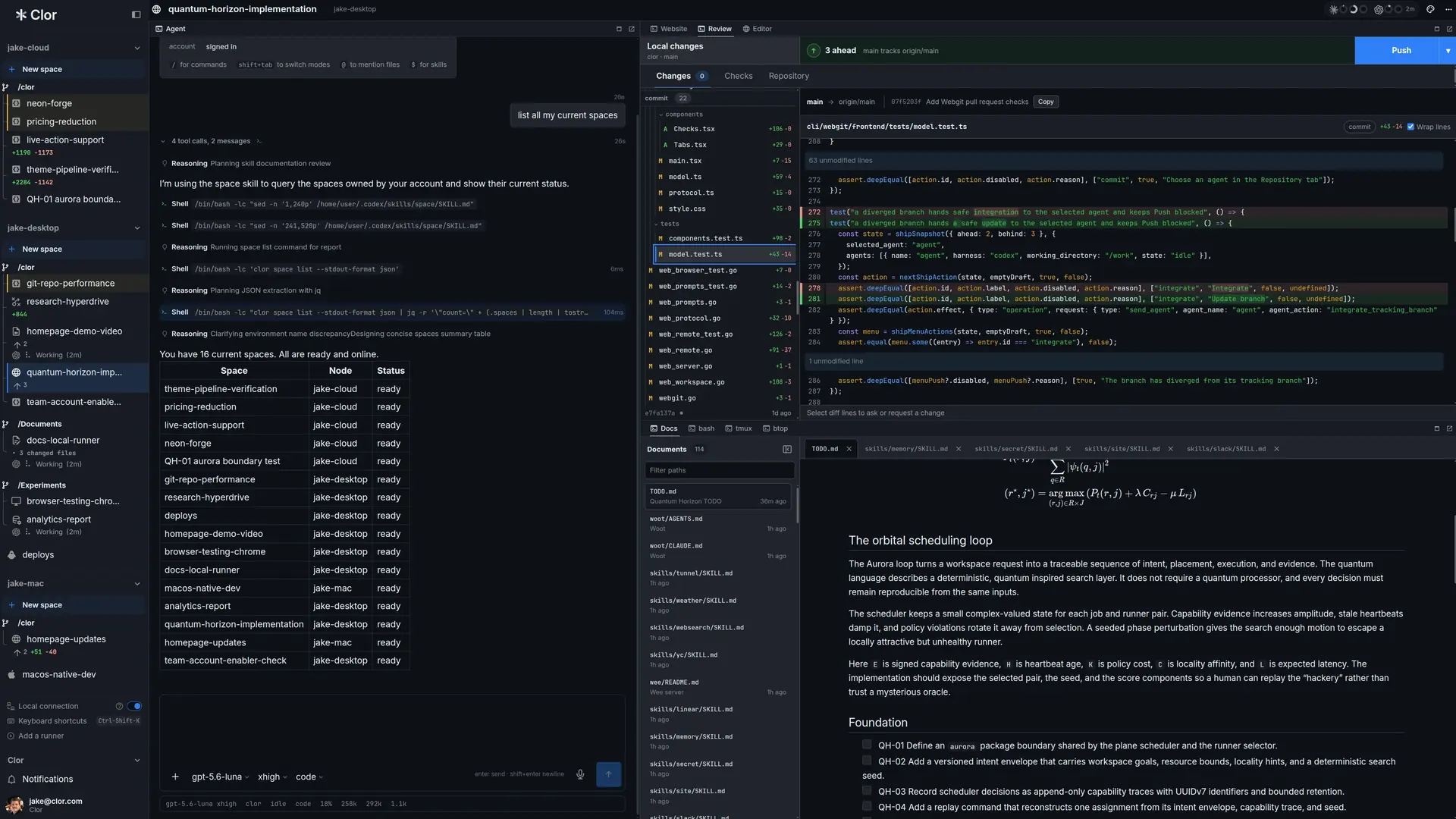
Small software teams are leveraging parallel AI coding agents to generate hundreds of daily commits, drastically outpacing historical productivity norms. This exponential surge in output means small groups of developers are now operating at the scale of much larger organizations. Consequently, they must navigate the same complex architectural and deployment challenges as tech giants like Uber.
Comments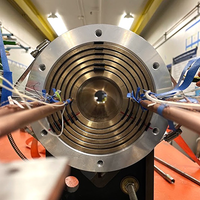
Researchers from the U.S. Magnet Development Program successfully tested a high-temperature superconducting dipole magnet that reached nearly 6 Tesla at 4.2 K, demonstrating that commercial high-temperature superconductors can push accelerator technology beyond current limits toward 8 to 10 Tesla. Despite minor issues with field quality, the team reports no performance degradation after thermal cycling and invites the physics community to adopt this emerging technology.
Comments