Programming Tech News
2026-08-16
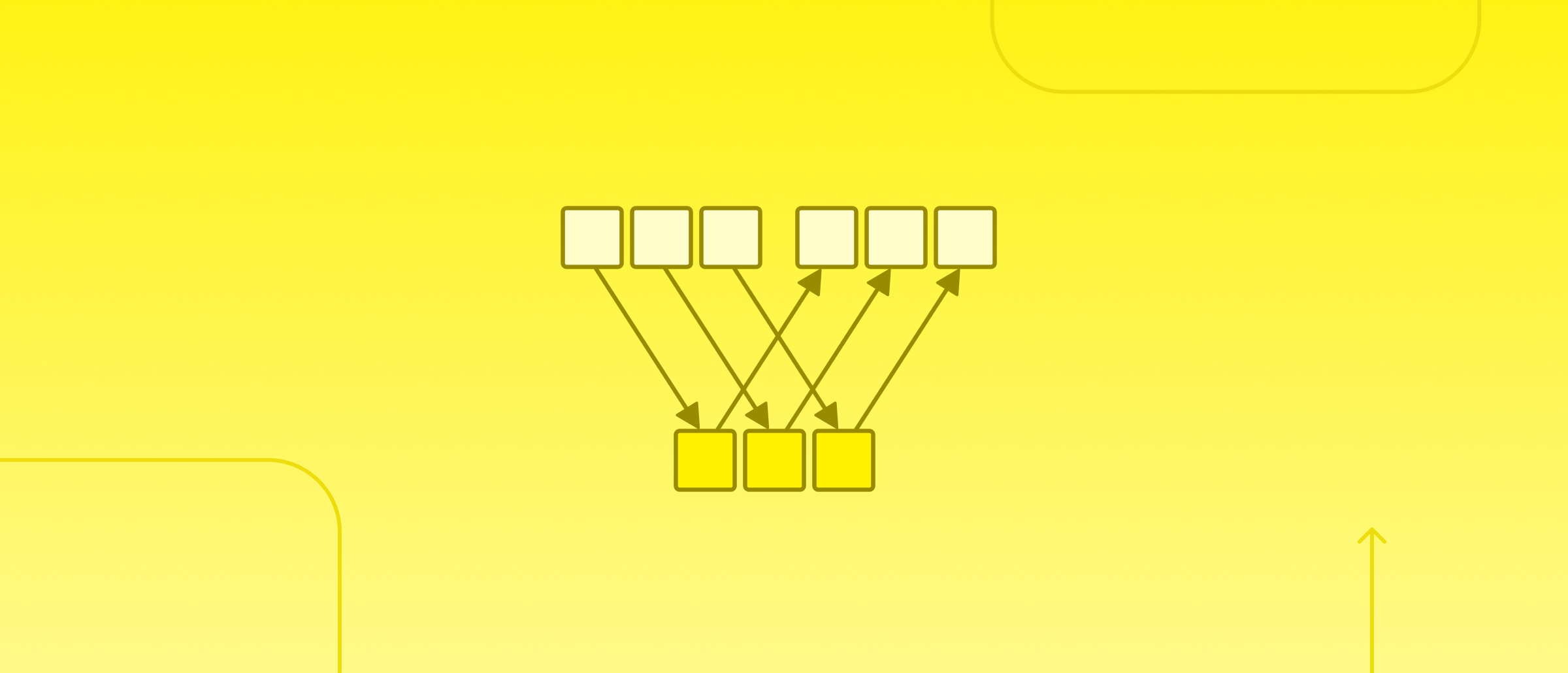
Scheduled for fall 2026, DuckDB version 2.0 will introduce asynchronous reads for Parquet and CSV files to significantly improve query performance. This enhancement specifically targets cloud compute-storage setups like EC2 and S3, where synchronous I/O often fails to saturate available network bandwidth.
Comments
Mic Drop is a new free, browser-based multiplayer karaoke game that allows two to eight players to sing together without needing an app or physical microphone. The web-based title serves as an accessible alternative to Grab the Mic. During gameplay, players receive a random word and must buzz in to sing a line from a real song containing it while friends vote on the performances.
Comments

RISC-V: They Should Have Known Better
2026-08-16Developer Dmitry Grinberg has published a detailed explanation of his distaste for the RISC-V instruction set architecture. In the piece, he outlines the specific technical reasons why he believes the open-standard design is fundamentally flawed and failed to learn from previous processors.
Comments
A newly launched native desktop app built with Rust and GPUI allows developers to manage multiple local coding agents within a single unified timeline. By supporting popular tools like Amp, Claude Code, and Cursor entirely on the user's machine, the application offers a fast and fully local development experience.
CommentsA developer shares their multi-year investigation into an elusive bug that caused Zsh to silently drop commands from its history file. The root cause was finally uncovered by patching the shell to crash loudly and analyzing the resulting core dump. This deep dive demonstrates the power of core dump analysis in tracking down stubborn software defects.
CommentsA recent article reflecting on a developer's ten-year journey as an indie software creator has sparked a discussion about the realities of building independent apps. Readers praised the author's entrepreneurial leap while emphasizing that true success takes years of hard work and painful production support. Fellow developers advised aspiring creators to carefully choose viable products, avoid getting bogged down in unnecessary details, and know when to abandon failing projects.
Comments
Amidst the overwhelming internet hype surrounding agentic AI, this article argues that the core identity of a software engineer should remain rooted in traditional skills. The author emphasizes that despite the constant noise about AI's future capabilities, foundational software engineering fundamentals are more critical than ever.
Comments
The Numba JIT compiler can now run entirely within the web browser via JupyterLite, unlocking a fully client-side scientific Python stack. This advancement enables developers to execute high-performance numerical computations directly in the browser without relying on traditional backend servers.
CommentsTess's Android Wayland Compositor
2026-08-16A developer has introduced Tess's Android Wayland Compositor, an open-source project designed to bring Wayland display server capabilities to the Android operating system. The repository is now available on GitHub, where the creator is actively inviting community contributions to help advance the software.
CommentsThe unpredictable nature of artificial intelligence is shifting software development from traditional coding to essential leadership skills. Developers must now prioritize providing clear context, direction, and iterative feedback to guide AI models, highlighting a fundamental evolution in how modern tech products are built.
Comments
A new arXiv paper details a validation-centric approach to using artificial intelligence for porting a 250,000-line legacy weather simulation code to GPUs. By focusing heavily on accuracy and verification, the researchers demonstrate how AI can effectively modernize massive and complex scientific codebases. This method provides a highly scalable framework for migrating critical legacy software to modern hardware architectures.
Comments
An image can overflow
2026-08-16A new web development article explores the counterintuitive CSS behavior where image elements can unexpectedly overflow their containers. Although images are typically considered simple replaced elements that cannot hold child content, specific styling scenarios can trigger this unusual overflow effect. Understanding this edge case helps developers avoid unexpected layout bugs in their web projects.
CommentsBig Pickle on SWE Atlas – Codebase QnA
2026-08-16OpenCode Zen's stealth model big-pickle has achieved a 50.8% score on Scale AI's SWE Atlas Codebase QnA benchmark. The developers have publicly released the full evaluation results, verifier logs, and reproduction configurations for independent review.
Comments2026-08-15

A developer recently shared how they leveraged Codex for automated research to optimize a computational kernel, achieving a remarkable 232x performance speedup. The article details the iterative process of refining AI prompts and learning to ask better questions, demonstrating the growing capability of code models to autonomously drive deep technical research.
Comments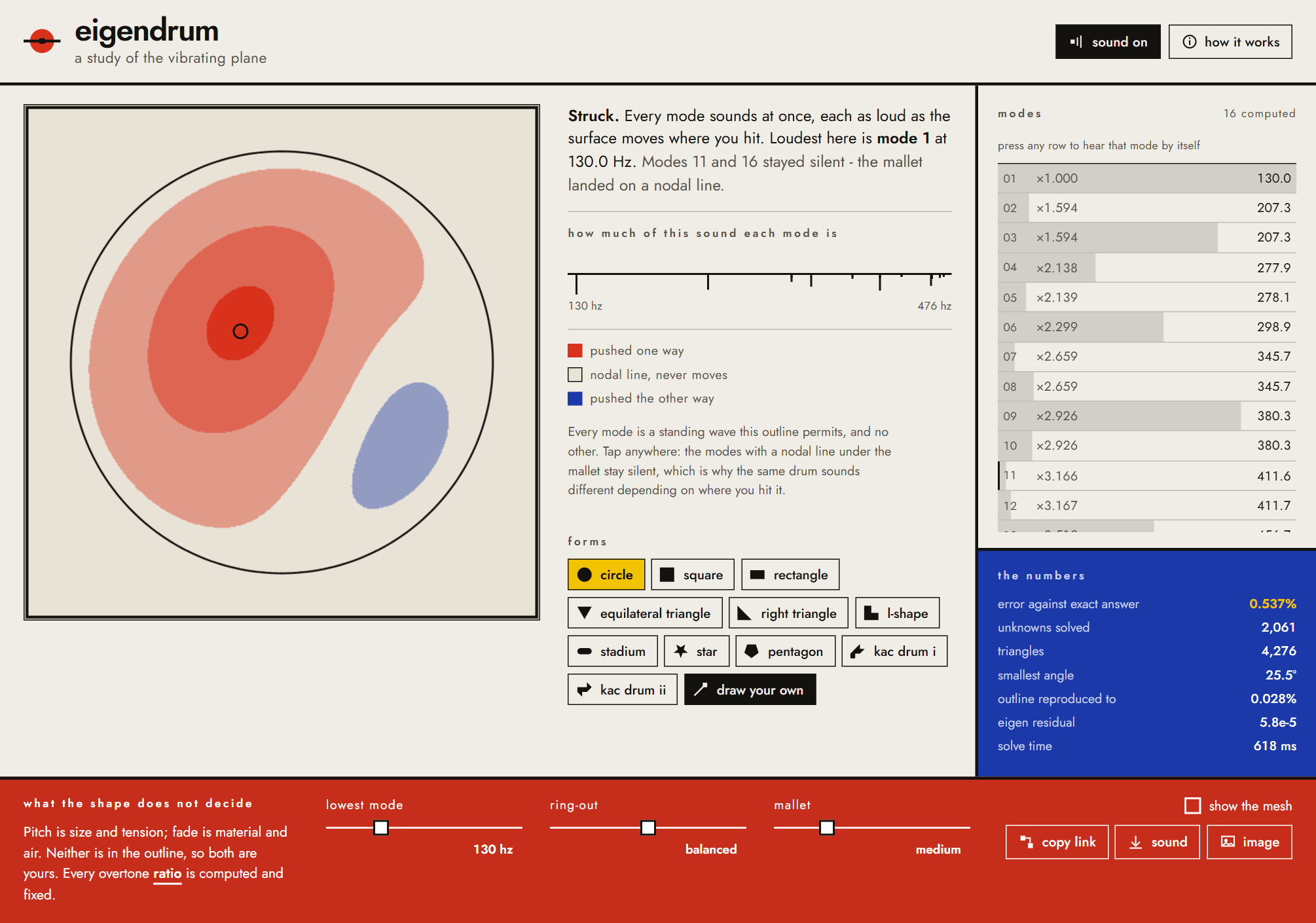
Eigendrum is a new interactive tool that allows users to draw custom shapes and instantly hear them played as drums. Rather than relying on pre-recorded audio samples, the application uses finite element analysis to calculate real vibration modes directly from the drawn outline.
CommentsThe integration of artificial intelligence is shifting software development from traditional coding to a leadership-focused role. Due to the unpredictable nature of AI, developers must now prioritize leadership skills such as providing context, clarity, and continuous feedback to guide their models effectively.
CommentsA recent exploration into hyperbezier curves highlights their mathematical elegance and practical utility in modern computer graphics. By extending traditional Bezier models, these advanced curves provide enhanced precision and flexibility for rendering complex shapes. This deep dive into their underlying algorithms offers valuable insights for developers working in computational geometry and design software.
CommentsRISC-V: They Should Have Known Better
2026-08-15The developer Dmitry GR details his strong criticisms of the RISC-V instruction set architecture in a newly published post. He explains the specific reasons behind his distaste for the open standard, arguing that its creators should have approached the project differently.
CommentsA recent developer discussion examines the practical applications and limitations of using GCC nested functions as a substitute for native lambdas in the C programming language. While nested functions conveniently capture parent scope variables without requiring manual context structures, they traditionally rely on executable stack trampolines and lack the inline expression syntax of true lambdas. Consequently, programmers debate the readability trade-offs between using named nested functions and anonymous lambdas when managing complex callback chains.
Comments
A spectre is haunting Unicode
2026-08-15A new project called Dampfkraft, described as a collection of beautiful chaos, is reportedly causing unexpected disruptions within the Unicode standard. This emerging issue has been described as a spectre haunting the widely used character encoding system. The situation highlights the ongoing technical challenges developers face when managing unconventional character sets in modern text processing.
Comments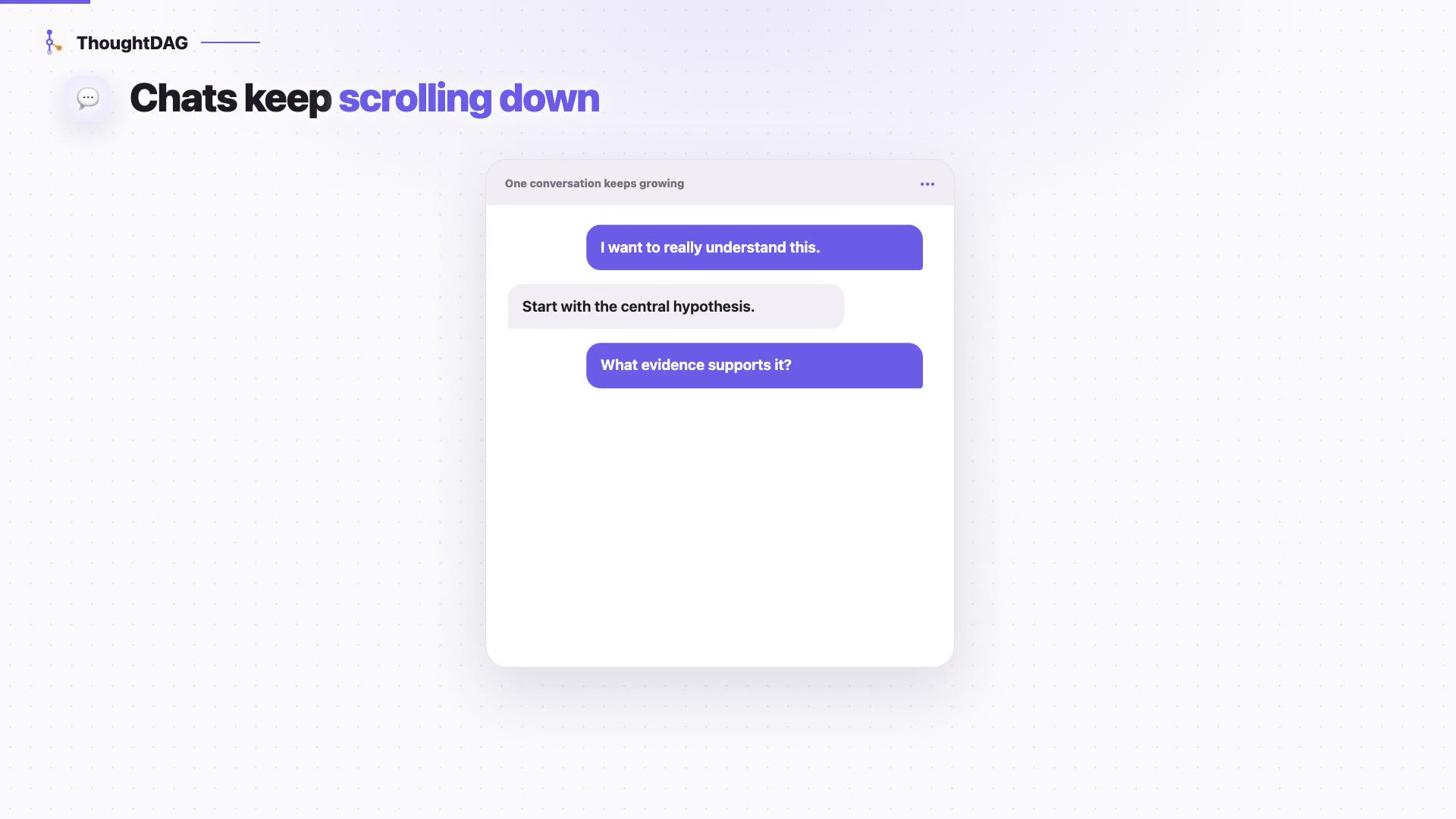
ThoughtDAG is a new open-source, local-first canvas that allows users to visually manage and edit the context sent to large language models. By representing conversation threads as interactive graphs, users can easily branch, prune, and merge prompts to inspect and control exactly what the AI sees.
CommentsRacket v9.3
2026-08-15The Racket programming language team has officially released version 9.3, which is now available for download. A notable addition in this update is the ability for the raco setup command to generate markdown documentation.
CommentsA new paper introduces a state-of-the-art method for line art vectorization that models strokes as Bézier curves and utilizes 2D Gaussian splatting for fast, differentiable rendering. By leveraging depth prediction and semantic feature extraction, the technique accurately captures artistic intent, supports video vectorization, and allows for seamless user corrections.
CommentsRISC-V: They should have known better
2026-08-15Developer Dmitry.GR has published a detailed critique explaining his strong distaste for the RISC-V instruction set architecture. The post outlines his specific technical grievances and argues that the creators of the open-standard design should have recognized and avoided its inherent flaws.
CommentsYadda 3.0.0: BDD in the Age of AI Agents
2026-08-15Yadda 3.0.0 has been released to modernize the JavaScript BDD library. The update was largely built by the AI coding assistant Claude Code. This milestone highlights the growing importance of executable specifications in a development landscape increasingly driven by autonomous AI agents.
Comments2026-08-14
Bluesky Protocol Services
2026-08-14Bluesky has launched Bluesky Protocol Services as a new centralized hub for its open network infrastructure. The update introduces Jetstream v2 with network replay capabilities, alongside new developer tools including a Jetstream SDK and a lex-based TypeScript SDK.
CommentsDeepSeek Harness developer preview
2026-08-14DeepSeek has launched the developer preview of DeepSeek Harness, releasing its source code alongside the framework for global developers. The platform features a modular, plugin-based architecture that allows users to easily swap and recompose individual agent capabilities.
Comments
Choose Boring Technology (2015)
2026-08-14The 2015 piece "Choose Boring Technology" advocates for selecting mature, well-understood tools for core infrastructure rather than chasing the latest industry hype. By relying on predictable systems, engineering teams can focus their innovation efforts on features that directly differentiate their product. This pragmatic approach ultimately reduces maintenance overhead and minimizes the risk of unexpected technical failures.
Comments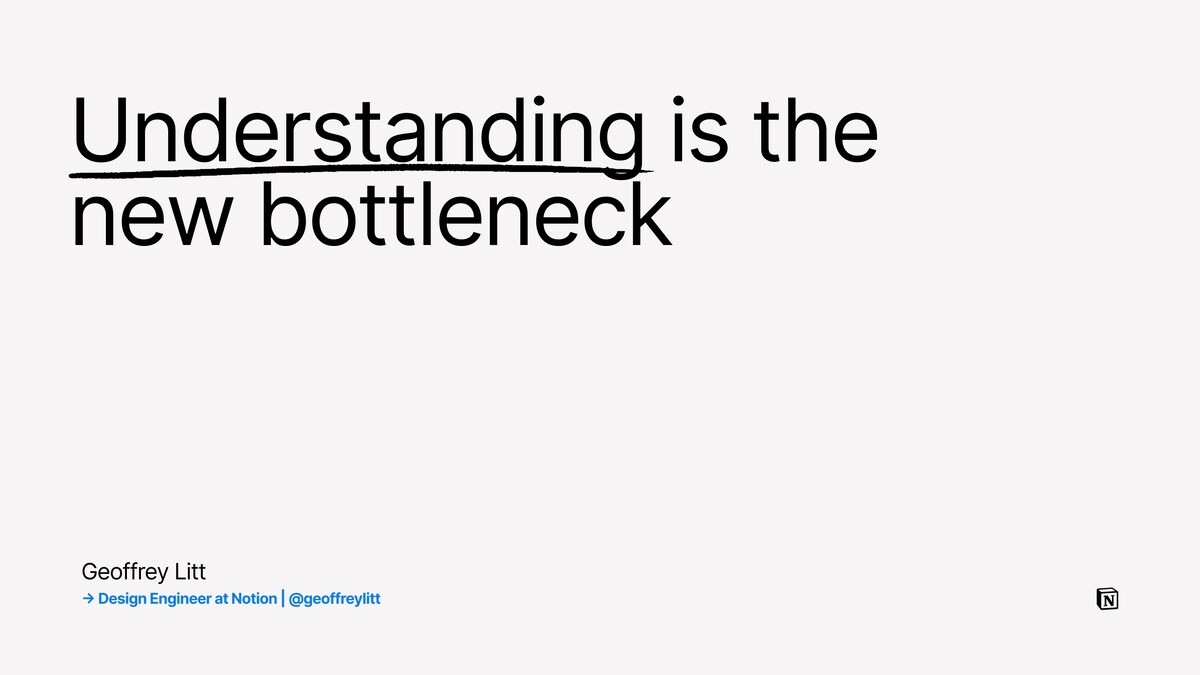
Understanding is the new bottleneck
2026-08-14As AI agents write code faster than humans can absorb it, comprehension has emerged as the primary bottleneck in modern software development. To maintain essential human understanding despite this rapid generation, developers are adopting new techniques like explainer docs, quizzes, and shared collaborative spaces.
CommentsCelebrating the 45th anniversary of the IBM PC, the classic 131-line game Donkey.bas is now available to play directly in your web browser. Originally co-created by Bill Gates and Neil Konzen, the nostalgic title offers a playable glimpse into early personal computing history.
Comments