Programming Tech News
2026-08-15

A developer recently shared how they leveraged Codex for automated research to optimize a computational kernel, achieving a remarkable 232x performance speedup. The article details the iterative process of refining AI prompts and learning to ask better questions, demonstrating the growing capability of code models to autonomously drive deep technical research.
Comments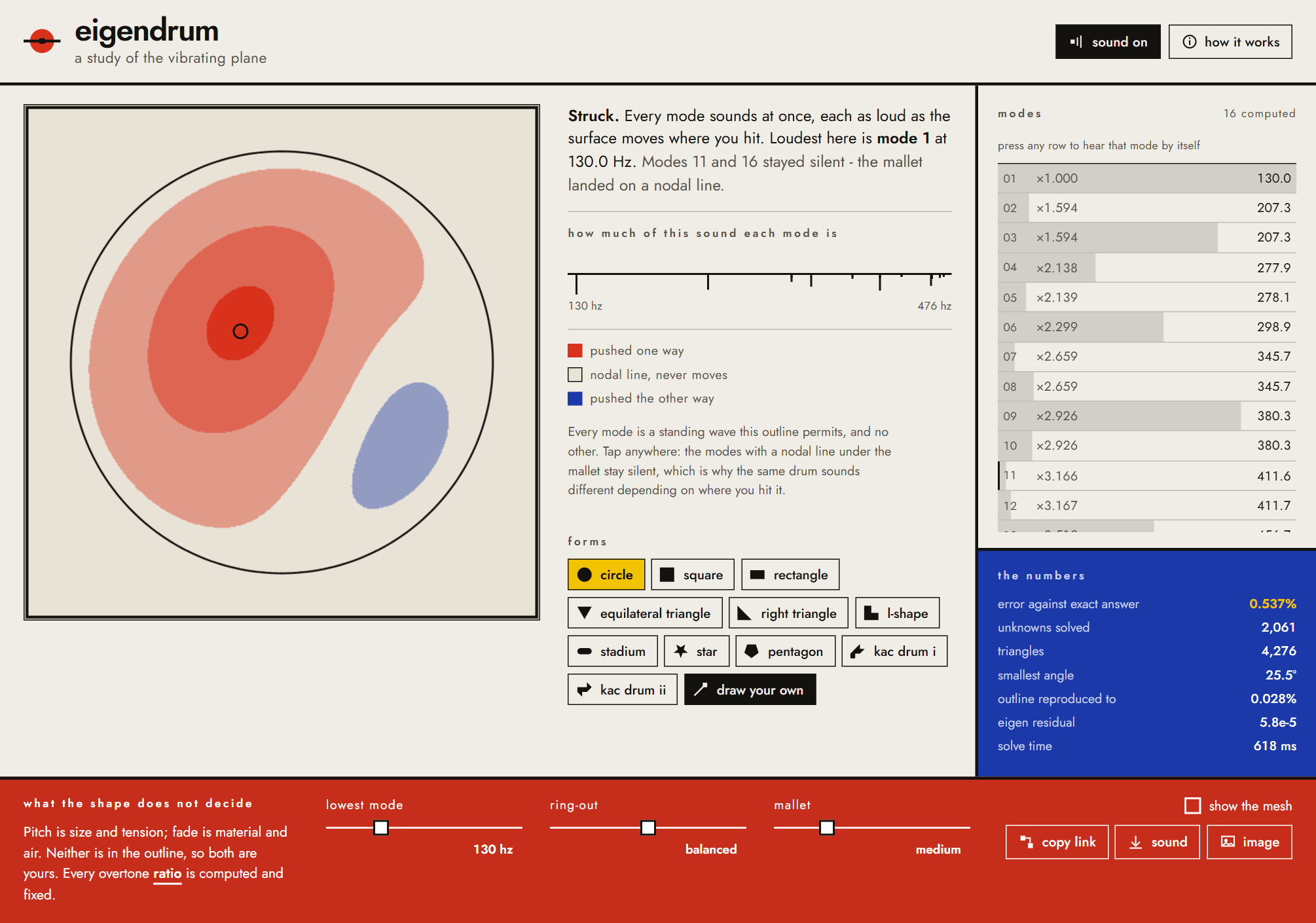
Eigendrum is a new interactive tool that allows users to draw custom shapes and instantly hear them played as drums. Rather than relying on pre-recorded audio samples, the application uses finite element analysis to calculate real vibration modes directly from the drawn outline.
Comments
The integration of artificial intelligence is shifting software development from traditional coding to a leadership-focused role. Due to the unpredictable nature of AI, developers must now prioritize leadership skills such as providing context, clarity, and continuous feedback to guide their models effectively.
CommentsA recent exploration into hyperbezier curves highlights their mathematical elegance and practical utility in modern computer graphics. By extending traditional Bezier models, these advanced curves provide enhanced precision and flexibility for rendering complex shapes. This deep dive into their underlying algorithms offers valuable insights for developers working in computational geometry and design software.
Comments
RISC-V: They Should Have Known Better
2026-08-15The developer Dmitry GR details his strong criticisms of the RISC-V instruction set architecture in a newly published post. He explains the specific reasons behind his distaste for the open standard, arguing that its creators should have approached the project differently.
CommentsA recent developer discussion examines the practical applications and limitations of using GCC nested functions as a substitute for native lambdas in the C programming language. While nested functions conveniently capture parent scope variables without requiring manual context structures, they traditionally rely on executable stack trampolines and lack the inline expression syntax of true lambdas. Consequently, programmers debate the readability trade-offs between using named nested functions and anonymous lambdas when managing complex callback chains.
Comments
A spectre is haunting Unicode
2026-08-15A new project called Dampfkraft, described as a collection of beautiful chaos, is reportedly causing unexpected disruptions within the Unicode standard. This emerging issue has been described as a spectre haunting the widely used character encoding system. The situation highlights the ongoing technical challenges developers face when managing unconventional character sets in modern text processing.
Comments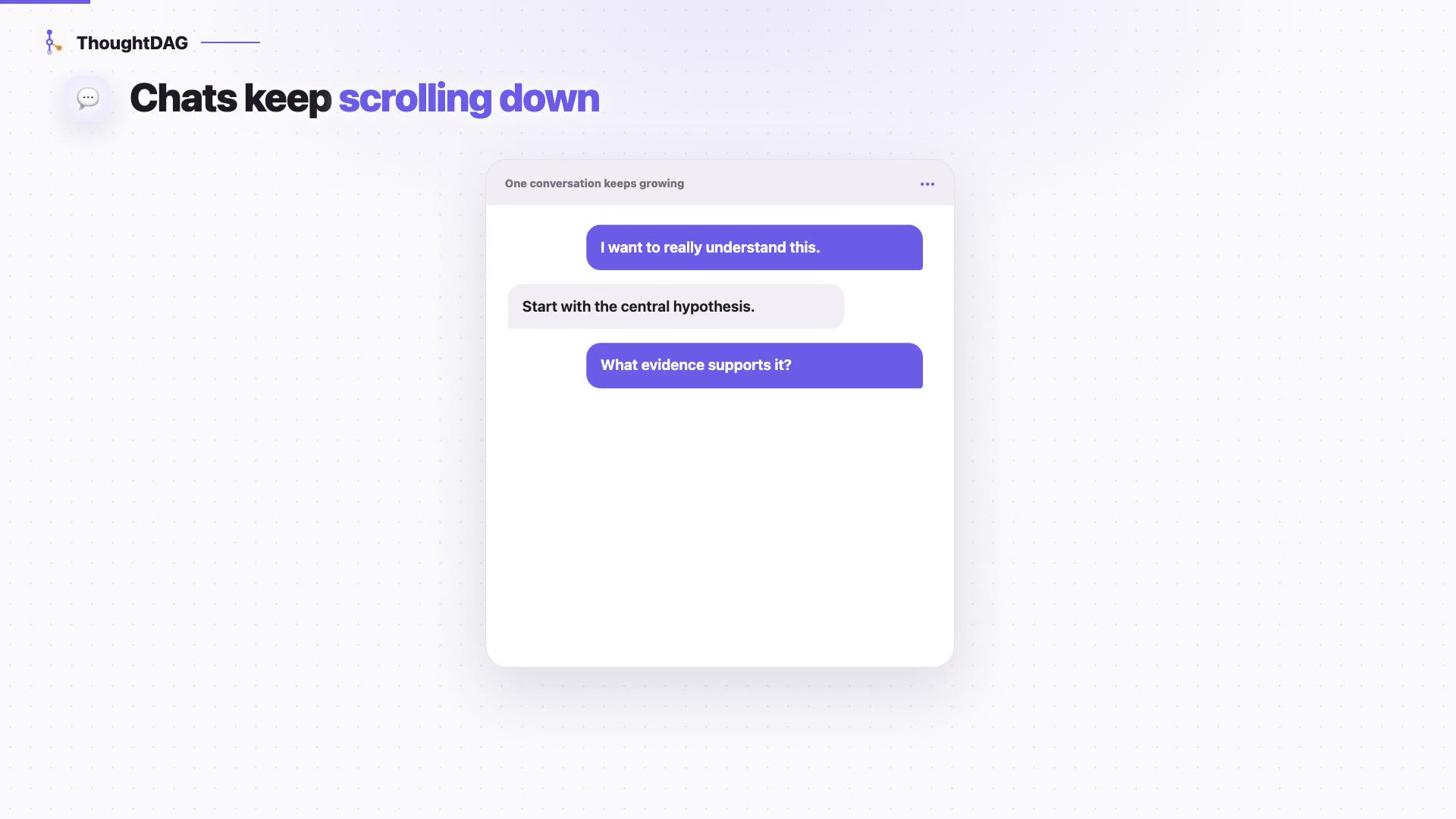
ThoughtDAG is a new open-source, local-first canvas that allows users to visually manage and edit the context sent to large language models. By representing conversation threads as interactive graphs, users can easily branch, prune, and merge prompts to inspect and control exactly what the AI sees.
CommentsRacket v9.3
2026-08-15The Racket programming language team has officially released version 9.3, which is now available for download. A notable addition in this update is the ability for the raco setup command to generate markdown documentation.
CommentsA new paper introduces a state-of-the-art method for line art vectorization that models strokes as Bézier curves and utilizes 2D Gaussian splatting for fast, differentiable rendering. By leveraging depth prediction and semantic feature extraction, the technique accurately captures artistic intent, supports video vectorization, and allows for seamless user corrections.
CommentsRISC-V: They should have known better
2026-08-15Developer Dmitry.GR has published a detailed critique explaining his strong distaste for the RISC-V instruction set architecture. The post outlines his specific technical grievances and argues that the creators of the open-standard design should have recognized and avoided its inherent flaws.
CommentsYadda 3.0.0: BDD in the Age of AI Agents
2026-08-15Yadda 3.0.0 has been released to modernize the JavaScript BDD library. The update was largely built by the AI coding assistant Claude Code. This milestone highlights the growing importance of executable specifications in a development landscape increasingly driven by autonomous AI agents.
Comments2026-08-14
Bluesky Protocol Services
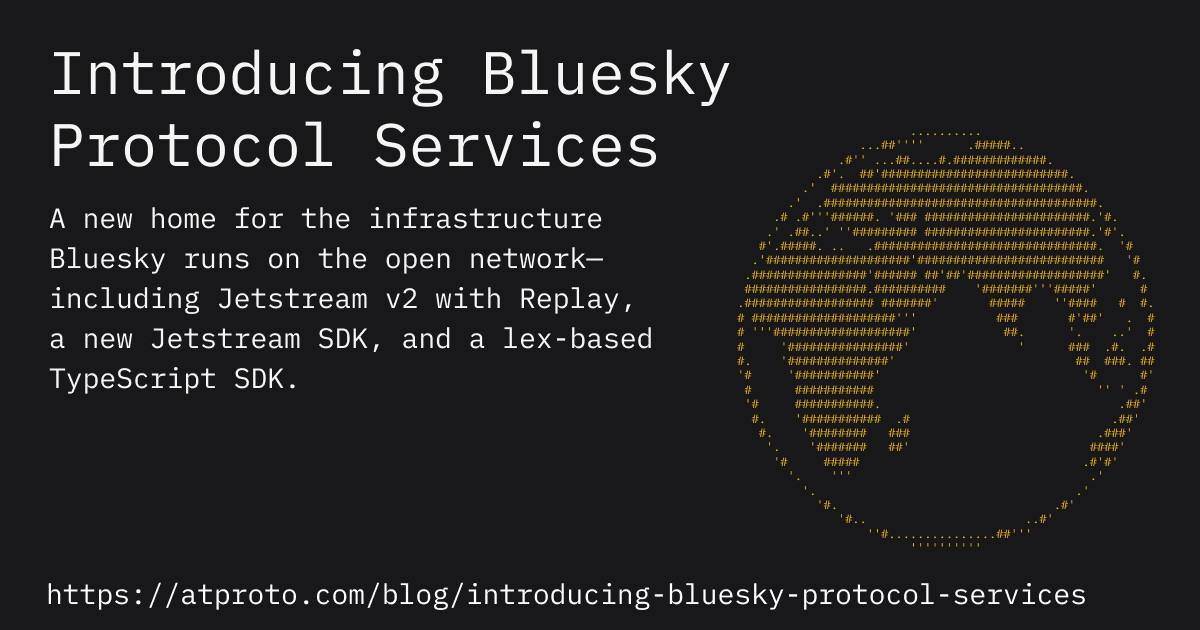
2026-08-14Bluesky has launched Bluesky Protocol Services as a new centralized hub for its open network infrastructure. The update introduces Jetstream v2 with network replay capabilities, alongside new developer tools including a Jetstream SDK and a lex-based TypeScript SDK.
CommentsDeepSeek Harness developer preview
2026-08-14DeepSeek has launched the developer preview of DeepSeek Harness, releasing its source code alongside the framework for global developers. The platform features a modular, plugin-based architecture that allows users to easily swap and recompose individual agent capabilities.
Comments
Choose Boring Technology (2015)
2026-08-14The 2015 piece "Choose Boring Technology" advocates for selecting mature, well-understood tools for core infrastructure rather than chasing the latest industry hype. By relying on predictable systems, engineering teams can focus their innovation efforts on features that directly differentiate their product. This pragmatic approach ultimately reduces maintenance overhead and minimizes the risk of unexpected technical failures.
Comments
Understanding is the new bottleneck
2026-08-14As AI agents write code faster than humans can absorb it, comprehension has emerged as the primary bottleneck in modern software development. To maintain essential human understanding despite this rapid generation, developers are adopting new techniques like explainer docs, quizzes, and shared collaborative spaces.
CommentsCelebrating the 45th anniversary of the IBM PC, the classic 131-line game Donkey.bas is now available to play directly in your web browser. Originally co-created by Bill Gates and Neil Konzen, the nostalgic title offers a playable glimpse into early personal computing history.
CommentsFinite State Machines in Forth (1994)
2026-08-14A resurfaced 1994 article discusses the implementation of finite state machines using the Forth programming language. Reader reactions to the historical piece are filled with nostalgia, with one commenter recalling their undergraduate education under instructor Julian Noble. The brief discussion highlights the lasting educational impact of classic programming literature.
CommentsA lingering ambiguity in the C89 programming language standard will never be officially resolved because the legacy specification is effectively frozen. Consequently, the standards committee will not alter the original text, forcing developers to continue working around this permanent quirk in their codebases.
CommentsI want extern "fil-C"
2026-08-14A new integration method called Fil-C allows developers to safely call legacy C code from Rust by compiling it with built-in runtime checks. This approach imposes a deliberate performance penalty on unoptimized legacy code, incentivizing engineers to eventually rewrite performance-critical hot paths in native Rust.
Comments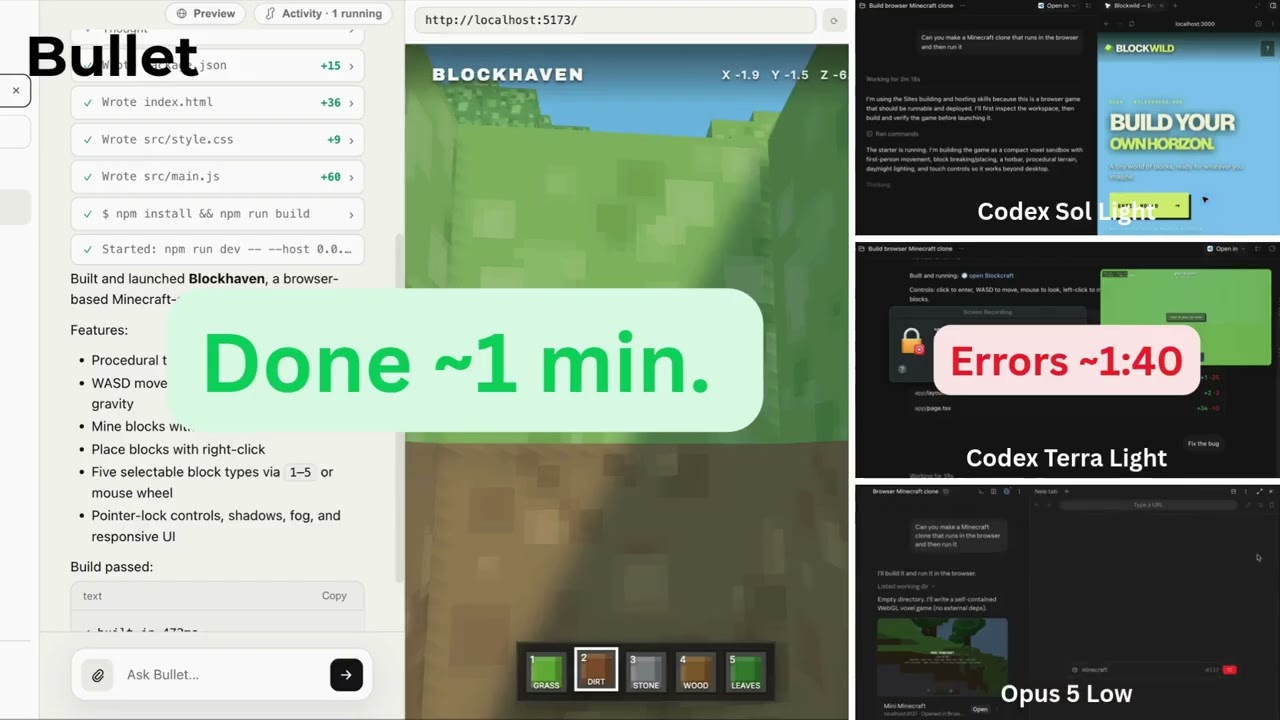
Y Combinator S26 startup Bullet has launched on Hacker News as a high-speed coding agent for developers. The tool differentiates itself from existing solutions by utilizing a leaner orchestration layer to deliver significantly faster performance.
Comments
Oxide has tailored its Kubernetes integrations to directly address the specific operational needs and feedback of its customers. This user-driven development approach ensures their cloud infrastructure is optimized to support real-world container orchestration workloads.
Comments2026-08-13
Tailscale and SQLite developers traced persistent database corruption to a 16-year-old WAL-Reset data race bug within the SQLite engine. The collaborative investigation into the issue also led to the discovery of a secondary bug involving a stale expression index.
CommentsThis blog post explores the strategic advantages of using Common Lisp as a target language for code generation. It highlights how the language's functional programming features and robust ecosystem benefit developers working within the broader Lisp and Scheme communities.
CommentsBuild Wide, Ship Narrow
2026-08-13The Build Wide, Ship Narrow methodology allows engineers to build large features and seamlessly split them into smaller pull requests without needing to plan boundaries upfront. Previously, breaking down finished code was too costly, forcing teams to define these limits before writing. Today, the effort required to divide branches has collapsed, enabling the code itself to dictate where it should be cut for review.
CommentsTim King, AmigaDOS developer, has died
2026-08-13Tim King, the pioneering developer behind AmigaDOS and founder of Perihelion Software, has passed away, prompting the tech community to reflect on his foundational contributions to the Amiga ecosystem and early ISP networking solutions. Many developers credit his innovative work, including the Helios operating system and command-line interfaces, as a crucial gateway to their careers in modern computing and Linux environments.
Comments
Traditional single-page applications rely on complex JavaScript frameworks and JSON APIs, but a new approach simplifies development by using HTML over WebSockets. By rendering views on the server and pushing updates directly to the browser, developers can build highly interactive, real-time applications with minimal client-side JavaScript and significantly reduced frontend complexity.
Comments
Ballet is a new workflow automation tool designed to accelerate system integrations by bypassing traditional engineering bottlenecks. Users simply describe their desired outcome, and the platform automatically builds, runs, and maintains the necessary API connections. This allows businesses to quickly connect systems and keep growth initiatives moving forward.
Comments
What's New in Flutter 3.47
2026-08-13The latest Flutter 3.47 release focuses on modularity by introducing standalone UI packages for more flexible development. It also brings the Impeller rendering engine to desktop platforms, enhancing overall application performance.
Comments