Programming Tech News
2026-06-30

A developer inspecting Claude Code for privacy reasons discovered that the tool secretly embeds hidden steganographic markers within its system prompts. These undisclosed tags are dynamically generated based on the API base URL and timezone, raising concerns about hidden tracking in AI coding assistants.
Comments
Claude Sonnet 5
2026-06-30Claude Sonnet 5 has been released as the most agentic model in the Sonnet lineup to date. The new iteration delivers top-tier intelligence specifically optimized for complex coding tasks and everyday professional workflows. This launch significantly advances autonomous capabilities for developers and everyday users alike.
Comments
Leanstral 1.5
2026-06-30Leanstral 1.5 is an updated AI model optimized for Lean 4 formal proof engineering, automated theorem proving, and autoformalization. The system efficiently handles complex mathematical tasks by utilizing 6.5 billion active parameters out of a total of 119 billion.
CommentsA developer has built a millimeter-wave radar system capable of classifying building materials, offering a potential non-destructive method for detecting hazardous substances like asbestos concealed within walls. By penetrating surfaces to identify hidden materials, the device eliminates the need for destructive physical testing. This innovation has sparked broader community interest in mmWave radar, highlighting its diverse applications ranging from DIY home presence detection to advanced imaging and airport security scanning.
CommentsKnoppix
2026-06-30Readers are sharing fond memories of the Knoppix Linux Live CD, recalling the pioneering distribution as a vital gateway into open-source operating systems during their youth. Many users relied on the bootable disc to safely explore programming and system tinkering without the risk of damaging their family's Windows partitions, highlighting its lasting impact on a generation of early tech enthusiasts.
CommentsMemory Safe Context Switching
2026-06-30A recent discussion on memory-safe context switching explores the inherent safety risks and stack corruption vulnerabilities of using setjmp and longjmp in C. To overcome the language's rigid pointer model and enable safe stack relocation, developers propose workarounds like copying stack frames or strictly restoring continuations to their original memory addresses. The conversation also highlights a trend toward bypassing heavy system calls like ucontext in favor of highly optimized, custom assembly-based fiber libraries for more efficient context switching.
Comments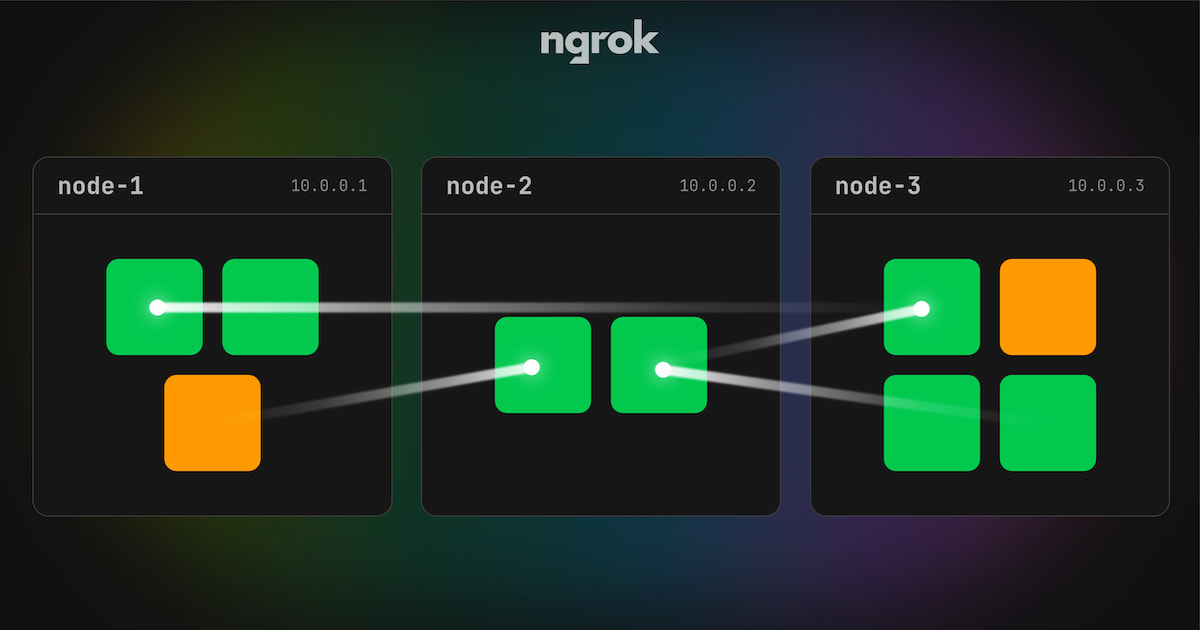
I ported Kubernetes to the browser
2026-06-30A developer has successfully ported Kubernetes to run entirely within a web browser. This ambitious project was completed in just two months, utilizing large language models to generate nearly 100,000 lines of high-quality code.
CommentsLinux for the Sega MegaDrive
2026-06-30Developers have created an open-source port of the Linux operating system for the classic 16-bit Sega MegaDrive console. The new project is called LinuxMD and brings modern open-source software to retro gaming hardware. Enthusiasts and programmers can contribute to its ongoing development by visiting the repository on GitHub.
CommentsExploring PDP-1 Lisp (1960)
2026-06-30A newly published guide explores the foundational history of computer science by detailing the implementation of Lisp on the PDP-1. The tutorial provides a hands-on, practical introduction to programming in this classic language. Readers can follow the instructions to experience the unique computing environment of 1960.
CommentsThe programming language Ante introduces a novel approach to memory management by blending borrow checking with reference counting to safely allow shared mutability in single-threaded contexts. By enforcing shape stability and strict thread-safety constraints, the language aims to prevent data races and use-after-free errors without relying on exclusive ownership rules. Community discussions highlight potential tradeoffs such as lost compiler optimizations, challenges with recursive analysis, and concerns about its practical utility with complex data structures.
Comments
Stroustrup's Rule (2024)
2026-06-30Bjarne Stroustrup's updated rule for 2024 addresses a core challenge in programming language design regarding the differing needs of novice and expert developers. While beginners require explicit and readable syntax to understand code logic, experienced professionals prefer concise syntax to maximize their workflow efficiency.
Comments2026-06-29

The Qwen 3.6 27B model is emerging as the ideal choice for local software development due to its strong coding capabilities. Developers can now run this highly capable AI efficiently on consumer hardware like MacBooks and NVIDIA RTX GPUs using tools such as llama.cpp and OpenCode.
Comments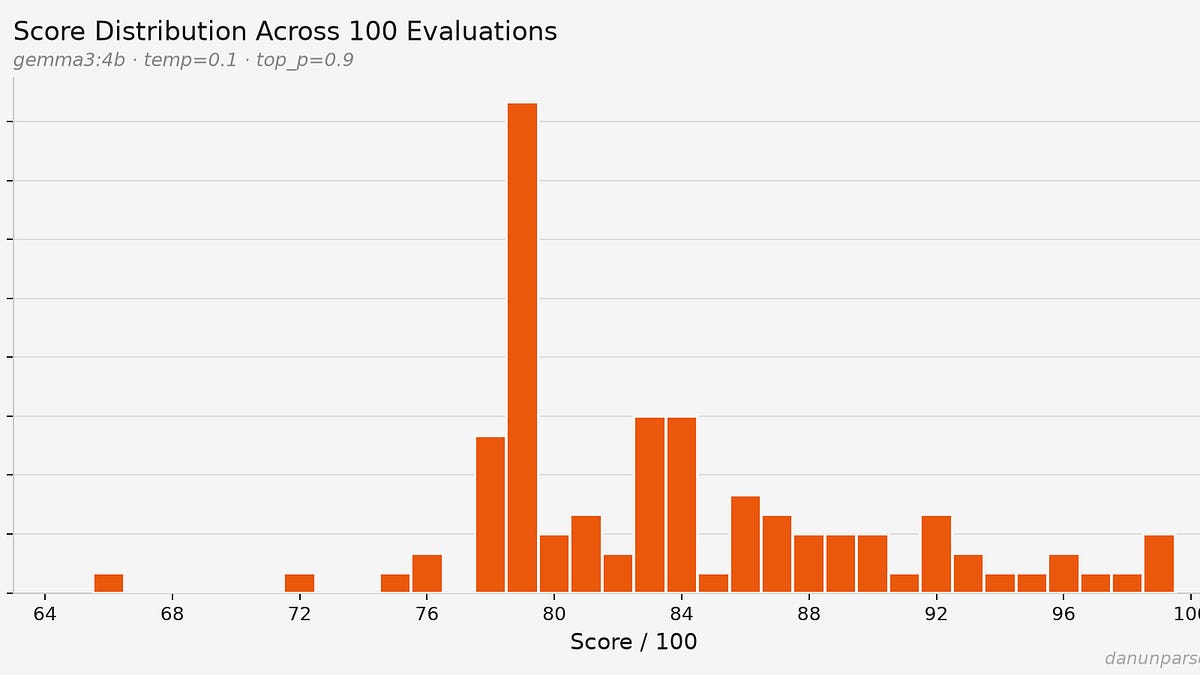
HackerRank recently open-sourced its Applicant Tracking System, but a recent test revealed significant flaws in its scoring reliability. After running the exact same resume through the system 100 times, the author received a completely different score on every single attempt. The article delves into the technical reasons behind this highly inconsistent evaluation process.
CommentsDeepreinforce AI has introduced Ornith-1.0, a new open-source model built specifically for agentic coding. This innovative system features self-improving capabilities designed to continuously enhance its autonomous programming skills. Developers can now access the repository on GitHub to contribute to its ongoing development.
Comments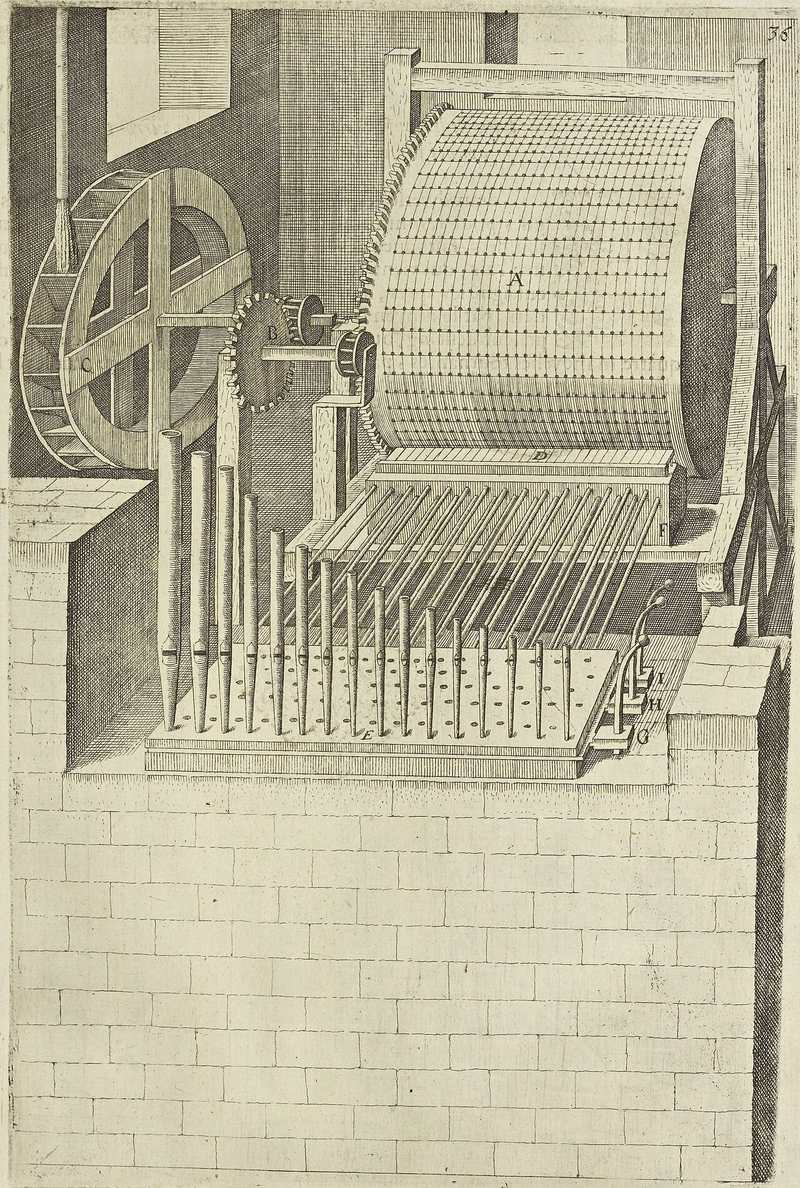
What happens when you run a CUDA kernel?
2026-06-29This article provides a deep dive into the execution pipeline of a CUDA kernel by tracing a simple vector-add operation. It details the code's journey from the initial nvcc compilation stage down to the hardware warps that ultimately execute the instructions.
Comments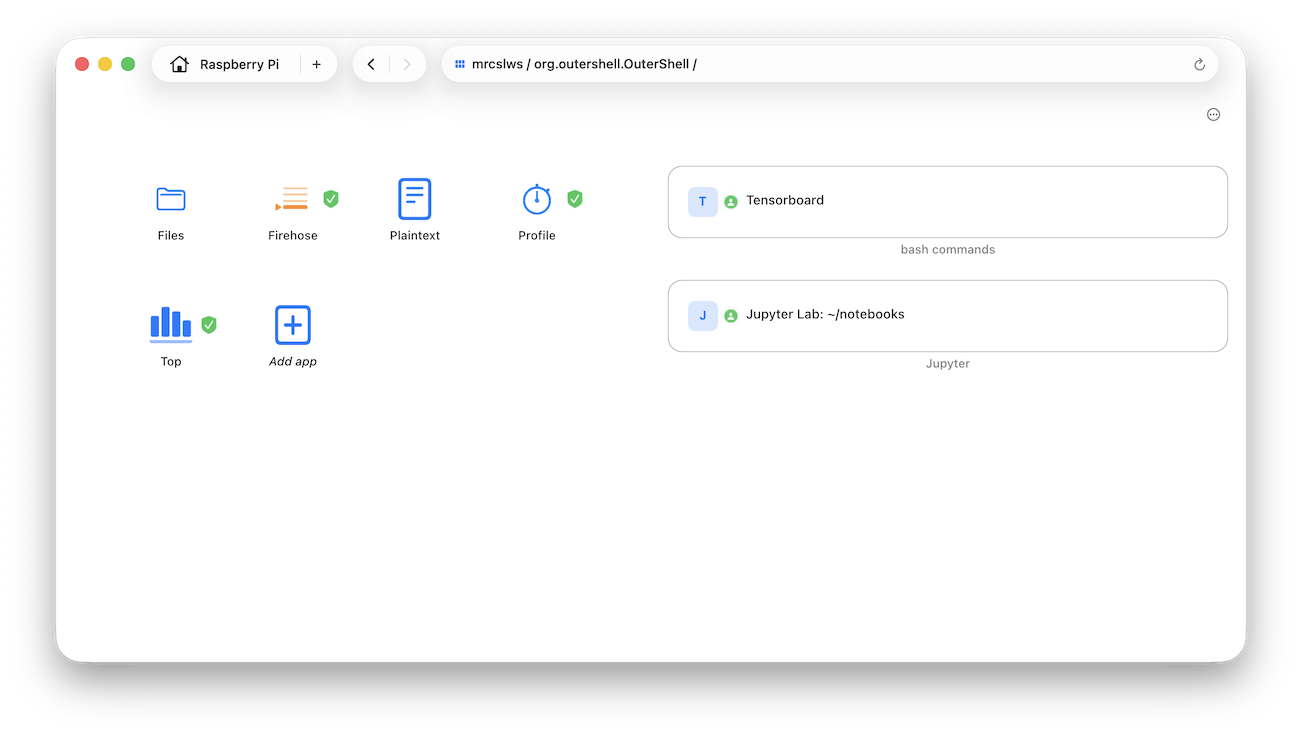
A native graphical shell for SSH
2026-06-29Marcus Lewis has introduced a native graphical shell for SSH that provides a visual alternative to the traditional command-line interface. This new tool aims to streamline remote server management and enhance the overall experience for developers handling secure connections.
Comments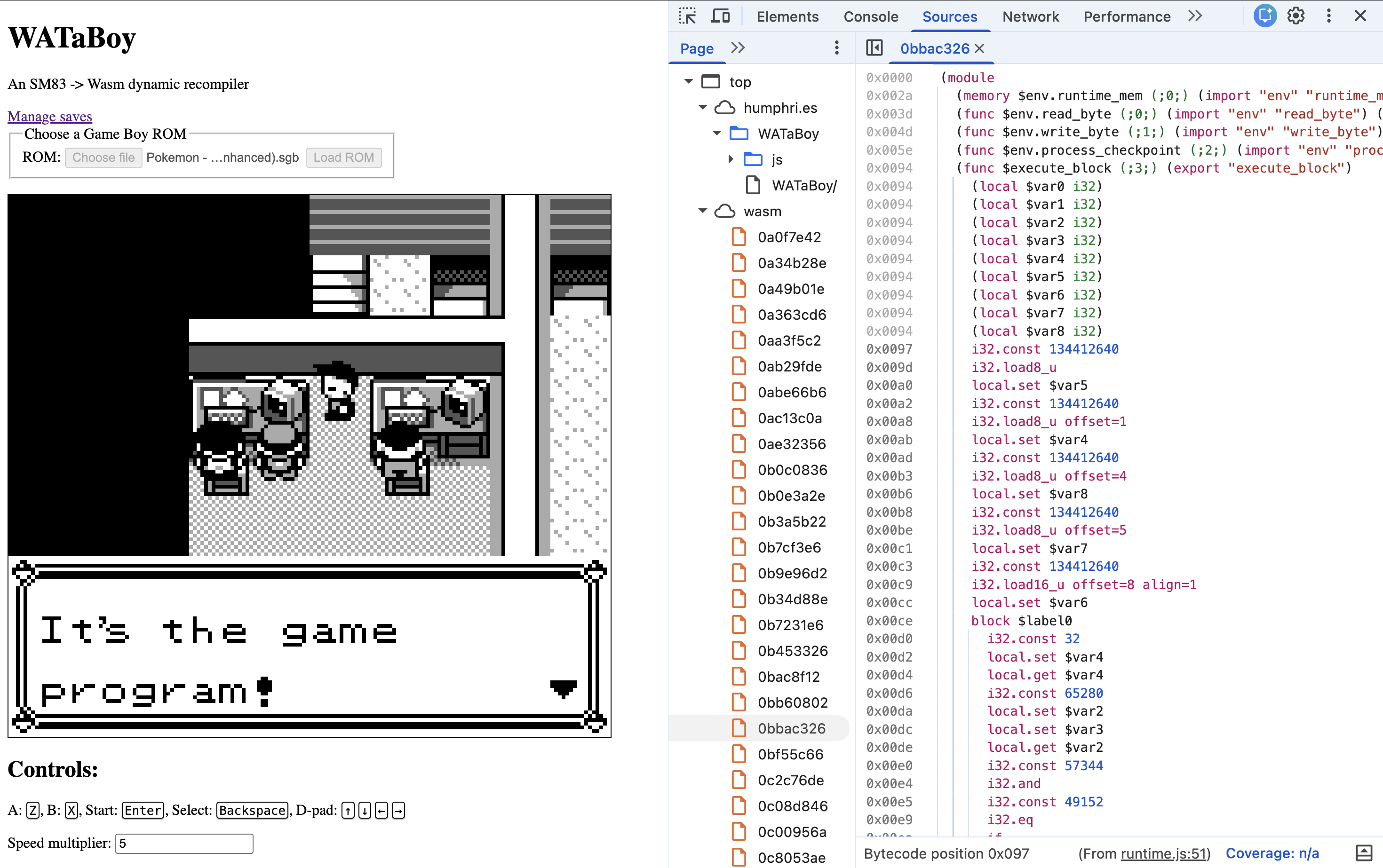
The WATaBoy emulator outperforms traditional native interpreters by dynamically recompiling Game Boy SM83 instructions into WebAssembly. This innovative technique effectively enables JIT-like execution on iOS, bypassing platform restrictions to deliver highly efficient emulation speeds.
Comments
A newly published arXiv paper provides an in-depth technical analysis of Apple's proprietary Neural Engine, detailing its underlying architecture, programming interfaces, and performance benchmarks. The study offers a comprehensive breakdown of the machine learning hardware found in Apple's custom silicon, providing valuable insights for developers and AI researchers.
CommentsWorking With AI: A concrete example
2026-06-29Carson Gross explores the practical realities of using artificial intelligence for software development by detailing a specific bug fix in the hyperscript library. He examines exactly where the technology succeeded and where it failed during the debugging process. Ultimately, the essay demonstrates why keeping a knowledgeable human in the loop remains crucial for managing code complexity.
Comments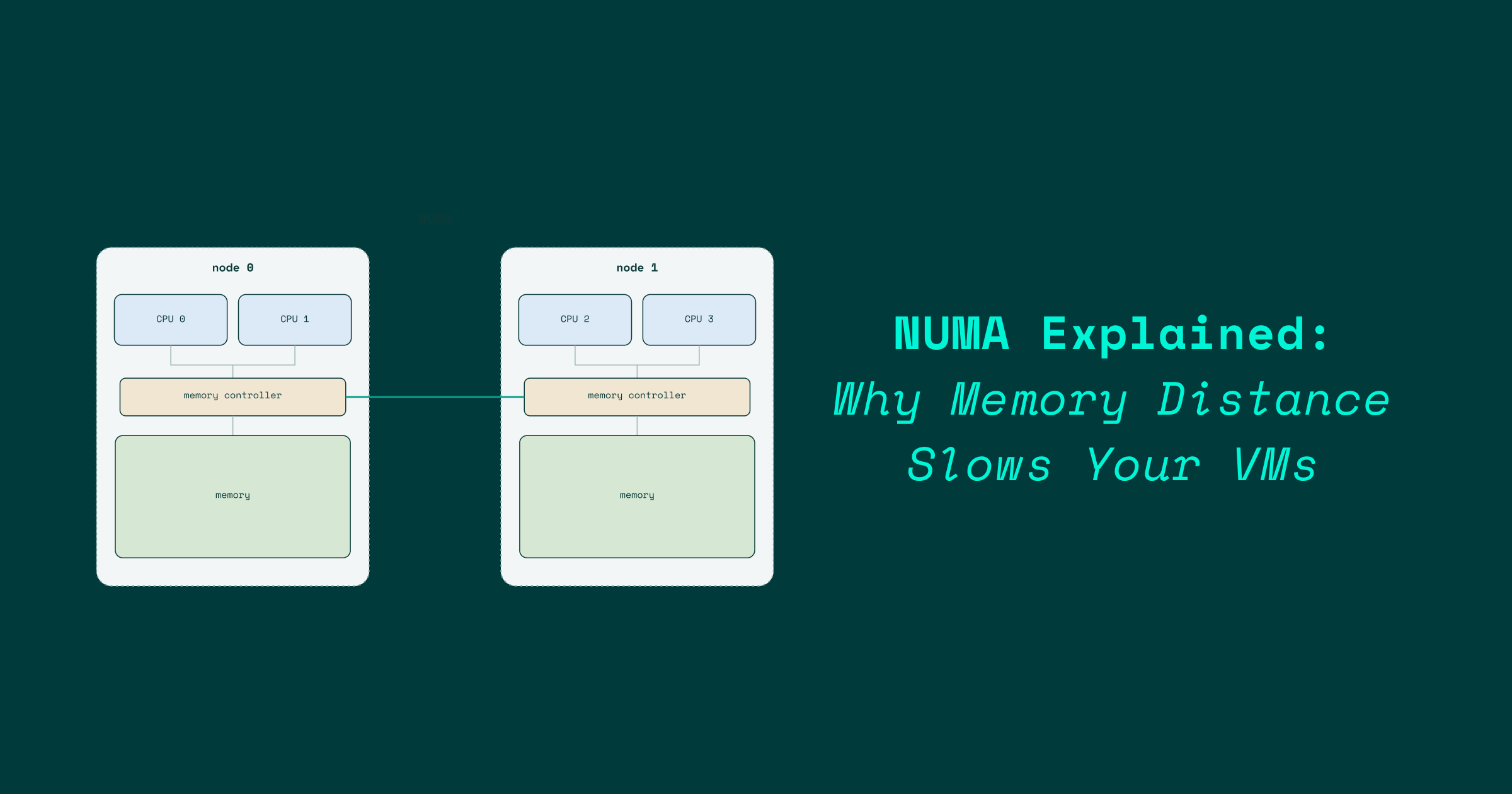
A recent analysis explores how Non-Uniform Memory Access topology impacts performance in Xen-based virtualization, revealing that the physical distance between processor cores and memory can cause identical virtual machines to perform up to 20% differently. This highlights the hidden computational costs and optimization challenges system administrators must navigate in modern server architectures.
Comments
Deciphering basmala
2026-06-29Mark Dominus explores the process of deciphering the Basmala in a recent post on his eclectic blog. The article delves into the specific linguistic and analytical challenges involved in decoding the traditional phrase.
Comments2026-06-28
Users have submitted an open feature request for OpenAI Codex to prevent the AI agent from reading or transmitting sensitive files to the model. The proposed solution involves implementing both repository and global level ignore files to explicitly block confidential data. This issue remains unresolved as developers seek stricter data privacy controls for the coding assistant.
Comments
Show HN: Zanagrams
2026-06-28Featured on Hacker News, Zanagrams is a new free daily word puzzle where players drag across letters to find hidden words. The game features a dynamically shrinking grid that reduces in size as you successfully solve it. A fresh puzzle is released every day for fans of the genre to tackle.
CommentsLibrepods: AirPods liberated
2026-06-28A new open-source GitHub project named Librepods aims to free Apple AirPods from Apple's closed ecosystem. By inviting community developer contributions, the initiative seeks to enhance the earbuds' compatibility and functionality for use with non-Apple devices. This effort provides users with greater control and customization over their audio hardware.
Comments
Despite recent claims that the AI industry is moving past the obsession with massive context windows, the practice of tokenmaxxing remains highly relevant. Developers continue to push the boundaries of large language model token limits, proving that reports of this trend's death are greatly exaggerated.
CommentsThe Boeing 747 begins its final descent
2026-06-28As the Boeing 747 begins its final descent, discussions highlight the aircraft's technical evolution, particularly the massive C++ rewrite of the 747-8's Flight Management Software. These engineering efforts also expose Boeing's deteriorating corporate culture, revealing an environment where executives ruthlessly prioritized deadlines over employee well-being and depleted the engineering talent that later contributed to the 737 MAX crisis.
CommentsAMD Strix Halo RDMA Cluster Setup Guide
2026-06-28A new GitHub repository provides a setup guide for configuring an RDMA cluster using AMD's Strix Halo hardware to optimize vLLM toolboxes. Developers interested in high-performance AI inference are encouraged to visit the repository and contribute to its ongoing development.
Comments
Decomp Academy is a free, interactive platform that teaches developers how to decompile retro GameCube and Game Boy Advance games into byte-matching C code. The lessons guide students through translating original assembly and feature real-time grading directly from the authentic compilers.
CommentsA newly released anniversary edition of the MUMPS 76 Primer offers a faithful implementation of the original 1976 MUMPS programming standard. The updated documentation also integrates DEC MUMPS-11 extensions to provide developers with a comprehensive reference for the legacy language.
Comments
A new analysis explores which regular expression features maintain consistent compatibility across all programming environments. The findings reveal that very few regex capabilities work truly everywhere. Ultimately, developers must either severely limit their feature set or relax their strict definition of universal support to ensure cross-platform functionality.
Comments