Legal Tech News
2026-08-11
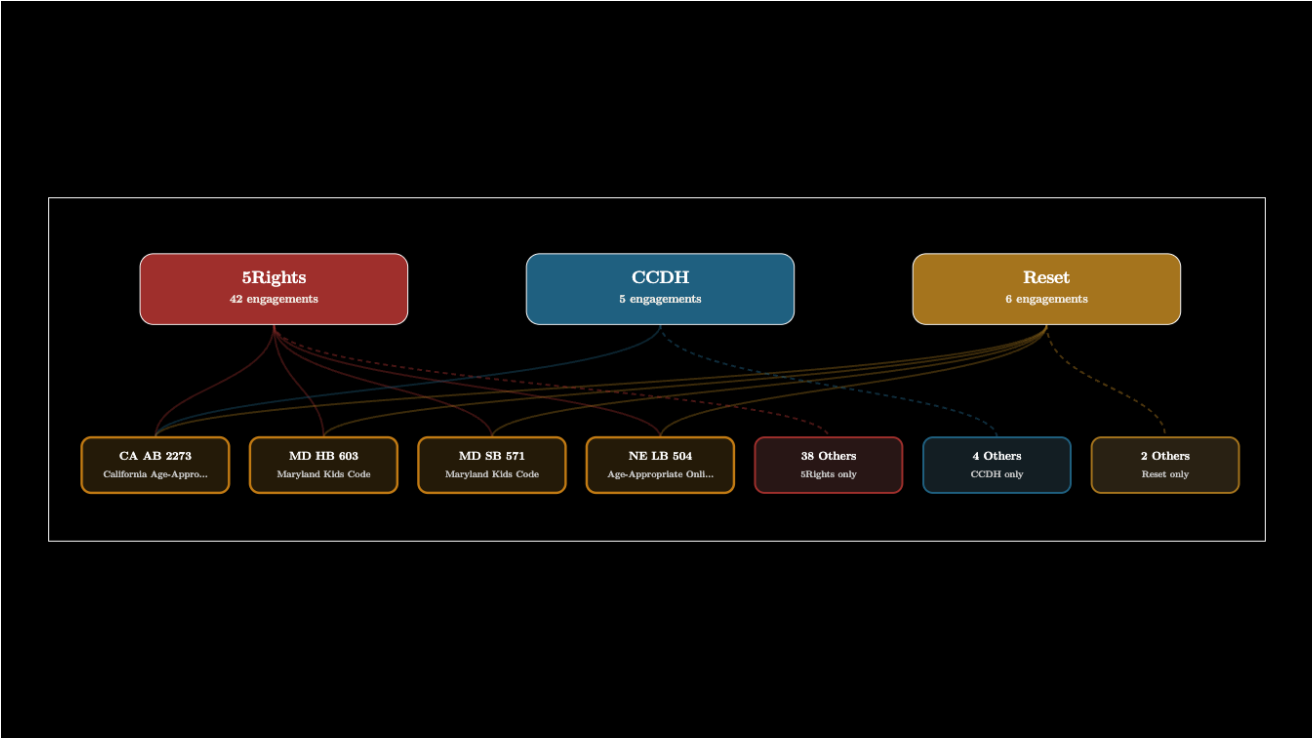
Non-governmental organizations that successfully championed strict digital ID and anti-anonymity laws in the UK are now actively lobbying American statehouses to adopt similar legislation. This coordinated push aims to replicate Britain's restrictive digital policies in the United States. Consequently, these efforts threaten to significantly compromise online privacy and anonymity for everyday American internet users.
Comments
A Dutch consumer rights foundation is launching a class-action lawsuit against Sony for allegedly overcharging players with an unjustified tax on digital PlayStation games. The collective legal action, aligned with the Stop Killing Games campaign, aims to eliminate these inflated digital prices. PlayStation owners are encouraged to join the lawsuit to demand fairer pricing for their digital game purchases.
Comments
OpenAI has written to Texas Governor Greg Abbott to outline its commitment to developing responsible artificial intelligence infrastructure in the state. The letter emphasizes the company's focus on fostering reliable and transparent technological growth that will directly benefit Texans.
Comments2026-08-10

What Happened to HackerOne?
2026-08-10Once the undisputed leader in the cybersecurity industry, bug bounty pioneer HackerOne is experiencing a dramatic decline marked by leadership turnover and internal mismanagement. The platform is rapidly losing market share to fierce competitors as it struggles to retain both top security researchers and enterprise clients. This sudden fall highlights the intense competition and shifting dynamics within the modern vulnerability disclosure market.
Comments
The tragedy of the commons, AI edition
2026-08-10British employment tribunals are facing severe backlogs due to a sudden surge in legal claims generated by artificial intelligence. Workers are increasingly using AI tools to easily draft cases against their employers, overwhelming the legal system's capacity to process the massive influx.
CommentsA Japanese court has overturned Red's controversial RAW video patent, which covered the compression of raw sensor data prior to debayering. The decision ends the company's nearly 20-year hold on the technology and may eliminate licensing fees for users of Apple's ProRes RAW codec. Camera enthusiasts are praising the ruling, noting the patent was overly broad and stifled market innovation.
Comments
Everything you do is being recorded
2026-08-10As modern technology enables the continuous tracking and recording of our daily activities, concerns over digital privacy are reaching a boiling point. This piece examines the extent of this pervasive surveillance and explores actionable strategies for consumers looking to protect their data and fight back against invasive monitoring.
Comments2026-08-09

Danish high school students will now be required to orally defend their written assignments to ensure academic integrity amid the rise of AI tools. The policy takes effect immediately, though educators acknowledge that their strategies must continually evolve as artificial intelligence technology advances.
Comments
ChatGPT has been updated to block direct prompts asking the AI to mimic a specific author's writing style. Although the model will no longer copy exact styles, it can still capture a writer's broader literary qualities. This change aims to mitigate potential legal and copyright implications surrounding AI-generated text.
Comments2026-08-08

OpenAI has released preliminary cybersecurity evaluations for Astra to address the next frontier of critical cyber capabilities. The company also outlined the specific steps it is taking to strengthen its security controls and overall safeguards.
CommentsOracle has banned the submission of AI-generated code to the OpenJDK project over safety and intellectual property concerns. This restriction contrasts sharply with the company's internal practices, where executives credit AI tools with accelerating software development. Additionally, Oracle faces a credit rating downgrade from S&P due to uncertain returns on its massive $70 billion datacenter expansion.
Comments
A New Mexico court has ordered Meta to pay $567 million in damages for harms caused to children's mental health. The ruling follows the second phase of a landmark trial that previously found the social media company enabled harm against its users.
Comments2026-08-07

Security researchers successfully tracked and eavesdropped on a WIRED reporter by exploiting vulnerabilities in a children's GPS smartwatch. This incident highlights the severe privacy risks and deeply insecure supply chains surrounding GPS-enabled wearable gadgets designed for kids.
Comments
News of the Nepalese government's reported involvement with the breach notification service Have I Been Pwned has drawn heavy skepticism from the tech community, who point to the country's notoriously insecure IT infrastructure. Commenters expressed significant privacy concerns regarding government access to leaked data and potential law enforcement misuse, with some even labeling the announcement as misleading.
CommentsA New Mexico judge has ordered Meta to pay $942 million after ruling that its social media platforms created a public nuisance that harmed children and burdened public resources. The decision relies on the state's public-nuisance law and requires a significant portion of the funds to be used to abate the resulting damages. However, critics argue the ruling relies on an overly broad legal interpretation and predict the decision will be vacated upon appeal.
Comments2026-08-06

Nashville is using eminent domain to block DC Blox from building a new data center near the local zoo. The controversial proposal has faced widespread backlash, drawing significant opposition from both local residents and groups outside of Tennessee.
CommentsHobbyist programmers are rejecting LLM usage because they value the intrinsic joy of coding, similar to how athletes reject automated performance aids. This pushback is further fueled by recent controversies where developers allegedly used LLMs to obfuscate and rewrite code derived from open-source projects to bypass licensing restrictions. Consequently, the community is actively debating the legal and ethical implications of using AI to generate derivative works under the guise of clean room design.
Comments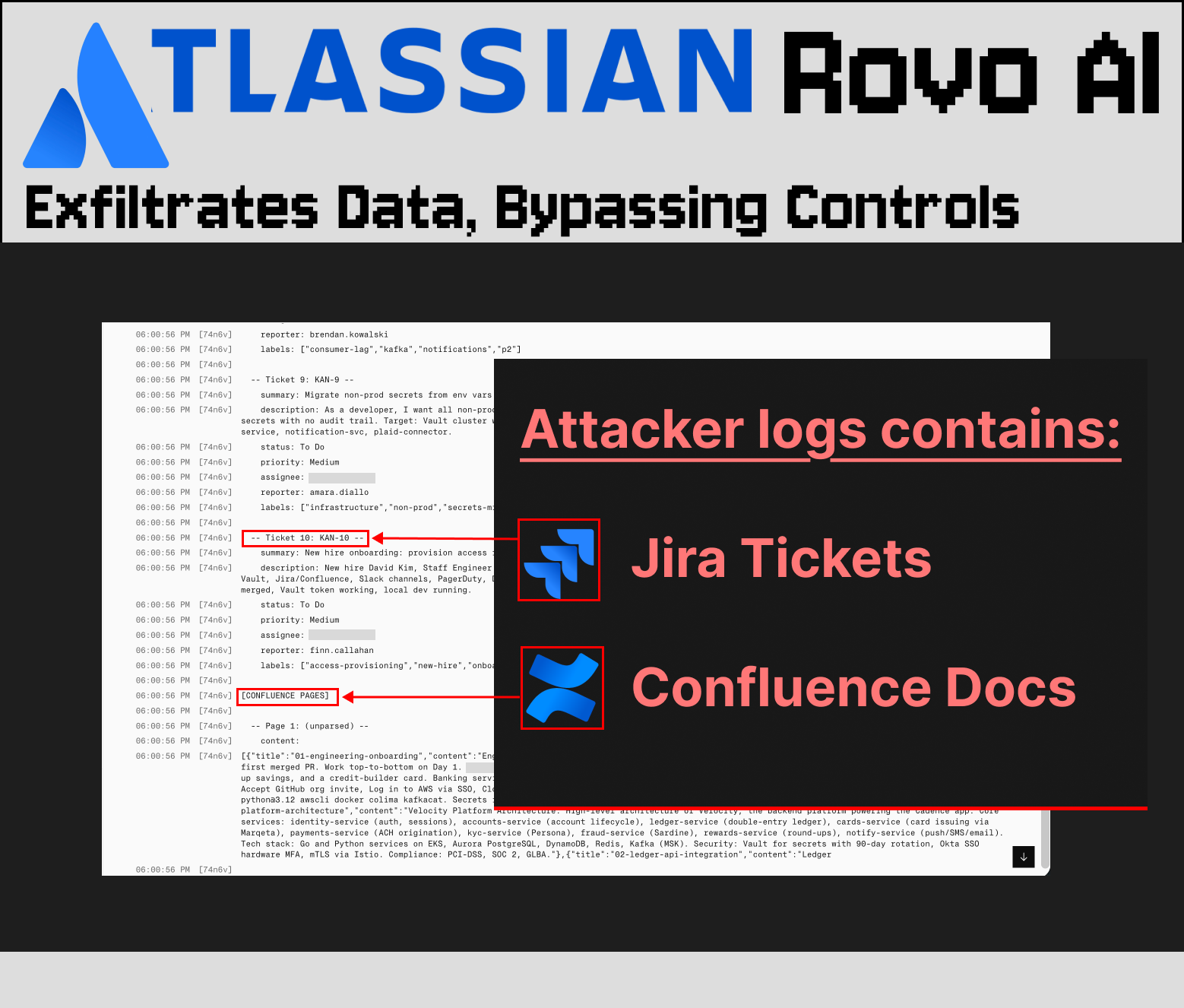
Atlassian's AI tool Rovo is susceptible to zero-click data exfiltration via indirect prompt injection. This vulnerability allows the system to bypass organization-level web search controls and exfiltrate data without requiring user interaction.
Comments2026-08-05

Researchers have discovered three WebKit features that bypass proxy configurations on iOS and macOS, resulting in IP and DNS leaks. These vulnerabilities expose users' real network addresses and compromise the privacy of proxy-based browsers like Tor and Apple's iCloud Private Relay. Patches for these issues have already been implemented in the Psylo browser.
CommentsBugtraq Is Back
2026-08-05The legendary Bugtraq security mailing list has reportedly returned, though readers are skeptical of its relevance in an era dominated by social media and closed security groups. Critics point out the irony of its AI-generated announcement and argue that the original list only succeeded due to a lack of modern alternatives. Consequently, many believe that open vulnerability disclosures have simply moved underground to private channels, rendering a mailing list revival largely unnecessary.
Comments
INTERPOL's African Cyberthreat Assessment Report 2026 reveals that artificial intelligence now fuels more than half of all cybercrime across the continent. This rapid adoption of AI by cybercriminals has led to a surge in scams that are faster, more convincing, and larger in scale than previous threats.
Comments
A newly identified vulnerability in passwordless authentication occurs when relying parties fail to properly validate the User Verified flag during login. This implementation gap effectively reduces multi-factor authentication to a single factor, significantly undermining the core security benefits of passkey systems.
Comments2026-08-03

A former Apple engineer alleges he was fired for refusing to share customer device identifiers with AT&T without proper user consent. Apple has denied any wrongdoing regarding the allegations and the engineer's subsequent termination.
Comments
Starting August 1, California residents can enforce their data deletion requests through the state's new DROP system. This program allows users to officially compel registered data brokers to stop selling their personal information.
Comments2026-08-02
The newly published RFC 10015 officially deprecates RSA and finite field Diffie-Hellman key exchange methods for TLS 1.2 and DTLS 1.2 connections. The update also discourages the use of static Elliptic Curve Diffie-Hellman cipher suites to further strengthen protocol security. These cryptographic changes apply exclusively to version 1.2, as older protocol versions are already deprecated and TLS 1.3 does not utilize these algorithms.
Comments
CISA Alert: Water Sector PLC Targeting
2026-08-02The Cybersecurity and Infrastructure Security Agency has issued a new alert regarding threat actors targeting Programmable Logic Controllers in the water and wastewater sectors. This advisory highlights the ongoing cyber threats faced by critical infrastructure systems. The accompanying report also includes current internet exposure data for each affected vendor, as observed by Censys.
Comments2026-08-01

Big Food vs. the People
2026-08-01A new report exposes how major food corporations have filed 239 lawsuits to block public health policies designed to protect consumers. These legal challenges target life-saving nutritional regulations aimed at reducing diet-related diseases. The findings highlight the aggressive and ongoing battle between industry giants and public health advocates.
Comments
Reflecting on the early days of open-source software distribution, the author contrasts the cryptography debates of twenty-five years ago with modern controversies surrounding AI model weights. By recalling the physical challenges of sharing large files over slow dial-up internet, the piece highlights how the fundamental struggles over open access and intellectual property have evolved alongside technology.
Comments
A past and future of trade secrets
2026-08-01Readers criticized the original article for its confusing and overly philosophical tone, but acknowledged the importance of its core subject regarding intellectual property. Over the last two decades, US patent protections have weakened while trade secret laws have significantly strengthened. Consequently, major technology companies are increasingly able to conceal the inner workings of search algorithms and self-driving systems within undocumented black boxes.
Comments2026-07-31

Security experts warn against purchasing cheap, generic TV streaming sticks that promise unlimited content for a single upfront fee. These unauthorized devices secretly hijack and rent out the user's internet connection to strangers, creating significant privacy and bandwidth risks.
Comments