Hardware Tech News
2026-07-22
The original source code for the Apollo 11 Guidance Computer, which powered both the command and lunar modules, has been transcribed and published on GitHub. This historic software repository provides developers and space enthusiasts with a detailed look at the foundational programming that successfully guided astronauts to the moon.
Comments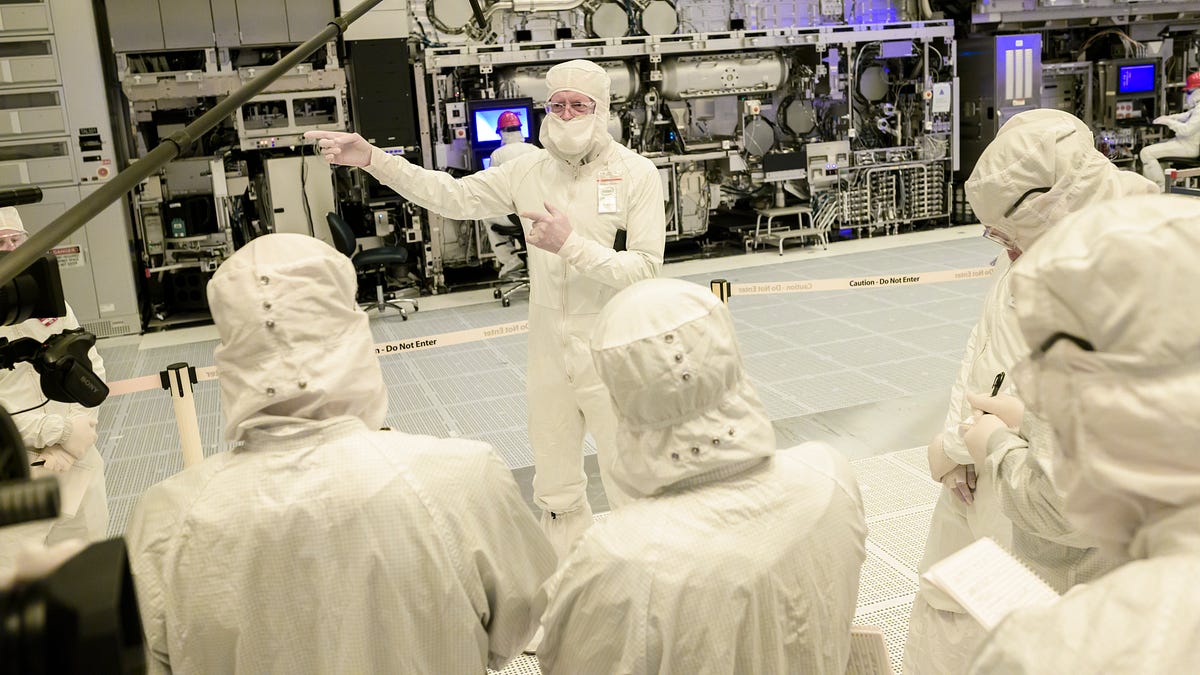
Intel has begun shipping the first silicon wafers produced using its new High-NA EUV lithography technology. This advanced manufacturing process will be utilized to create the chips for the upcoming Panther Lake notebook processors.
Comments
FreeInk: Open ecosystem for e-readers
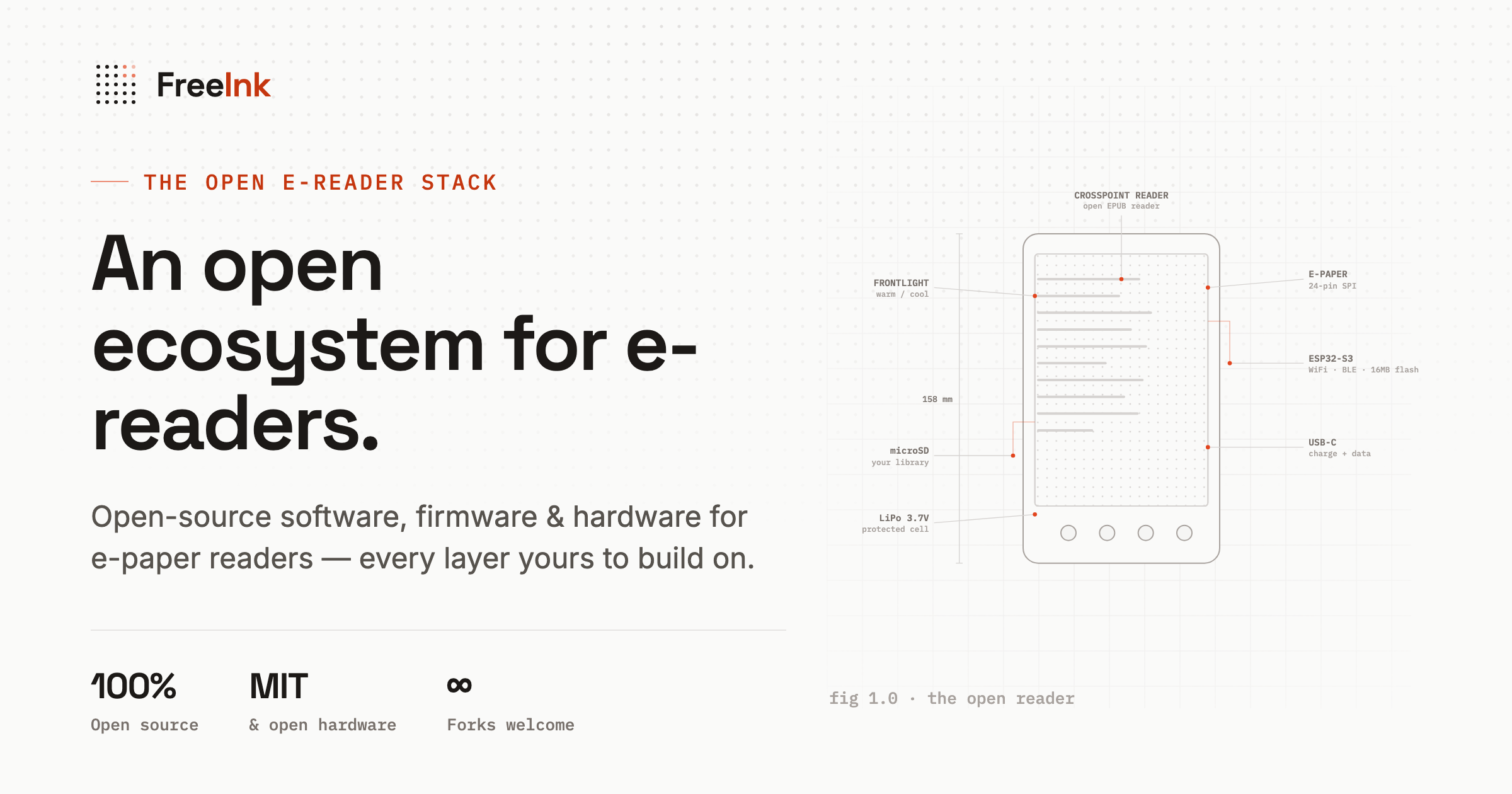
2026-07-22Free Ink is an open-source collective developing a fully transparent ecosystem of software, firmware, and hardware for e-paper readers. By keeping every layer of the technology completely accessible, the project empowers anyone to freely customize, extend, and build their own e-reader devices.
Comments
LG Electronics USA announced it will ban smart TV apps that utilize the device as an always-on residential proxy node. This crackdown follows recent research exposing the security risks of repurposing internet-connected home appliances to route network traffic.
Comments
MIT researchers have developed a method to significantly shrink qubits by incorporating atomically thin 2D materials into the capacitors of quantum circuits. This miniaturization breakthrough is a critical step toward successfully scaling up quantum processors for broader computational applications.
Comments
It's a shame what's happened to radio
2026-07-22A former disk jockey reflects on the decline of traditional radio, explaining how the rise of digital media and industry automation have stripped the medium of its original charm. The author details why these modern, tech-driven changes make returning to the profession unappealing. Ultimately, the piece serves as a broader lament for the loss of personal curation and human connection in legacy broadcasting.
Comments
ScreenWall is a browser-based application that repurposes old smartphones, tablets, and spare monitors into synced digital displays. The platform transforms these unused devices into functional widgets, interactive dashboards, and shared screen walls for any physical space.
CommentsTesla Balance Bike
2026-07-22Tesla's newly released balance bike is facing criticism for prioritizing brand aesthetics over practical design, with users noting its oversized handlebars, sharp edges, and uncomfortably wide frame. Consequently, reviewers are dismissing the product as a mere branding exercise for adult fans and recommending established children's bicycle manufacturers like Woom and Prevelo instead.
Comments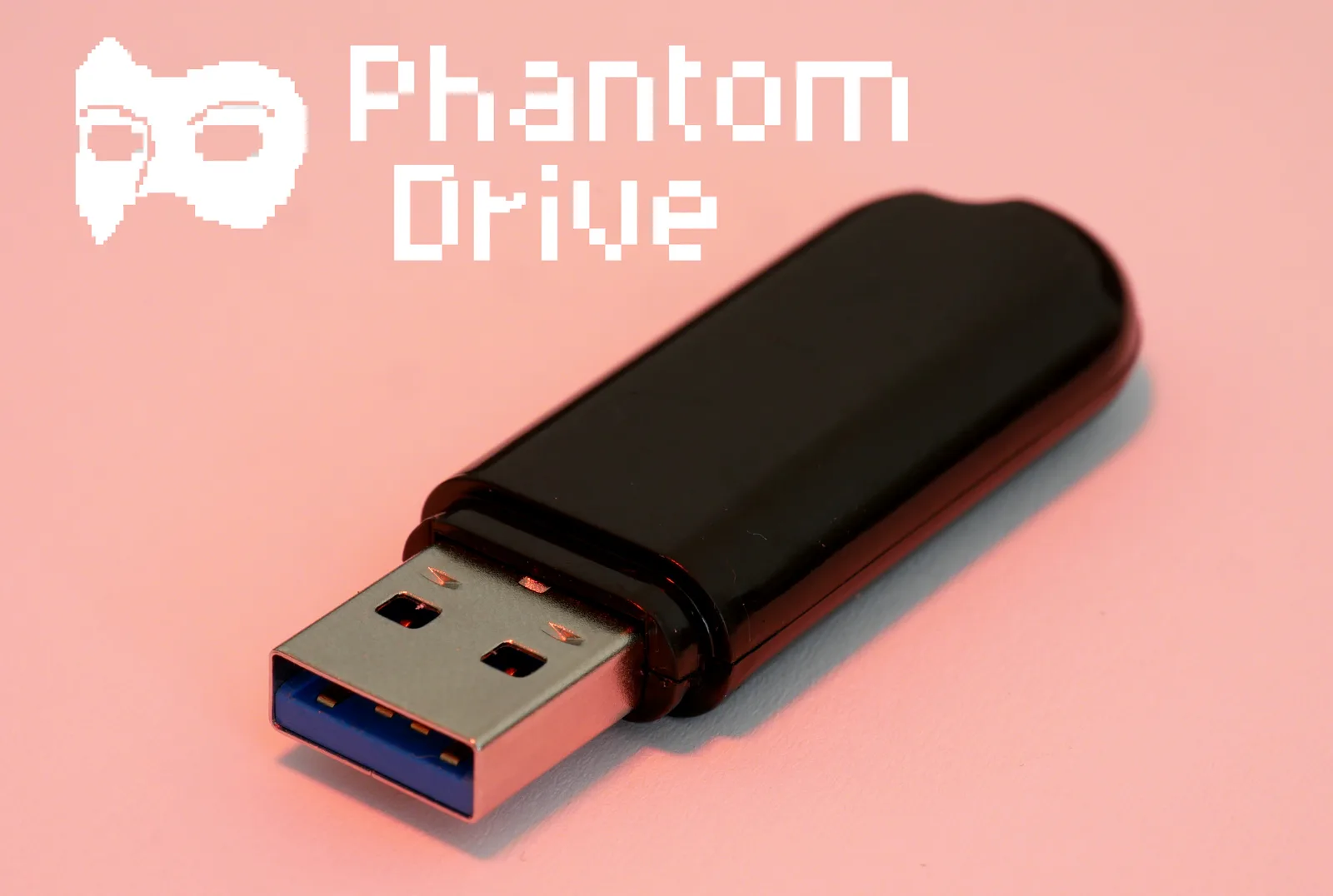
A hidden encrypted vault on a USB drive can protect sensitive data from being accessed under coercion. By keeping the secondary encrypted partition completely undetectable, this setup offers a crucial layer of privacy for users navigating regions with intrusive data laws.
Comments2026-07-21
FreeInk: Open ecosystem for e-readers
2026-07-21The Free Ink project is creating a completely open-source ecosystem for e-paper readers by developing public software, firmware, and hardware. This fully accessible stack allows developers and hardware enthusiasts to freely customize, extend, and manufacture their own e-reading devices.
CommentsA recent article explores the use of specialized USB drives featuring hidden encrypted vaults to protect sensitive data in regions with weak privacy protections. By utilizing concealed partitions, users can safeguard their files and maintain plausible deniability even if they are coerced or forced to decrypt their devices during inspections.
Comments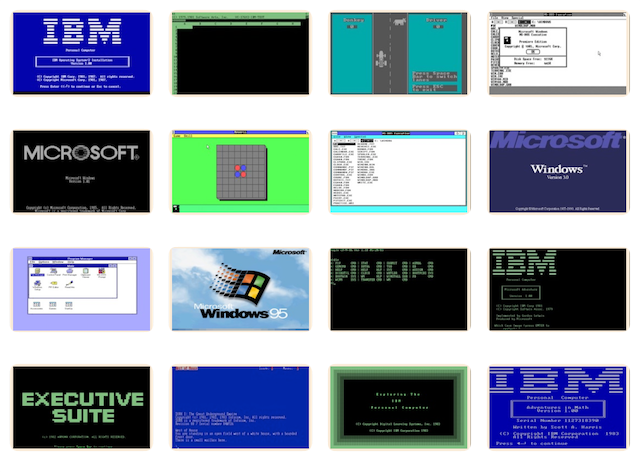
PCjs Machines
2026-07-21PCjs Machines is an online platform providing JavaScript-based emulators for vintage computers, allowing users to run legacy operating systems directly in modern web browsers. It also hosts an extensive archive of historical software and documentation for a wide variety of retro microcomputers and arcade machines.
CommentsA custom hardware team recently went viral after successfully running the classic game Doom on their homemade CPU. The project's development included the complex addition of DDR3 memory support, a chaotic process the creator humorously referred to as being kidnapped by their memory interface group. This successful execution marks a massive and entertaining milestone for the growing community of enthusiast-level silicon design.
Comments
A maker has creatively repurposed three years of accumulated 3D printing plastic waste, totaling 10 pounds, into a beautiful mosaic of a koi pond. By utilizing failed prints, purge towers, and other stringy scraps, the project successfully transforms typically discarded material into a unique piece of art.
Comments2026-07-20
Nativ is a free and open-source application that allows Mac users to run frontier open AI models locally on Apple Silicon. By supporting language, vision, video, code, and embedding models directly on the hardware, the tool enables users to leverage advanced AI capabilities while ensuring complete data privacy.
Comments
LEDs’ potential to save our night skies
2026-07-20Although LED lighting was initially expected to reduce light pollution, poor implementation has worsened the problem and negatively impacted both human sleep and wildlife. However, adopting smarter lighting designs and better planning strategies can mitigate these effects and help restore our night skies.
CommentsXiaomi-Robotics-1
2026-07-20Xiaomi has unveiled an open-source robotics model demonstrated performing household chores like laundry, which was praised for its practical utility and free availability. Despite the technological excitement, the announcement sparked heated debate among readers regarding perceived anti-Chinese bias, US exceptionalism, and geopolitical tensions within the tech community.
CommentsThe newly launched LoRA Speedrun project introduces a public wall-clock leaderboard for benchmarking and comparing various LoRA fine-tuning techniques. By enforcing frozen hardware and tasks using the modded-nanogpt framework, the initiative provides developers with a standardized environment to evaluate exact training times.
Comments2026-07-19
A developer successfully replaced a $120,000 bowling center control system with a custom $1,600 solution built using ESP32 microcontrollers. This project sparked widespread discussion about the broader potential of retrofitting legacy industrial and automotive equipment with modern, low-cost embedded technologies. Community members highlighted both the technical viability and the regulatory challenges of creating niche aftermarket solutions for outdated machinery.
CommentsChip Weinberger reflects on his experience designing and selling 2,500 Jamcorder MIDI recorders to share key lessons for aspiring product creators. He debunks the common tech industry myth that building physical products is overwhelmingly difficult, proving that hardware development is actually quite manageable.
Comments
Minecraft: Java Edition now uses SDL3
2026-07-19Minecraft Java Edition now utilizes SDL3 in the newly released 26.3 Snapshot 4 update. This backend transition modernizes the game's underlying multimedia and hardware abstraction layer for improved cross-platform support.
Comments
HMD Touch 4G
2026-07-19HMD has unveiled the Touch 4G, a compact hybrid phone featuring a touchscreen and up to 30 hours of battery life. The device bridges basic and smart phone capabilities with WiFi, Cloud Phone Service, and an Express Chat App for text, audio, and video calls.
Comments
HomeLab #1: MikroTik as a Home Router
2026-07-19The latest HomeLab series details the experience of configuring a MikroTik device to serve as a primary home router. Although the author cautions readers about the steep learning curve and warns to proceed at their own risk, the guide highlights that the advanced networking features make the complex setup highly rewarding.
CommentsThe death and rebirth of my home server
2026-07-19Tech blogger Steen shares a personal account of rebuilding their home server following a complete hardware failure. The article outlines the technical challenges of the data migration process and the final configuration of the newly resurrected self-hosted setup.
Comments
Moonshot AI has temporarily suspended new subscriptions for its Kimi K3 model. An unexpected surge in user demand over the past 48 hours has pushed the company's GPU infrastructure to its maximum capacity. The pause is intended to ensure a stable experience for existing subscribers while the company manages the overwhelming traffic.
CommentsA newly released visual catalog showcases an extensive collection of vintage Macintosh software and classic applications. This online archive allows users to explore the early graphical interfaces of Apple computers, serving as both a nostalgic trip for longtime users and a historical resource for tech enthusiasts.
CommentsA newly developed emulator can now boot Windows on the discontinued Intel Itanium architecture, albeit at speeds comparable to a 1990s 486 processor on modern hardware. While this milestone is a notable technical achievement, community discussions highlight that Itanium's VLIW design fundamentally failed for general-purpose computing. Specifically, the architecture's reliance on predictable memory access and complex compiler optimizations could not efficiently handle the unpredictable multitasking and virtualization demands of modern workloads.
Comments
Scrying the AMD GFX1250 LLVM Tea Leaves
2026-07-19AMD is preparing to unveil its new MI400 series Datacenter Accelerators at the upcoming Advancing AI event. In anticipation of the official reveal, developers are analyzing recent LLVM code commits to uncover technical details about the underlying GFX1250 architecture.
Comments2026-07-18
LG monitors are silently installing background software through Windows Update without user consent the moment they are connected via HDMI. This hidden application runs at every system boot with full internet and system access, raising severe security and privacy concerns for both new and older models. Critics are largely blaming Microsoft for permitting this automatic installation mechanism, which is also used by other hardware manufacturers to deliver unwanted bloatware.
CommentsA six-year-old security flaw in TP-Link Kasa smart cameras exposed users' home GPS coordinates through an unauthenticated UDP port. Discovered by an independent IoT security researcher, the vulnerability allowed the devices to continuously broadcast sensitive location data without requiring any authentication.
Comments