Hardware Tech News
2026-06-03
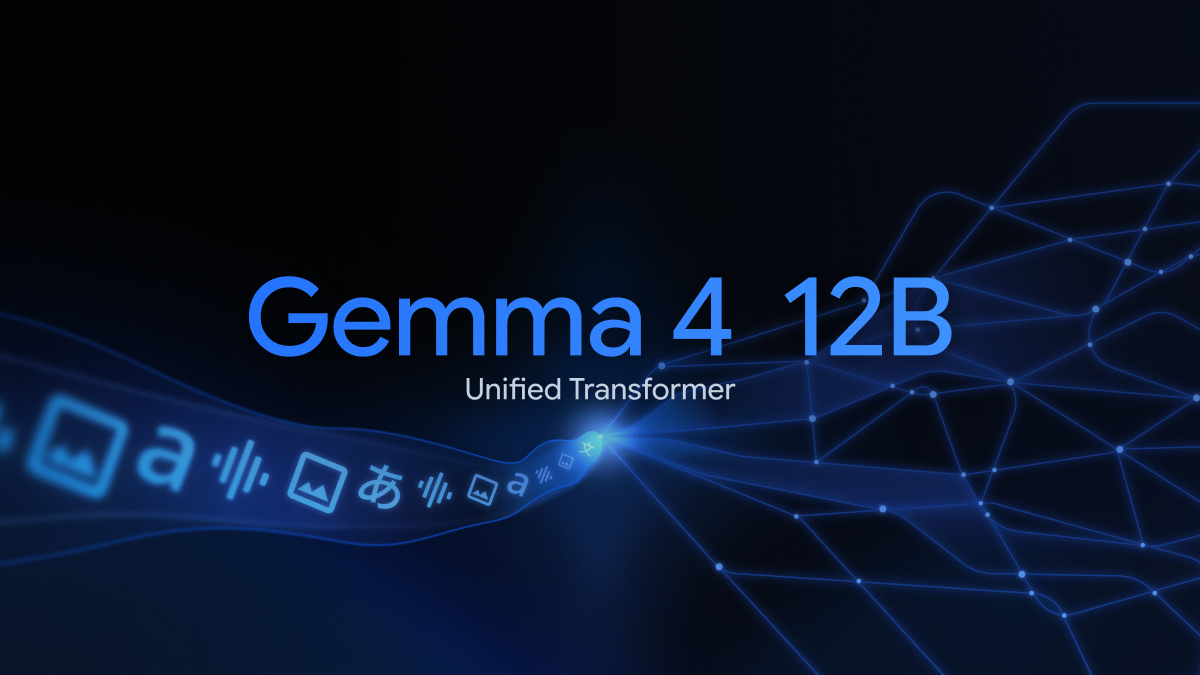
Gemma 4 12B is a newly introduced unified and encoder-free multimodal model designed for local hardware. It aims to deliver high-performance multimodal intelligence directly to standard laptops, enabling advanced on-device AI processing.
CommentsESP32-S31
2026-06-03The ESP32-S31 is a high-performance, dual-core 32-bit RISC-V microcontroller capable of operating at speeds up to 320 MHz. This new chip is specifically engineered for advanced Internet of Things applications that require robust multi-protocol connectivity and sophisticated human-machine interfaces.
Comments
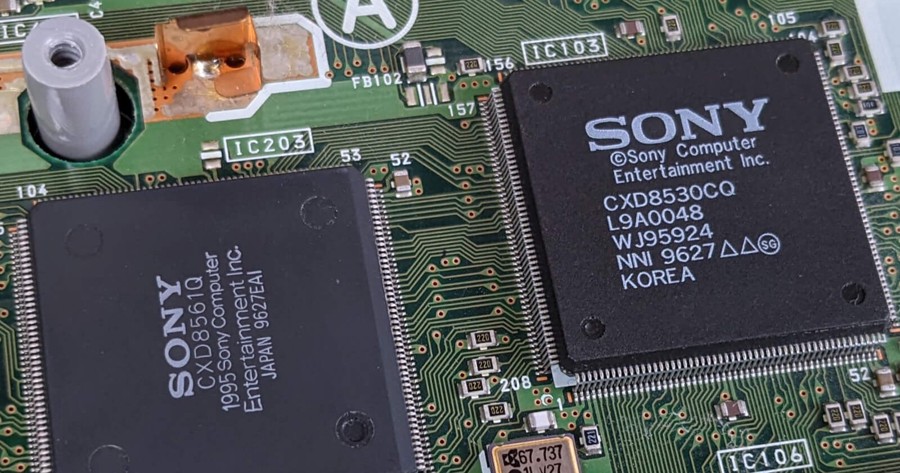
PlayStation Architecture
2026-06-03A recent in-depth technical analysis breaks down the internal architecture of the PlayStation console to explain how its complex hardware functions. This comprehensive overview explores the custom components and system design that drive the device's performance, offering valuable insights for hardware enthusiasts and developers.
Comments
A newly discovered exploit called Pwnd Blaster allows attackers to compromise a PC remotely through its built-in speaker. The vulnerability abuses an unauthenticated Bluetooth protocol to turn the audio hardware into a malicious input device. This enables hackers to silently inject harmful keystrokes into the system without ever physically touching the computer.
CommentsGooey is a new hybrid immediate and retained mode UI framework for the Zig programming language designed to build fast, GPU-rendered applications. It supports cross-platform development by leveraging graphics APIs such as Metal, WebGPU, and Vulkan across macOS, WebAssembly, and Wayland environments.
Comments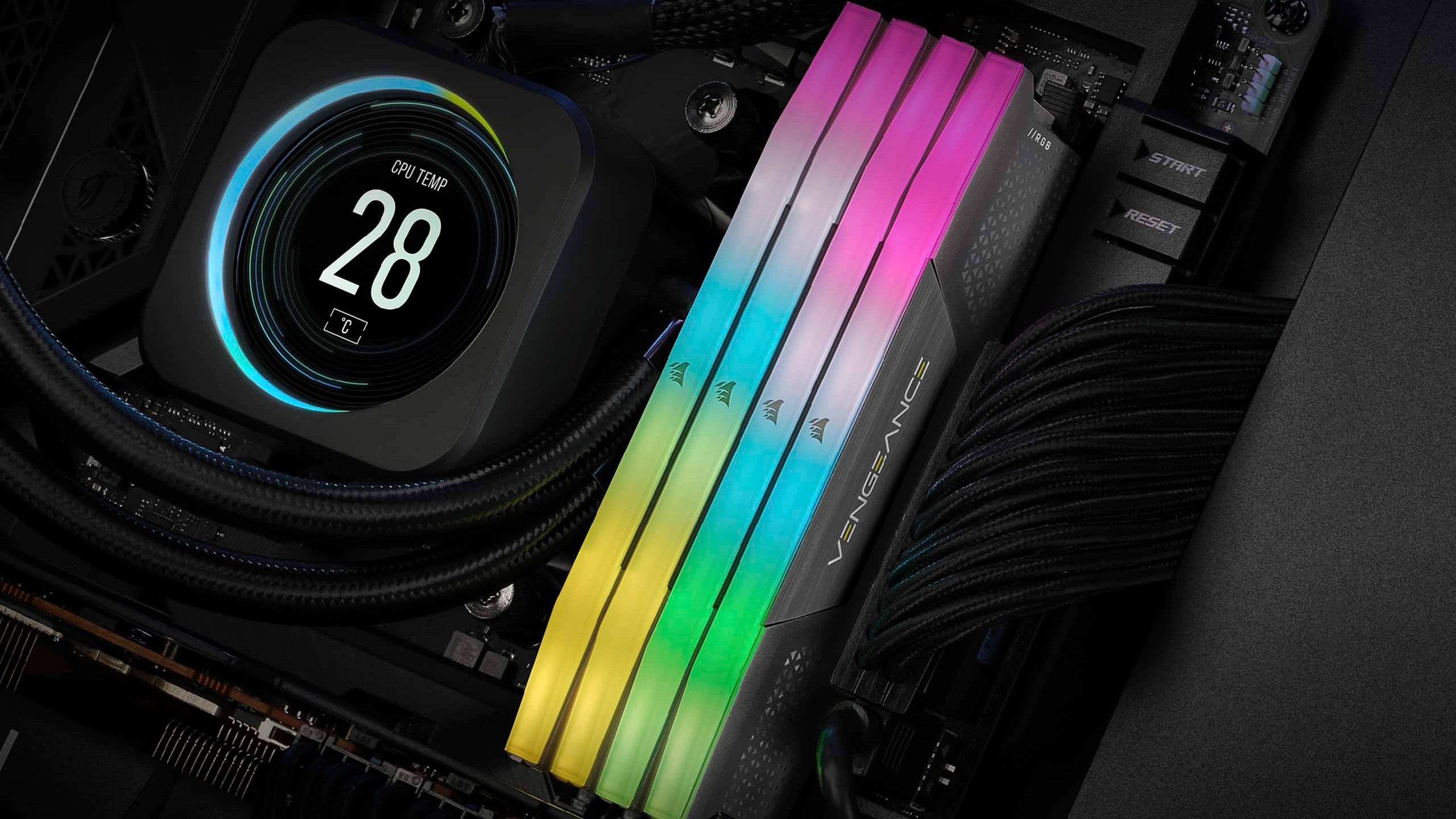
An ongoing memory shortage driven by artificial intelligence demand is squeezing PC builders by rapidly driving up DDR5 prices. A standard 32GB kit now costs $375, and affordable options are quickly disappearing from the market.
Comments
Roku has released the operating system for its Roku LT devices as an open source distribution. The platform is widely recognized for providing simple access to thousands of streaming entertainment channels directly to your television. This new release gives developers the ability to modify and adapt the underlying software for custom applications.
Comments
Apple's newly released MacBook Neo has experienced overwhelming customer demand, prompting the company to significantly boost its manufacturing output. Supply chain analyst Ming-Chi Kuo reports that Apple has doubled its production target for the laptop to 10 million units for 2026 to keep up with the unprecedented popularity.
Comments
Edsger is a newly launched handwritten Clojure REPL designed specifically for the reMarkable 2 e-ink tablet, allowing developers to write and execute functional code by hand. To demonstrate the tool's capabilities, the creator also published a companion blog post written entirely by hand.
CommentsCapstone is a multi-platform and multi-architecture disassembly framework designed for comprehensive binary analysis. Dubbed the ultimate disassembler, the tool offers versatile capabilities for developers and security researchers. It serves as a highly adaptable solution for reverse engineering across diverse hardware and software environments.
Comments2026-06-02
A new Linux tool called nbd-vram allows users to utilize their Nvidia GPU's unused VRAM as system swap space to prevent slow SSD swapping. This provides a clever performance workaround for laptop owners with soldered RAM and no physical memory upgrade path.
Comments
Open-source electronics company Adafruit has received a formal legal demand letter from Flux.ai, represented by the law firm Fenwick. This legal action highlights emerging tensions within the open-source hardware and maker community. Adafruit is currently reviewing the demands and is expected to share further updates with its community of hackers and electronics enthusiasts.
Comments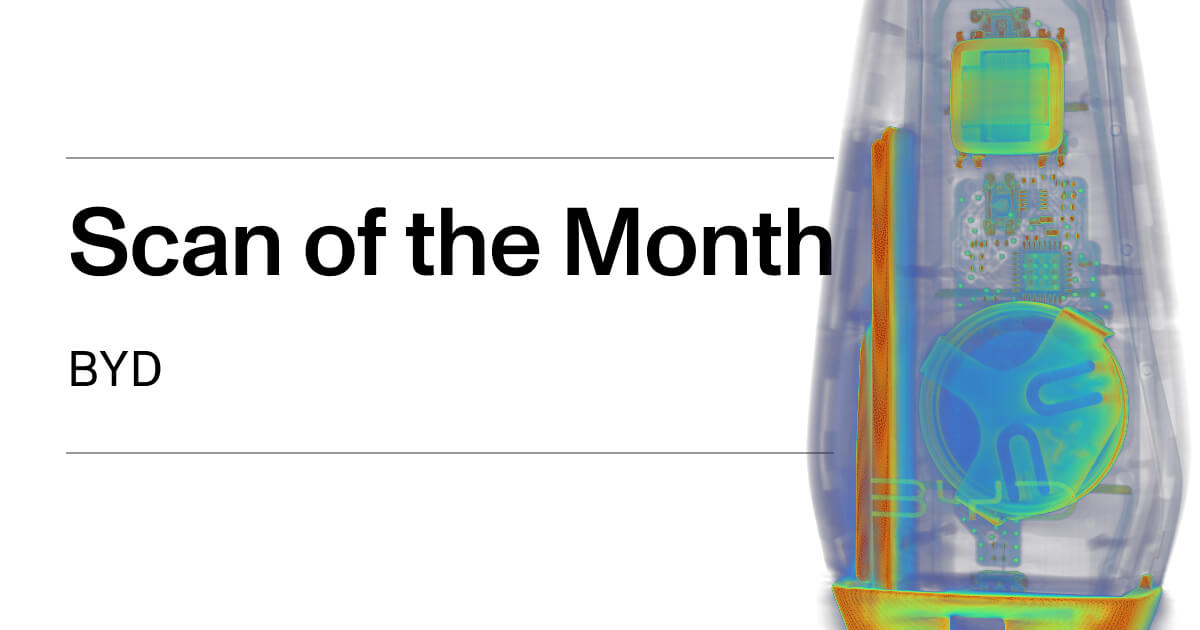
CT scans of BYD car parts
2026-06-02Researchers recently CT scanned four BYD components to reveal the inner workings of the world's best-selling EV. The analyzed parts included a battery cell, window switch, EV charger, and key fob, providing a rare look inside the technology of the popular automaker whose cars are banned in the United States.
Comments
HP is re-releasing its iconic HP-16C programmer calculator as a new Collector's Edition. The updated device merges the beloved classic design of the original with modern programming functions for today's computer scientists.
Comments
OpenFOV is a new software tool that allows iRacing players to use their standard webcams for real-time head tracking. By dynamically adjusting the in-game field of view to match physical head movements, it unlocks an immersive VR-style experience on standard monitors.
Comments
Open Repair Data Standard
2026-06-02The Open Repair Data Standard (ORDS) introduces a unified framework for collecting and sharing repair data to improve product reliability tracking across the electronics industry. By standardizing how repair metrics are recorded, the initiative aims to empower consumers with transparent insights into device longevity and support the broader right-to-repair movement.
CommentsA new 2024 DOS demo called Pits has achieved native multicore processing and Full HD graphics in pure DOS without relying on external drivers. Since the legacy operating system lacks built-in multithreading, developers accomplished this by running standard DOS on one CPU core while executing custom code on additional cores. This workaround coordinates the cores via shared memory and requires programmers to manually implement synchronization, effectively writing a micro-kernel to manage the complex cross-core execution.
Comments
How is Groq raising more money?
2026-06-02AI chip startup Groq is reportedly looking to raise more venture capital funding to support its business operations. The company is seeking to expand its footprint in the competitive artificial intelligence hardware market. Curiously, the article's description jokes that the company is achieving this financial feat by somehow bringing back Star Wars villain Emperor Palpatine.
CommentsMuxcard, a DIY credit card size computer
2026-06-02The Muxcard is a DIY project that packs a fully functional computer into the dimensions of a standard credit card, featuring an ESP32 microcontroller, an E-Paper display, and NFC capabilities. This ultra-compact open-source design provides makers with a highly portable and customizable platform for their hardware projects.
CommentsResearchers led by Qing Cao have developed a scalable method for sequentially stacking high-performance silicon circuits to create advanced three-dimensional chips. This breakthrough overcomes the physical limitations of traditional manufacturing and provides a promising pathway to extend Moore's Law.
Comments2026-06-01

A 10 year old Xeon is all you need
2026-06-01Software engineer and NixOS Steering Committee member Christina Sørensen explains why a decade-old Intel Xeon processor remains perfectly adequate for modern development and server workloads. She highlights the practical benefits of utilizing older enterprise hardware, emphasizing that continuous upgrades to the latest processors are often unnecessary.
CommentsThe debate over normalizing 8-bit RGB values by 255 or 256 is visually inconsequential for standard digital displays but causes noticeable color tinting when generating low-bit analog VGA signals. Readers discuss hardware-level workarounds like temporal dithering and reflect on historical CRT quirks caused by similar voltage mismatches. Ultimately, the community concludes that dividing by 255 is the mathematically correct approach to properly account for quantization ranges and avoid fence post errors.
Comments
Nvidia RTX Spark
2026-06-01Nvidia RTX Spark combines advanced AI and RTX graphics technology into a compact form factor for slim laptops and small desktops. This integration is specifically designed to deliver high-performance computing tailored for creators, developers, and gamers.
Comments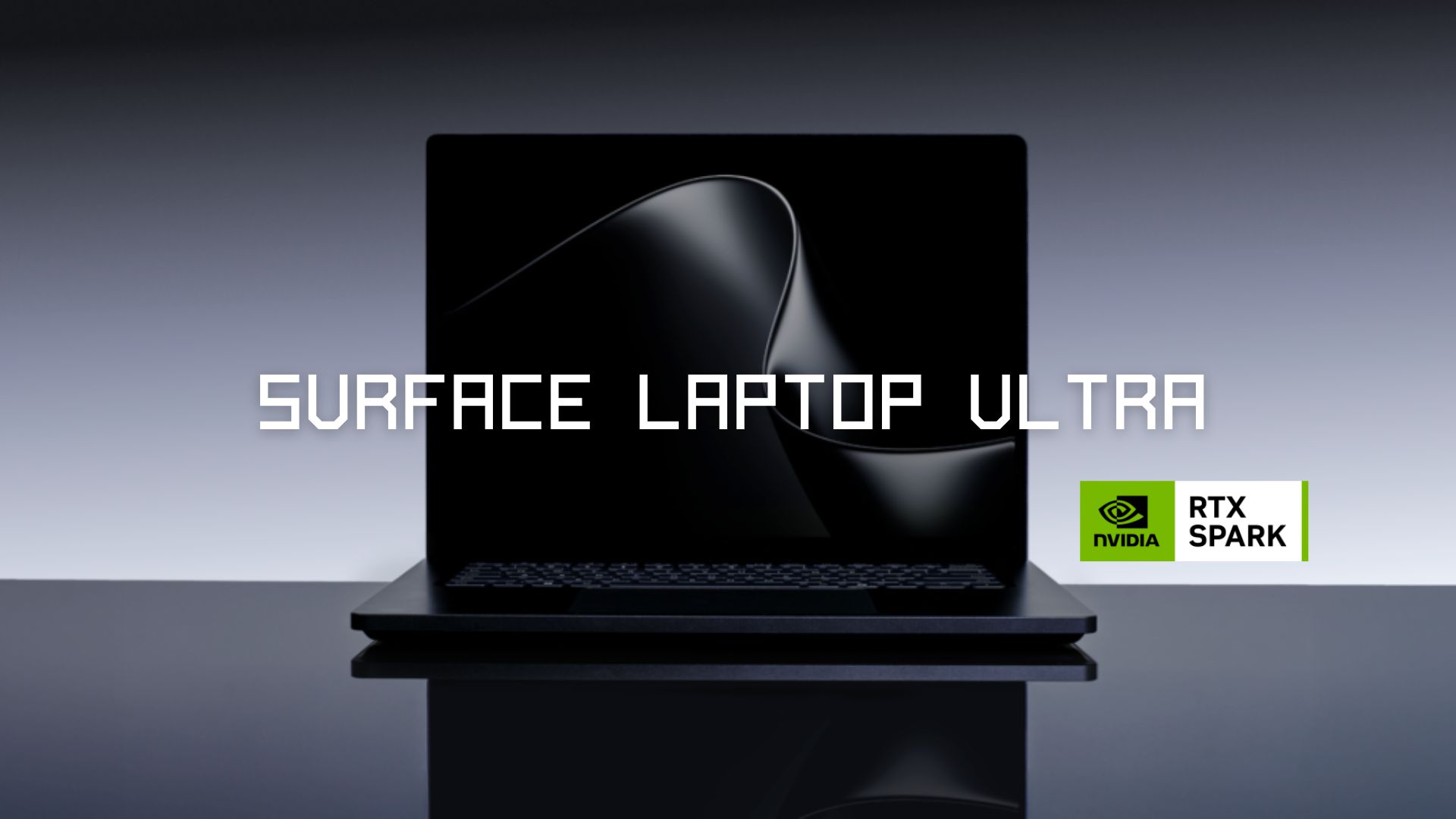
Microsoft is challenging Apple's MacBook Pro dominance with the launch of the new Surface Laptop Ultra. This premium device is equipped with an NVIDIA RTX Spark chip and 128GB of unified memory to offer high-end performance.
Comments
I made my phone slow on purpose
2026-06-01After purchasing a brand new iPhone, the author intentionally slowed down the device's performance. The article details the reasoning behind this experiment and how artificially limiting a modern smartphone's speed impacts the overall user experience.
CommentsFlipper Zero Zig Template
2026-06-01Developer NishantJoshi00 has open-sourced a new Zig programming template for the Flipper Zero on GitHub to streamline custom application development for the popular hardware multi-tool. The project provides a foundational codebase and actively invites the developer community to contribute to its ongoing growth.
Comments
Windows GOG DOS Games on M-Series Macs
2026-06-01A recent guide outlines how users can play classic DOS and Windows games purchased from GOG on Apple's M-series Macs. The tutorial provides practical workarounds for running nostalgic titles like SimCity 2000 and Theme Hospital on Apple Silicon hardware.
CommentsNew Beam Spring Keyboards
2026-06-01New beam spring keyboards from Ellipse and ModelFKeyboards are drawing attention from retro typing enthusiasts, but the company has a notorious reputation for poor quality control and virtually no warranty support. Although some users report that the latest metal-cased models work flawlessly out of the box, buyers are frequently warned they might receive a damaged unit. Consequently, customers should be prepared to spend significant time troubleshooting their expensive purchase to ensure they receive a fully functioning product.
CommentsYC P26 startup Expanse has launched an intelligent prediction layer designed to eliminate wasted GPU compute capacity in high-performance clusters. By analyzing source code and hardware topologies with a custom machine learning model, the platform determines the exact resources a job actually needs rather than relying on user allocations. This approach allows existing schedulers to optimize workload placement and significantly improve overall data center utilization rates.
CommentsUnix in East Germany (GDR) (1990)
2026-06-01Reader discussions highlight the ingenuity of Eastern Bloc engineers who reverse-engineered Western hardware like the DEC PDP-11 to bypass US sanctions and maintain compatibility with global software standards. By cloning Western systems and replicating software to save resources, these Cold War-era machines closely mirrored their American counterparts despite limited access to global supply chains. Today, these historic Soviet and East German clones remain preserved in university lobbies and local flea markets, continuing to fascinate classic computing enthusiasts.
Comments