AI Tech News
Submit2026-11-09
Claude Fable 5.2 and Mythos 5.2
2026-11-09Claude has introduced Fable 5.2 and Mythos 5.2, new models aimed at the hardest technical challenges. Fable 5.2 sets a new benchmark in coding, finance, and the sciences.
CommentsAnthropic's Claude Fable 5.2 (Max, Default Fallback) has scored 65 on the Artificial Analysis Intelligence Index, the highest score recorded so far. The analysis compares it with other AI models across quality, price, performance, time to first answer token, and context window.
Comments

Muse Ember is the company’s smallest and most efficient model yet, built for complex reasoning execution. It is designed to handle the repetitive work that agents perform throughout the day.
Comments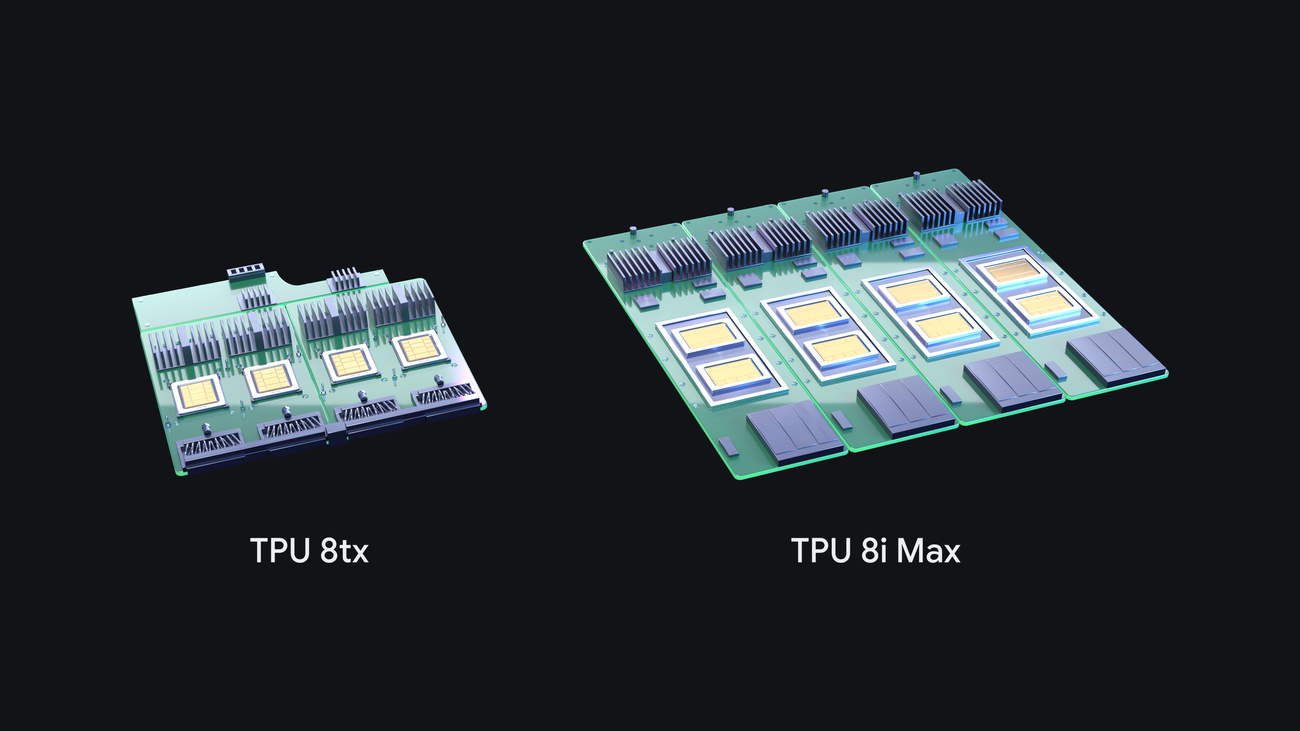

DeepX claims its DX-M2 edge AI chip, built with Samsung PIM memory, can run 100-billion-parameter LLMs at under 5 W. Samples are due in March 2027.
CommentsA new analysis finds the same Nvidia H100 GPU rents for anywhere from $2.69 to $12.29 per hour depending on the provider. The wide price gap highlights how much cloud rental costs vary for the in-demand AI accelerator.
Comments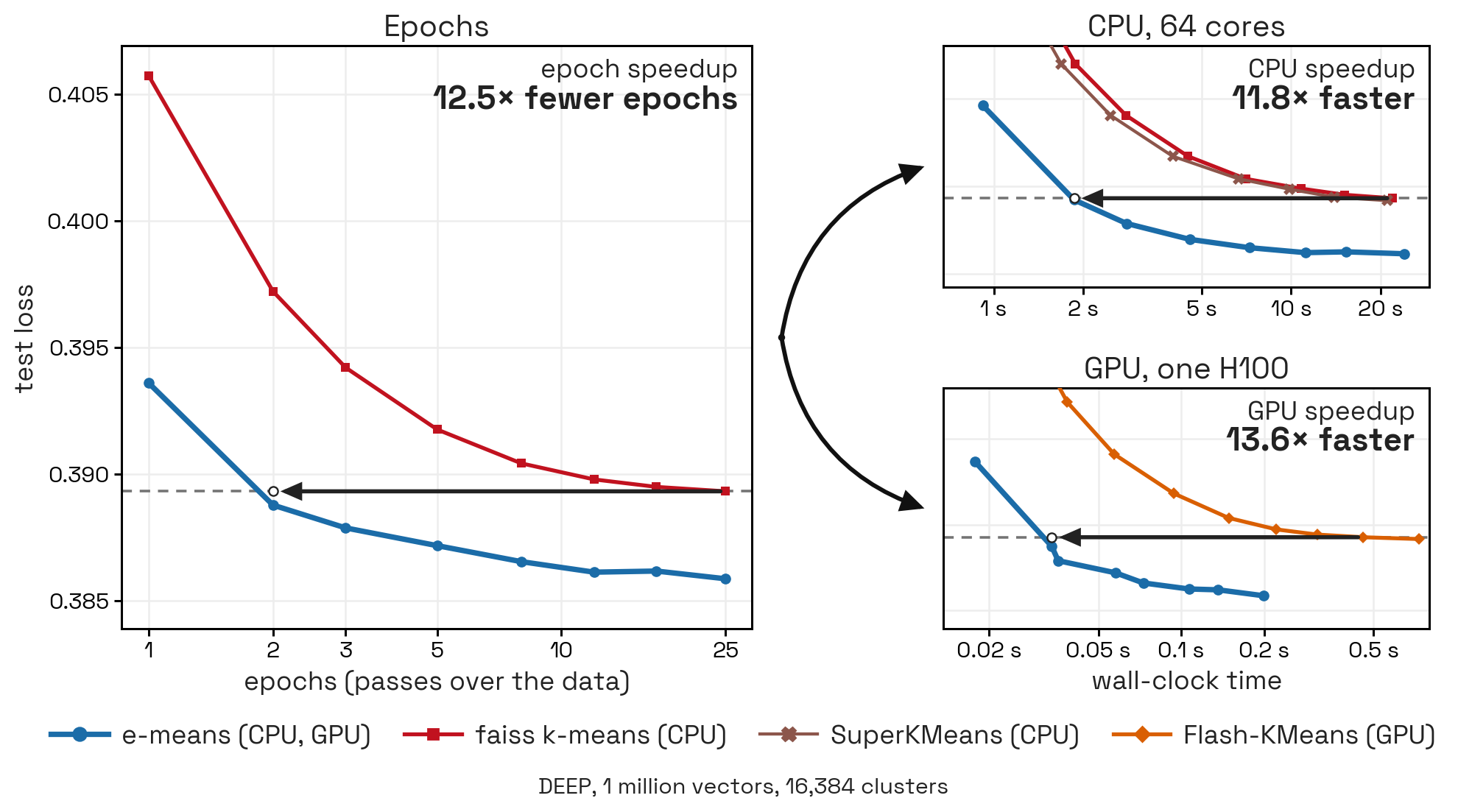
Researchers introduced E-means, a new k-means clustering method that achieves equal loss while running 10x faster. The approach applies modern optimization techniques and scaling laws to improve clustering efficiency.
CommentsA new GitHub project offers a small LLM inference engine built from scratch, accompanied by more than six hours of YouTube tutorials and 85+ pages of handwritten notes. The resource aims to help developers learn LLM inference fundamentals through hands-on implementation and detailed study materials.
CommentsChatGPT Desktop is reportedly forwarding users' SSH agents to remote machines as a convenience feature, prompting criticism that it removes important security friction. Commenters argue auto-forwarding should require per-request approval or filtering, and recommend hardware-backed keys such as Secure Enclave or YubiKey with fingerprint or touch confirmation. The discussion also highlights broader concerns that local agent guardrails rely on leaky blacklists and broad permissions.
CommentsThe STE80 Humanizer is a new Show HN agent skill designed to remove AI tells from text by rewriting it 80% of the way toward ASD-STE100 Simplified Technical English. It follows a method shared by Andrej Karpathy for making generated writing sound less AI-like.
Comments
I'm Not Convinced the AI Bubble Exists
2026-11-09The piece examines the claim that AI is an overvalued bubble, noting that a true collapse would devastate the economy given the trillion-dollar valuations of major AI companies. The author remains skeptical that the AI bubble actually exists, pushing back on the speculative narrative.
Comments
A new analysis of 1,400 Claude Code sessions claims Opus 5.5’s reasoning behavior changed sharply on November 3, even though the model name stayed the same. The findings have reignited questions over whether Opus 5.5 was quietly nerfed.
CommentsReaders discussing how to manage AI-agent context across clients and projects largely recommend building custom lightweight harnesses and workflows rather than relying on one tool. Suggested practices include gatekeeper scripts that force wiki/documentation updates, semantic search over project knowledge, commit-linked chats, issue trackers and write-only ledgers for coordination, plus sandboxing agents and keeping granular usage data. Commenters also stress managing one's own attention and mental load, and staying ready to ditch tools as the fast-changing ecosystem evolves.
Comments
On Being an Engineer in 2026
2026-11-09The piece explores what it will mean to be an engineer in 2026, focusing on how AI-assisted tools, automation, and rapidly changing technical stacks are reshaping day-to-day work. It argues that future engineers will need stronger systems thinking, cross-disciplinary collaboration, and continuous learning as routine tasks are increasingly automated.
Comments
The arXiv paper “Next-Concept Modeling” introduces a coarse-to-fine text generation method designed to be fast and parallel. It aims to speed up generation by modeling concepts rather than relying solely on sequential token-by-token output. The work is presented as a new approach for efficient text generation.
Comments
South African author Coral Hart has published more than 370 books since February 2025 with the help of artificial intelligence. She passionately defends her AI-assisted process despite facing criticism and threats.
CommentsFlide launched as an inference engine for Jev-like decision models, claiming up to 9.5x faster performance. It is pitched as the fastest inference engine for OmniJev/Flide decision models.
CommentsA Bit about Email
2026-11-09A discussion around a piece on email spun into a broader reflection on the internet as a collection of human edge cases. Readers expressed anxiety that undisclosed AI-generated text is converging online writing toward an average of pre-2023 thought and style, diminishing the idiosyncratic voice that makes personal sites feel magical.
CommentsDocumentation published on GitHub alleges that Google Gemini routes personal Drive files and emails to human annotators, flagging a “Gemini File Leaking Behavior.” The repository is collecting evidence of the alleged data exposure.
CommentsRecalc is a new open-source spreadsheet tool where every cell can hold a value, formula, terminal command, or a running Claude Code or Codex agent. The project, shared on Hacker News, is pitched as a spreadsheet you share with your AI agents, letting them work directly inside the grid. It's available on GitHub under sshah03/recalc.
Comments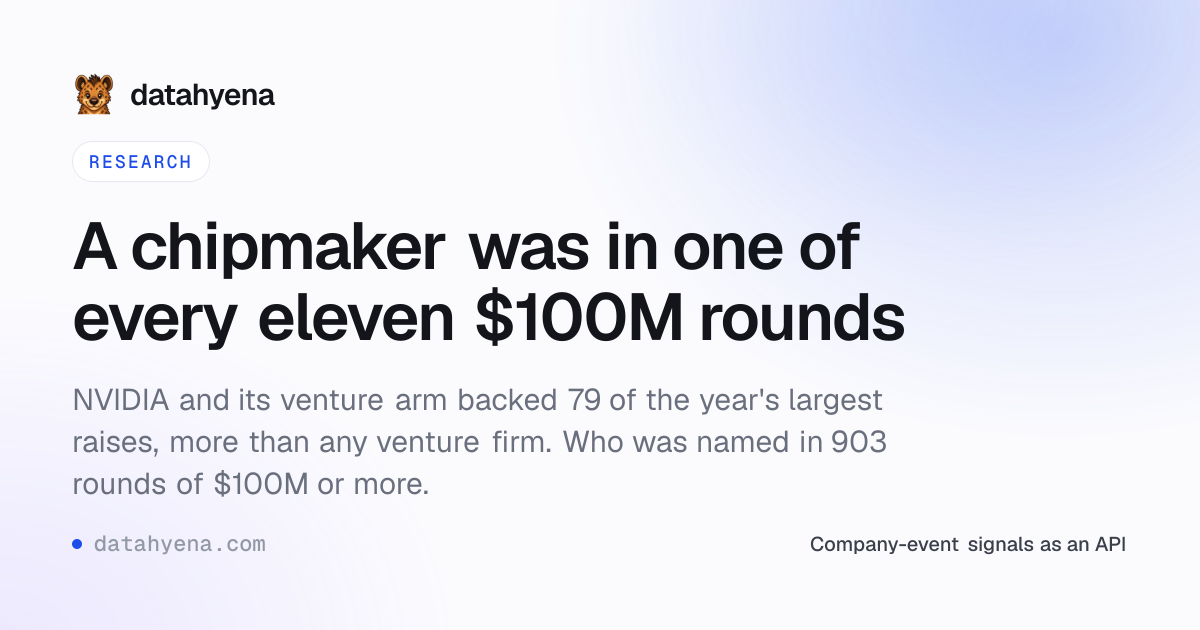
Nvidia and its NVentures arm participated in 79 of 903 venture rounds worth $100M or more between October 2025 and September 2026, about one in 11 such deals. That put Nvidia ahead of Sequoia (75) and Andreessen Horowitz (73), while 38% of the large rounds included a corporate investor.
Comments
Y/n, an interactive AI storytelling startup backed by Y Combinator and $14M in funding, is hiring its first Growth Lead to find and scale marketing channels for its superhuman AI storyteller. The role involves testing paid ads and creator partnerships to reach teenagers and twenty-somethings, who have already sent over one billion messages on the platform. Based in San Francisco, the position pays $130,000–$300,000 and includes a paid work trial.
Comments2026-11-08

Goldman Sachs is withdrawing Claude Code from its bankers and traders and handing AI coding agents back to its engineers under new internal guidance. The reversal comes after its tech chief praised trader-built AI tools in July and just weeks before Goldman takes Anthropic public.
Comments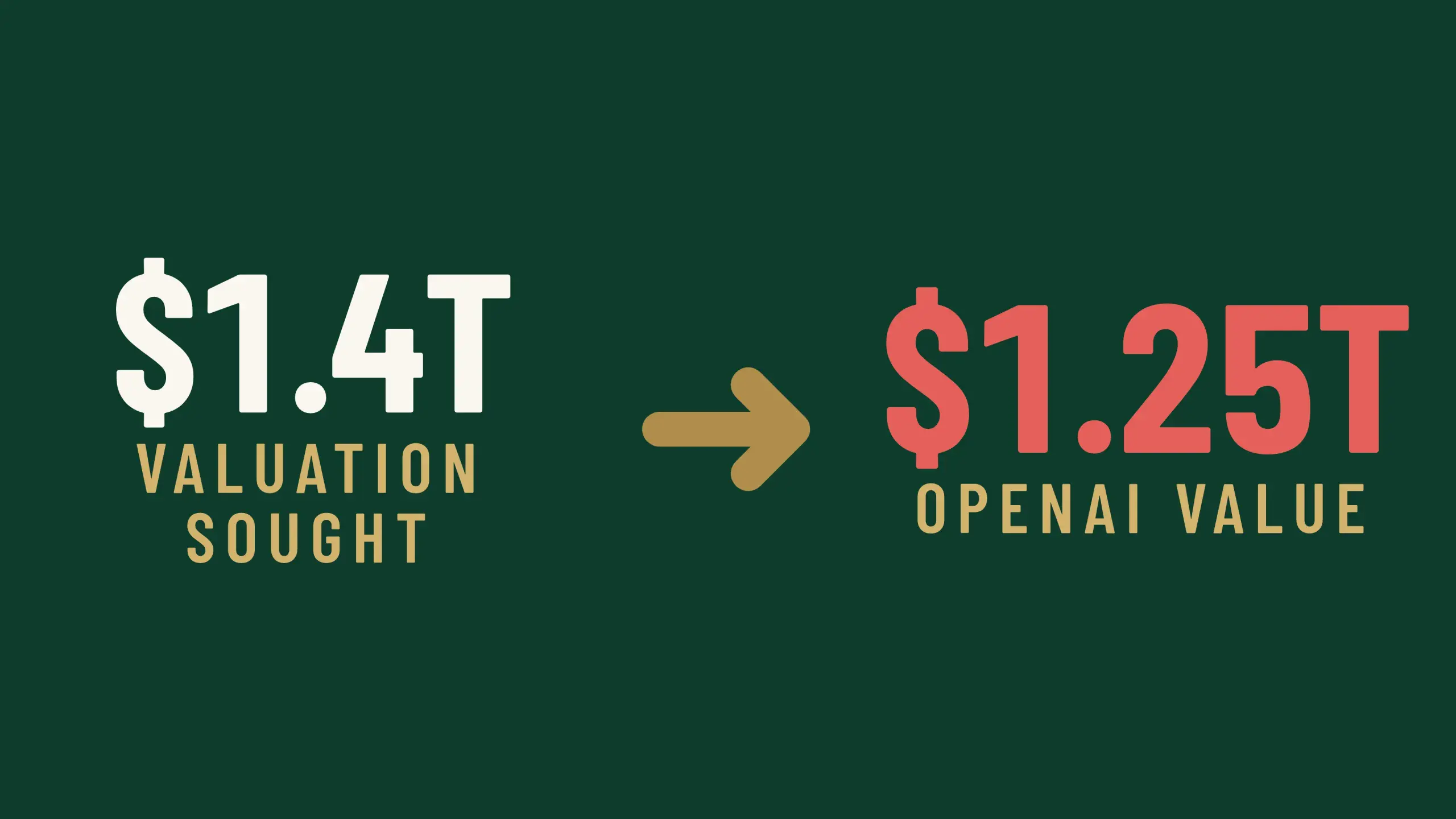
OpenAI raises $11B at a $1.25T valuation
2026-11-08OpenAI has raised $11 billion at a $1.25 trillion valuation, though not on the terms it wanted. The gap between its growth story and investor appetite is now hitting two giants, with one facing a bookkeeping hit and the other becoming more dependent on the funding flow.
CommentsA new project, llama-modchip, demonstrates running a 284B DeepSeek-V4-Flash model and 30B mixture-of-experts models entirely on a 64GB CPU with no GPU. It reports under 59GiB RAM use, 256K context, and throughput of 9.1–14.7 tok/s for the 284B model and 25–111 tok/s for the 30B MoEs.
CommentsIn the November 2026 Ask HN thread, developers shared a wide range of side projects and tools, including a YouTube pitch-shifting extension, a Google Local Service Ads-integrated CRM for field-service businesses, a singing-training app, and a macOS document library that indexes files in place. Other highlights included open-source public transit software used by major cities, LLM-powered sunset alerts for San Francisco, real-time meeting speech feedback, an AI loan-servicing platform, and a fresh attempt at the Netflix Prize using LLMs.
CommentsA Linux script called RAM Altman is meant to email Sam Altman every day with a report on how much unused RAM the user’s PC has. Readers also discussed invasive anti-ad-blocker modals and compute centralization, with one noting the script isn’t configured to actually email Altman by default.
CommentsAgent memory tools each use their own formats and cannot read one another, creating the same fragmentation observability once faced. The piece argues agent memory needs an OpenTelemetry-style shared data model, surveying existing formats and proposals. It also outlines what such a common spec could look like.
CommentsDrugmaker CEOs are skeptical of Silicon Valley’s promise that AI will cure disease, with reader discussion questioning how many concrete life-saving breakthroughs AI has delivered so far—AlphaFold is often cited, but commenters say the evidence remains limited. Readers argue AI can still help by improving diagnosis, analyzing research and patient data, and matching treatments without needing to cure disease outright. They also warn that AI could accelerate pharma work but may amplify centralized reasoning, political bias, and research monoculture.
CommentsGoodbye Claude, Hello Pi
2026-11-08The “Goodbye Claude, Hello Pi” post centers on a developer moving from Claude Code to Pi, a coding-agent harness that supports OpenAI Codex out of the box with basic integration and optional extensions for usage tracking. Discussion around it covers frustrations with Claude Code, such as errors tied to simple shell aliases, and comparisons between Pi, opencode, and local-model workflows. The author is identified as a Salesforce developer, suggesting the piece is a personal migration account rather than a formal product announcement.
Comments