YC Startups News Today
SubmitThis section tracks the companies that come out of the Y Combinator accelerator. From early product launches to major funding announcements and acquisitions, you will find articles following how YC-backed startups grow, pivot, and shape the wider technology industry.
Stories here often cover a young company shipping its first public product, a graduate closing a competitive funding round, or an alum reaching a milestone that puts it in the mainstream conversation. Pivots, shutdowns, and hard lessons appear alongside the success stories, giving a fuller picture of startup life.
Because so many influential companies started in the same program, following this feed is a practical way to spot emerging categories early. Founders read it for competitive awareness, investors scan it for deal signals, and curious technologists use it to see which ideas are gaining real traction.
2026-11-16
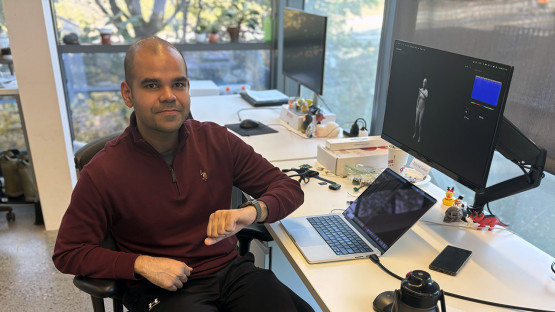
Cornell researchers have developed a smartwatch-based system that uses ultrasonic sound waves and a lightweight AI model to track a person’s whole-body movement. The approach works with off-the-shelf hardware while prioritizing privacy and efficiency.
CommentsAxonnic, a YC F26 startup, has launched sleeves that track finger movement and estimate force. Reader discussion focused on whether the system can handle fatigue-related EMG baseline drift, such as after someone has been gripping objects for an hour.
Comments
The piece examines the claim that the Apollo Guidance Computer used 60% of integrated circuits in 1963, with discussion focusing on a procurement strategy of buying whatever vendors made as long as it met certain characteristics rather than investing in suppliers. Readers noted this approach helped develop a market and was useful when speed was essential.
Comments
Posting Airdash on Show HN last week led to 17 services emailing the project’s inbox within four days to sell something, and nearly all of the pitches were automated. The author highlights the volume of automated sales outreach triggered by a Show HN launch.
Comments
Cihuatlán’s large-scale artificial wetland is highlighted as a nature-based sanitation approach that uses engineered wetland ecosystems to treat wastewater. The piece frames it against global treatment gaps—Mexico treats only about 40% of its wastewater—and compares it with systems like Kolkata’s vast but declining East Calcutta Wetlands. It also weighs engineered wetlands as biomimicry alternatives to costly conventional sewage plants, raising questions about funding, government will, and sustainable wastewater management.
Comments
The Origins of the Placenta
2026-11-16The placenta’s origins are tied to implantation, the process in which an early embryo attaches to and burrows into the uterine wall. Despite its importance, implantation remains the least understood stage of early human development.
CommentsSutra-OS is a new open-source, self-hosted ontology platform featured on Show HN. It organizes data around scarce, typed, related, and actionable units, with the project available in the 0nelight/sutra-os repository.
Comments
Skydio’s F10 Lightrunner uses an asymmetrical fixed-wing design and wingtip camera to improve aerial vision and reduce blind spots. The autonomously operated, high-speed drone is positioned as a solution to key limitations of fixed-wing drones.
Comments
Stop Filming in Log
2026-11-16A veteran colorist argues that videographers should stop filming in log, saying log-encoded clips often create unnecessary challenges and are frequently used as a crutch on set. The piece pushes back on the common internet claim that log equals film, suggesting many shooters adopt log profiles without a real need.
Comments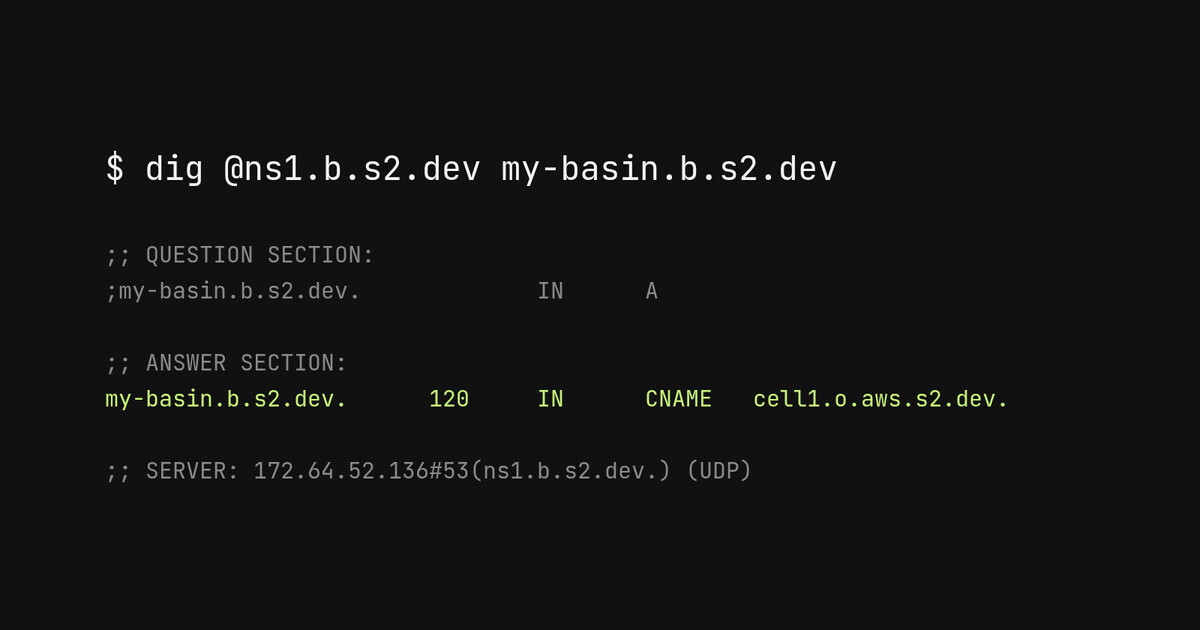
A new write-up recounts the journey of replacing AWS Route53 with a self-run authoritative DNS server. It explores the motivations and challenges behind bringing DNS infrastructure in-house, despite DNS’s reputation as a common source of outages.
CommentsWinudf is a UDF installable file system driver that brings DVD and Blu-ray disc support to DOS and Windows 1.x through ME. The ages2001/WINUDF project targets legacy systems that otherwise lack native UDF optical media support.
Comments
Expozine’s 25th edition turned away nearly 40 percent of applicants, raising questions about whether the independent print scene has outgrown the fair. Meanwhile, ARCMTL’s new online catalogue makes more than 10,000 zines easier to discover.
Comments
Artem Legotin explores Golden Board, a 512 KiB binary message designed to teach chess without a shared language. The illustrated piece traces how raw binary cells become a reader, visual chess lessons, and 64 games.
CommentsThe Opportunivore's Dilemma
2026-11-16The article explores how consuming roadkill—once dismissed as a macabre pursuit of backwoods oddballs—is enjoying a culinary moment. It examines the “opportunivore’s dilemma” surrounding this growing trend.
Comments
Psychic is a new fuzzy finder similar to fzf that learns from your past actions to predict which file you want to open next. It aims to make file selection faster by adapting to your behavior.
CommentsRust Changed Me as a Developer
2026-11-16A developer reflects on how learning Rust reshaped their approach to programming, not just their toolset. The piece explores how Rust’s emphasis on ownership, safety, and explicit error handling changed the way they reason about code and software design. It argues that the language’s constraints can foster clearer thinking and more disciplined development habits.
Comments