YC News Updates
SubmitThis section pulls together recent articles connected to Y Combinator. Coverage ranges from official program news and batch milestones to reporting on the accelerator's most successful graduates, giving a broad view of one of the most influential institutions in startups.
Recent stories in this vein tend to include Demo Day coverage, funding rounds for portfolio companies at every stage, and commentary on how the accelerator's advice and standard deal terms ripple through the wider industry. Occasional deep dives profile the people and decisions behind the program.
Few organizations touch as many corners of technology as a major accelerator does, from fresh graduates to companies now worth billions. Keeping up with this feed is a shortcut to understanding where early-stage tech has been and where its next chapter is likely heading.
2026-11-10

rVPN is an open-source stealth VPN protocol that encrypts traffic end to end and disguises it as ordinary HTTPS. Because it is indistinguishable from regular web traffic, it can work even in networks where VPNs are blocked.
CommentsA new Show HN project brings 35 playable Ghanaian street games to the browser, including Four Corners, Laski, One Pole, penalties, and neighborhood favorites like Pilolo and Pampanaa. The collection offers a digital way to explore and play these traditional games.
Comments

How many people work from home?
2026-11-10The piece corrects inaccurate estimates of how many people work from home and offers a clearer picture of remote-work prevalence. It also explains why earlier figures were misleading.
Comments
The Death Knell of Digital Search
2026-11-10Kyle Chayka argues that AI chatbots like Gemini, Claude, and ChatGPT are replacing Google Search, signaling the decline of traditional digital search. The piece examines how this shift could reshape how people find information and interact with the web.
CommentsTailscale's DNS IPv6 addressing reportedly spells out "Tailscale," and reader discussion highlights the company's pun-filled, randomly generated tailnet names in the format tail-scale.ts.net. The word lists include easter eggs like "fable" for tail (tale) and "universe" for scale, with some words appearing in both lists so names like koi-koi.ts.net are possible. Commenters also riff on readable IPv6 and using .local/mDNS names for homelab devices.
CommentsDespite its alarming "FORMAT C:" title, FakeDOS is a new macOS screen saver that recreates a pixel-perfect DOS experience with boot sequences, crashes, modem dialing, and convincing fake errors. It’s free to download for macOS 13 and later.
CommentsHorible public key tricks
2026-11-10A discussion around the article argues that unauthenticated TLS cannot be called secure and that serious attackers are mostly man-in-the-middle attackers who trick victims into diverting their own traffic, such as via DNS injection. It also debates private-key checks, noting that the eMudhra incident—where key entropy was reduced to the final byte—shows weak keys can be found with trivial brute force while the CA ecosystem largely relies on trust rather than detecting such incompetence.
Comments
What's new in the .NET 11 runtime
2026-11-10The .NET 11 runtime introduces a range of new features, detailed in a new overview. The piece explains the runtime changes and what they mean for developers building .NET applications.
CommentsA failed experiment in laptop cooling
2026-11-10An experiment adding extra fans beneath a laptop’s air intakes failed to improve cooling. Despite the intuitive setup, the added airflow did not deliver the expected thermal benefits. The result suggests that simply forcing more air into existing intakes isn’t an effective laptop cooling fix.
CommentsA new open field guide examines inference engineering for platform engineers, covering core concepts, production operations, and tooling. It also offers guidance on career development for engineers working on inference platforms.
Comments
Saltline is a first-person shooter built with Fable 5.2 and showcased as an Artifact created by Claude users. The project highlights how users are using Claude Artifacts to build and share interactive game experiences.
Comments
What objective is reasoning solving?
2026-11-10The piece frames reasoning in language models as pathfinding through token space, asking what objective this search ultimately serves. It examines whether reasoning is best understood as solving an explicit problem, optimizing a latent objective, or navigating toward a useful conclusion.
Comments
M John Harrison has become the first science fiction author to win the Booker Prize, taking the £50,000 award for his postapocalyptic novel The End of Everything. The 81-year-old’s win marks a historic first for the genre.
CommentsSimon Winchester, author of The Professor and the Madman and acclaimed narrative nonfiction works including The Perfectionists, Knowing What We Know, and Krakatoa, has died. Readers remembered him as a gifted writer who could humanize subjects without romanticizing them, praised his self-narrated audiobooks, and mourned that there would be no more books from him.
CommentsA large-scale study analyzed browser fingerprinting using telemetry from nearly 25 million Firefox release users. The findings informed new mitigations against fingerprinting.
CommentsVariable-width Bézier curves (2025)
2026-11-10A new article explains variable-width Bézier curves and the stroke-boundary algorithm behind them, earning praise for clear exposition and visualizations. Readers discuss extending the method to 3D by generating rings of boundary points at each sample point, suggesting uses in CNC V-carving toolpaths and virtual incising tools.
Comments
Life on Claude Nine
2026-11-10A personal experiment that began with automating emails grew into a broader test of living with Anthropic’s Claude as a daily AI assistant. The piece explores how handing off small tasks to Claude can reshape productivity and everyday routines—and where the limits of that reliance begin.
CommentsNetBSD 11 desktop on a Raspberry Pi 4
2026-11-10The piece looks at running NetBSD 11 as a desktop system on a Raspberry Pi 4. It likely covers the setup and practical experience of using the lightweight OS on the single-board computer.
Comments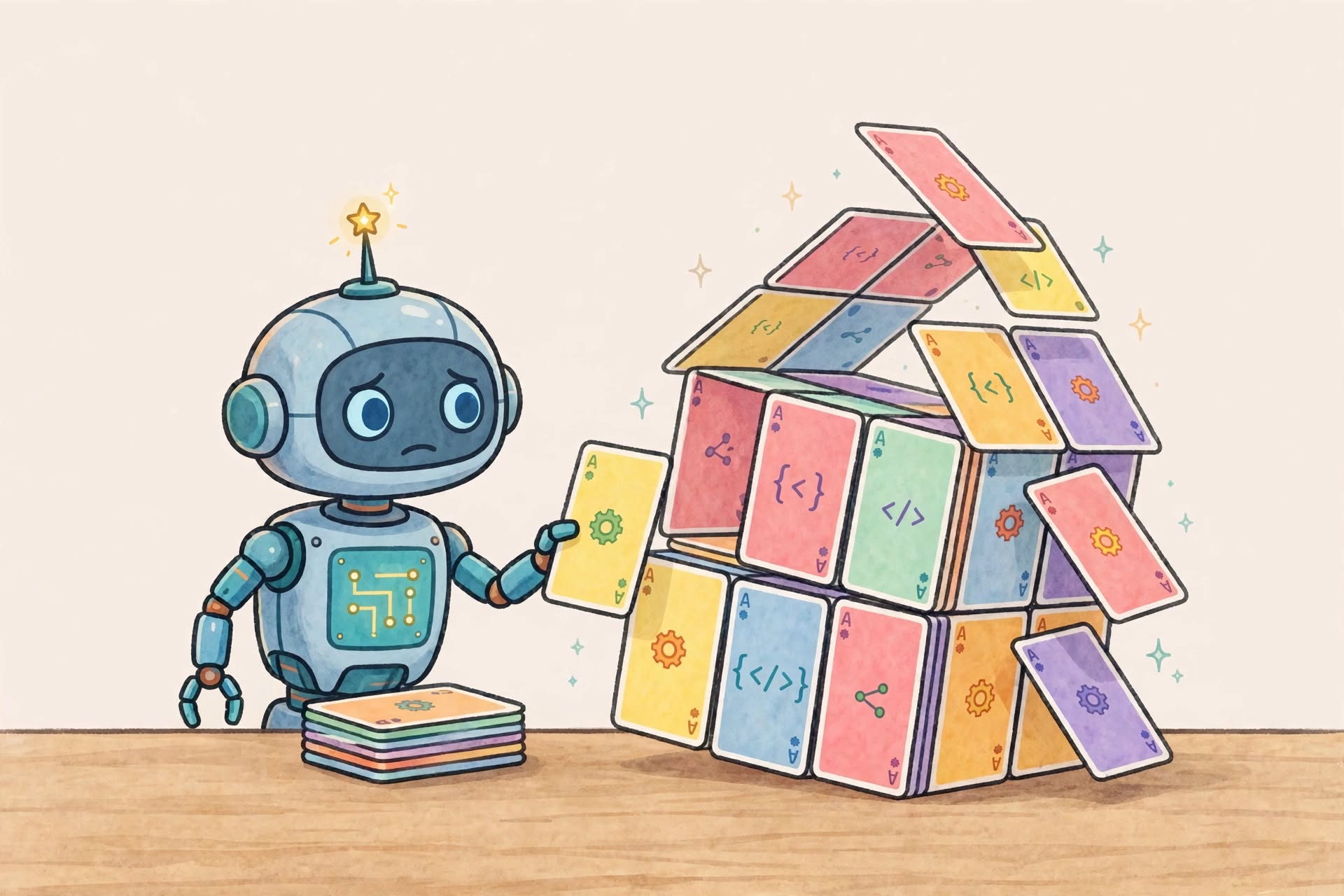
AI usage generates a fragile codebase
2026-11-10Readers discussed the article’s warning that AI-generated code can become fragile when developers rely on it without human oversight, though some argued AI can support robust code if guided by strong patterns and tests. Many expect brittle codebases to persist unless employers incentivize more thoughtful AI use.
Comments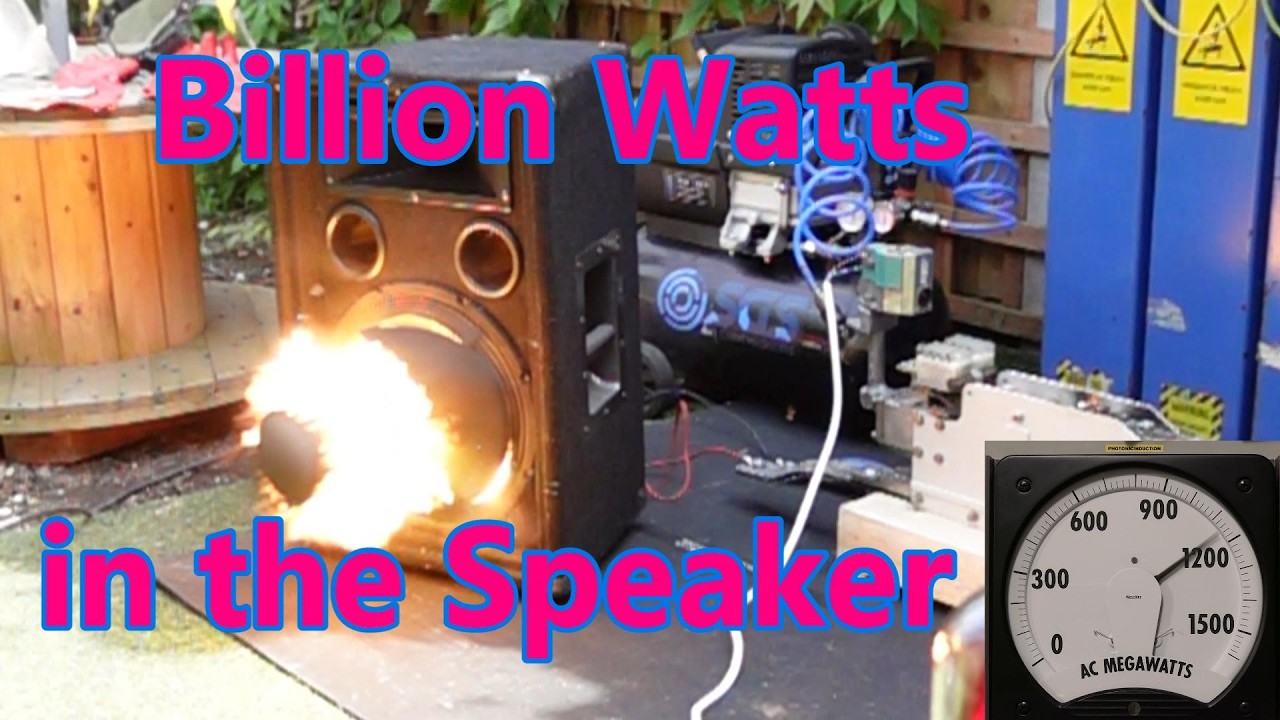
Billion Watts in the Speaker [video]
2026-11-10A video tests what happens when a 1.21-gigawatt charge is connected to a disco speaker. The speaker does not last long, making for a brief and destructive power stunt rather than a practical audio experiment.
Comments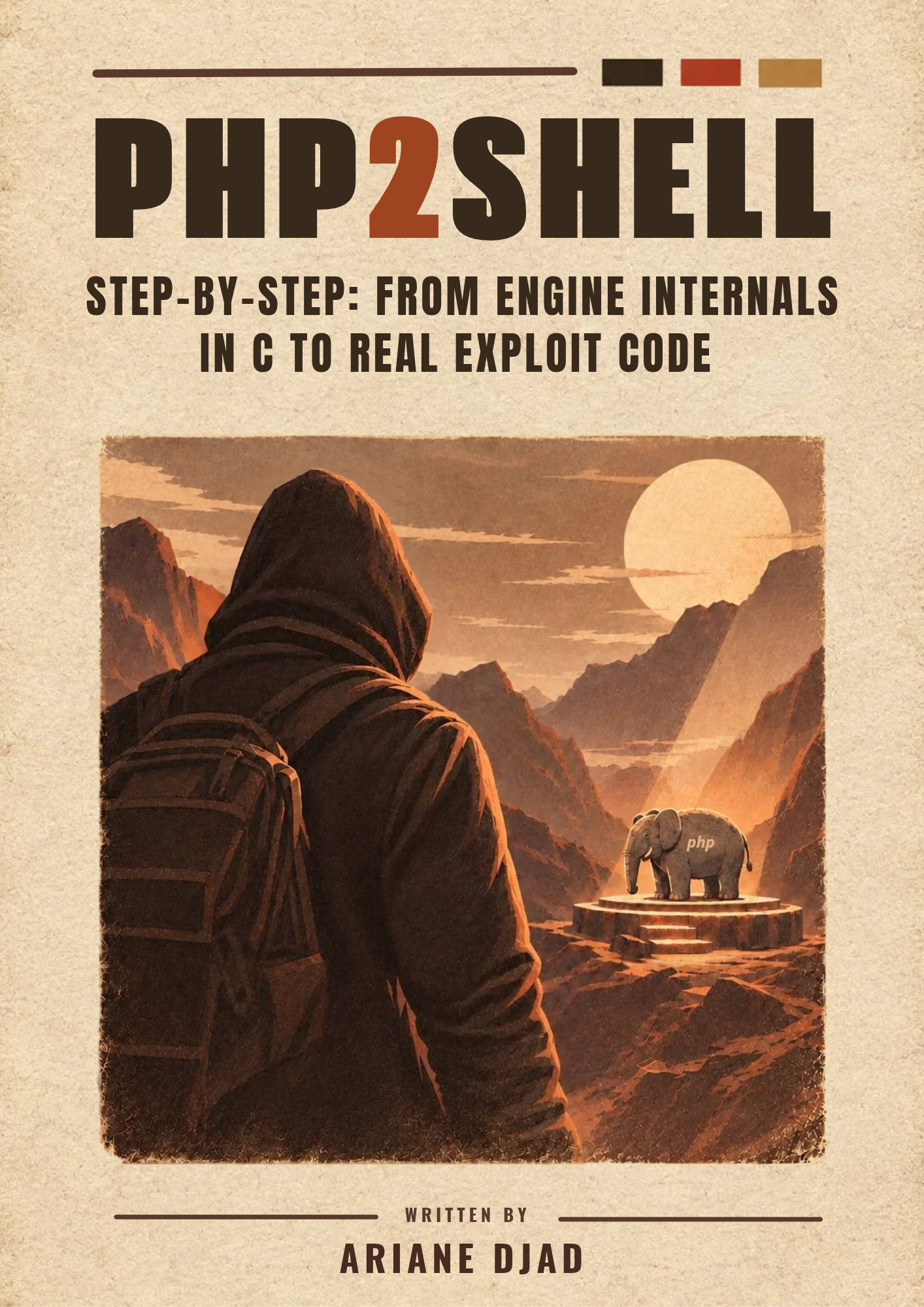
PHP2Shell Deep Dive
2026-11-10A new deep dive examines PHP2Shell, showing how CVE-2026-109618 and CVE-2026-109619 chain an out-of-memory crash into remote code execution in PHP 8.4.26. The walkthrough details heap grooming, a use-after-free, zend_string forgery, and the full exploit pipeline.
Comments
Stable URLs for 42,000 Huts and Peaks
2026-11-10Biwak.info now gives all 42,000 huts, bivouacs, and peaks stable, readable URLs such as /p/matterhorn. Unique names keep the plain slug, while shared names are disambiguated by region, elevation, then OpenStreetMap ID. A committed registry ensures a slug is never reassigned to another place.
CommentsI deleted all my SSH keys
2026-11-10A piece on deleting all SSH keys sparked reader discussion about using YubiKeys for Linux authentication beyond SSH. Readers noted that YubiKeys can log into Linux consoles via PAM, with one using the rssh module, and others said they plan to try it to move away from passwords entirely.
Comments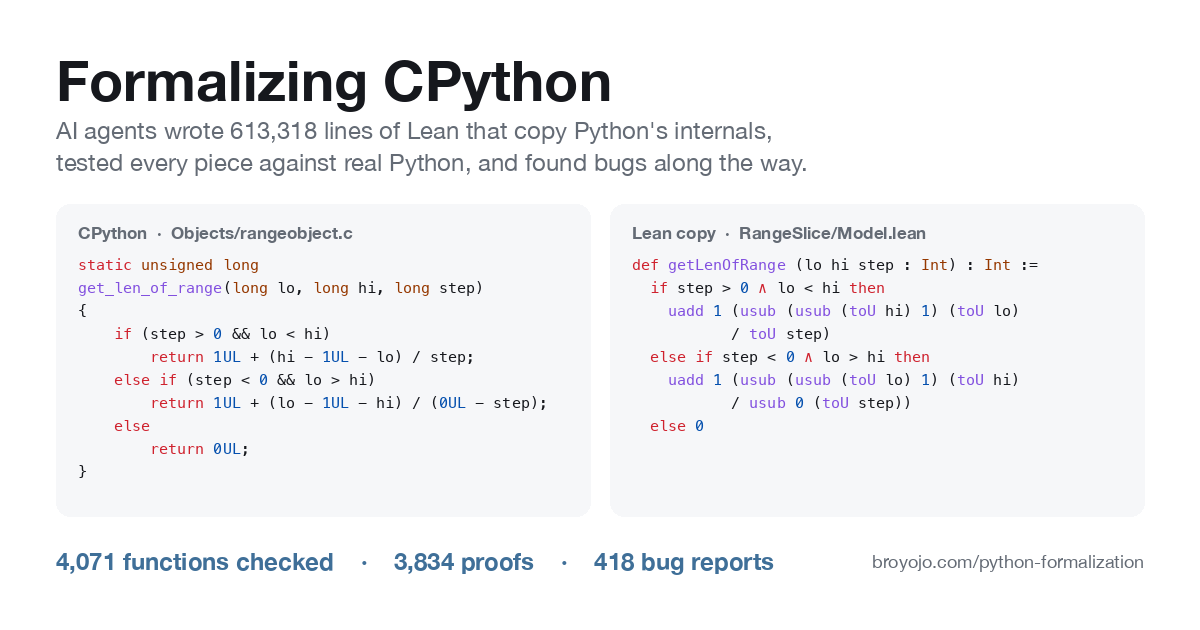
Formalizing CPython
2026-11-10AI agents formalized CPython’s internals in 613,318 lines of Lean, validating each component against real Python behavior. The effort surfaced 418 bug reports along the way.
Comments
Constant surveillance of children—through monitoring apps, school devices, and location tracking—can undermine kids’ privacy and autonomy while reshaping trust and development. The piece also examines how this pressure affects parents, who must balance safety concerns with the costs of constantly watching their children.
CommentsThe planet Vulcan: a cautionary tale
2026-11-10Nineteenth-century astronomers repeatedly reported sightings of Vulcan, a planet that did not exist, showing how expectation and observational error can shape scientific conclusions. The episode offers a cautionary lesson for contemporary scientists and students about rigorous verification and skepticism.
Comments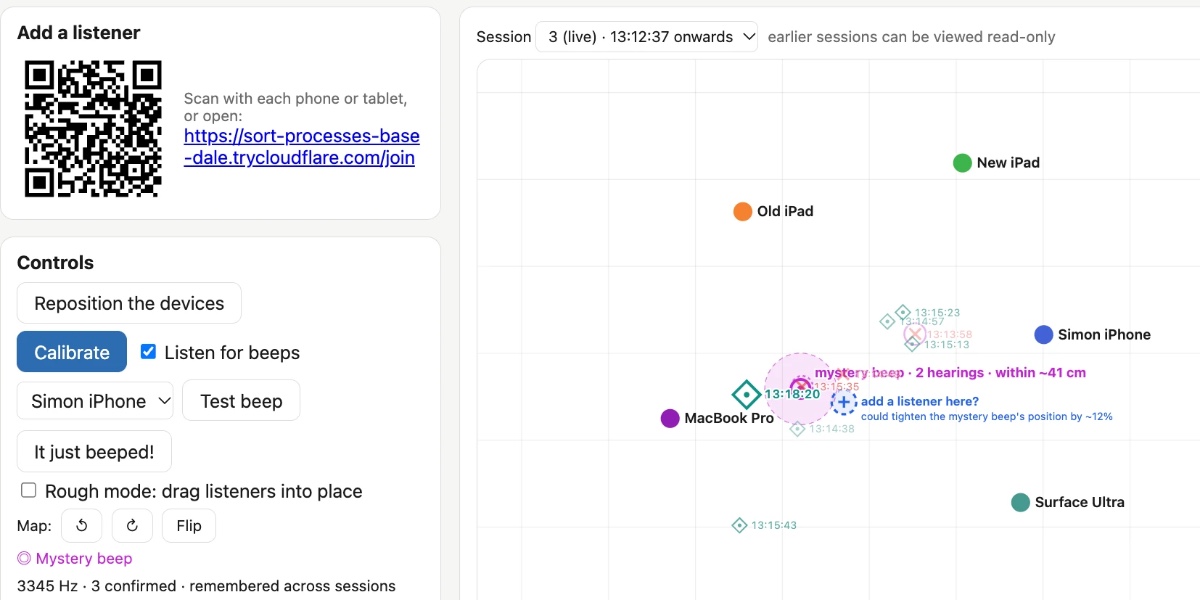
Locating the source of a mysterious beep
2026-11-10A homeowner is trying to track down an intermittent beep coming from a box room filled with unpacked moving boxes. The tech-focused advice suggests using a smartphone audio-spectrum app and checking likely culprits such as smoke alarms, watches, old phones, and other battery-powered gadgets to pinpoint the hidden device.
Comments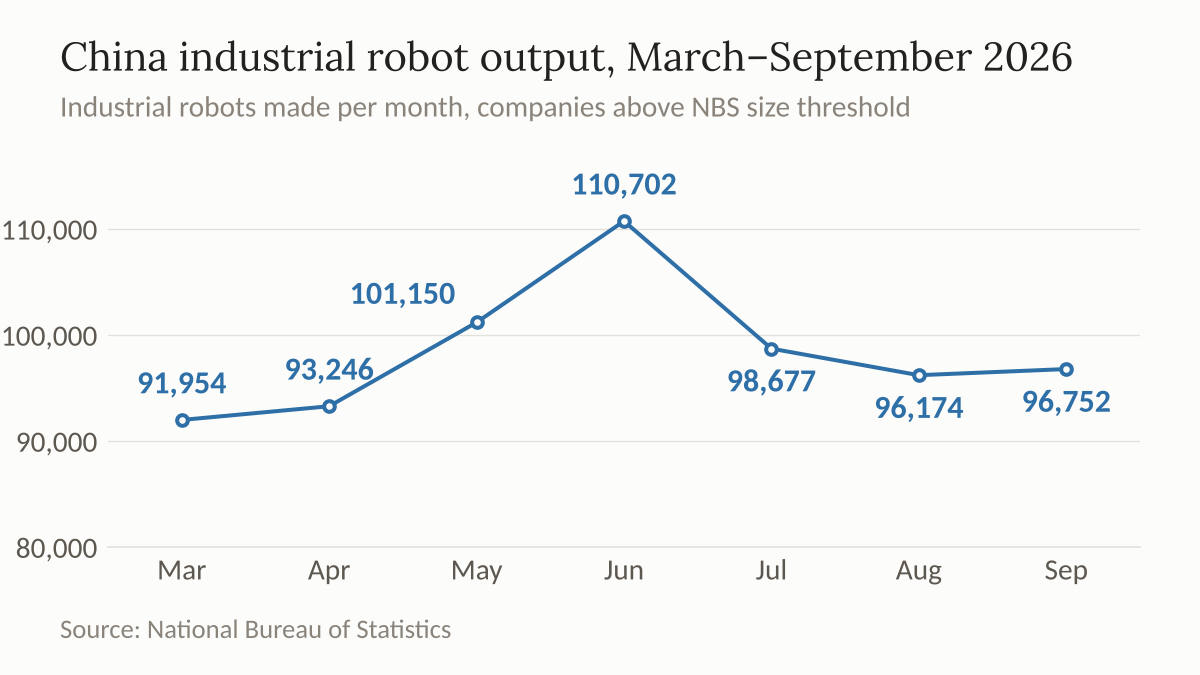
China has drafted rules requiring every robot it makes—not just humanoids—to carry a lifetime ID code, with manufacturers coding each unit before it leaves the factory. The draft leaves the start date blank.
Comments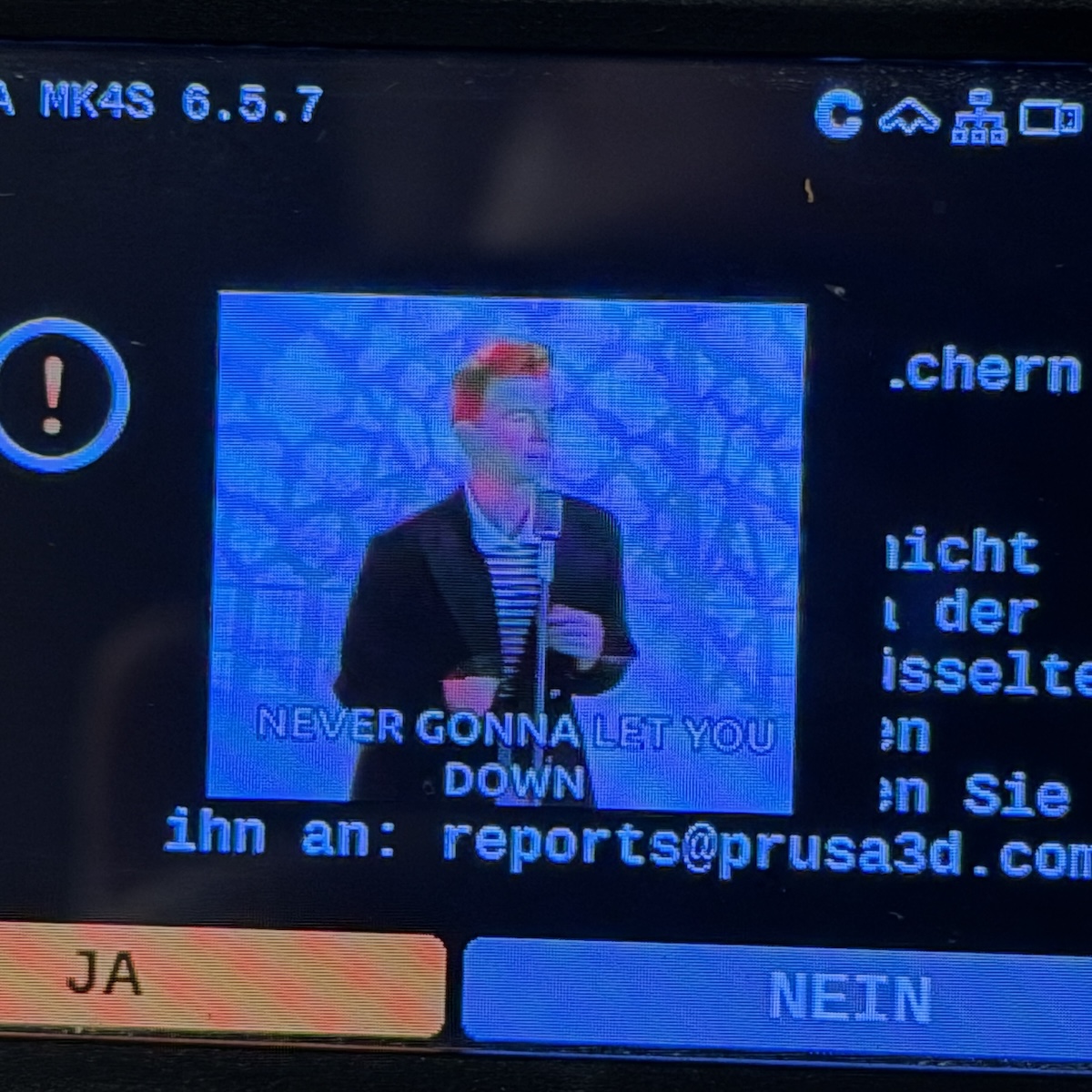
Never Gonna Print You Up
2026-11-10A researcher spent a week breaking their own Prusa MK4S 3D printer running signed upstream firmware and ultimately achieved remote code execution. The exercise shows how modern vulnerability research can uncover serious flaws in connected hardware far less tediously than before.
Comments
Global fossil fuel CO2 emissions are projected to decrease by 0.4% in 2026, according to new research. The decline is attributed to the expansion of solar and wind power and the Iran conflict.
Comments