US Tech Regulation News Today
SubmitWashington's approach to regulating technology is evolving, and this section keeps score. Coverage includes congressional legislation, FTC and FCC actions, AI oversight proposals, privacy bills, and court rulings that define what tech companies can do in the United States. It offers a clear window into the policy fights shaping the industry.
The stream of stories takes in AI executive actions and agency guidance, the patchwork of state privacy and AI laws filling the federal vacuum, Section 230 and content moderation battles, and court decisions that redraw agency authority. Lobbying pushes and hearing-room clashes provide the running drama.
American rules carry global weight because so many of the world's largest technology companies answer to US law first. Policy professionals, in-house counsel, founders planning products around compliance, and citizens concerned about technology's role in public life all track this coverage to anticipate what comes next.
2026-08-18
A judge has established a framework for Nine PBS to retrieve its archival data, prompting readers to compare the dispute to the recent Synapse bankruptcy where a middleman's failure left end-users without regulatory protection. The discussion underscores the critical need for clearer regulations to prevent tech and fintech companies from bypassing established legal frameworks under the guise of business innovation.
Comments
California has implemented the nation's first tire efficiency standards to address an often overlooked factor in overall fuel economy. These new regulations are projected to save drivers approximately one billion dollars annually at the gas pump.
Comments
2026-08-01

Big Food vs. the People
2026-08-01A new report exposes how major food corporations have filed 239 lawsuits to block public health policies designed to protect consumers. These legal challenges target life-saving nutritional regulations aimed at reducing diet-related diseases. The findings highlight the aggressive and ongoing battle between industry giants and public health advocates.
Comments2026-07-31

Google will roll out expanded age verification checks across its Android platform globally by the end of the year. The worldwide implementation of these checks aims to enhance digital safety and ensure compliance with regional regulations.
Comments2026-07-19

New York City Mayor Mamdani has announced proposed regulations requiring landlords and real estate agents to disclose the use of artificial intelligence in property listings. This initiative is designed to increase transparency and protect tenants navigating the city's housing market.
Comments2026-07-18

A new European Union ban on the destruction of unsold clothing and footwear has officially taken effect. Under these regulations, businesses are required to prioritize sustainability by selling excess inventory or preparing items for reuse. This policy aims to significantly reduce textile waste and promote circular practices across member states.
Comments2026-07-14
The kids with phones are alright
2026-07-14Discussions surrounding a recent article on youth smartphone access highlight concerns that algorithmic social media poses severe mental health and developmental risks to children. While many commenters advocate for strict regulations or outright bans to protect minors, others warn that such legislation could lead to government overreach and narrative control under the guise of child protection. The debate underscores the complex challenge of mitigating the harms of social media without sacrificing broader digital freedoms.
Comments2026-07-12

A new federal regulation threatens to cut off federal student loans for college programs where graduates earn less than workers without a degree. While the rule aims to protect students from unmanageable debt, it raises broader questions about whether the value of a college degree should be measured solely by financial outcomes.
Comments2026-07-10

The European Commission has ruled that Instagram and Facebook are in breach of the Digital Services Act due to their use of addictive design features. This regulatory action targets parent company Meta for implementing platform mechanics that prioritize user engagement over well-being. Consequently, the social media platforms will be required to modify their applications to fully comply with these European digital regulations.
Comments2026-07-07
Chat Control 1.0 and 2.0 Explained
2026-07-07This article explains the key differences between the EU's proposed Chat Control 1.0 and 2.0 regulations. It provides a clear overview of their respective legislative timelines and implementation goals. Finally, it details the current status of the legislation and where the ongoing debates stand today.
Comments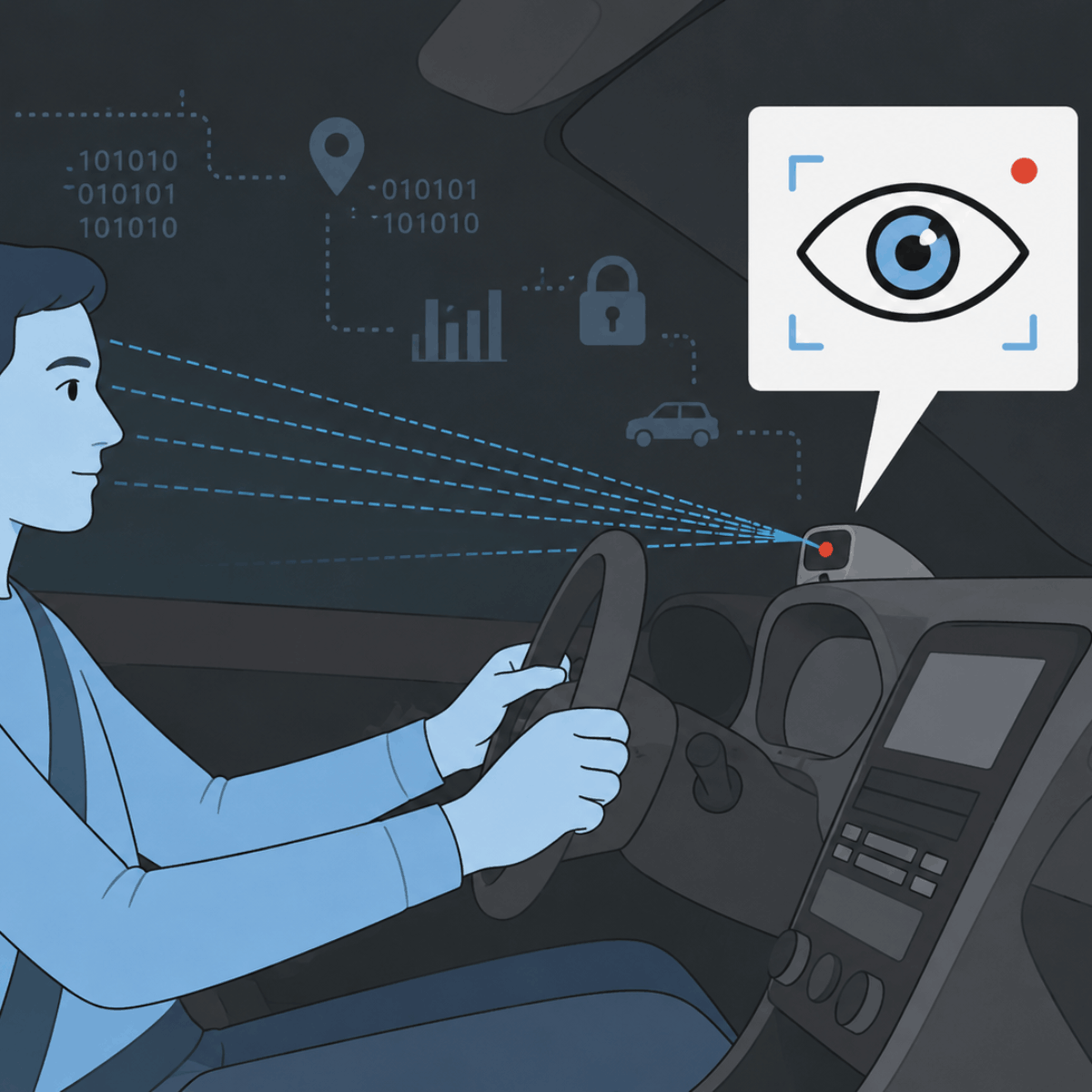
Under new European Union regulations, all new cars must be equipped with driver monitoring cameras to help prevent accidents caused by distracted driving. While the mandate aims to improve road safety, the privacy safeguards and data handling rules for these in-car systems remain largely unresolved.
CommentsNotes on Software Quality
2026-07-07The article Notes on Software Quality explores the elusive nature of creating flawless software and the immense difficulty of getting experts to reach a consensus. Although the technical premise touches on the challenges of software perfection, the accompanying reader comments quickly abandon the topic. Instead, the community devolves into a humorous, off-topic debate regarding toothpaste brands, ingredient regulations, and the personal effects of ingesting toothpaste.
Comments2026-07-06

Nintendo will begin releasing revised versions of its products in Europe with replaceable batteries starting in the summer of 2026. The move ensures the company's hardware complies with new European Union regulations that will mandate user-replaceable batteries by February 2027.
Comments2026-07-04

The rapid proliferation of satellites and proposed space mirrors is raising significant concerns among astronomers regarding the degradation of the night sky. These objects reflect sunlight and create light pollution that interferes with ground-based astronomical observations. Experts warn that without stricter international regulations, the uncontrolled growth of space infrastructure will permanently alter our view of the cosmos.
Comments2026-07-02

Virginia has passed legislation prohibiting the sale of precise geolocation data to protect consumer privacy. The ban targets data brokers and tech companies that monetize users' exact physical locations, marking a significant step in state-level digital privacy regulation.
Comments2026-07-01
Sony's revocation of access to 551 previously purchased PlayStation movies has sparked widespread outrage and renewed calls for legislation to protect digital ownership rights. Consumer advocates are urging lawmakers to treat digital purchases as permanent property rather than revocable licenses, arguing that strong regulations in major markets would force companies globally to stop removing paid content.
Comments2026-06-30

A new non-invasive brain-computer interface technique leverages machine learning and EEG data to translate brain waves into text without surgery, offering incremental but notable improvements over existing methods. However, the technology has sparked intense debate over neural privacy and corporate data tracking, prompting experts to urge lawmakers to establish strict national regulations before such commercial mind-reading tools become widespread.
Comments2026-06-29
Governments across the US, Europe, and Australia are introducing age verification regulations under the guise of protecting children. However, these new rules may actually serve as a stepping stone toward broader digital surveillance. Ultimately, this framework could act as a precursor to the automated tracking and attribution of all online speech.
Comments2026-06-27

A combination of incoming international investment and restrictive local regulations is causing market prices to rise much faster than supply can meet. This growing economic disparity presents ongoing challenges for scaling critical resources and infrastructure in the technology sector.
Comments2026-06-25

New internet regulations requiring age verification are effectively forcing Americans to undergo mandatory identity checks, ushering in a papers, please era of the web. Consequently, these measures will severely decimate online privacy for everyday users.
Comments2026-06-09
Apple decided against rolling out Siri in the European Union after regulators denied its request for an 18-month exemption to comply with local laws. While some observers view this withdrawal as a strategic play to generate consumer sympathy by blaming the EU, others praise the strict regulatory enforcement and Apple's choice to withhold the service rather than compromise on compliance.
Comments2026-06-05

Under new telecommunications regulations, the South Korean government is requiring all online forums to scan user-uploaded images and videos using AI censorship tools. This mandate aims to enforce stricter content moderation across the country's internet communities. However, the requirement will force platform owners to invest heavily in the hardware necessary to process such a massive volume of digital media.
Comments2026-06-02

President Trump signed a scaled-down executive order on artificial intelligence following weeks of policy reversals. This action comes after he postponed a broader, similar measure last month, resulting in a more streamlined approach to federal AI regulation.
CommentsPrivacy advocates warn that Big Tech is designing a two-track privacy system by introducing built-in browser tracking features that bypass the strict consent regulations required of third-party advertisers. By enabling these proprietary tracking tools by default and hiding opt-out options in browser settings, companies aim to eliminate annoying cookie banners while seamlessly retaining their ability to collect user data.
Comments2026-06-01
The June 2026 Hacker News job-seeking thread features numerous tech professionals seeking remote roles, with a prominent focus on artificial intelligence, large language models, and full-stack software engineering. Candidates are actively pitching their ability to build scalable backend systems, develop AI-powered SaaS applications, and solve complex, regulation-heavy technical challenges for startups and enterprise clients worldwide.
Comments2026-05-30

The White House has proposed new Office of Management and Budget regulations that would give political appointees final approval over federal research grants. These proposed changes would render the federal research grant review process opaque.
Comments2026-05-26
A portentous reunion
2026-05-26A recent article addresses parental anxieties regarding a rapidly changing future, arguing that education should prioritize teaching children adaptability and emotional regulation over specific technical skills. The author also reflects on the irony of using an AI language model to discuss the dangers of technological dehumanization, emphasizing that the future will inevitably remain highly uncertain.
Comments2026-05-04

Beginning in 2027, a new European Union regulation will require all smartphones sold in the region to feature removable batteries. This mandate represents a major shift in modern device design for manufacturers. For users, the change means they will once again easily be able to swap out their own power cells to extend the life of their devices.
Comments2026-05-03

I built my own hair electrolysis machine
2026-05-03A maker has built a DIY hair electrolysis machine featuring voltage regulation and shared their build details and results with the community. The accompanying discussion explored technical questions about the device's hardware costs, pain levels, and procedural speed compared to professional treatments. Additionally, the thread highlighted the active trans community within the hacker scene, sparking humorous tangents about DIY hormone extraction.
Comments2026-05-02

California will begin issuing traffic tickets directly to the manufacturers of autonomous vehicles when their self-driving cars violate traffic laws. Under the new regulations, police will hold the automakers financially responsible for the infractions rather than the passengers inside the vehicle. This policy shift places the ultimate burden of safety and compliance squarely on the companies developing autonomous technology.
Comments