Tech News Last 24 Hours
When you just want to catch up quickly, this section collects the freshest technology stories from across the industry. Coverage spans artificial intelligence, software, hardware, startups, and big-company news. It is built for readers who want a fast, current snapshot of what is happening in tech.
On any given day the mix might include an overnight AI announcement, a security incident still unfolding, earnings released before the market opened, and a startup emerging from stealth. Because the emphasis is on recency, the section captures the industry's rhythm of launches, deals, and surprises as they land.
A quick-catch-up format suits people with limited time who still need to stay informed: professionals preparing for morning meetings, writers and analysts scanning for developments, or anyone returning from a day offline. It answers the simple question of what changed in tech since you last looked.

A frontend developer shares a personal anecdote about the unexpected challenges of rendering mixed-content Arabic typography in modern web applications. The article explores how the complex linguistic and directional rules of Arabic script often force developers to rely on brittle workarounds that ultimately contribute to significant technical debt.
Comments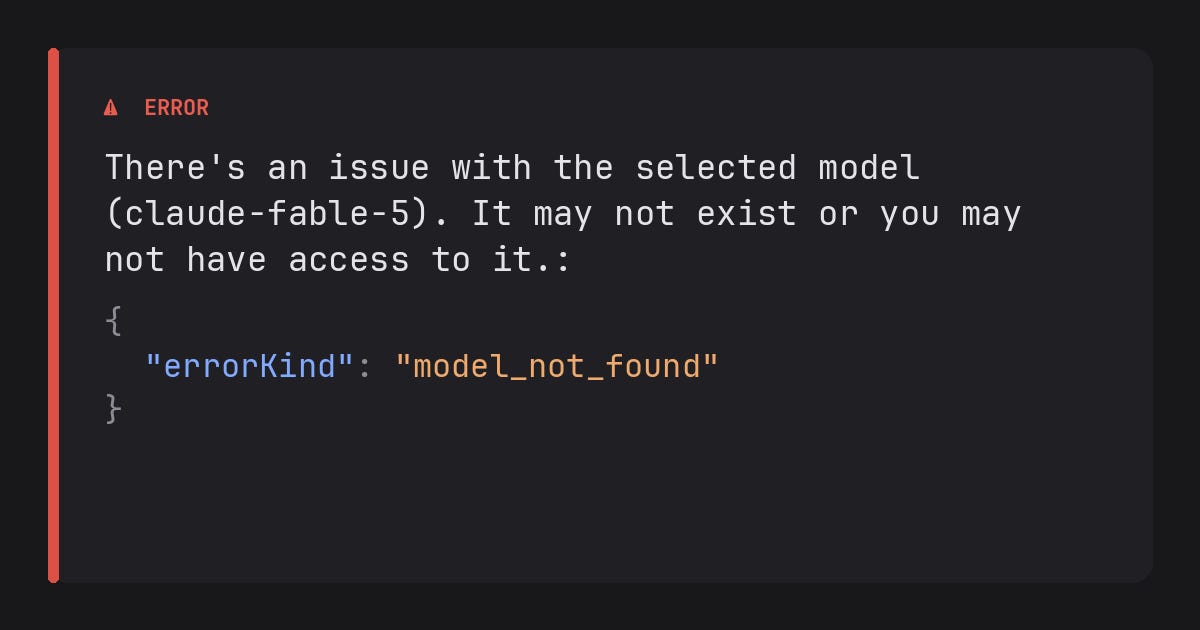
AI startup Fable is facing growing skepticism over the authenticity of its AI agent demonstrations, casting a shadow over the company's reputation. The author laments that this ongoing controversy is a major distraction from spending a relaxing Friday coding with their own AI tools.
Comments
A developer has successfully written a custom x86 BIOS from scratch to run DOS on the Behringer DDX3216 digital mixer by leveraging its PC-compatible AMD Elan system-on-chip. The DIY effort prompted technical suggestions from the community regarding memory management and hardware compatibility. It also sparked mild debate after the creator used an AI model to generate the system font file rather than downloading an easily accessible existing alternative.
Comments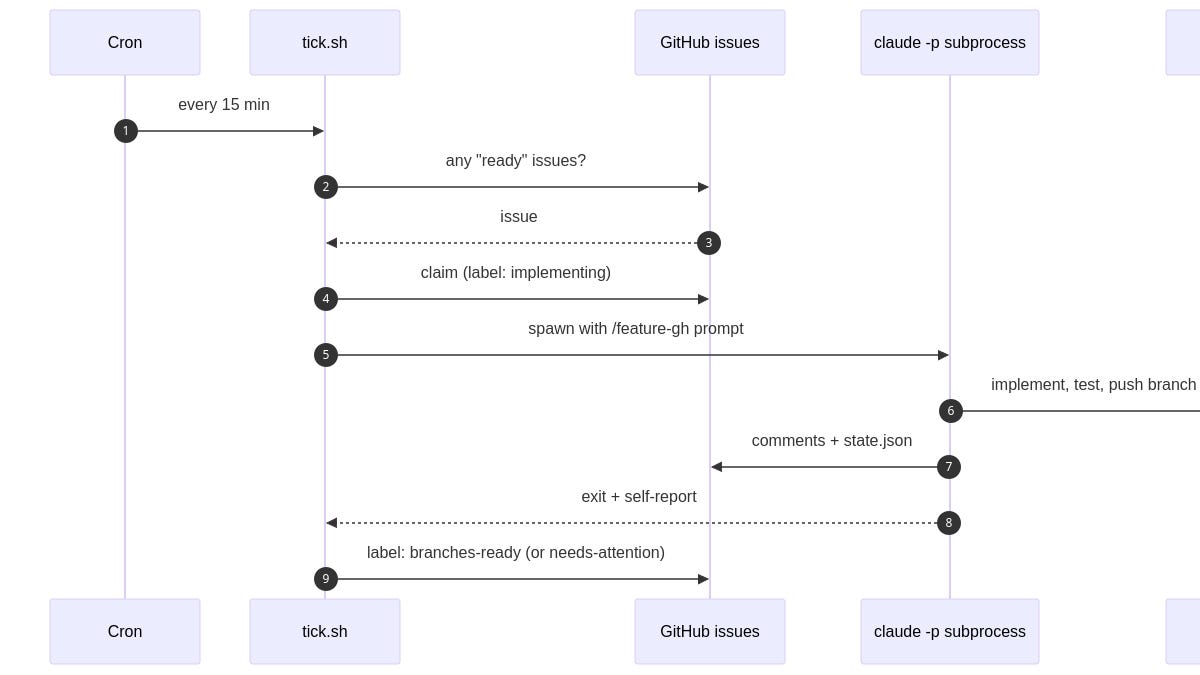
Automating myself out of development
2026-06-13A developer details their experiment in using Claude Code to progressively automate tasks and remove themselves from the active software development cycle. The article explores the realities of this AI-driven workflow while ultimately questioning if completely replacing human involvement in coding is truly achievable.
Comments
Researchers from the Innovative Genomics Institute have developed a new CRISPR technique capable of selectively shredding cancer cells, including aggressive strains previously considered undruggable. By precisely targeting malignant cells, this breakthrough offers a highly focused approach to destroying tumors without harming surrounding healthy tissue. The advancement holds significant potential for revolutionizing cancer treatments and tackling some of the most resistant forms of the disease.
Comments
Electric motors with no rare earths
2026-06-12Renault Group is distinguishing itself in the automotive market by pioneering electric motors that operate entirely without rare earth metals. The automaker is strategically reasserting its commitment to this unique technology to maintain a competitive advantage in the electric vehicle sector.
CommentsCorporate reward systems often inadvertently penalize proactive problem prevention by praising reactive heroics instead. Because non-technical management typically ignores quantified future risks until they escalate into visible crises, competent IT departments are underfunded while struggling teams get rewarded for dramatic saves. This disconnect creates a systemic flaw where employees are incentivized to let problems manifest rather than quietly fixing them before they occur.
Comments
Claude Fable is relentlessly proactive
2026-06-12Early hands-on experience with Claude Fable 5 reveals an AI model defined by its relentlessly proactive behavior and extensive technical toolkit. Users note that the system effectively anticipates needs and leverages a wide variety of advanced techniques to assist with tasks.
CommentsDiscussions surrounding the improvement of AI-generated frontend designs reveal community frustrations with the repetitive and overly uniform aesthetics currently produced by AI tools. While developers experiment with hybrid tech stacks and strict minimal palettes to combat this visual monotony, many feel current outputs still resemble low-effort slop. To address this, readers expressed a desire for more diverse AI design showcases to push the technology beyond its current standardized look.
Comments
The House of Representatives passed H.R. 6028, officially framed as a minor technical reorganization of government agencies. Despite its modest presentation, the legislation would enact fundamental structural changes to the U.S. Copyright Office. This overhaul could significantly impact intellectual property administration and the broader technology sector.
Comments
The Agent Security League recently benchmarked Claude Fable 5 on 200 real-world coding tasks to evaluate its programming capabilities. The assessment revealed that the model achieved only mid-tier results in this technical evaluation.
Comments
The creator of the hit video game Prince of Persia reveals the low-tech methods used to achieve its groundbreaking animation before modern software existed. To capture the fluid character movements, he filmed his brother performing stunts like running and climbing in a local car park.
Comments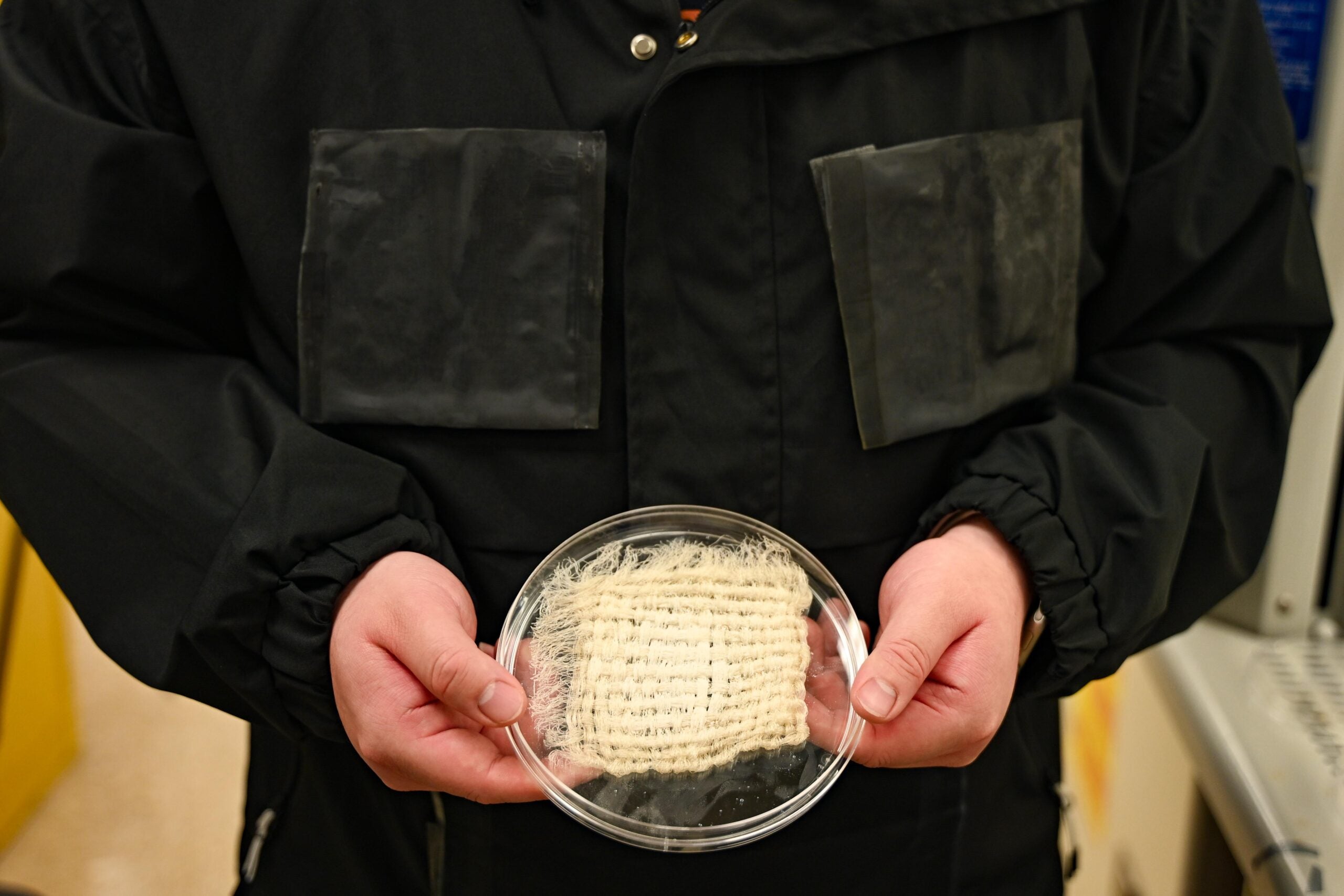
Researchers at The University of Texas at Austin have developed a wearable jacket that extracts drinking water directly from the surrounding air. This innovative technology utilizes advanced materials to capture atmospheric moisture, providing a portable hydration solution for arid environments and outdoor activities.
CommentsA new local command-line tool called erm removes speech disfluencies from English audio recordings by combining faster-whisper transcription, direct audio analysis, and ffmpeg. The release highlights the surprising technical complexities involved in cleanly identifying and excising filler words from spoken audio.
Comments
The rise of AI-generated code, documents, and debug reports is sparking a new workplace etiquette debate about sharing automated output with colleagues. Tech teams are questioning when it is appropriate to forward raw AI work to human readers, emphasizing that individuals should demonstrate genuine human effort when requesting a peer's attention.
Comments
Lines of code got a better publicist
2026-06-11A new article argues against measuring AI-assisted engineering productivity with vanity metrics like lines of code. Instead, tech leaders should focus on evaluating actual business and technical outcomes to accurately determine the true impact of AI development tools.
CommentsPetition to Withdraw Canada's Bill C-22
2026-06-11A petition is urging the Canadian government to withdraw Bill C-22 and the upcoming Bill C-34, legislation that critics warn will severely compromise digital privacy through encryption backdoors and bulk metadata retention. Meanwhile, industry observers are debating whether these strict surveillance measures will further stifle Canada's domestic tech sector or if the ecosystem's struggles stem primarily from local investment and capital market deficiencies.
Comments
Data from 30 billion Pokémon Go scans has been utilized to train advanced spatial navigation technology for military drones. The massive crowdsourced dataset provides highly detailed mapping capabilities that are now transitioning from mobile gaming to the defense sector. This military application was made possible through a strategic partnership between Niantic Spatial and Vantor.
CommentsFPS.cob: A first person shooter in COBOL
2026-06-11A developer has launched an open-source project that brings the first-person shooter genre to the legacy programming language COBOL. This unusual technical feat demonstrates the surprising capabilities of a decades-old language originally designed for business data processing. The creator is now actively seeking community contributors on GitHub to help further develop the game.
Comments
Vacuum-Form Signage
2026-06-11This article explores the history and manufacturing process behind vacuum-formed signage, detailing how this fabrication technique became essential for branding Main Street America. It delves into the enduring visual impact of these ubiquitous plastic signs on local commerce and our daily environments.
Comments
Doing nothing at work
2026-06-11Reader discussions surrounding a tech article reveal that software engineers are often ignored for preventing problems while being rewarded for heroically fixing the very outages they could have avoided. To survive these misaligned corporate incentives, developers share strategies ranging from building complex tools to make themselves indispensable, to using code ownership rules to force poor coders to fix their own messes. The conversation highlights a widespread industry culture that unfortunately values flashy firefighting over quiet, competent prevention.
Comments
A recent tech article argues that CEOs who view artificial intelligence as a direct replacement for human workers are demonstrating poor leadership. The author highlights several recent examples of executives sending company-wide emails praising large language models while suggesting headcount reductions. Ultimately, the piece suggests that relying on AI to eliminate staff stems from a fundamental misunderstanding of both the technology and effective management.
Comments
Cybersecurity professionals are criticizing Anthropic's newly released AI model, Fable, for its overly restrictive safety guardrails. Researchers argue that these stringent limitations severely hinder the model's utility for legitimate cybersecurity tasks.
Comments
Mercedes-Benz has officially begun large-scale production of its advanced electric axial flux motor to significantly increase power density and efficiency for its upcoming electric vehicles. This manufacturing milestone marks a major technological step in the automaker's broader strategy to expand its lineup of high-performance electric mobility solutions.
Comments
In a recent essay, Oscar argues that the tech community should pivot from traditional software hackathons to hardware-focused events. He explains that building physical prototypes fosters a unique type of collaboration and tangible innovation that coding marathons lack. This shift highlights a growing industry trend toward hands-on engineering over purely digital development.
Comments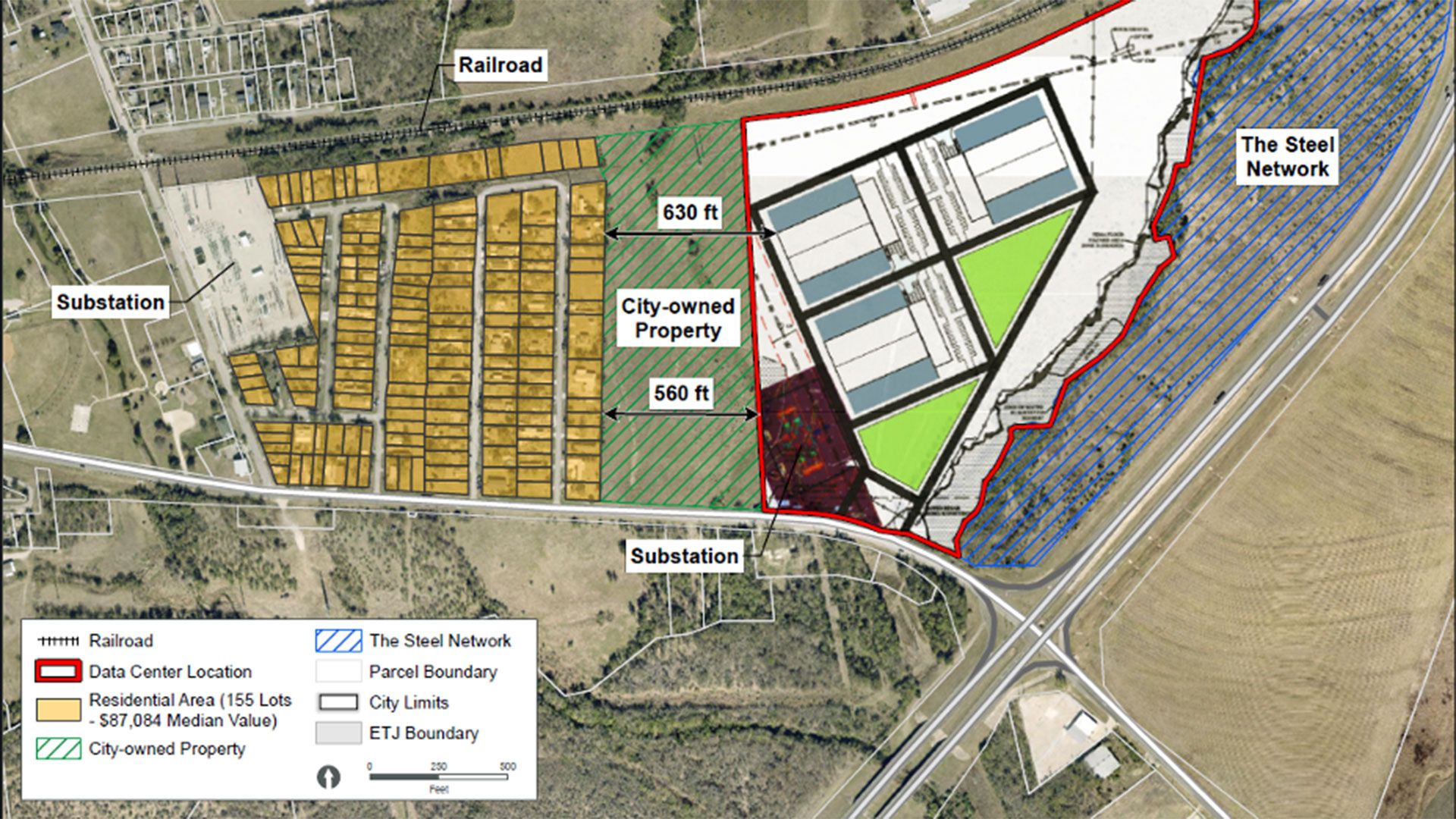
A Texas city ignored a restrictive deed and sold land originally donated by a local farmer for a public park for $10 million. The controversial sale will transform the green space into a new data center, sparking outrage over the prioritization of tech infrastructure expansion over the donor's wishes.
Comments
German director Lotte Reiniger's The Adventures of Prince Achmed was originally released a century ago in 1926. The historic movie holds the title of the world's oldest surviving animated feature film and remains a pioneering milestone in the evolution of animation technology.
Comments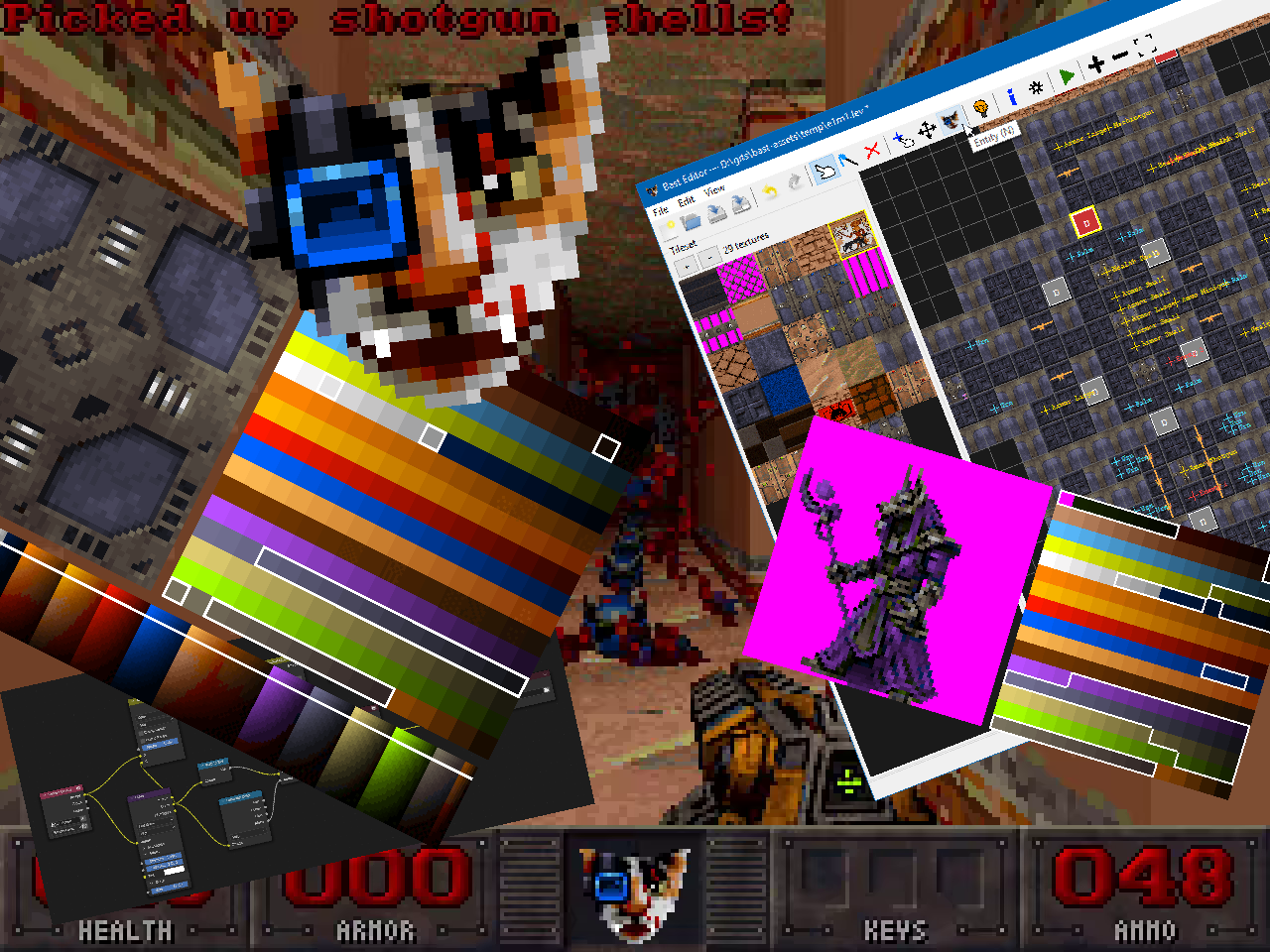
Making Graphics Like it's 1993
2026-06-09This deep dive explores the technical asset creation pipeline behind the game Catlantean 3D, detailing how developers recreate a nostalgic 1993 visual aesthetic. The article breaks down the specific retro rendering techniques and workflows used to achieve this classic early 3D look for modern audiences.
Comments
Microsoft has shut down dozens of GitHub repositories hosting open-source Azure and AI coding tools following a targeted security breach. The hack was specifically designed to steal passwords and credentials belonging to AI developers.
Comments
Cleaning up after AI rockstar developers
2026-06-09The article examines the long-term maintenance struggles and technical debt left behind by rockstar developers who prioritize rapid innovation over sustainable code. It highlights how the rise of AI-assisted development is exacerbating this issue, forcing engineering teams to spend significant time cleaning up highly complex and often unmanageable software.
Comments