Tech Law News
Technology companies spend a growing share of their time in courtrooms. This section follows the legal side of the industry, gathering news on lawsuits, court rulings, copyright and patent disputes, and the legal questions raised by new technologies such as artificial intelligence.
Typical stories include judges ruling on platform liability, copyright cases over training data and generated content, patent fights between device makers, class actions over privacy and data breaches, and companies suing or being sued by governments and competitors.
Court decisions set the rules that products must follow, often long before lawmakers act. Founders, developers, lawyers, and policy watchers follow this coverage to understand which practices carry legal risk and how precedents are reshaping the industry.
2026-08-11
A Dutch consumer rights foundation is launching a class-action lawsuit against Sony for allegedly overcharging players with an unjustified tax on digital PlayStation games. The collective legal action, aligned with the Stop Killing Games campaign, aims to eliminate these inflated digital prices. PlayStation owners are encouraged to join the lawsuit to demand fairer pricing for their digital game purchases.
Comments2026-08-10
A Japanese court has overturned Red's controversial RAW video patent, which covered the compression of raw sensor data prior to debayering. The decision ends the company's nearly 20-year hold on the technology and may eliminate licensing fees for users of Apple's ProRes RAW codec. Camera enthusiasts are praising the ruling, noting the patent was overly broad and stifled market innovation.
Comments
2026-08-09
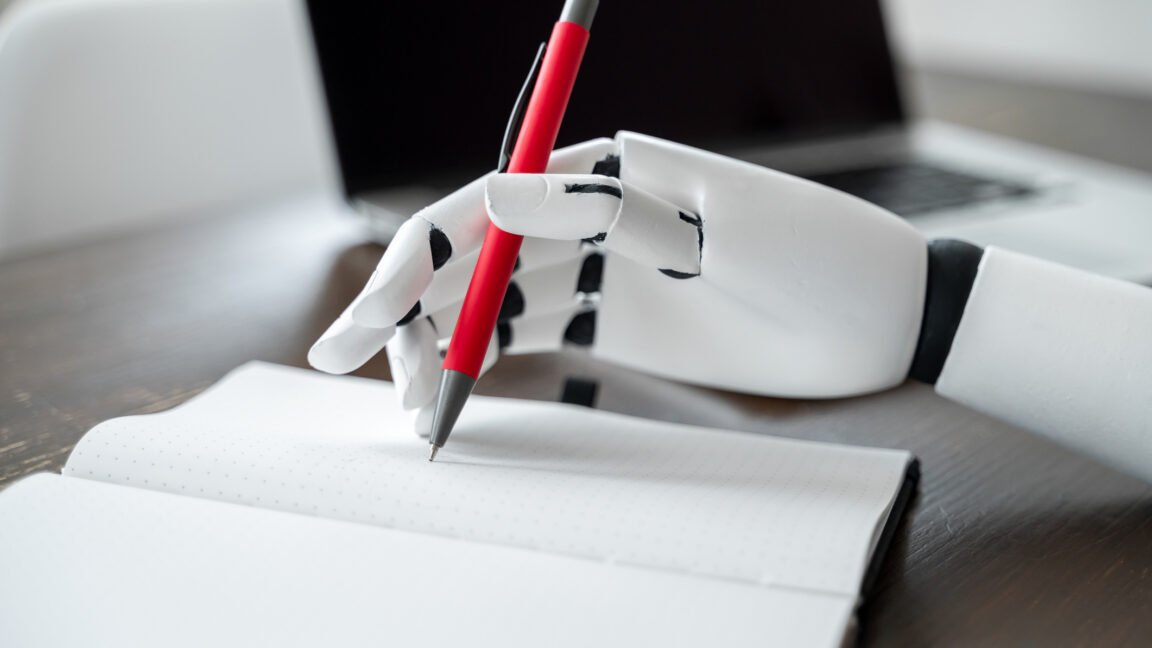
ChatGPT has been updated to block direct prompts asking the AI to mimic a specific author's writing style. Although the model will no longer copy exact styles, it can still capture a writer's broader literary qualities. This change aims to mitigate potential legal and copyright implications surrounding AI-generated text.
Comments2026-08-08
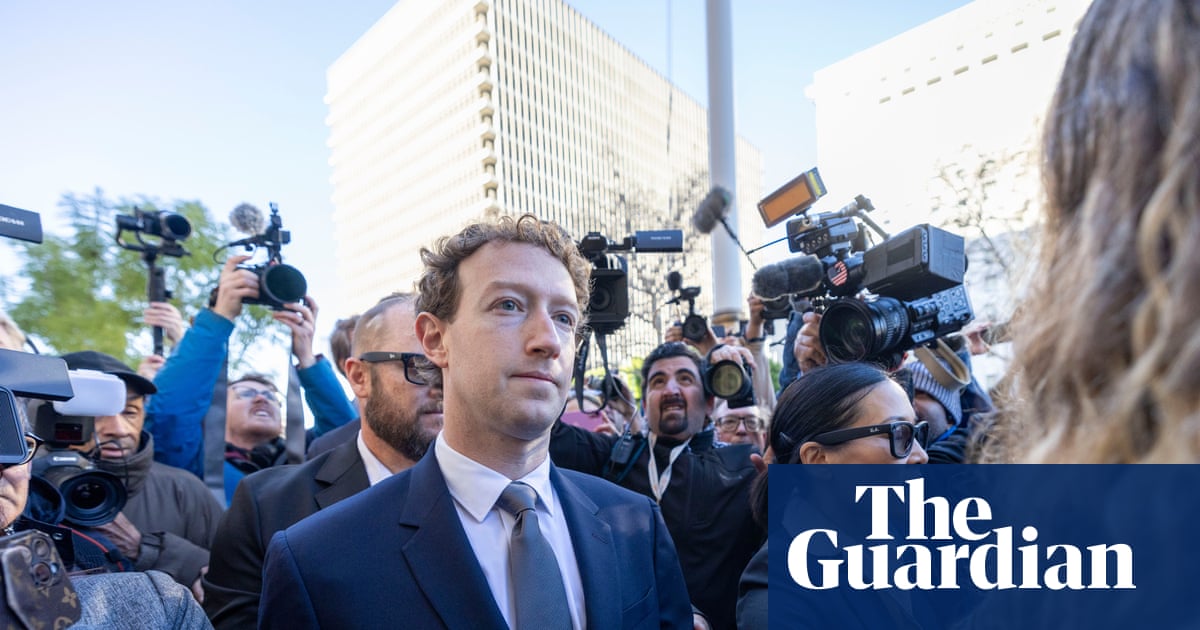
A New Mexico court has ordered Meta to pay $567 million in damages for harms caused to children's mental health. The ruling follows the second phase of a landmark trial that previously found the social media company enabled harm against its users.
Comments2026-08-07
A New Mexico judge has ordered Meta to pay $942 million after ruling that its social media platforms created a public nuisance that harmed children and burdened public resources. The decision relies on the state's public-nuisance law and requires a significant portion of the funds to be used to abate the resulting damages. However, critics argue the ruling relies on an overly broad legal interpretation and predict the decision will be vacated upon appeal.
Comments2026-08-01
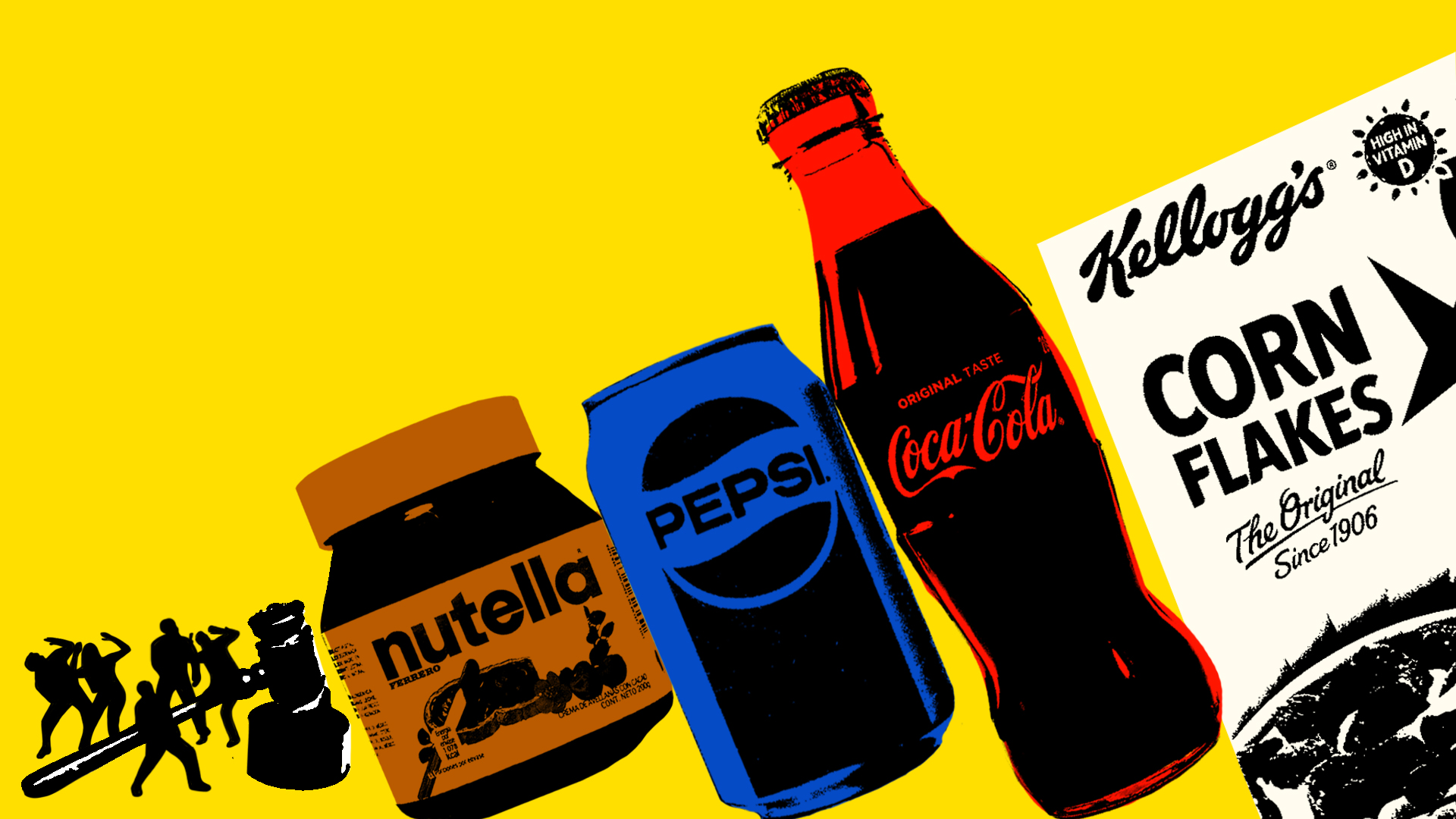
Big Food vs. the People
2026-08-01A new report exposes how major food corporations have filed 239 lawsuits to block public health policies designed to protect consumers. These legal challenges target life-saving nutritional regulations aimed at reducing diet-related diseases. The findings highlight the aggressive and ongoing battle between industry giants and public health advocates.
Comments
A past and future of trade secrets
2026-08-01Readers criticized the original article for its confusing and overly philosophical tone, but acknowledged the importance of its core subject regarding intellectual property. Over the last two decades, US patent protections have weakened while trade secret laws have significantly strengthened. Consequently, major technology companies are increasingly able to conceal the inner workings of search algorithms and self-driving systems within undocumented black boxes.
Comments2026-07-28

A judge has dismissed Google's attempt to use a DMCA 1201 lawsuit to stop companies from scraping its search results. The legal action was criticized as hypocritical because Google's entire business model is built on web scraping. This rejection deals a significant blow to the company's effort to use copyright law to restrict third-party data collection.
Comments2026-07-25
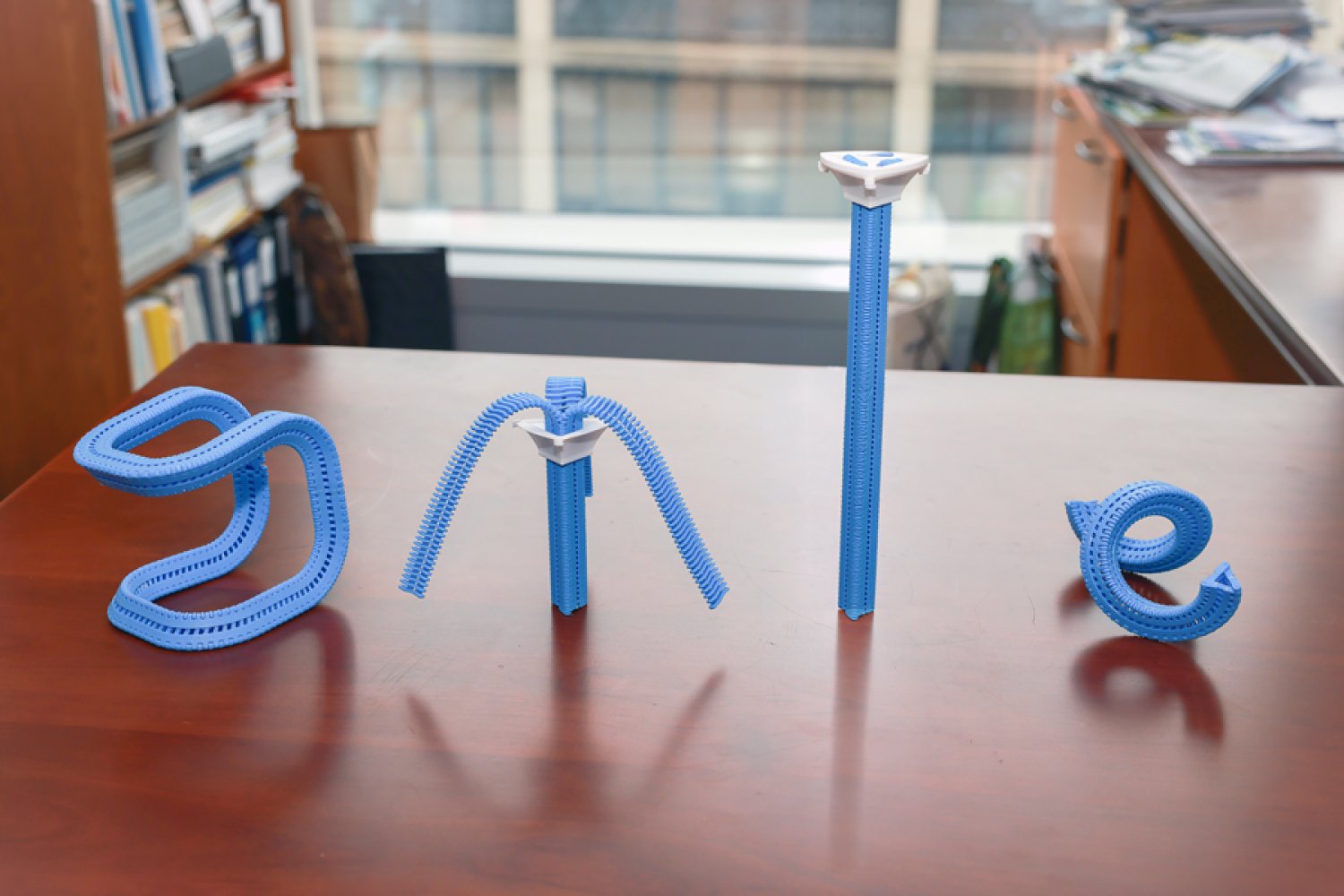
Researchers at MIT CSAIL have developed a system that allows users to design and 3D print three-sided fasteners called Y-zippers. Inspired by an old patent, these custom fasteners can be embedded into various equipment and installations to seamlessly transition the objects between soft and rigid states.
Comments2026-07-22
A federal judge has approved a $1.5 billion copyright settlement requiring AI developer Anthropic to compensate thousands of authors. The company will pay writers roughly $3,000 per book for utilizing pirated copies of their works to train its Claude chatbot.
Comments
A court has ruled that Apple is not liable for its handling of private iCloud files after the company declined to use industry-standard tools to scan for child sexual abuse material. Instead of adopting the widely used PhotoDNA system, Apple developed its own less effective proprietary technology before ultimately abandoning the scanning initiative. The ruling clears the tech giant of legal responsibility regarding its previous approach to user-uploaded content.
Comments
The Court of Justice of the European Union has issued a landmark ruling declaring that virtual private networks are lawful technical tools. The decision establishes that neither publishers nor VPN providers can be held liable for copyright infringement committed by their users.
Comments2026-07-21
The Court of Justice of the European Union has ruled in a landmark case that virtual private networks are lawful technical tools. The decision explicitly states that neither publishers nor VPN providers can be held liable for copyright infringement. This ruling provides significant legal protection and clarity for privacy technology services operating within the region.
CommentsApple avoided legal liability in a case regarding its handling of child sexual abuse material in private iCloud storage. The company initially replaced industry-standard scanning tools with a less effective proprietary alternative before ultimately reversing its controversial scanning policies.
Comments2026-07-19
The final patent covering the MPEG-4 Part 2 visual standard has officially expired, freeing the widely used video format from all remaining licensing restrictions. This significant milestone allows developers and companies to implement the technology without worrying about patent royalties.
Comments2026-07-17

New evidence exposes significant inconsistencies in AI evaluation processes and the selection of competition winners. To address these flaws, experts emphasize the need to design high-quality benchmarks that evaluate how frontier models truly reason, act, and judge, rather than just relying on simple data recall.
Comments2026-07-11

Apple has filed a lawsuit against OpenAI, accusing the AI company of stealing its trade secrets. The legal action specifically targets former Apple employees who allegedly transferred proprietary information to OpenAI. The tech giant claims these ex-workers illegally obtained and shared confidential data to benefit OpenAI's development efforts.
Comments2026-07-07

A 69-year-old Chinese official was sentenced to death for accepting $325 million in bribes. The court heard that the official received these illicit payments in exchange for helping companies secure valuable contracts.
Comments2026-07-02
Japan's highest court has ruled that artificial intelligence cannot be named as an inventor on patent applications, affirming that AI is a tool lacking legal ownership rights. The ruling has sparked broader reader debates regarding the economic utility of intellectual property laws, weighing whether patents genuinely incentivize innovation in high-cost sectors like pharmaceuticals or simply protect corporate monopolies.
CommentsEurope's top court has upheld a record $4.7 billion antitrust fine against Google for anti-competitive practices, dismissing the tech giant's appeal. The ruling solidifies the European Union's strict regulatory stance on major American technology companies. This decision marks a significant victory for European regulators in their ongoing efforts to curb the market dominance of US tech firms.
Comments2026-06-29

The US Supreme Court has ruled that law enforcement must adhere to constitutional privacy protections when using geofence warrants to sweep smartphone location data. This decision ensures that authorities cannot access broad digital location records without meeting strict legal standards.
Comments
Samsung, SK Hynix, and Micron are facing a US lawsuit accusing the companies of colluding to fix memory prices. The plaintiffs allege that this anti-competitive behavior drove DRAM costs up by 700% over a four-year period. Consumers impacted by the inflated prices are now seeking class-action status to pursue damages.
Comments
The European ISP trade association EuroISPA is calling for rightsholders to be held financially accountable for damages caused by website overblocking. Currently, copyright holders can secure broad site-blocking orders without facing liability when legitimate content is accidentally restricted. EuroISPA argues that imposing this responsibility is essential to protect internet service providers and users from the negative impacts of excessive copyright enforcement.
Comments2026-06-28
Show HN: DRM-Free Books
2026-06-28A Hacker News discussion highlights various platforms for purchasing DRM-free ebooks, including Bookshop.org, ebooks.com, and Standard Ebooks. Users share tips on filtering for these unrestricted formats and note the editorial adjustments made by services like Standard Ebooks to modernize classic texts. Additionally, commenters explore the broader cultural impact of copyright expiration, observing how public domain works have historically increased the accessibility and popularity of traditional literature.
Comments2026-06-23
Printing Gaussian Splats
2026-06-23A newly highlighted industrial 3D printing technology utilizes UV inkjet CMYK resin to achieve unprecedented photorealistic fidelity that far exceeds standard hobbyist machines. These advanced commercial systems can produce incredibly lifelike objects, but they currently cost around $200,000 and remain largely restricted by corporate patents. However, more affordable prosumer alternatives from companies like HeyGears and EufyMake are beginning to emerge for early adopters.
Comments2026-06-19
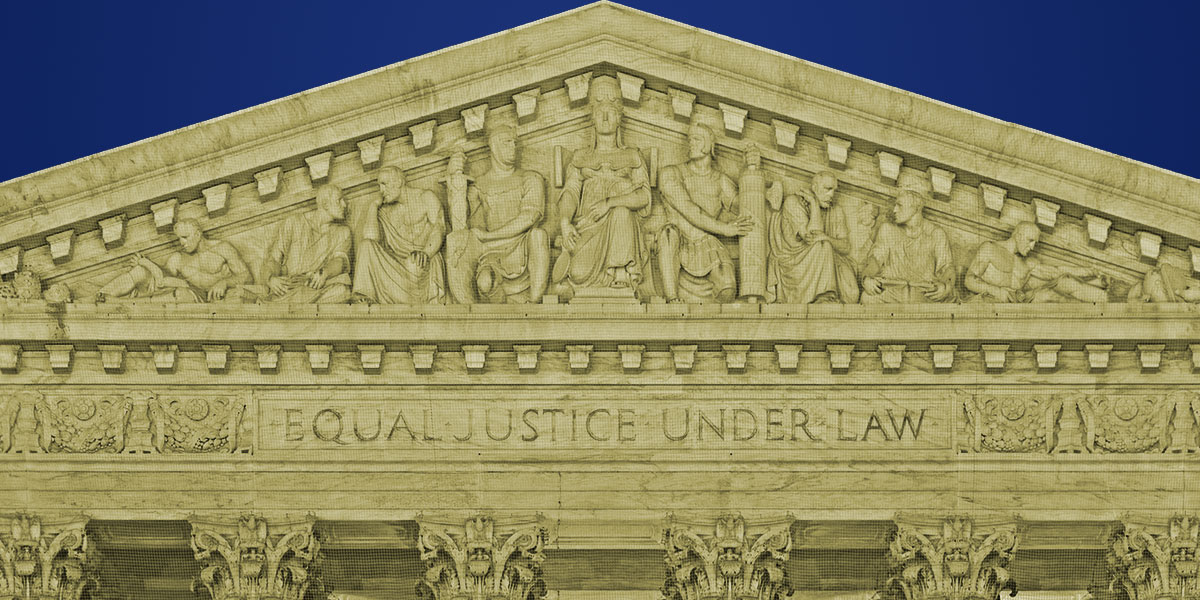
Court Records Should Be Free
2026-06-19Although court records belong to the public, the federal PACER system charges users hefty fees to search and view these documents. Advocates argue that these financial barriers restrict public access and that electronic court filings should be available for free.
Comments2026-06-17
Tesco is migrating 40,000 server workloads away from VMware due to Broadcom's abusive pricing practices, according to recent UK court filings. The British retailer claims that Broadcom hiked its VMware licensing costs by approximately 175 percent, prompting the massive infrastructure shift.
Comments2026-06-12

The House of Representatives passed H.R. 6028, officially framed as a minor technical reorganization of government agencies. Despite its modest presentation, the legislation would enact fundamental structural changes to the U.S. Copyright Office. This overhaul could significantly impact intellectual property administration and the broader technology sector.
Comments
Palantir, the Peter Thiel-chaired data intelligence group, has lost a legal challenge against a Swiss investigative magazine. The company had sued the publication over reports claiming that Switzerland rejected its business approaches.
Comments2026-06-10

A German regional court has ruled that Google is directly liable for false information in its AI search overviews, stripping away previous liability protections for search engine operators. This landmark decision, which stems from a case where the AI falsely linked publishers to fraud, could set a significant global precedent for the legal accountability of AI-generated content.
Comments