Tech Industry News
This section steps back to look at the technology industry as a whole. Expect news on hiring and layoffs, corporate strategy, sector trends, and the shifting balance of power among tech's biggest players. It is a useful lens for readers who follow the industry rather than any single product or company.
Stories here tend to be about patterns rather than single products: waves of restructuring across multiple companies, spending shifts toward AI infrastructure, changes in how software is built and sold, and the consolidation or fragmentation of entire market segments. Analyst reports and industry data often anchor the coverage.
An industry-level view is valuable for anyone whose career, portfolio, or business strategy depends on where technology is heading. Executives use it to benchmark their own companies, job seekers use it to read the labor market, and observers use it to separate durable trends from passing hype.
Following a message from MIT President Kornbluth regarding research funding and the talent pipeline, readers are highlighting the growing disillusionment of graduate students with academia. Commenters argue that grueling, six-year PhD programs offering low stipends compared to industry salaries are driving top talent away from research and deterring undergraduates from pursuing advanced degrees.
Comments
A newly discovered zero-day exploit named YellowKey is currently targeting Microsoft BitLocker encryption. Additionally, security teams are tracking a second zero-day vulnerability called GreenPlasma that enables local privilege escalation.
Comments
Gigacatalyst is an embedded AI builder that allows SaaS customers to generate custom frontend user interfaces on the fly using natural language prompts. The tool sandboxes the generated code to keep it independent of the core application, ensuring safe and easy sharing of new features without relying on third-party plugins. Currently serving over 2,000 daily users, the platform reflects a broader industry shift toward highly customizable, AI-driven enterprise software.
Comments
Despite the rise of AI code generators, industry professionals emphasize that software engineering is primarily about problem-solving, architecture, and understanding requirements rather than simply typing code. While developers who view their roles strictly as code writers may face obsolescence, those who adapt will transition into more complex roles where AI serves as a tool for rapid experimentation. Ultimately, delivering functional software still requires human critical thinking and contextual understanding that current AI models cannot fully replace.
CommentsLocal AI needs to be the norm
2026-05-10The tech industry is increasingly advocating for a shift toward running artificial intelligence directly on user devices rather than relying on remote cloud servers. By establishing local AI models as the standard default, the ecosystem can significantly improve system performance and enhance overall data privacy for end users.
Comments
Maryland citizens are facing a $2 billion power grid upgrade bill driven by the massive energy demands of out-of-state AI data centers. This situation has sparked controversy, raising questions about why local consumers are bearing the cost instead of the AI hyperscalers that require the expanded infrastructure.
CommentsA recent article explores a new method for preventing Man-in-the-Middle attacks during the initial SSH connection to newly provisioned cloud servers, aiming to solve the cryptographic bootstrapping problem. Readers debate the technique's novelty, arguing that existing built-in solutions like SSHFP DNS records and private key-certs already address the issue despite requiring complex configurations like DNSSEC. The broader discussion highlights the ongoing industry challenge of securely establishing initial trust and distributing keys in cloud environments without relying on bespoke workarounds.
Comments
While the Apple I and Altair 8800 are commonly cited as the first microcomputers, the actual pioneer was the transfluxor-powered Arma Micro Computer built in 1962. This obscure device predates the widely recognized founders of the personal computing industry by more than a decade.
Comments
For decades, Georgia's dominant carpet manufacturing industry relied heavily on PFAS, commonly known as forever chemicals, leaving a devastating environmental legacy across the American South. This extensive use of persistent synthetic compounds has resulted in severe ecological degradation and widespread drinking water contamination that continues to impact local communities today.
Comments
Artificial intelligence is disrupting traditional software vulnerability disclosure and patching cultures within the cybersecurity industry. Although researchers still follow standard procedures like rapidly and openly fixing flaws such as the recent Copy Fail vulnerability in Linux, AI is fundamentally altering how these security issues are discovered and managed.
Comments
Principles for agent-native CLIs
2026-05-07A new guide outlines the core principles for designing command-line interfaces optimized specifically for AI agents, prioritizing structured, predictable, and machine-readable outputs over human-centric interactions. This shift toward agent-native CLIs highlights the broader industry trend of adapting fundamental developer tools to enable seamless automation and autonomous system interactions.
CommentsMicron has begun shipping its massive 245TB 6600 ION data center SSD, underscoring the semiconductor industry's intense focus on enterprise AI infrastructure. This enterprise push coincides with rising consumer SSD prices, as manufacturers navigate constrained supply chains and prioritize profit margins by slow-walking production increases. While some fear an eventual overcapacity bust reminiscent of the dot-com era, others argue that the underlying demand for AI-driven silicon is a sustainable, long-term trend.
CommentsThe 'Hidden' Costs of Great Abstractions
2026-05-04Driven by the rise of AI tools, the tech industry is shifting away from deep engineering fundamentals and premium developer compensation toward rapid commercial development. This transition threatens long-term software quality as non-technical managers cut corners, mirroring the decline seen in the homebuilding sector. Nevertheless, software companies will likely avoid consumer backlash and financial liability due to high switching costs and restrictive end-user agreements.
CommentsDav2d
2026-05-02A new development known as Dav2d has caught the attention of the tech community, prompting widespread discussion across industry channels. While comprehensive details are still being finalized, early insights suggest it could be a significant addition to the current technological landscape.
CommentsAsk.com has closed
2026-05-02Ask.com has officially shut down, prompting industry veterans to reflect on its controversial history and early internet infrastructure. Readers recall how the search engine built its business model on search arbitrage, using deceptive interfaces to profit from Google's Search Partner network. Discussions also highlighted the immense technical challenges of maintaining its real-time ad-serving systems and the chaotic data center environments of the early 2000s.
Comments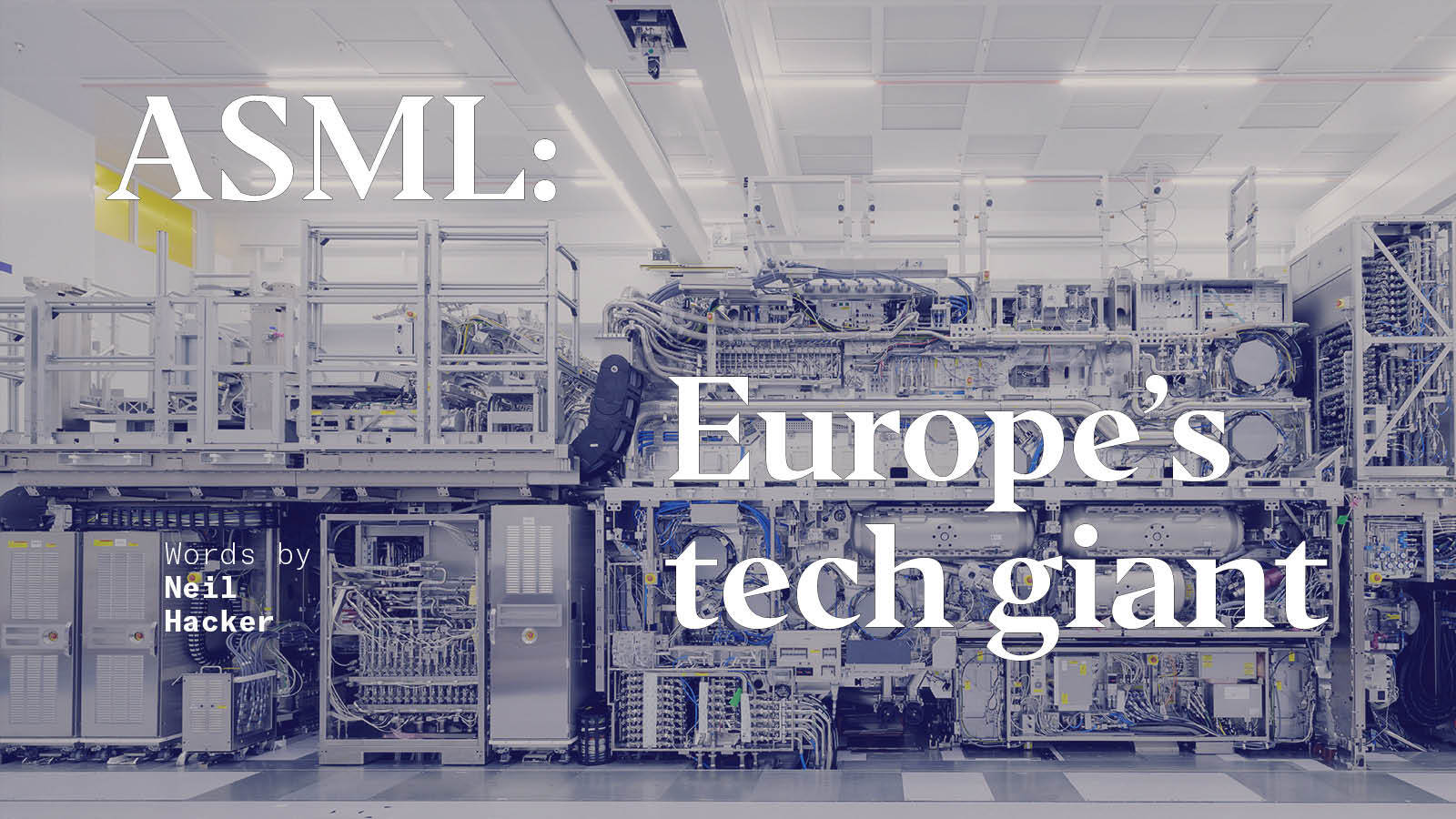
ASML has become a critical chokepoint in the global semiconductor industry as the sole manufacturer of the EUV lithography machines required for advanced chips. With no other company capable of building these essential systems, the firm now holds a unique monopoly over the worldwide chipmaking supply chain.
Comments
The quiet resurgence of RF engineering
2026-04-27After years of being perceived as a stagnant niche, RF engineering is experiencing a quiet but significant resurgence within the aerospace and technology sectors. An industry veteran with eight years of experience notes that the field is being rapidly revitalized by modern technological demands. This renewed importance highlights the critical role of RF in advancing next-generation wireless communication and space exploration.
CommentsA recent walkthrough of TurboQuant has sparked backlash from researchers accusing the authors of uncredited reuse and downgrading prior quantization techniques. Critics argue the method is not a novel breakthrough but a sub-optimal application of existing 2021 research, bolstered by unfair baseline comparisons and irreproducible results. This controversy highlights growing concerns about AI-assisted research generating unwarranted industry hype while failing to adequately cite foundational academic work.
CommentsMath Is Hard – OpenBSD Stories
2026-04-26Sparked by an OpenBSD story regarding CPU division-by-zero exceptions, readers pivot into a broader critique of modern operating system design and the lingering dominance of the UNIX paradigm. Commenters express frustration that the industry relies on heavy, layered abstractions like Kubernetes rather than developing lean, vertically integrated systems, pointing to alternative microkernels like seL4 and Genode as potential steps forward.
Comments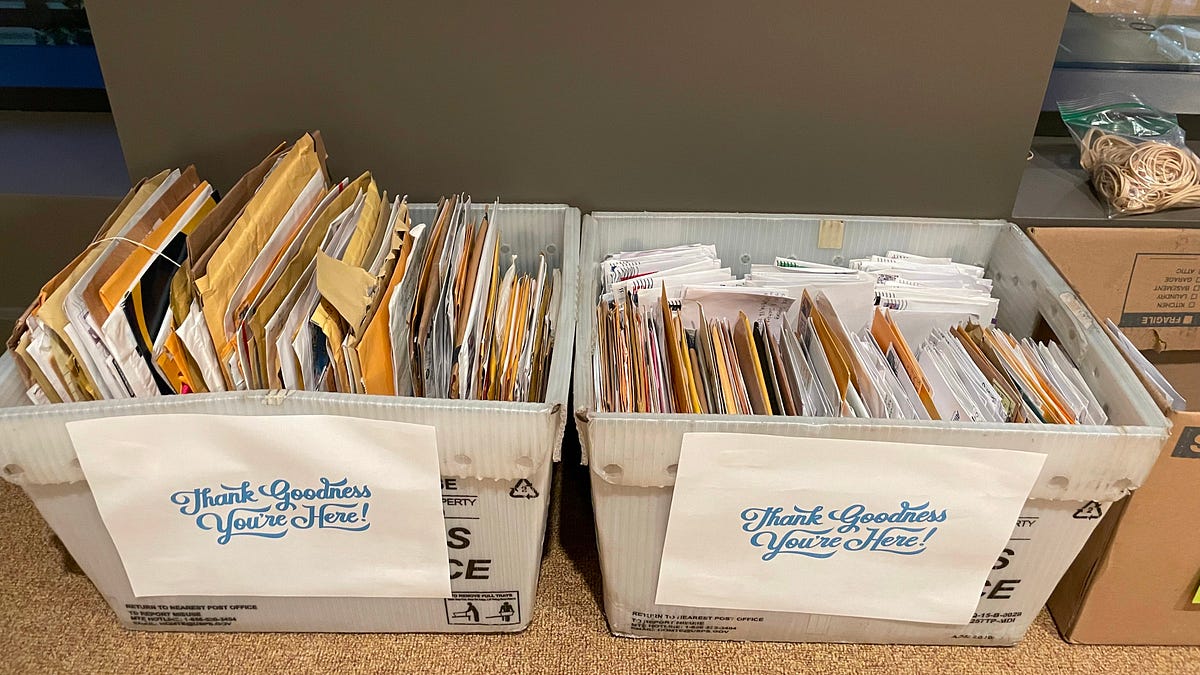
The mail sent to a video game publisher
2026-04-25Inspired by a 1980s Activision idea, video game publisher Panic recently sent out physical mail to its community and received a wildly diverse range of responses. This nostalgic initiative has generated incredible and unexpected outcomes for the studio behind modern titles like Despelote and Arco. The campaign highlights the enduring appeal of retro community engagement in the modern gaming industry.
Comments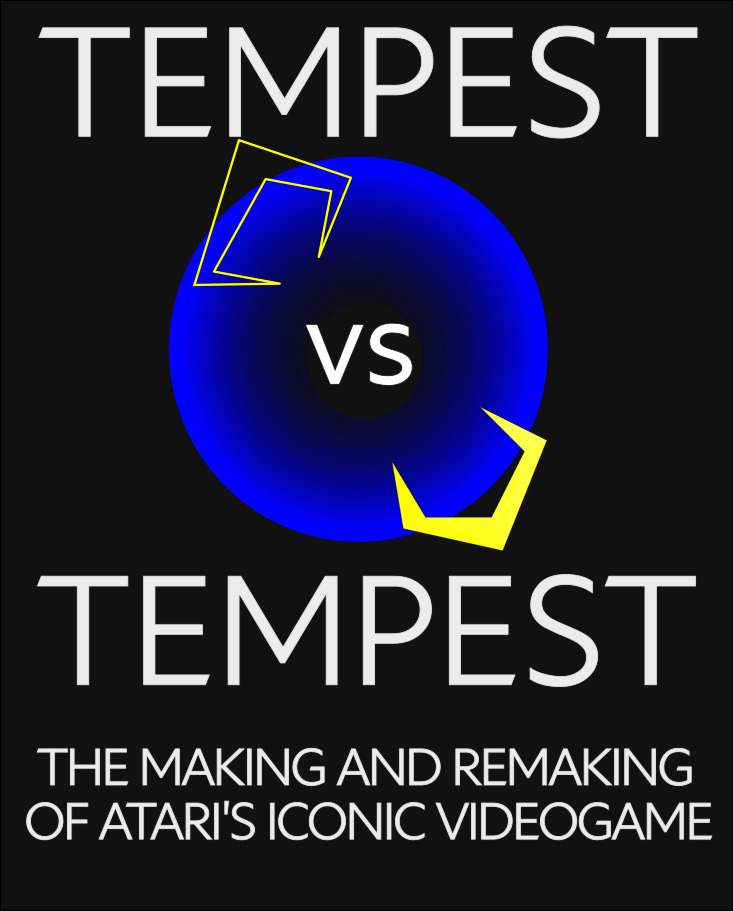
This retrospective examines the creation and enduring legacy of Atari's classic arcade game Tempest, tracing its origins as a groundbreaking vector graphics title to its various modern remakes. The piece highlights how the iconic game continues to inspire contemporary developers and shape the evolution of the gaming industry.
Comments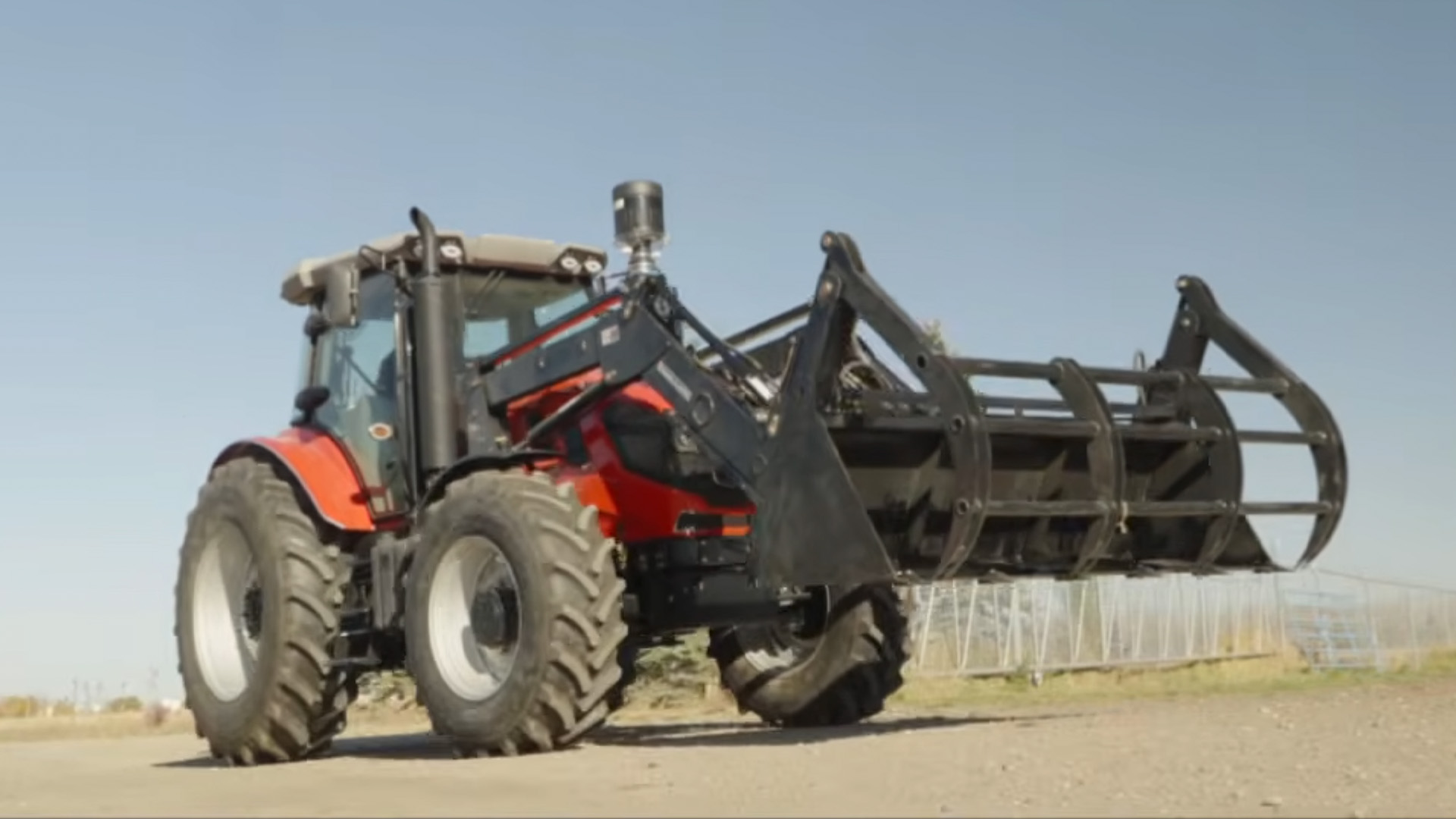
An Alberta startup is challenging the agricultural industry by selling no-tech tractors for half the price of traditional models. By eliminating complex electronic systems and modern features, the company provides a cost-effective alternative for farmers looking to avoid expensive technology.
Comments
A candid 2021 post by a senior software engineer offers developers brutally honest and unfiltered career advice. The author shares hard-earned industry lessons and blunt mentorship insights that are typically too controversial for standard corporate guidelines.
CommentsWindows Server 2025 Runs Better on ARM
2026-04-22Microsoft has optimized Windows Server 2025 to deliver significantly improved performance and efficiency on ARM processors. This update provides enterprise workloads with better scalability and highlights a growing industry shift toward alternative hardware architectures in the data center.
Comments
What killed the Florida orange?
2026-04-22The Florida orange industry, once the powerhouse of American citrus, is currently facing a severe and brutal decline. Although the exact reasons remain heavily debated, numerous theories have emerged to explain the downfall of this historic agricultural sector.
CommentsMeta is implementing large-scale, active surveillance of employee mouse movements and keystrokes to gather data for AI training, prompting significant concerns over the loss of workplace privacy. Commentators warn that this shift from reactive monitoring to proactive tracking reflects a broader tech industry trend of treating workers as data assets rather than people. Consequently, this type of unchecked corporate data harvesting is expected to become the new normal in the US, even as similar practices face strict legal restrictions in parts of Europe.
CommentsKefir C17/C23 Compiler
2026-04-20Kefir is an independent C17/C23 compiler developed by a single programmer to provide a simple, maintainable alternative to industry standards like GCC and Clang. By introducing a third compiler implementation, the project helps developers vet code portability and catch hidden bugs stemming from compiler-specific extensions and preprocessor defines. The tech community has praised the solo project for its impressive test suite and its value in diversifying the C language ecosystem.
CommentsReader discussions comparing the rapid success of OpenClaw to MS-DOS and modern large language models highlight the tech industry's tendency to reward reckless innovation over careful planning and safety. Critics argue this shortcut-driven approach, exemplified by OpenAI's deployment of these models, facilitates copyright theft and threatens jobs while prioritizing short-term profit. Furthermore, commentators warn that the unchecked proliferation of AI-generated content increases global information entropy by destroying the historical link between written text and authentic human authorship.
Comments
The Bromine Chokepoint
2026-04-19The ongoing U.S.-Israeli war with Iran has exposed a critical vulnerability in the global semiconductor memory supply chain regarding the availability of bromine. Because bromine is an essential chemical in chip manufacturing, this geopolitical disruption has created a severe production chokepoint that threatens the tech industry with widespread memory shortages.
Comments
The RAM shortage could last years
2026-04-19The tech industry is bracing for a multi-year RAM shortage as memory manufacturers struggle to keep pace with surging demand. Current projections indicate that makers will only be able to fulfill 60 percent of total market requirements by the end of 2027.
Comments