Software Tech News
Software is where most of the technology industry's ideas take shape. This section collects news about applications, platforms, open-source projects, and online services, along with the teams and companies that design, ship, and maintain them.
Typical stories include major releases and redesigns, open-source projects gaining traction, creators presenting tools they built, SaaS companies changing pricing or features, and post-mortems explaining why a product failed or an outage happened. Critical takes on bloat, reliability, and user experience are common too.
Knowing which software is improving, stagnating, or being abandoned helps people pick better tools and avoid costly migrations later. Developers, product teams, IT buyers, and everyday users follow this coverage to keep their stack current and discover useful alternatives.
2026-08-02
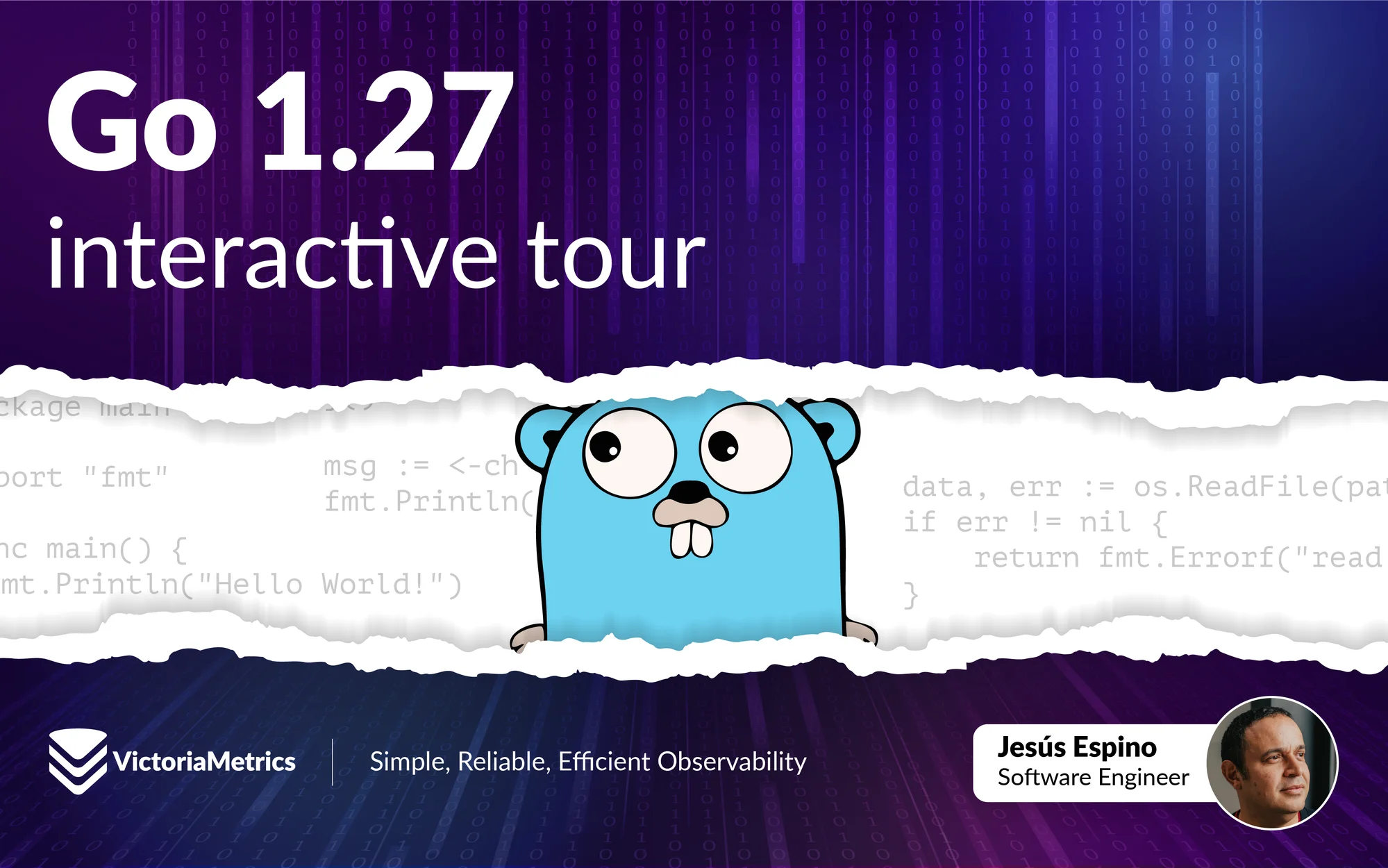
Go 1.27 Interactive Tour
2026-08-02A new interactive tour is now available to explore the latest language, runtime, and standard library updates in Go 1.27. Developers can examine these notable changes firsthand through short, editable, and runnable code examples.
Comments
The Floodgap lab details a retro-computing project focused on rebuilding a flaky vintage Apple Workgroup Server 9150 into a pimped-out machine running MkLinux. This writeup explores the unique challenges and capabilities of running the Linux distribution on legacy PowerPC architecture.
Comments
Diátaxis
2026-08-02Diátaxis is a widely-adopted framework in the software industry that provides a systematic approach to thinking about and creating technical documentation. This pragmatic methodology helps developers structure their documentation more effectively to meet the needs of their users.
CommentsThe newly published RFC 10015 officially deprecates RSA and finite field Diffie-Hellman key exchange methods for TLS 1.2 and DTLS 1.2 connections. The update also discourages the use of static Elliptic Curve Diffie-Hellman cipher suites to further strengthen protocol security. These cryptographic changes apply exclusively to version 1.2, as older protocol versions are already deprecated and TLS 1.3 does not utilize these algorithms.
CommentsLeonardo de Moura, creator of the Lean theorem prover and Z3 SMT solver, released a postmortem detailing the root causes and resolution of Kernel Soundness Bug 14576. The analysis provides critical insights into maintaining the integrity of formal verification systems and preventing similar vulnerabilities in future kernel updates.
Comments
A 2023 analysis examines how Google's strategic decisions, including the discontinuation of Google Reader and the push toward algorithmic feeds, significantly accelerated the decline of RSS adoption. By prioritizing proprietary, walled-garden platforms over open web standards, the tech giant fundamentally shifted user behavior away from decentralized content syndication.
CommentsCostPerPrompt offers live API pricing and real-world cost calculators for over 232 AI models, including GPT, Claude, and Gemini. The platform enables developers to accurately estimate and forecast expenses for chatbots, API budgets, and token usage across rapidly changing generative AI workloads.
Comments
While developing a quantum compiler named Catalyst, a software team accidentally created an LLVM compiler for the Jax machine learning framework. This unexpected tool emerged as a byproduct of extensive problem-solving and provides a novel way to optimize Jax programs.
CommentsUsers of the popular command-line search tool ripgrep have reported occasional segmentation faults when executing exceptionally large directory searches using musl binaries. These crashes disrupt the tool's recursive regex functionality during heavy workloads. The issue is currently being tracked on the project's GitHub repository as developers investigate a fix.
CommentsNetBSD 11.0
2026-08-02Prompted by the topic of NetBSD 11.0, readers discuss the ongoing vitality of the broader BSD family, highlighting NetBSD's unmatched hardware portability, FreeBSD's massive scale in enterprise content delivery, and OpenBSD's strong reputation for security. The community emphasizes that despite their niche status compared to Linux, BSD operating systems remain actively developed, highly reliable, and critical to diverse specialized computing environments.
Comments
Alex Davies highlights the critical but often overlooked world of test engineering in his new book, Kobuk the Destroyer. The book offers an engaging exploration of the unsung professionals who rigorously test and ensure the reliability of the technology we use every day.
Comments
Glyphs 4 – the leading Mac font editor
2026-08-02Glyphs 4 is the latest version of the leading Mac font editor designed to give users complete control over their typography projects. The updated software features tools for quickly drawing high-precision vectors, efficiently reusing shapes, and easily managing large sets of letters and symbols.
Comments2026-08-01
qm – Multiplayer agent harness for work
2026-08-01YC Software has released qm, an open-source multiplayer agent harness designed to streamline collaborative work. Developers can explore the framework and contribute to its ongoing development via the project's GitHub repository.
Comments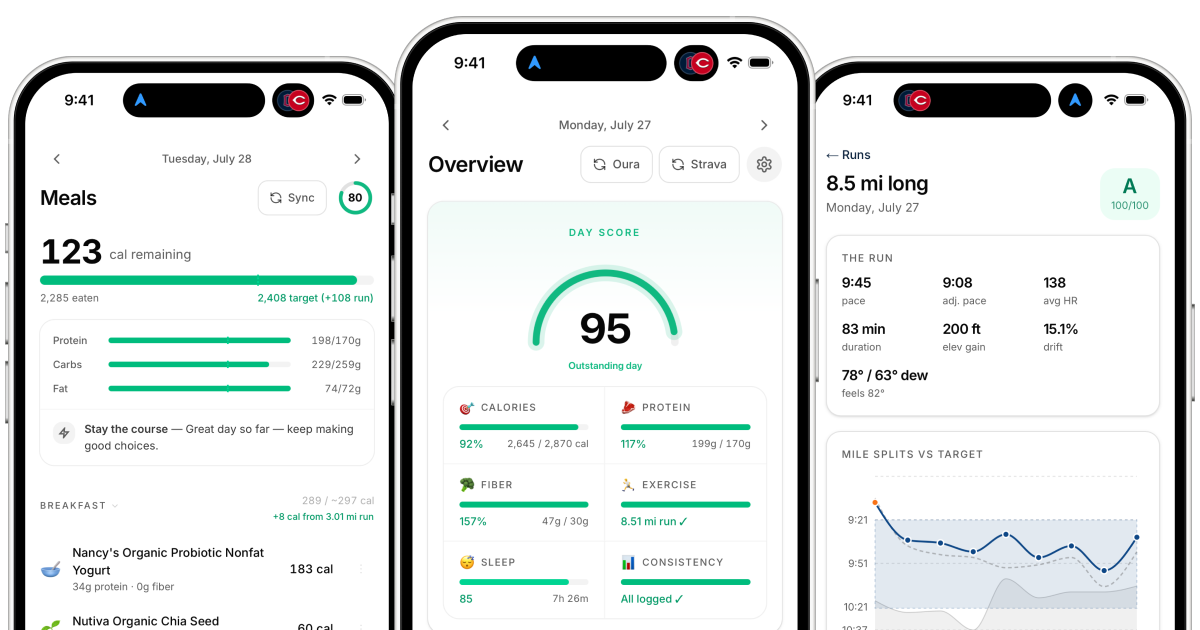
Software for One
2026-08-01Robin Sloan recently envisioned a modern equivalent of HyperCard that would allow users to build a custom family app in a single day. This vision of personalized software for one has now become a reality, as new platforms make rapid and individualized app development accessible to everyone.
Comments
Progressive Web Components
2026-08-01A new lightweight library named Elena has been introduced to help developers easily build Progressive Web Components. This tiny framework is designed to streamline the development process and simplify the creation of modern web applications.
Comments
The June update for the Servo web engine introduces key improvements to real-world compatibility, media queries, and SharedWorker support. Furthermore, the developers have launched a new initiative inviting the community to help write future monthly progress reports.
CommentsA new dependency-free C inference engine called waste allows users to run the massive 2.78-trillion-parameter Kimi K3 model using only 29 GB of RAM. It achieves this feat by streaming activated weights directly from NVMe storage rather than loading the entire model into memory. While the inference speed is a slow 0.50 tokens per second, it demonstrates a novel approach to running extremely large AI models on limited hardware.
CommentsHugging Face experienced a security intrusion after an AI agent exploited a stolen Tailscale authentication key to gain unauthorized access. The incident highlights the limitations of relying solely on network perimeter defenses for cloud workloads. Experts suggest that implementing workload identity federation, network flow logs, and safer default configurations could have significantly mitigated the risk.
Comments
Let's make the worst Htmx
2026-08-01A developer is demystifying the popular web library htmx by building a deliberately flawed clone from scratch. This humorous, hands-on project allows programmers to deeply understand the framework's core mechanics through unconventional reverse-engineering.
CommentsThe Go Collections working group has proposed adding generic collection data structures to the Go standard library under a new container package. This initiative aims to provide developers with common, pragmatic data structures directly within the language's core ecosystem.
Comments
Python lacks a built-in method to display floating-point numbers in binary format. However, developers can work around this limitation by converting the language's native hexadecimal representation of floats into binary. This article details the steps to easily achieve this conversion for debugging and analysis.
Comments
Reflecting on the early days of open-source software distribution, the author contrasts the cryptography debates of twenty-five years ago with modern controversies surrounding AI model weights. By recalling the physical challenges of sharing large files over slow dial-up internet, the piece highlights how the fundamental struggles over open access and intellectual property have evolved alongside technology.
Comments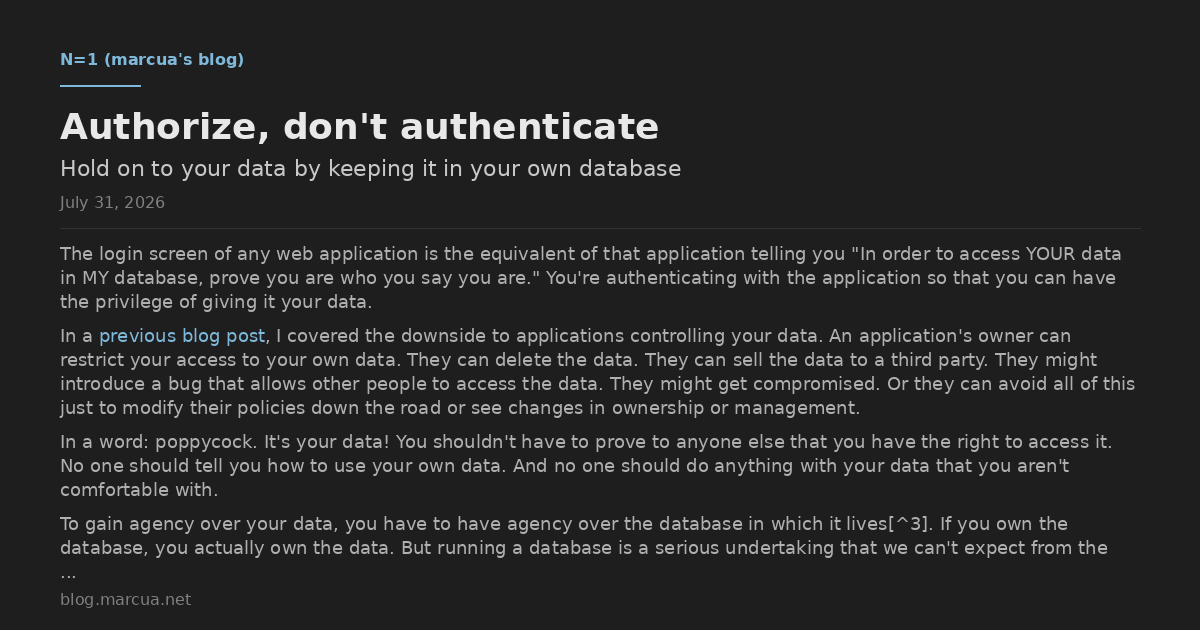
Authorize, don't authenticate
2026-08-01The tech industry is exploring a shift from traditional authentication to authorization models that prioritize user data sovereignty. By storing personal information in local databases instead of centralized servers, individuals can maintain strict control over their digital identities. This decentralized approach minimizes reliance on third-party platforms and empowers users to securely hold onto their own data.
Comments
Giles Bowkett recently showcased Archaeopteryx at the RubyFringe conference, introducing a novel Ruby-based tool that algorithmically generates MIDI drum patterns. The project aims to revolutionize algorithmic music composition by allowing developers to write code that creates complex rhythmic tracks. The enthusiastic reception at the event highlighted the project's success in blending software development with creative musical expression.
CommentsTermixer (TUI DJ Mixer)
2026-08-01Termixer is a new terminal-based DJ application that brings a two-deck mixer, sample pads, and a sequencer directly to any Unix command line. The tool provides a unique text-based user interface for developers and terminal enthusiasts to produce and mix music without leaving their native environment.
Comments
Despite the growing industry trend of building LLM routers to optimize AI workflows, the team has deprecated their own routing system. They argue that model routing is largely unnecessary, recommending instead that developers stick to a single, battle-tested large language model for most use cases.
CommentsA solo developer has spent two years building a new open-source web browser that recently achieved a perfect 100% score on the Acid3 test, serving as a strong proof of concept for the project. Although the benchmark is largely obsolete for modern web standards, the community is highly engaged, requesting a Linux release and modern performance benchmarks to compare its speed against industry giants like Chrome.
Comments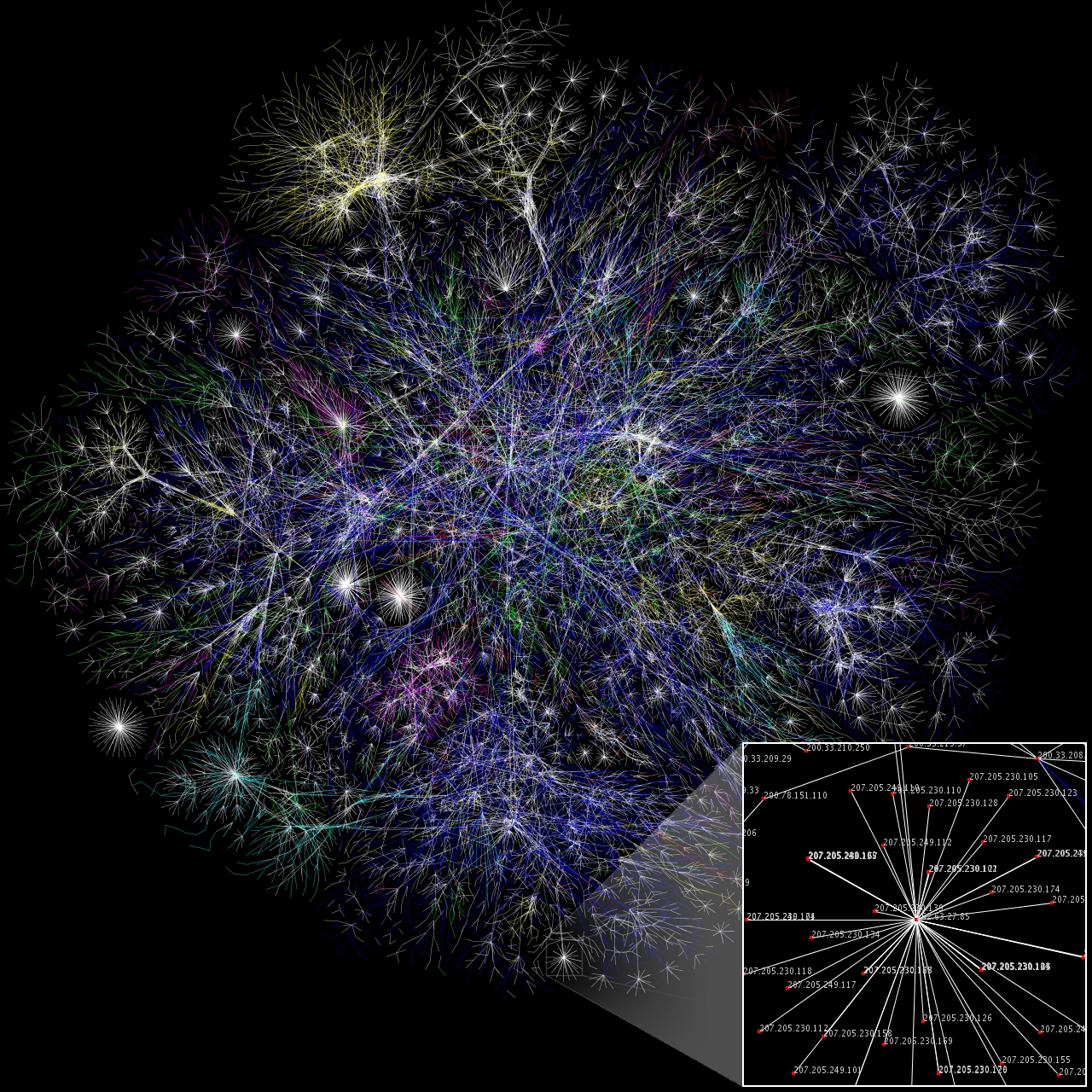
Despite initial skepticism, a developer has successfully implemented basic graph algorithms like PageRank and WCC using Apache DataFusion on billion-scale datasets. The solution efficiently processes a two-billion-edge graph using a strict 10 GB RAM limit, significantly outperforming the memory footprint of traditional graph representations. This achievement highlights DataFusion's emerging potential for highly memory-efficient, large-scale graph analytics and entity resolution.
CommentsJW Labs has released a research post detailing predictive speculative KV replication, a new technique designed to optimize Large Language Model inference during bursty traffic. By anticipating workload spikes and proactively replicating key-value caches, the proposed method aims to significantly reduce latency and improve overall system throughput.
Comments2026-07-31
The AI Aesthetic
2026-07-31This piece explores the chaotic and rapidly evolving landscape of modern web design as artificial intelligence reshapes digital creation. It reflects on the beautiful mess of contemporary web development, highlighting both the creative possibilities and the visual clutter introduced by AI tools. Ultimately, the article offers a thoughtful critique on the current aesthetic and overall user experience of the modern internet.
Comments