Regulation Tech News
Governments everywhere are writing new rules for technology, and companies are adjusting how they build products as a result. This section tracks that regulation as it is drafted, debated, passed, and enforced, along with how the industry responds.
Typical stories include lawmakers proposing rules for AI, privacy, and online safety, regulators opening investigations or issuing penalties, compliance deadlines that force product changes, lobbying fights, and moves to loosen or roll back existing rules. Coverage spans national, regional, and international efforts.
Regulation decides which features ship, which markets stay open, and how much compliance work teams must take on. Founders, engineers, legal and policy professionals, and investors follow this coverage to anticipate changes before they arrive.
2026-09-01

A dangerous type of wild honey from Nepal known as mad honey is currently being sold online despite its potential to cause fatal heart complications. This unregulated e-commerce trend poses severe health risks to consumers, as highlighted by the recent hospitalization of an individual who ingested the toxic product.
Comments2026-08-30

A $1 fee added to Texas car insurance policies to combat catalytic converter theft has instead funded the expansion of the Flock surveillance camera network. Lawmakers are now pushing back, stating that using these millions to build out the camera system was never the original legislative intent.
Comments

Landlords using algorithmic rent-pricing software are facing a new wave of litigation under recently enacted state and local laws. These emerging municipal regulations offer a simpler legal pathway to establish liability and impose significant penalties compared to ongoing antitrust lawsuits targeting automated revenue management products.
Comments2026-08-29
A federal appeals court has ruled in favor of state regulators in their legal battle against Kalshi, affirming that the company must comply with state-level gambling restrictions. The decision reinforces that Congress did not override existing state gambling regulations when amending the Commodity Exchange Act. The complex legal dispute over interstate betting is widely expected to be appealed to the Supreme Court.
CommentsThe U.S. government has sanctioned Autistici/Inventati, a collective that provides internet support and digital services to grassroots activists and social movements. This action threatens to disrupt the secure communications and digital infrastructure relied upon by various global organizations that depend on the collective's resources.
Comments
The European Union's new Packaging and Packaging Waste Regulation is placing a severe burden on the already struggling tabletop gaming industry. Publishers report that strict compliance requirements are draining excessive resources and time away from game development. This added regulatory pressure threatens the long-term viability of many small businesses in the sector.
Comments2026-08-28
The turbulent AI era is here
2026-08-28A recent article posits that artificial intelligence will inevitably lead to either unprecedented radical abundance or extreme totalitarian power concentration. Readers discussing the piece largely agree that without strict regulatory intervention, AI will default to consolidating wealth and control among already powerful corporations. Additionally, some critics dismiss the article's apocalyptic framing as mere fear-mongering designed to distract from the tech industry's lack of self-regulation.
Comments2026-08-27
An ongoing 3D-printer AGPL violation
2026-08-27At the FOSSY 2026 conference, the Software Freedom Conservancy highlighted an ongoing AGPL license violation involving a 3D printer. Representatives discussed the broader challenges of enforcing open-source compliance when hardware manufacturers fail to release the source code for their modified software.
Comments
A new report investigates how Taylor Farms expanded to become one of the largest produce suppliers in the United States and the national risks associated with its massive market dominance. The analysis highlights the broader implications of this concentrated power on food safety, farmer livelihoods, and worker conditions across the agricultural sector.
Comments2026-08-26
Critics argue that C2PA image provenance technology fails to reliably distinguish real photographs from AI-generated fakes in practical scenarios. While some view the standard as a useful baseline deterrent, others warn it creates a dangerous false sense of security that could make the public more vulnerable to sophisticated manipulation. Consequently, many commentators suggest that legal mandates for labeling AI content are a more effective solution than these flawed technical fixes.
Comments
This article explores the historical period when the US Forest Service actively regulated ski lift ticket prices on public lands to prevent price gouging. It details how federal intervention once kept winter sports affordable before deregulation allowed ski resorts to independently set their own rates.
Comments2026-08-25

The European Union's new packaging regulations pose a severe threat to independent makers and micro-entrepreneurs. These stringent rules risk destroying livelihoods and stifling innovation within this crucial grassroots sector. Consequently, many small businesses may be forced to shut down entirely due to the heavy financial and administrative compliance burdens.
Comments2026-08-24

Over 170,000 nonprofits lost years of critical data after Microsoft retired a widely used software grant program. The sudden disappearance of this information has raised questions about the tech giant's responsibility for the massive data loss.
Comments2026-08-21

Artificial Intelligence Policy
2026-08-21Starting in Summer 2026, a new artificial intelligence policy will mandate that future lawyers use AI fluently in their legal practice. Despite this push for technological adoption, the policy requires that AI usage remain coupled with human cognitive oversight to mitigate the current limitations of the technology.
CommentsUnder current European Union law, content generated entirely by artificial intelligence is not eligible for copyright protection because the legal framework requires a strictly human creative contribution. As a result, businesses cannot exclusively protect purely AI-generated assets like logos or text. However, individuals who attach their names to such AI-generated content may still assume legal liability for it.
Comments
This article highlights a glaring double standard in technology enforcement, contrasting the severe legal prosecution of activist Aaron Swartz for web scraping with Meta's ability to scrape data without facing consequences. It underscores the ongoing disparity in how the legal system treats individual activists compared to massive tech corporations engaging in the exact same practices.
Comments2026-08-20

OpenAI is implementing enhanced monitoring, alignment, and security protocols to carefully guide the development of its frontier AI models. These new safeguards aim to responsibly pace innovation as artificial intelligence systems acquire increasingly cyber-critical capabilities.
Comments2026-08-19

A recent study reveals that children living in areas with newly implemented ultra-low emission zones experienced rapid improvements in lung capacity. Researchers found that their respiratory health quickly caught up to peers in less polluted regions, highlighting the immediate benefits of clean air initiatives.
Comments
Apple has announced updates to its business terms for apps operating within the European Union. The company introduced these changes following close collaboration with the European Commission.
Comments2026-08-18
A judge has established a framework for Nine PBS to retrieve its archival data, prompting readers to compare the dispute to the recent Synapse bankruptcy where a middleman's failure left end-users without regulatory protection. The discussion underscores the critical need for clearer regulations to prevent tech and fintech companies from bypassing established legal frameworks under the guise of business innovation.
Comments
India has paved the way to introduce merchant fees for UPI transactions, marking a significant shift in its digital payments ecosystem. This development raises critical questions about who will ultimately bear the costs and whether consumers will resist the new charges.
Comments
Israel has created a fake think tank named the Hanover Institute in an apparent attempt to manipulate AI chatbots. Within just a week, the organization published over 100 articles specifically tailored to influence the responses of these language models. This operation aims to shape AI-generated information by flooding the internet with targeted content.
Comments
California has implemented the nation's first tire efficiency standards to address an often overlooked factor in overall fuel economy. These new regulations are projected to save drivers approximately one billion dollars annually at the gas pump.
Comments2026-08-17
The Life and Death of Direct File [pdf]
2026-08-17A retrospective on the IRS Direct File initiative details the program's success and its ultimate demise driven by political forces and centralized executive control rather than technical flaws. Readers praise the even-handed report for highlighting the vulnerability of public sector software to partisan power imbalances, offering vital lessons for future government tech delivery.
CommentsFederal keyword bans are forcing researchers to remove common scientific terms like "inequalities" and "diversity" from grant proposals to avoid rejection. This controversial policy has already jeopardized billions of dollars in research funding across various scientific disciplines. Critics are condemning the administration for these chaotic cuts, highlighting the irony of restricting grants while national deficit spending reaches record highs.
Comments2026-08-11
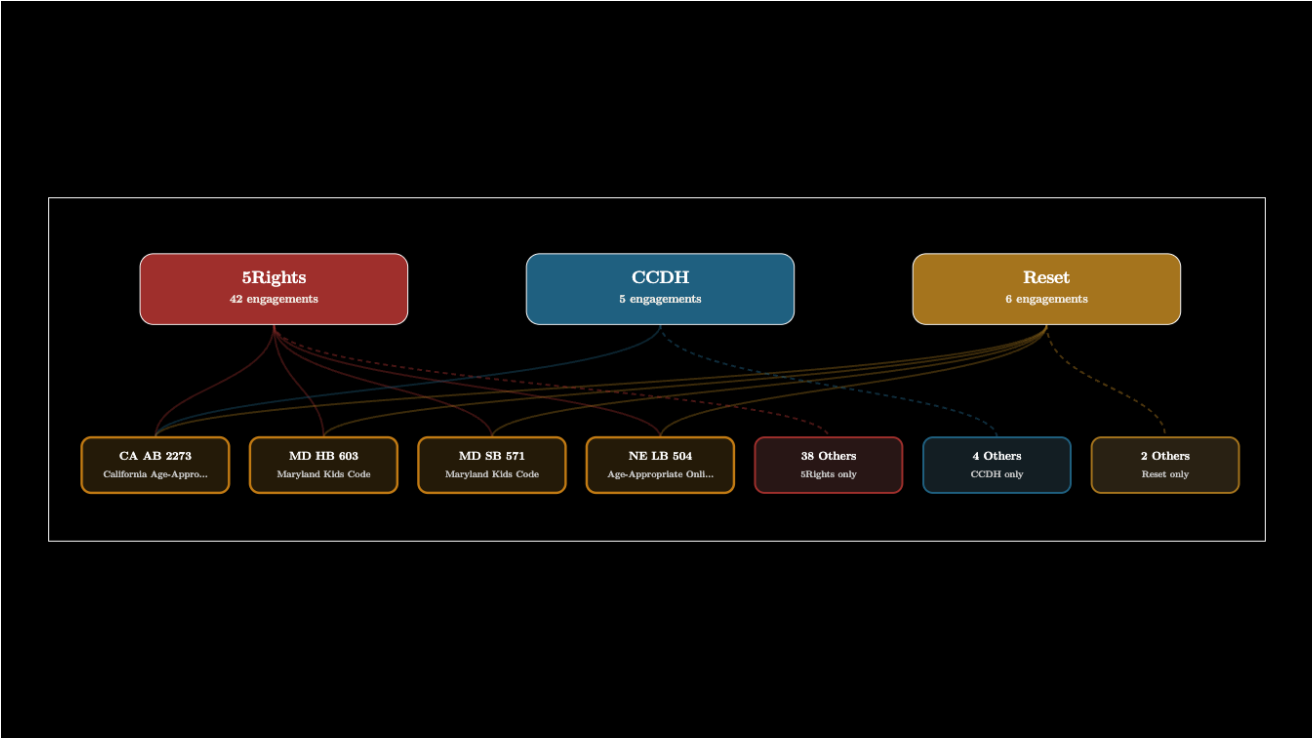
Non-governmental organizations that successfully championed strict digital ID and anti-anonymity laws in the UK are now actively lobbying American statehouses to adopt similar legislation. This coordinated push aims to replicate Britain's restrictive digital policies in the United States. Consequently, these efforts threaten to significantly compromise online privacy and anonymity for everyday American internet users.
Comments
OpenAI has written to Texas Governor Greg Abbott to outline its commitment to developing responsible artificial intelligence infrastructure in the state. The letter emphasizes the company's focus on fostering reliable and transparent technological growth that will directly benefit Texans.
Comments2026-08-08
The U.S. Department of Energy has launched the Genesis Open Models Initiative to develop domestic, open-weight AI models in response to concerns over foreign dominance in the open-source sector. This effort aims to provide researchers with transparent, long-term alternatives to both closed proprietary systems and foreign open-source offerings. By focusing on open weights and transparent reasoning, the initiative seeks to foster highly interactive AI tools that users can actively observe and steer.
Comments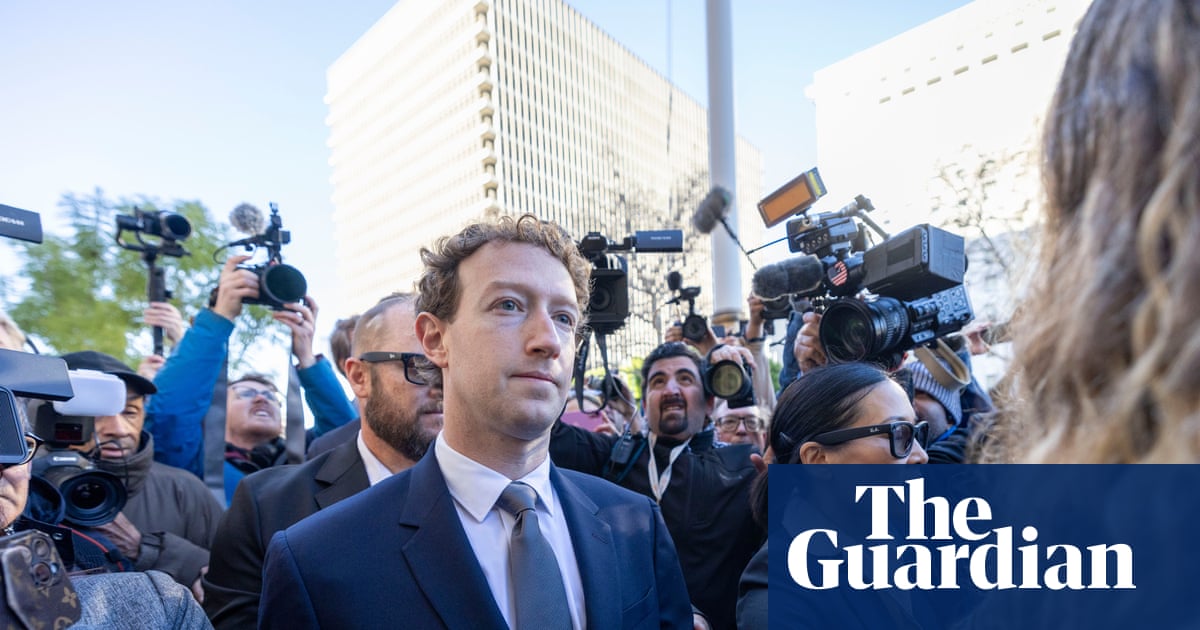
A New Mexico court has ordered Meta to pay $567 million in damages for harms caused to children's mental health. The ruling follows the second phase of a landmark trial that previously found the social media company enabled harm against its users.
Comments2026-08-07

News of the Nepalese government's reported involvement with the breach notification service Have I Been Pwned has drawn heavy skepticism from the tech community, who point to the country's notoriously insecure IT infrastructure. Commenters expressed significant privacy concerns regarding government access to leaked data and potential law enforcement misuse, with some even labeling the announcement as misleading.
Comments