Programming Tech News
SubmitWriting software is a craft that keeps reinventing itself. This section gathers news and articles for people who program, covering language releases, compilers and runtimes, frameworks, development workflows, and the ideas that change how code gets written and reviewed.
Typical stories include new versions of Rust, Python, Java, JavaScript, and TypeScript, performance and debugging investigations, essays on architecture and code quality, and discussions of how AI coding assistants are changing day-to-day development. Hands-on tutorials and lessons from long-running projects show up often.
The tools and practices developers choose affect how fast teams ship and how well their software holds up over time. Working engineers, students learning to code, and engineering leaders follow this coverage to sharpen their skills and make better technical decisions.
2026-11-01
Memdoor, a lightweight coding and automation agent packaged as a single CLI binary, uses a team of five Qwen3.8-27B models to outperform Fable 5 on LiveCodeBench Hard. It can run locally or over SSH, optimize token usage, and automate CI and cron jobs with durable workflows.
CommentsNibnib is an image compression project from raphlinus that stores images at 4 bits per pixel while prioritizing extremely fast decompression. It targets use cases where quick decoding matters more than maximizing compression ratio.
Comments

Mathematician Frank Calegari argues that recent AI advances, including OpenAI’s October release, have fundamentally changed mathematics and that the field should respond accordingly rather than mourn the shift. He urges mathematicians to adapt to this new landscape and act as though the change is already here.
Comments
ChatGPT and Codex usage limits merging
2026-11-01OpenAI is merging ChatGPT and Codex usage limits into a shared allowance, according to reader discussion. Commenters criticize the move as a cost-cutting measure that could frustrate paying subscribers, since agentic coding consumes far more tokens than typical chat and decoupled billing had been a reason to stay. Some warn users may switch providers or use ChatGPT less as a result.
Comments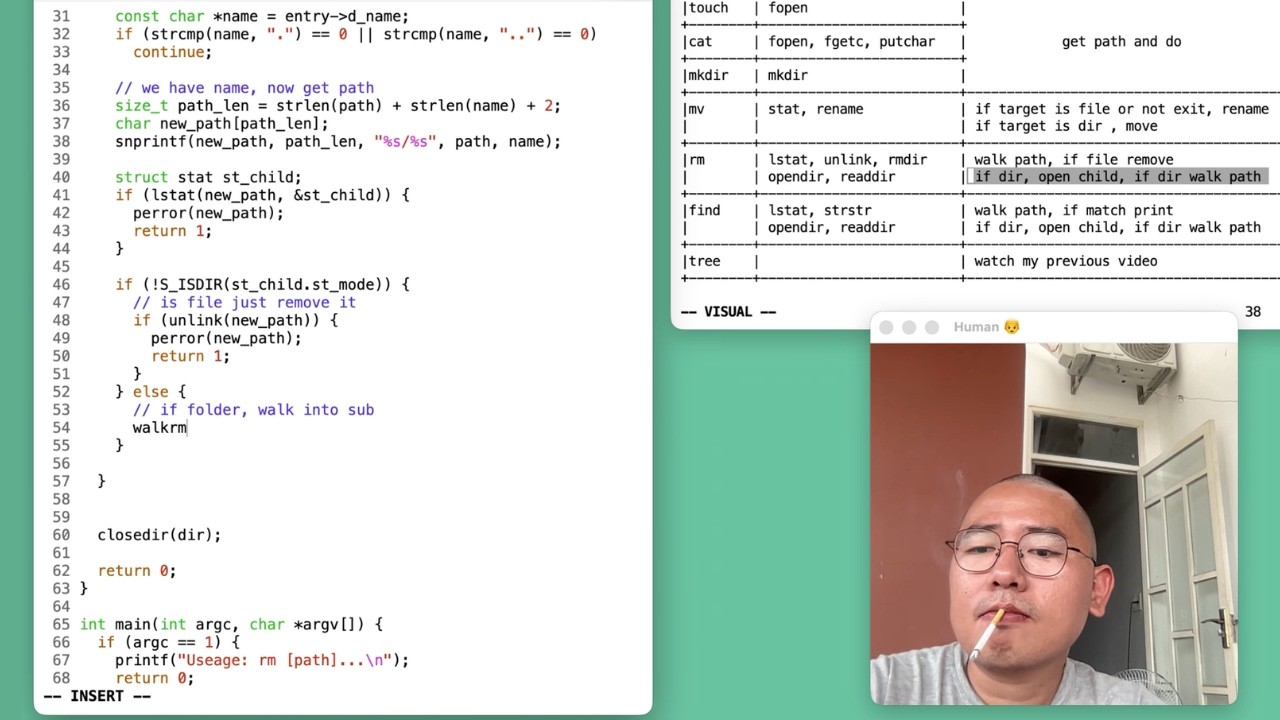
A developer has published a 52-minute video showing how to recreate core Linux file-management utilities—touch, cat, mkdir, mv, rm, and find—from scratch in C without using AI assistance. The project offers a hands-on look at implementing common Unix commands by hand for educational purposes.
CommentsShow HN phoria2 is a rebuilt canvas 3D library as a small WebGL 2 library that includes chart primitives for timeseries, heat-colored hour/day surface charts, and tiled dashboards, plus on-demand rendering and validation errors aimed at coding bots. Readers praised its mobile performance and aesthetics but raised questions about tween performance for live-streaming geometry updates, missing comparisons with Three/Babylon, and mobile hover/tap persistence.
CommentsOpenIDEA is a new Rust-built IDE that recreates familiar IntelliJ IDEA-style keymaps, tool windows, and search-everywhere in a fast native app. It bundles an editor, code insight, debugger, Git, terminal, database and HTTP clients with support for 60+ languages.
Comments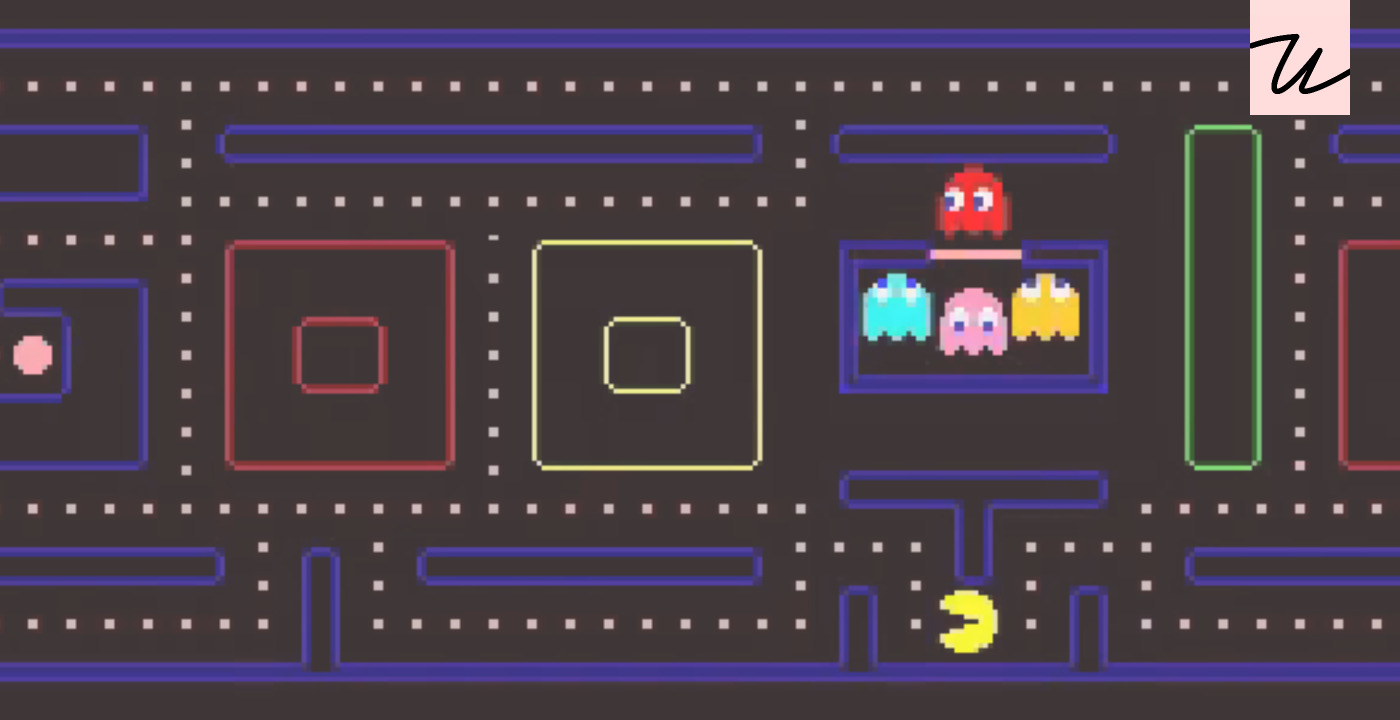
Pac-Man's Siren Call
2026-11-01In “Pac-Man’s Siren Call,” a software craft and quality blog uses the game’s irresistible pull as a metaphor for the distracting allure of risky engineering shortcuts. The piece urges developers to resist quick fixes and prioritize maintainable, high-quality code.
CommentsCopper is a minimal low-level programming language with OOP and generics that readers compare to Crystal for stronger typing and to Ruby/Python for its syntax. The one-person project drew interest for its design blog and changelog, including the author’s experiments with adding and later rejecting exceptions, though questions remain about Unicode support and garbage collection.
CommentsOmniDiff is a new open-source Git difftool written in Rust that aims to deliver fast, robust, and accurate diffing with content-aware behavior. The project is available on GitHub and is positioned as a high-performance alternative for developers comparing changes.
CommentsBBRouter has shared a Show HN project that simulates Ben Eater’s 8-bit computer on 3D breadboards using its breadboard editor and simulator. Users can open the project to explore the layout and run the simulated computer.
Comments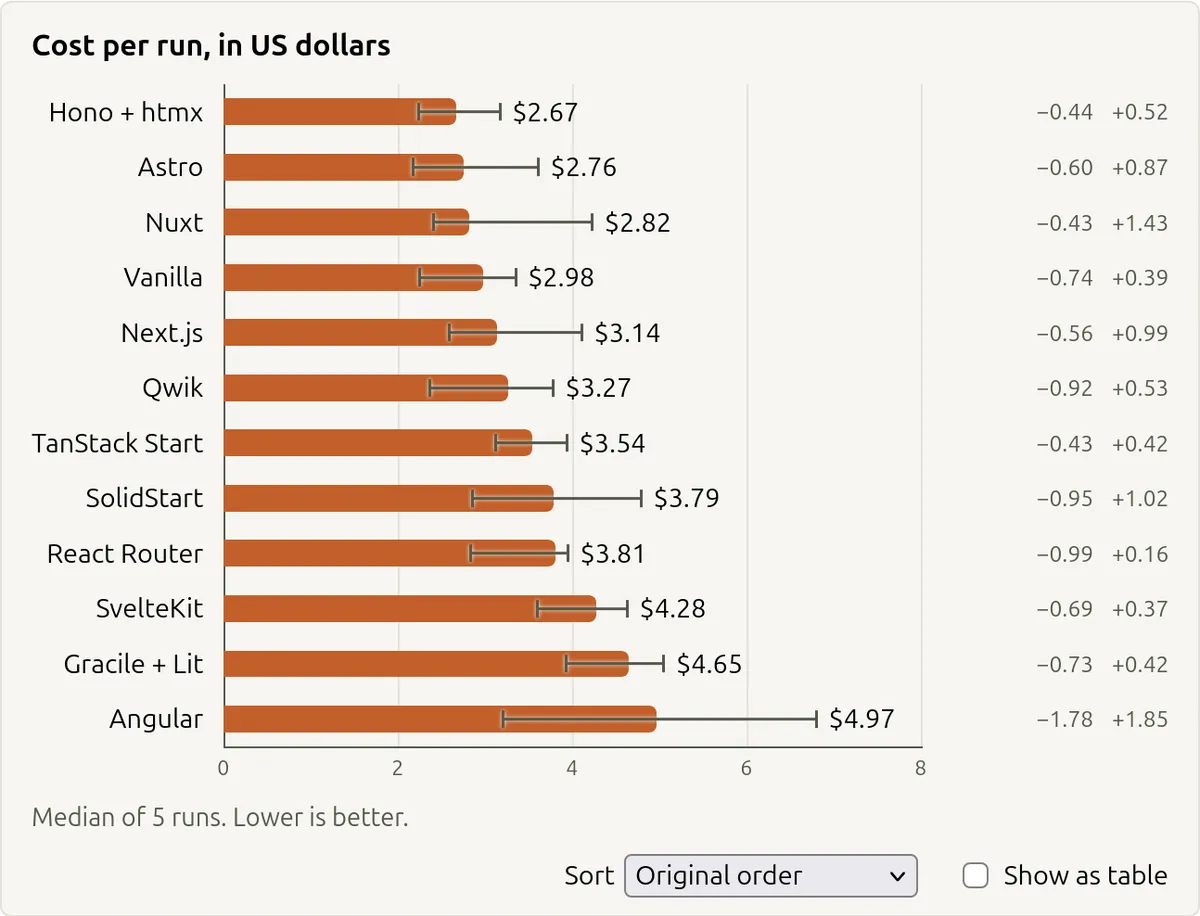
The AI cost of JavaScript frameworks
2026-11-01The article argues that JavaScript framework choices are often based on vibes, and that AI coding assistants add a new measurable cost: larger, more complex frameworks consume more context and tokens, making AI-assisted work slower and more expensive. It recommends weighing AI-readability and token efficiency alongside performance and developer experience.
CommentsThe article shares guidance on improving fuzz testing with AFL++, a widely used coverage-guided fuzzer. It focuses on practical tips to make AFL++ workflows more effective.
CommentsThe article presents a construction of a quine—a program that prints its own source code—using Kleene’s second recursion theorem. It frames the theorem as the theoretical basis for the self-referential program and organizes the explanation step by step.
Comments
Decode kernel panic from QR Code photo
2026-11-01A GitHub Gist demonstrates how to decode a kernel panic from a photo of a QR code, offering a quick way to extract crash diagnostics captured on-screen. The snippet is shared as code, notes, and a practical troubleshooting reference for kernel panic reports.
CommentsThe piece surveys four decades of just-in-time work from 1960 to 2000, charting the history and evolution of JIT concepts. It offers a brief retrospective on the key developments that shaped JIT over that period.
CommentsA developer vibecoded a 2D pixel-art medieval fantasy game in six hours after being inspired by an article on creating sprites with Opus 5.5, which produced surprisingly good results. The quick project is shared with a playable link as an experiment in AI-assisted game creation.
Comments2026-10-31

Cisco has given 27-year-old engineer Paddy unlimited AI tokens and told him to “go nuts” as part of an effort to rewrite legacy code. The company president reportedly calls him an “energizer bunny,” underscoring the unusual experiment.
CommentsA new Rust library, cfsolve, claims to solve Cloudflare Turnstile and challenge pages through request-based reverse engineering without needing a headless browser. The project is hosted on GitHub under chris124567/cfsolve.
Comments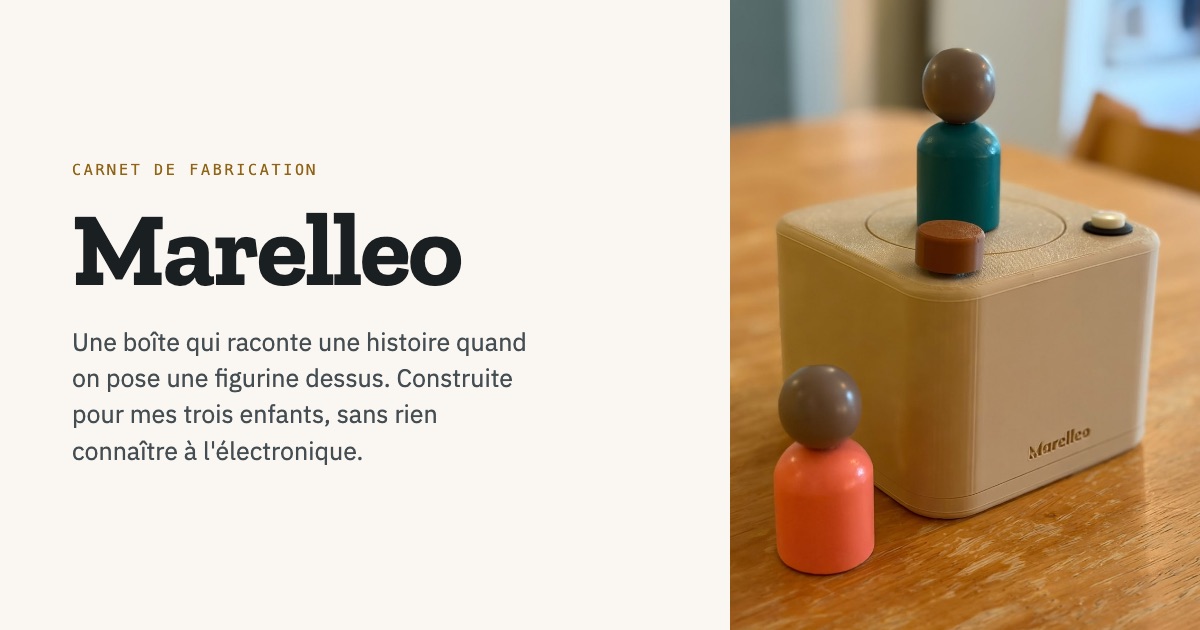
A developer has released Marelleo, an open-source ESP32 story box that plays a story when a child places a figurine on top. Built for their three kids by someone with no prior electronics experience, the project covers the breadboard, a burned potentiometer, five enclosure iterations, and a printed circuit board.
CommentsSwitch Lowering in GCC
2026-10-31A discussion around GCC’s switch-lowering work highlights frustration that GCC and Clang still lack perfect hashes for large sparse switch tables; one commenter says they implemented this in their rcc C compiler in a day, especially useful for Unicode. Commenters note an LLVM patch was rejected a decade ago and GCC’s Unicode-related patches remain in branches, while also debating jump-table indirection and missed switch simplifications.
Comments
Lean creator Leo de Moura discusses how AI and Lean could reshape formal verification, moving software toward formal proofs and AI agents that help eliminate “trust me” code. The conversation explores the future of proof-driven development and its implications for trustworthy software.
CommentsA Show HN project has ported the 1987 NES game Contra from assembly to C and then to WebAssembly, drawing enthusiasm from readers who call it a favorite and praise the co-op focus. Discussion centers on whether the port could add music or higher-resolution/color graphics and sample-based sound, with commenters pointing to emulator texture packs like Mesen and tools like 3dSen while noting NES hardware limits around digitized audio.
CommentsA developer has released kube32, a Kubernetes-compatible control plane, Kubelet agent, and WebAssembly runtime designed to run on ESP32 microcontrollers. The project aims to bring container-like orchestration to highly constrained embedded hardware.
CommentsProspero is a new coding harness with a native GUI and a notably space-efficient Dear ImGui-based interface, drawing praise for thoughtful, opinionated design amid a wave of AI “slopware.” Commenters want to compare it with Zed and see whether its UI could work atop opencode or the Codex app-server protocol, while others flagged confusion over inconsistent platform support on the Professional Edition page.
CommentsI post trained a model on Demoscenes
2026-10-31A new post explores training a model on demoscenes, examining the grammar of the demoscene form and its creative constraints. It also considers how unfinished code can open up new possibilities.
Comments
The article explains that I/O read and write operations are less symmetric than programmers often assume, using POSIX read(2) and write(2) as examples. It highlights the semantic and behavioral differences between the two syscalls that matter in practice.
Comments
The article explores the challenge of finding and removing "zombie accounts" in Active Directory, noting they are hard to identify and eliminate. It recounts hands-on methods the author has used across different systems to track down and cull these stale accounts.
CommentsIt's the Memory Latency, Stupid
2026-10-31The piece explains that a database CPU at 100% may be stalled on memory access rather than doing useful work, making cache behavior and latency central to performance. It examines how radix partitioning can speed up GROUP BY by improving memory access patterns and reducing stalls.
CommentsBrief History of PDP Computers
2026-10-31A retrospective on DEC’s PDP line examines how these minicomputers carved out a cheaper, more accessible niche than batch-oriented mainframes. Readers recall programming on PDP-10s and note that the “Programmable Data Processor” name may have helped DEC sidestep procurement rules that treated “computers” as high-scrutiny mainframes. The discussion also highlights preservation work, including browser-based PDP-7 emulators running early UNIX, PIXIE CAD software, games, and newly built Forth systems.
Comments