Programming News
Programming keeps evolving as languages mature, tooling improves, and teams rethink how software should be written. This section follows that change, gathering news and articles about programming languages, compilers, development practices, and the craft of writing reliable, maintainable code.
Typical stories include language releases and proposals, deep dives into compiler and runtime internals, performance investigations, debates about coding style and architecture, and essays from experienced engineers on lessons learned. Popular ecosystems such as Rust, Python, JavaScript, and TypeScript appear regularly.
Keeping up with these topics helps developers choose the right tools, avoid known pitfalls, and grow their skills. Working engineers, students, and technical leaders follow this coverage to stay current with the ideas shaping how software gets built.
2026-07-01
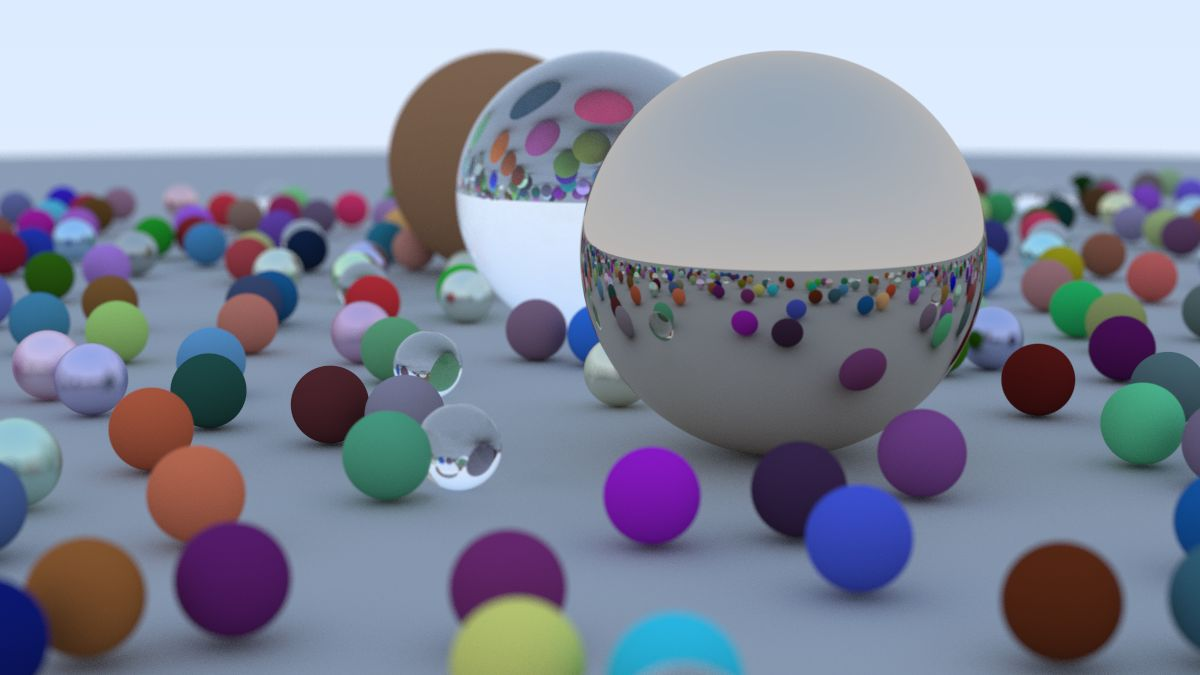
Addressing frequent inquiries from aspiring developers, the author outlines the core technical skills required to become a hireable graphics programmer. The post also briefly addresses the current state of LLMs, expressing skepticism about whether modern machine learning will drastically change the foundational requirements of the role.
CommentsAsk HN: Who is hiring? (July 2026)
2026-07-01The July 2026 Hacker News hiring thread features St. Jude Children's Research Hospital recruiting senior Rust engineers to rebuild its genomics infrastructure. Additionally, a stealth YC S26 robotics startup in Palo Alto is seeking lead engineers to develop wearable robotic devices for human endurance. Finally, Talk Machine is hiring remote founding engineers to build a consumer voice and AI email product.
Comments
The Underhanded C Contest
2026-07-01The Underhanded C Contest challenged programmers to write seemingly innocent code containing hidden, plausible bugs that only manifest under specific conditions, such as altering vote counts or failing image redactions. Readers fondly reminisce about the cleverness of past entries and speculate whether the beloved competition might return or evolve into an underhanded prompt contest for large language models.
Comments2026-06-30

A developer inspecting Claude Code for privacy reasons discovered that the tool secretly embeds hidden steganographic markers within its system prompts. These undisclosed tags are dynamically generated based on the API base URL and timezone, raising concerns about hidden tracking in AI coding assistants.
Comments
Claude Sonnet 5
2026-06-30Claude Sonnet 5 has been released as the most agentic model in the Sonnet lineup to date. The new iteration delivers top-tier intelligence specifically optimized for complex coding tasks and everyday professional workflows. This launch significantly advances autonomous capabilities for developers and everyday users alike.
CommentsKnoppix
2026-06-30Readers are sharing fond memories of the Knoppix Linux Live CD, recalling the pioneering distribution as a vital gateway into open-source operating systems during their youth. Many users relied on the bootable disc to safely explore programming and system tinkering without the risk of damaging their family's Windows partitions, highlighting its lasting impact on a generation of early tech enthusiasts.
CommentsLinux for the Sega MegaDrive
2026-06-30Developers have created an open-source port of the Linux operating system for the classic 16-bit Sega MegaDrive console. The new project is called LinuxMD and brings modern open-source software to retro gaming hardware. Enthusiasts and programmers can contribute to its ongoing development by visiting the repository on GitHub.
CommentsExploring PDP-1 Lisp (1960)
2026-06-30A newly published guide explores the foundational history of computer science by detailing the implementation of Lisp on the PDP-1. The tutorial provides a hands-on, practical introduction to programming in this classic language. Readers can follow the instructions to experience the unique computing environment of 1960.
CommentsThe programming language Ante introduces a novel approach to memory management by blending borrow checking with reference counting to safely allow shared mutability in single-threaded contexts. By enforcing shape stability and strict thread-safety constraints, the language aims to prevent data races and use-after-free errors without relying on exclusive ownership rules. Community discussions highlight potential tradeoffs such as lost compiler optimizations, challenges with recursive analysis, and concerns about its practical utility with complex data structures.
Comments
Stroustrup's Rule (2024)
2026-06-30Bjarne Stroustrup's updated rule for 2024 addresses a core challenge in programming language design regarding the differing needs of novice and expert developers. While beginners require explicit and readable syntax to understand code logic, experienced professionals prefer concise syntax to maximize their workflow efficiency.
Comments2026-06-29
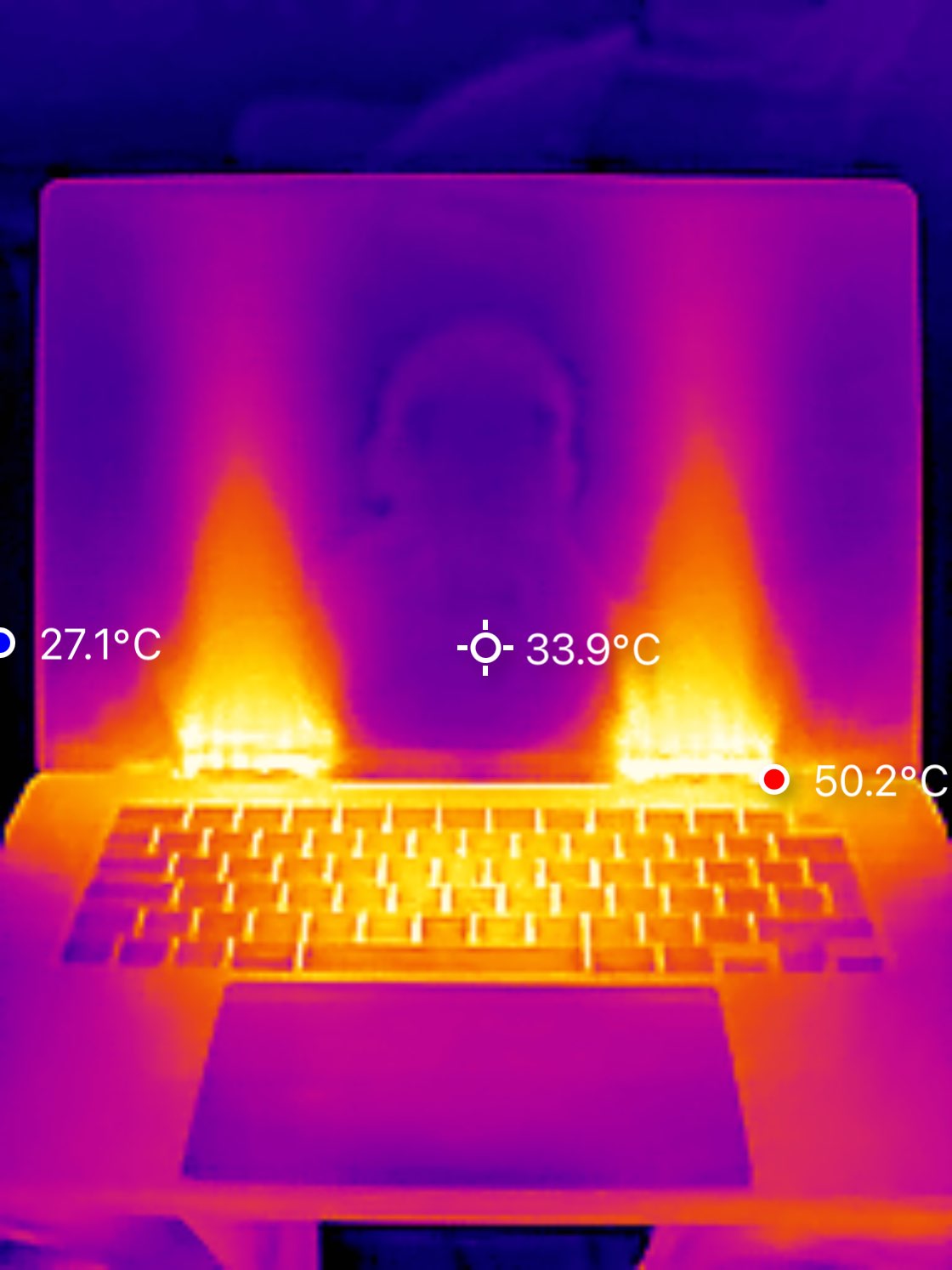
The Qwen 3.6 27B model is emerging as the ideal choice for local software development due to its strong coding capabilities. Developers can now run this highly capable AI efficiently on consumer hardware like MacBooks and NVIDIA RTX GPUs using tools such as llama.cpp and OpenCode.
CommentsDeepreinforce AI has introduced Ornith-1.0, a new open-source model built specifically for agentic coding. This innovative system features self-improving capabilities designed to continuously enhance its autonomous programming skills. Developers can now access the repository on GitHub to contribute to its ongoing development.
Comments
A newly published arXiv paper provides an in-depth technical analysis of Apple's proprietary Neural Engine, detailing its underlying architecture, programming interfaces, and performance benchmarks. The study offers a comprehensive breakdown of the machine learning hardware found in Apple's custom silicon, providing valuable insights for developers and AI researchers.
Comments2026-06-28
Users have submitted an open feature request for OpenAI Codex to prevent the AI agent from reading or transmitting sensitive files to the model. The proposed solution involves implementing both repository and global level ignore files to explicitly block confidential data. This issue remains unresolved as developers seek stricter data privacy controls for the coding assistant.
Comments
Decomp Academy is a free, interactive platform that teaches developers how to decompile retro GameCube and Game Boy Advance games into byte-matching C code. The lessons guide students through translating original assembly and feature real-time grading directly from the authentic compilers.
CommentsA newly released anniversary edition of the MUMPS 76 Primer offers a faithful implementation of the original 1976 MUMPS programming standard. The updated documentation also integrates DEC MUMPS-11 extensions to provide developers with a comprehensive reference for the legacy language.
Comments
A new analysis explores which regular expression features maintain consistent compatibility across all programming environments. The findings reveal that very few regex capabilities work truly everywhere. Ultimately, developers must either severely limit their feature set or relax their strict definition of universal support to ensure cross-platform functionality.
Comments
Developers have introduced WAL-RUS, an open-source Rust rewrite of the WAL-G PostgreSQL backup utility that maintains full compatibility with the original tool. The new software significantly improves resource efficiency by reducing virtual memory usage by over 70 percent compared to its predecessor.
Comments
Sending Web MIDI data to vintage synthesizers often crashes the classic hardware because fast transfers overwhelm their slow processors and strict 31.25k baud limits, a problem worsened by cheap USB cables. To prevent this, developers must implement deliberate sender pacing, software flow control, and custom JavaScript parsing to properly manage the SysEx communication.
Comments2026-06-27
The BBC is shutting down its Long Wave radio service due to financial constraints, ending a highly reliable broadcast network that provided uninterrupted coverage across Europe. The closure has sparked widespread nostalgia among listeners who relied on the analog signal for iconic programming like the Shipping Forecast and Test Match Special. Many mourn the loss of the accessible technology, which also served as a foundational electronics project for generations of hobbyists.
CommentsA developer thwarted a suspected nation-state attack that used a fake job interview to deliver a malicious TypeScript patch. The payload attempted to install the PinpinRAT backdoor, but the attack ultimately failed. The incident prompted a detailed public analysis of the attack vector, the malware, and its indicators of compromise.
CommentsDBOSify is a new open-source project introduced on Hacker News that serves as a drop-in replacement for Temporal. It is built entirely on PostgreSQL, allowing developers to leverage their existing database infrastructure for orchestration tasks. The Python-based library is currently available for testing and contribution on GitHub.
Comments2026-06-26
Record type inference for dummies
2026-06-26A newly published tutorial provides a beginner-friendly guide to understanding type inference for records. It breaks down complex compiler mechanics into easy-to-understand steps, offering an accessible resource for developers looking to master how modern programming languages automatically deduce data types.
Comments2026-06-25
The Zig programming language community is enthusiastically praising a comprehensive devlog detailing new bitCast semantics and LLVM back end improvements. Readers expressed strong appreciation for the rigorous technical depth and ongoing language refinements, contrasting the high-quality post favorably against the low-effort and AI-generated content often found on tech forums.
Comments
An oral history of Bank Python (2021)
2026-06-25This oral history explores the unconventional ecosystem of Python as utilized by major investment banks, detailing the custom distributions, strict security constraints, and legacy integrations required in the financial sector. It highlights how these specific institutional needs have created a distinct environment that differs significantly from the standard open-source community.
CommentsMixing Visual and Textual Code
2026-06-25A new arXiv paper introduces a novel framework that combines visual and textual code to enhance software development and AI code generation. By integrating visual diagrams with traditional text-based programming, the approach leverages multimodal machine learning to improve code comprehension. This innovation could lead to more intuitive programming environments and significantly streamline the workflow for developers.
Comments2026-06-24
Qualcomm to Acquire Modular
2026-06-24Qualcomm is acquiring Modular, the AI compute company founded by Chris Lattner that is developing the Mojo programming language. While some in the developer community worry about the future of Mojo under Qualcomm and question its design choices, the company has confirmed that the language remains on track to be open-sourced later this year.
CommentsRhombus Language 1.0
2026-06-24Rhombus Language 1.0 has officially launched, providing developers with a newly available programming language to download and explore. The release is accompanied by comprehensive documentation, installation guides, and an FAQ detailing the project's unique design goals.
Comments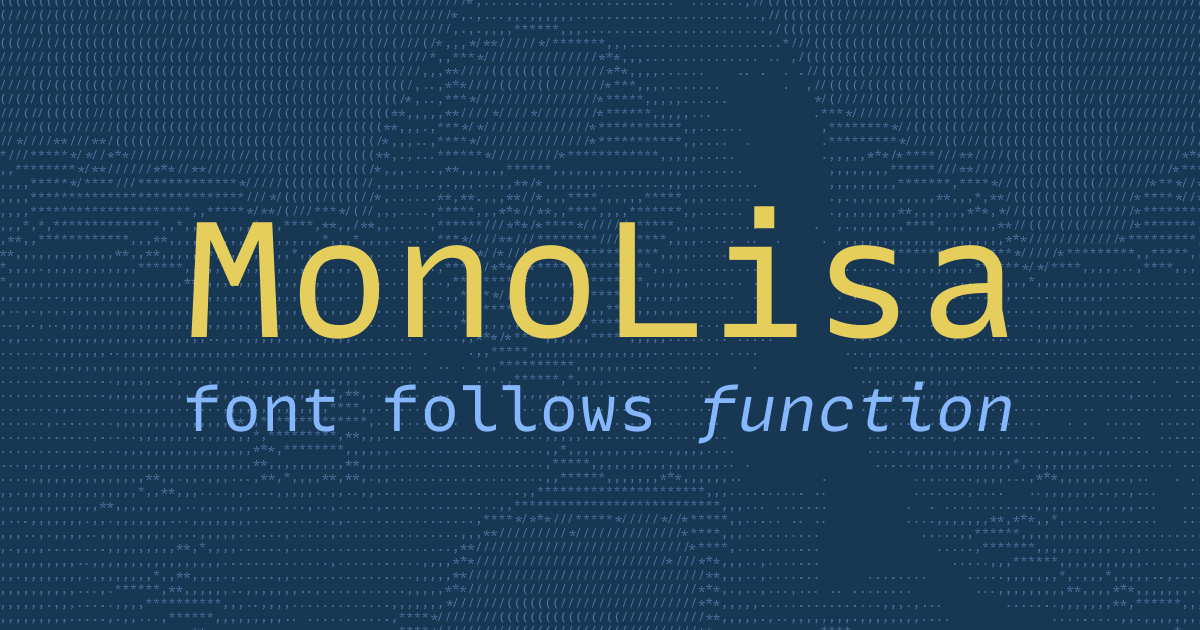
Monolisa v3 is a specialized typeface designed specifically for software developers and creative professionals. Guided by a font follows function philosophy, this updated font family prioritizes readability and practical utility for programming environments.
Comments2026-06-23
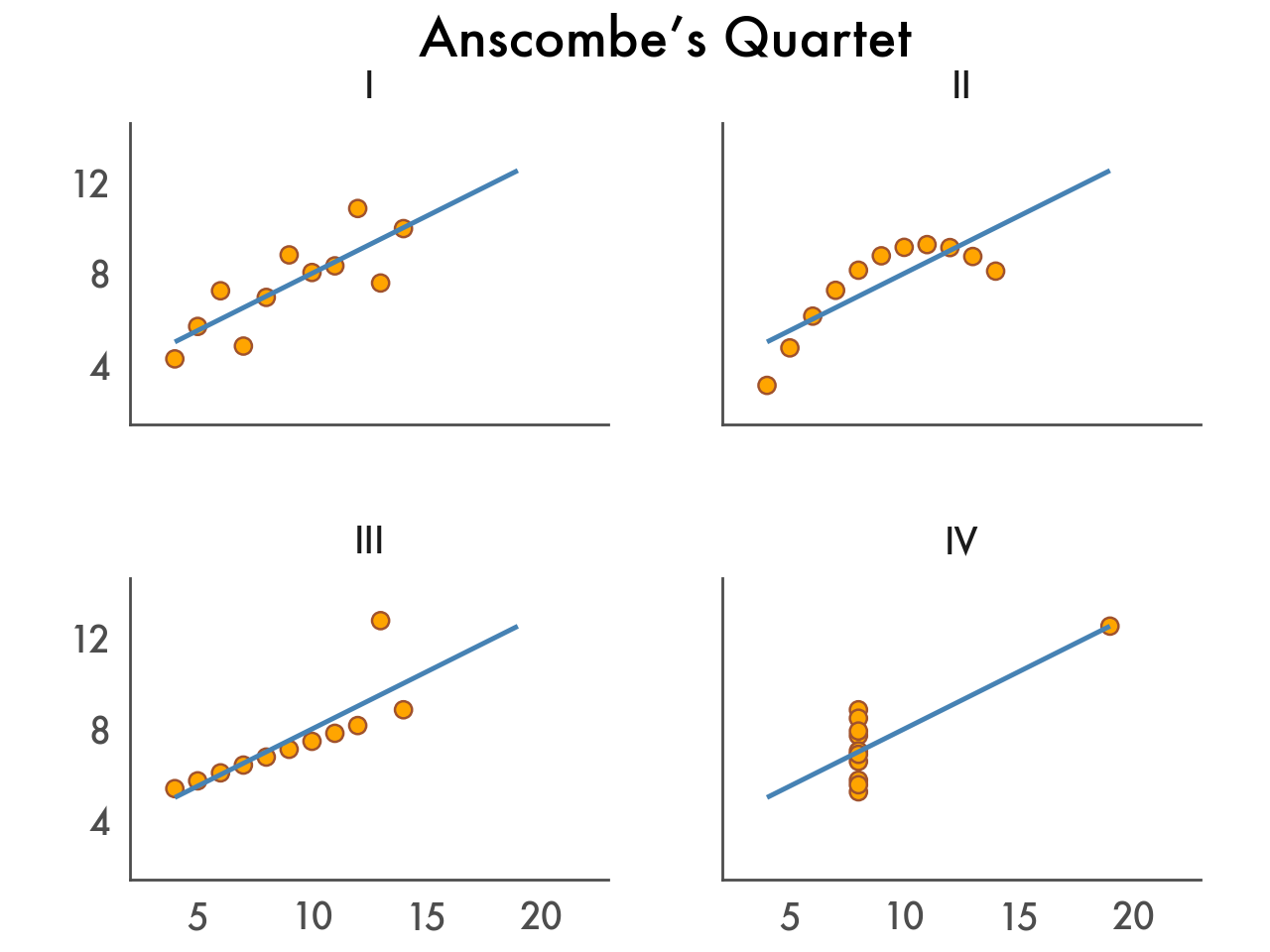
Plotnine
2026-06-23The Python data visualization library Plotnine is preparing for its upcoming 0.16 release, introducing new capabilities that are currently available via a pre-release build. The update prompted a lengthy community discussion regarding data visualization best practices, specifically focusing on the effectiveness of violin plots featured on the project homepage. Many participating developers criticized violin plots in favor of alternative distribution visualizations, advocating for the use of strip, swarm, and raincloud plots instead.
Comments