Programming News
Programming keeps evolving as languages mature, tooling improves, and teams rethink how software should be written. This section follows that change, gathering news and articles about programming languages, compilers, development practices, and the craft of writing reliable, maintainable code.
Typical stories include language releases and proposals, deep dives into compiler and runtime internals, performance investigations, debates about coding style and architecture, and essays from experienced engineers on lessons learned. Popular ecosystems such as Rust, Python, JavaScript, and TypeScript appear regularly.
Keeping up with these topics helps developers choose the right tools, avoid known pitfalls, and grow their skills. Working engineers, students, and technical leaders follow this coverage to stay current with the ideas shaping how software gets built.
2026-05-21
With the Python 3.15.0b1 feature freeze complete, the upcoming release is bringing several under-the-radar improvements alongside its major announcements. This update highlights the lesser-known features and hidden enhancements that developers should watch for in the new version.
CommentsHaskell Foundation 2026 Update
2026-05-21The Haskell Foundation is transitioning to a new sponsorship model that directly funds technical challenges to attract a broader range of production companies. Community discussions surrounding the update highlight Haskell's potential strengths for AI-assisted coding due to its strong typing and small context requirements. However, developers continue to debate the ecosystem's overall tooling and package management, with practitioners split between praising mature solutions like Stackage and citing ongoing friction with cross-platform compilation compared to languages like Rust.
Comments

YC P26 startup Runtime has launched a platform that enables non-engineering teams to build and run sandboxed cloud coding agents. The tool allows users to create customized agents using company-specific context and guardrails, which can be triggered directly from existing workflows like Slack, Linear, or the browser.
Comments2026-05-20

Saying goodbye to asm.js
2026-05-20Mozilla is discontinuing asm.js by disabling its specific optimizations within the SpiderMonkey JavaScript engine. This move reflects the broader industry's transition to WebAssembly as the modern standard for delivering high-performance web applications. Developers relying on asm.js should begin migrating their codebases to WebAssembly to maintain optimal execution speeds in future browser updates.
CommentsForge is a new Python framework that enables self-hosted large language model tool-calling and multi-step agentic workflows. By implementing specialized guardrails, the project boosts the performance of an 8B model on agentic tasks from 53% to 99%.
CommentsEverything in C is undefined behavior
2026-05-20A recent article highlights the pervasive nature of undefined behavior in the C programming language, illustrating how easily even expert developers can trigger unpredictable outcomes. By playfully adapting a famous historical quote, the author emphasizes that no amount of programming skill can fully protect C code from the language's notoriously unforgiving rules.
CommentsIn a 2014 blog post, Paul Khuong explores the Steel Bank Common Lisp compiler, highlighting its effectiveness as a low-level breadboard for experimenting with assembly code. The article delves into advanced Lisp optimization and explores various mathematical and computer science concepts, providing valuable insights for developers interested in compiler internals and low-level programming.
Comments
Sharla Boehm was a math teacher who spent her summers programming and ultimately wrote foundational code that evolved into the modern Internet. Her pioneering work laid the essential technical groundwork for the global network infrastructure the world relies on today.
CommentsA developer used AI coding agents to write over 130,000 lines of Rust in a few weeks, building a modern, high-performance multi-Paxos consensus engine to upgrade Azure's Replicated State Library. By leveraging AI-driven code contracts, lightweight spec-driven development, and automated performance tuning, the developer boosted system throughput from 23,000 to 300,000 operations per second. This project highlights the massive productivity gains and practical techniques available when using AI to architect and optimize complex, production-grade distributed systems.
Comments2026-05-19
A new command-line tool and Python library called Remove-AI-Watermarks enables users to strip both visible and invisible AI watermarks from images. The utility specifically targets provenance metadata and embedded trackers, including SynthID, C2PA, and Nano Banana sparkle.
Comments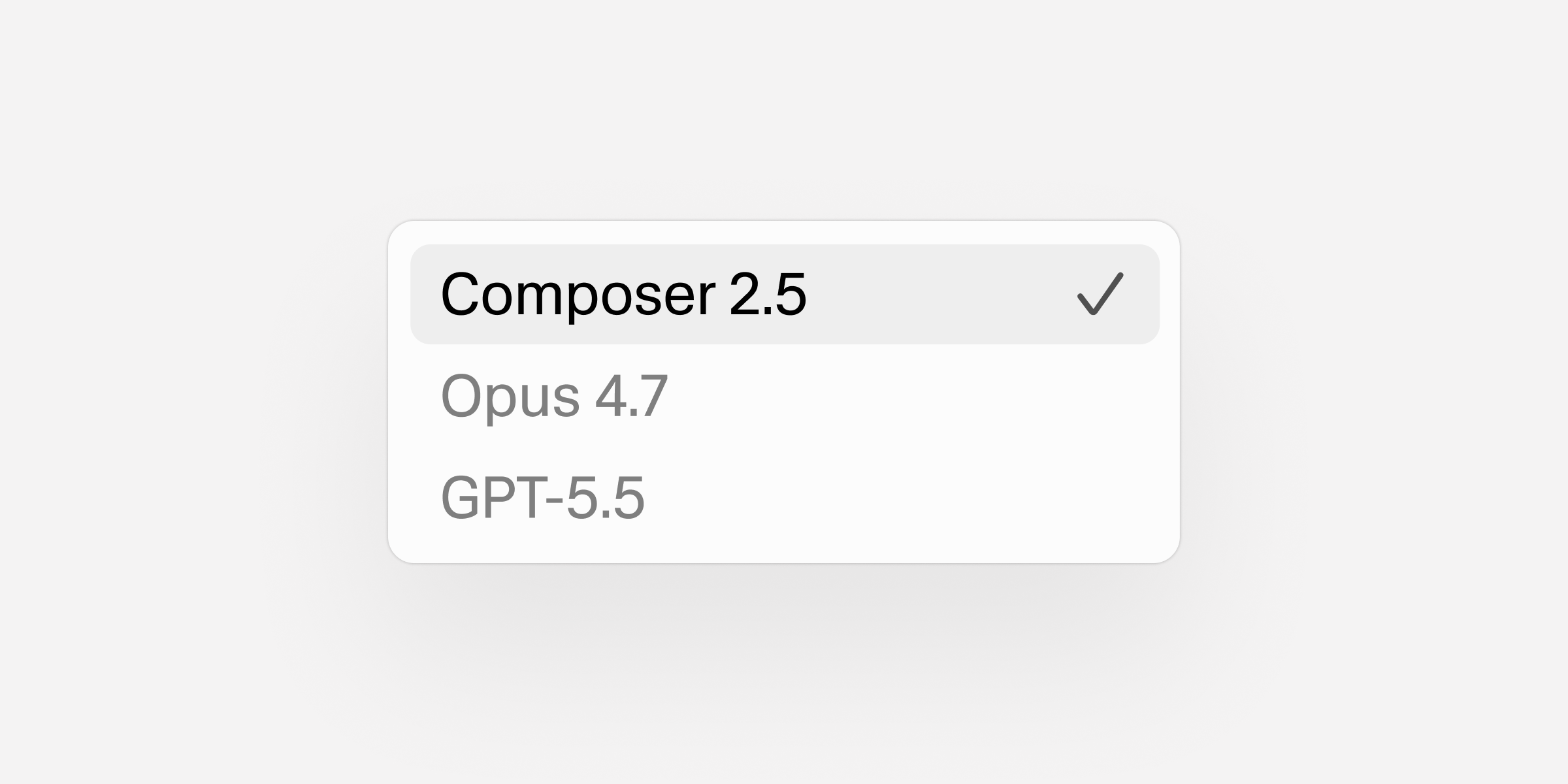
Cursor Introduces Composer 2.5
2026-05-19Cursor has introduced Composer 2.5, delivering significant upgrades in intelligence and overall behavior compared to the previous version. The update specifically targets improvements in handling long-horizon agentic tasks for complex coding workflows. This release provides developers with a much more capable and autonomous programming assistant.
CommentsLisp in Web-Based Applications (2001)
2026-05-19Recent reader discussions highlight the modern viability of Lisp for web development, pointing to contemporary frameworks, successful products like ScreenShotBot, and the unmatched productivity of interactive environments. Commentators also debated whether the efficiency gains of modern AI coding assistants mirror the historical productivity highs of Lisp, while veterans shared anecdotes about using Lisp macros to easily generate complex HTML. Ultimately, the conversation questions whether highly productive but niche languages still offer a distinct competitive advantage for building modern SaaS applications.
Comments2026-05-18
Jank now has its own custom IR
2026-05-18The Jank compiler has introduced a custom intermediate representation to enhance its processing capabilities. Developers are pushing this new feature to its limits by running extreme Fibonacci benchmarks to determine which implementation achieves the fastest execution times.
Comments
What Is Date:Italy?
2026-05-18A recent article explores the Ruby programming constant Date::ITALY, detailing its role in handling historical date calculations and Julian day numbers. The piece highlights the unexpected intersection of computer science and history by showing how Italy's early adoption of the Gregorian calendar continues to influence modern software library design.
Comments2026-05-17
Prolog Basics Explained with Pokémon
2026-05-17A newly published tutorial breaks down the fundamentals of Prolog logic programming by utilizing familiar data from the Pokémon franchise. By applying core concepts like rules and facts to Pokémon types and stats, the guide makes mastering this unique language much more accessible and engaging for developers.
CommentsCUDA Books
2026-05-17A new GitHub repository called awesome-cuda-books offers developers a curated collection of the best books for mastering CUDA programming. The open-source project welcomes community contributions to help expand and maintain this essential library of parallel computing resources.
CommentsProlog Coding Horror
2026-05-17A recent developer post highlights the notorious complexities of the Prolog programming language, demonstrating how its unique declarative paradigm can easily result in convoluted logic. The story details a specific coding horror where poorly structured rules created severe debugging nightmares in a production environment. This serves as a cautionary reminder for engineering teams to carefully weigh the maintenance costs before adopting unconventional languages for standard business applications.
Comments
As Mercurial celebrates its 20th anniversary, developers reflect on how it lost the version control war to Git due to market popularity rather than technical shortcomings, with many users still favoring its superior user experience. Additionally, the discussion highlights alternative tools like Fossil, which is gaining traction for its comprehensive feature set and seamless integration with modern LLM-assisted coding workflows.
Comments2026-05-16
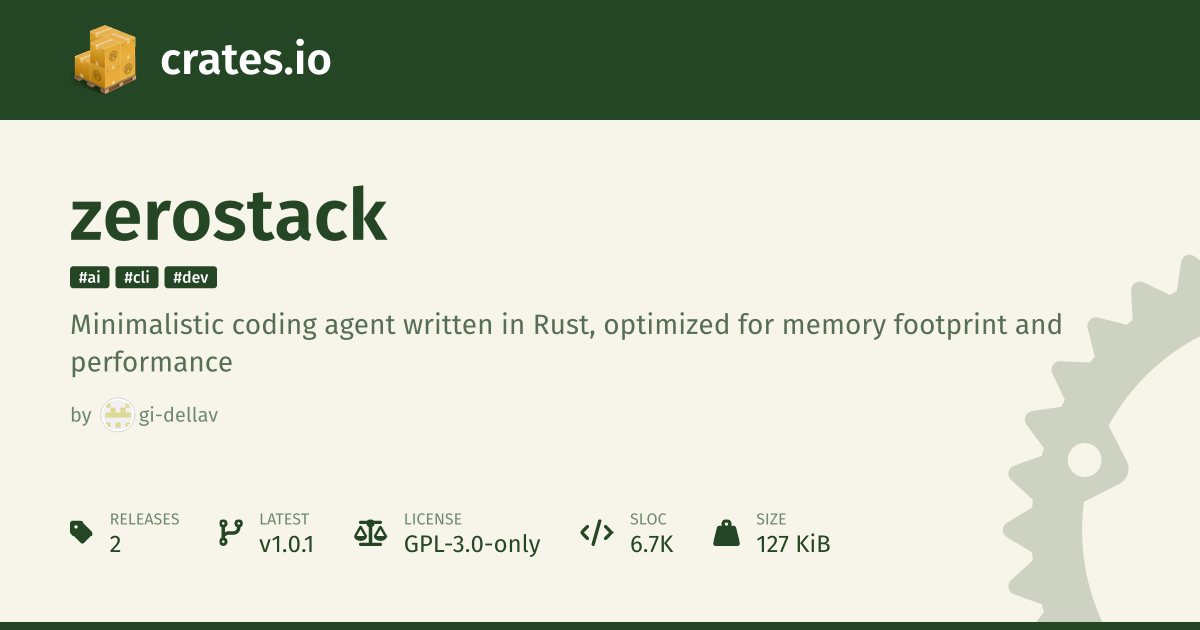
Zerostack is a new Unix-inspired coding agent written entirely in pure Rust. The tool is now available on crates.io, the central registry for sharing Rust packages, allowing developers to easily integrate it into their own projects to enhance their workflows.
CommentsFuthark by example (2020)
2026-05-16The 2020 tutorial Futhark by example introduces developers to Futhark, a high-performance and purely functional array programming language. It demonstrates how the language enables efficient data-parallel execution across both GPU and CPU architectures through practical coding samples.
CommentsRocksky is a new music scrobbling and discovery platform built on the AT Protocol, despite being described in its launch as a next-generation social coding platform. Showcased on Hacker News, the application primarily allows users to track their listening habits and explore new music.
Comments
Erlang/OTP 29.0
2026-05-16The Erlang development team has officially released version 29.0 of the Erlang programming language and its associated Open Telecom Platform. This major update introduces new features and enhancements aimed at improving system performance and the overall developer experience. It continues to reinforce the platform's core strengths in concurrency and fault tolerance for building scalable distributed applications.
Comments2026-05-15
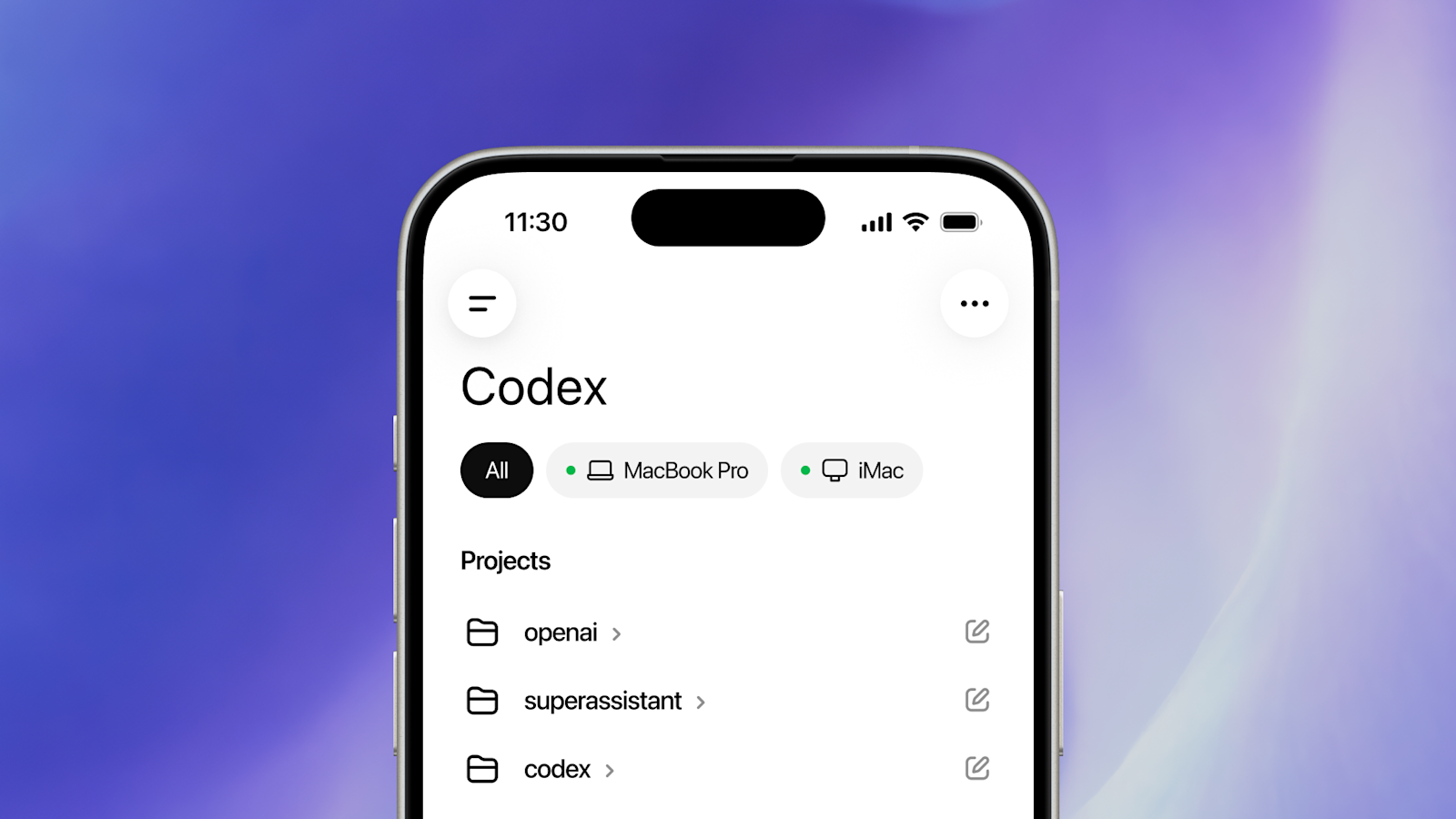
Codex is now in the ChatGPT mobile app
2026-05-15Codex is now available in the ChatGPT mobile app, enabling users to manage coding tasks on the go. This update allows developers to monitor, steer, and approve these processes in real time across various devices and remote environments.
Comments2026-05-14
Rewrite Bun in Rust has been merged
2026-05-14The popular all-in-one JavaScript runtime and package manager Bun has officially merged its major rewrite in the Rust programming language. Spearheaded by creator Jarred Sumner, this architectural transition leverages Rust's performance and memory safety to further enhance the tool's speed and reliability.
CommentsA new open-source project introduces a specialized skill for AI coding assistants like Claude Code and OpenAI Codex to foster deliberate practice. The tool, named learning-opportunities, helps developers actively refine their programming abilities while working alongside AI. By prompting users to engage critically with the code, it prevents over-reliance on automated generation and promotes continuous learning.
Comments
Int a = 5; a = a++ + ++a; a =? (2011)
2026-05-14Developers are revisiting a notorious C programming interview question involving complex increment operators that triggers undefined behavior and sequence point violations. Commenters recall the frustration of interviewers mistakenly treating specific compiler outputs as the definitive answer rather than acknowledging the language rules. The community consensus emphasizes that the only appropriate response is to recognize such code as unmaintainable and refuse to write it.
Comments2026-05-13
The Emacsification of Software
2026-05-13As AI makes software production increasingly effortless, developers are retreating into highly personalized, isolated coding environments akin to custom Emacs configurations. While this trend maximizes individual productivity, it creates severe bottlenecks for collaboration and code sharing because these custom environments are nearly impossible for others to understand or integrate. This shift is now challenging traditional version control platforms like GitHub and forcing teams to rethink how they collaborate on highly fragmented, individually generated code.
Comments
Python 3.14 introduced a new incremental garbage collector that caused significant memory pressure in production environments. Consequently, developers have decided to revert this feature in both Python 3.14 and 3.15 to restore the previous garbage collection system.
CommentsTech enthusiasts recently dissected a classic chess puzzle requiring the placement of four queens and one bishop to attack every square on a chessboard. By utilizing Python scripts and constraint programming, the community discovered 388 possible solutions, explored alternative piece combinations, and highlighted the puzzle's counter-intuitive need for overlapping piece responsibilities.
Comments
My graduation cap runs Rust
2026-05-13Software developer Eric Park recently shared details about his custom graduation cap, which features a microcontroller programmed entirely in the Rust programming language. The project serves as a creative exploration of embedded systems, demonstrating the growing versatility of Rust in hardware and DIY maker communities.
Comments