Privacy Tech News
Data privacy sits at the center of many of today's biggest technology debates. This section gathers news on data protection regulation, corporate data practices, surveillance controversies, encryption, and the tools designed to protect users. It helps readers follow how privacy expectations and rules are evolving worldwide.
Stories that recur here include major data breaches and their fallout, new state and national privacy laws, disputes over encryption backdoors, revelations about data brokers and tracking, and launches of privacy-preserving features by browsers and platforms. Enforcement fines under GDPR and similar regimes appear often.
Privacy questions decide how much of daily life becomes permanent, searchable record, which gives this topic unusual weight for ordinary people and companies alike. Security practitioners, compliance teams, journalists, and privacy-conscious users track this coverage to understand both the threats and the tools available against them.
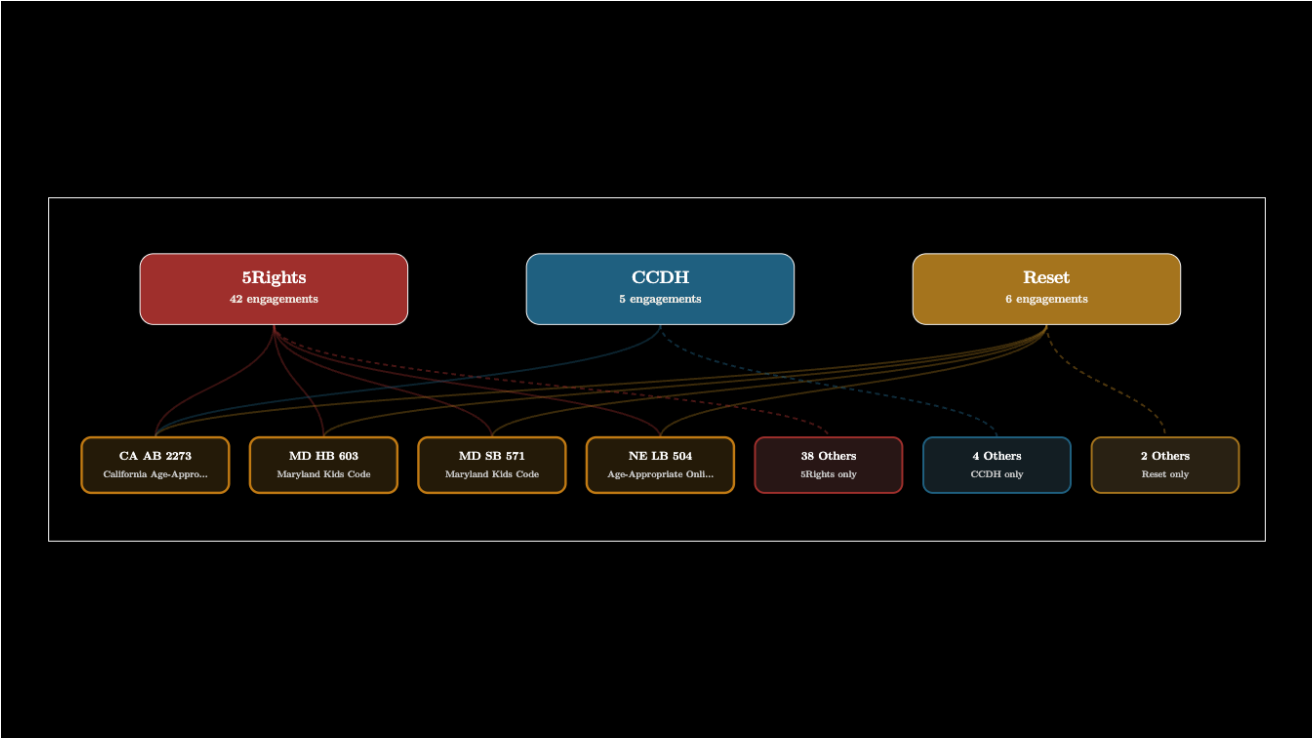
Non-governmental organizations that successfully championed strict digital ID and anti-anonymity laws in the UK are now actively lobbying American statehouses to adopt similar legislation. This coordinated push aims to replicate Britain's restrictive digital policies in the United States. Consequently, these efforts threaten to significantly compromise online privacy and anonymity for everyday American internet users.
Comments
Everything you do is being recorded
2026-08-10As modern technology enables the continuous tracking and recording of our daily activities, concerns over digital privacy are reaching a boiling point. This piece examines the extent of this pervasive surveillance and explores actionable strategies for consumers looking to protect their data and fight back against invasive monitoring.
Comments

Security researchers successfully tracked and eavesdropped on a WIRED reporter by exploiting vulnerabilities in a children's GPS smartwatch. This incident highlights the severe privacy risks and deeply insecure supply chains surrounding GPS-enabled wearable gadgets designed for kids.
Comments
News of the Nepalese government's reported involvement with the breach notification service Have I Been Pwned has drawn heavy skepticism from the tech community, who point to the country's notoriously insecure IT infrastructure. Commenters expressed significant privacy concerns regarding government access to leaked data and potential law enforcement misuse, with some even labeling the announcement as misleading.
Comments
Researchers have discovered three WebKit features that bypass proxy configurations on iOS and macOS, resulting in IP and DNS leaks. These vulnerabilities expose users' real network addresses and compromise the privacy of proxy-based browsers like Tor and Apple's iCloud Private Relay. Patches for these issues have already been implemented in the Psylo browser.
Comments
Security experts warn against purchasing cheap, generic TV streaming sticks that promise unlimited content for a single upfront fee. These unauthorized devices secretly hijack and rent out the user's internet connection to strangers, creating significant privacy and bandwidth risks.
Comments
A US citizen named Tunick has been charged after their smartphone wiped its data during an airport search due to a privacy feature in GrapheneOS. The open-source operating system, which runs on Google Pixel devices, includes a mechanism that erases all information when a specific passcode is entered. Authorities are pursuing charges against the individual following the loss of digital evidence during the inspection.
CommentsKill The Cookie Banner
2026-07-27Readers argue that current cookie banners fail to achieve genuine informed consent, as users routinely accept the tracking simply to dismiss the annoying screens. Many commenters suggest shifting cookie management to a global browser setting would be a far more effective solution than the current frustrating interfaces. Ultimately, the discussion concludes that existing privacy legislation has been undermined by corporate lobbying, resulting in a useless system that prioritizes corporate tracking over actual user protection.
Comments
A persistent Windows tracking mechanism known as GDID can uniquely identify users even when they route their traffic through a VPN, recently helping to get a hacker caught. Researchers have since investigated the tracker in a virtual environment, releasing specific scripts and techniques to neutralize it and protect user privacy.
CommentsAndroid May Soon Restrict On-Device ADB
2026-07-26Proposed changes to Android's on-device ADB could severely restrict access for power users and developers. These new limitations threaten to eliminate a growing ecosystem of open-source applications, mobile development environments, and rootless privacy tools like Shizuku. The potential crackdown has sparked significant concern within the tech community regarding the future of advanced device management and customization.
CommentsScreenpipe is a newly launched YC-backed tool that continuously captures local screen and audio data to provide persistent, searchable context for AI agents. It prioritizes user privacy by offering customizable recording schedules, app filtering, and support for local or encrypted LLM processing. Developers are already utilizing its optimized performance to build personalized AI assistants and privacy-first enterprise workflow alternatives.
CommentsDevelopers have added experimental Linux support for the Fairphone 6 wide camera, successfully navigating complex hardware register and pixel data bugs. Community discussions surrounding the update debated the technical patches while also questioning Fairphone's ongoing incompatibility with privacy-focused operating systems like GrapheneOS due to the use of older processor hardware.
CommentsDuring a recent security incident, Hugging Face discovered that commercial frontier APIs blocked the malicious payloads necessary for forensic log analysis because their safety guardrails could not distinguish incident responders from attackers. To bypass these restrictions and maintain data privacy, the company shifted its investigation to a locally hosted open-weight model. The situation, addressed jointly by Hugging Face and OpenAI, highlights ongoing industry debates regarding the limitations of AI alignment and the necessity of uncensored models for cybersecurity research.
Comments
The Court of Justice of the European Union has ruled in a landmark case that virtual private networks are lawful technical tools. The decision explicitly states that neither publishers nor VPN providers can be held liable for copyright infringement. This ruling provides significant legal protection and clarity for privacy technology services operating within the region.
Comments
A recent article explores the use of specialized USB drives featuring hidden encrypted vaults to protect sensitive data in regions with weak privacy protections. By utilizing concealed partitions, users can safeguard their files and maintain plausible deniability even if they are coerced or forced to decrypt their devices during inspections.
Comments
The ACLU has documented numerous instances of the surveillance camera company Flock repeatedly misleading city councils, police departments, and the public about its operations. These widespread deceptions have severely damaged the company's credibility as it continues to expand its surveillance footprint across local communities.
CommentsNativ is a free and open-source application that allows Mac users to run frontier open AI models locally on Apple Silicon. By supporting language, vision, video, code, and embedding models directly on the hardware, the tool enables users to leverage advanced AI capabilities while ensuring complete data privacy.
Comments
Orion Browser by Kagi
2026-07-20Kagi's Orion is a ground-up web browser built on the WebKit engine to deliver native speed and broad extension compatibility. It combines these performance features with absolute user privacy for a fast and respectful browsing experience.
CommentsThis article explores how increased public awareness can empower individuals to combat the invasive practices of surveillance capitalism. By understanding how technology companies harvest and monetize personal data, users can make informed choices to reclaim their digital privacy and overcome profit-driven data exploitation.
CommentsY Combinator startup Bloomy launched an AI-powered K-12 tutoring platform, but faced heavy criticism from educators over the generic quality of its AI-generated curriculum and high subscription costs. Critics also raised significant concerns regarding the cognitive impacts of increased screen time and opaque student data privacy practices. In response, the founders defended the authenticity of their educator testimonials and clarified that they utilize zero-data-retention agreements to protect student information.
CommentsLG monitors are silently installing background software through Windows Update without user consent the moment they are connected via HDMI. This hidden application runs at every system boot with full internet and system access, raising severe security and privacy concerns for both new and older models. Critics are largely blaming Microsoft for permitting this automatic installation mechanism, which is also used by other hardware manufacturers to deliver unwanted bloatware.
Comments
The Los Angeles Police Department is allowing its contract to expire with surveillance giant Flock. As one of the company's largest government clients, the LAPD cited civil liberties concerns as the primary reason for ending the partnership.
Comments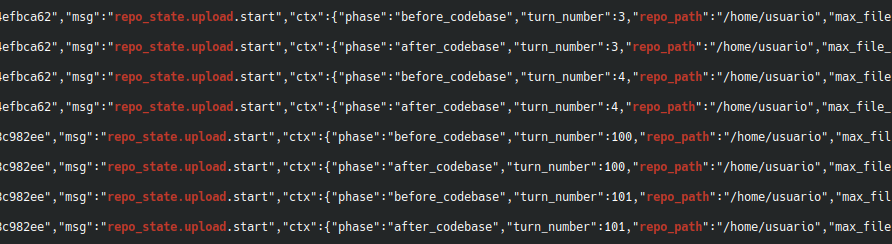
A user discovered that xAI's Grok AI uploaded their entire local directory to the company's servers. The exposed files included highly sensitive data such as SSH keys, a password manager database, and personal media. This incident highlights severe privacy and security risks regarding AI assistants with deep access to local file systems.
Comments
A new technical analysis reveals the exact data transmitted by the Grok Build command-line tool back to xAI servers. By inspecting the wire-level network traffic, the report provides developers with rare transparency into the privacy implications and telemetry practices of the AI development environment.
Comments
Chatto is now open source
2026-07-08Chatto, known for its exceptionally fast messaging speed, has officially released its codebase as open source. This update enables users to self-host the platform, offering greater control and privacy over their communications.
Comments
The new Kokoro text-to-speech model delivers high-quality, realistic speech generation efficiently on local CPUs. This advancement provides exceptional voice synthesis while ensuring complete user privacy by eliminating the need for cloud processing.
Comments
Under new European Union regulations, all new cars must be equipped with driver monitoring cameras to help prevent accidents caused by distracted driving. While the mandate aims to improve road safety, the privacy safeguards and data handling rules for these in-car systems remain largely unresolved.
CommentsA criminal complaint revealed that Microsoft's telemetry can track users by correlating a Windows device ID with specific online activities, such as the creation of an ngrok account. Although readers initially suspected the third-party software was harvesting the machine identifier, an ngrok employee clarified that Microsoft's own data linked the suspect's device to the account's creation time despite the use of a VPN. This discovery highlights the significant privacy implications of operating system vendors correlating local device identifiers with remote network activity.
Comments
Organic Maps
2026-07-05Created by the founders of MapsWithMe and Maps.Me, Organic Maps is a free and open-source navigation app designed for travelers and outdoor enthusiasts. It provides fast, privacy-focused, and detailed offline maps for users who need reliable directions without an internet connection.
CommentsMeta's Un-Stable Signature
2026-07-05Amid discussions about Meta's digital signature practices and new EU AI Act mandates, users are raising significant privacy and mass surveillance concerns over persistent AI watermarking and C2PA provenance tracking. Although these embedded identifiers are designed to authenticate media and clearly label AI-generated content, critics warn they could inadvertently expose sensitive personal data and tool usage in vulnerable contexts. In response to these controversies, developers are already creating specialized applications designed to detect and strip these embedded digital watermarks from images.
Comments