News Bargaining Code Tech Platforms
Governments in several countries now require large tech platforms to pay news organizations for their content. This section follows those news bargaining codes and the wider struggle between publishers and platforms over traffic, advertising, and the value of journalism.
Typical stories include new laws modeled on Australia's code, negotiations and deals between platforms and publishers, platforms blocking news in protest, AI companies licensing news archives, and the impact on local media.
How journalism gets funded shapes what information people can access. Publishers, journalists, policymakers, and platform watchers follow this coverage to understand who pays for news in the digital economy.
2026-05-18

Y Combinator CEO Garry Tan recently accused a journalist of engaging in unethical reporting practices. In response, the targeted reporter has published a public rebuttal to defend their work and address the allegations.
Comments2026-05-15

California lawmakers are advancing a bill that would prevent game publishers from completely shutting down online multiplayer titles. Under the proposed legislation, companies must either release a patch allowing independent play or issue refunds to consumers when official game servers are deactivated.
Comments

ABC News has removed all FiveThirtyEight articles from its website, redirecting the original links to its politics homepage. This sudden takedown has drawn criticism for wiping out thousands of pages of historical data journalism and knowledge.
Comments2026-05-13

Major publishers including the New York Times and USA Today have blocked the Internet Archive from automatically saving their content by updating their web crawler directives, prompting a petition to urge them to reverse the decision. Readers expressed frustration that the Internet Archive strictly respects these rules while AI companies routinely ignore them without facing legal consequences. The discussion also highlighted broader debates regarding copyright enforcement, the financial sustainability of digital journalism, and the distinction between automated web crawling and direct content redistribution.
Comments2026-05-05

Meta and CEO Mark Zuckerberg are facing a lawsuit from five publishers and author Scott Turow over allegations of massive copyright infringement. The plaintiffs claim the company illegally copied millions of books, articles, and other works to train its AI systems, specifically alleging that Zuckerberg personally authorized the practice.
Comments2026-04-29
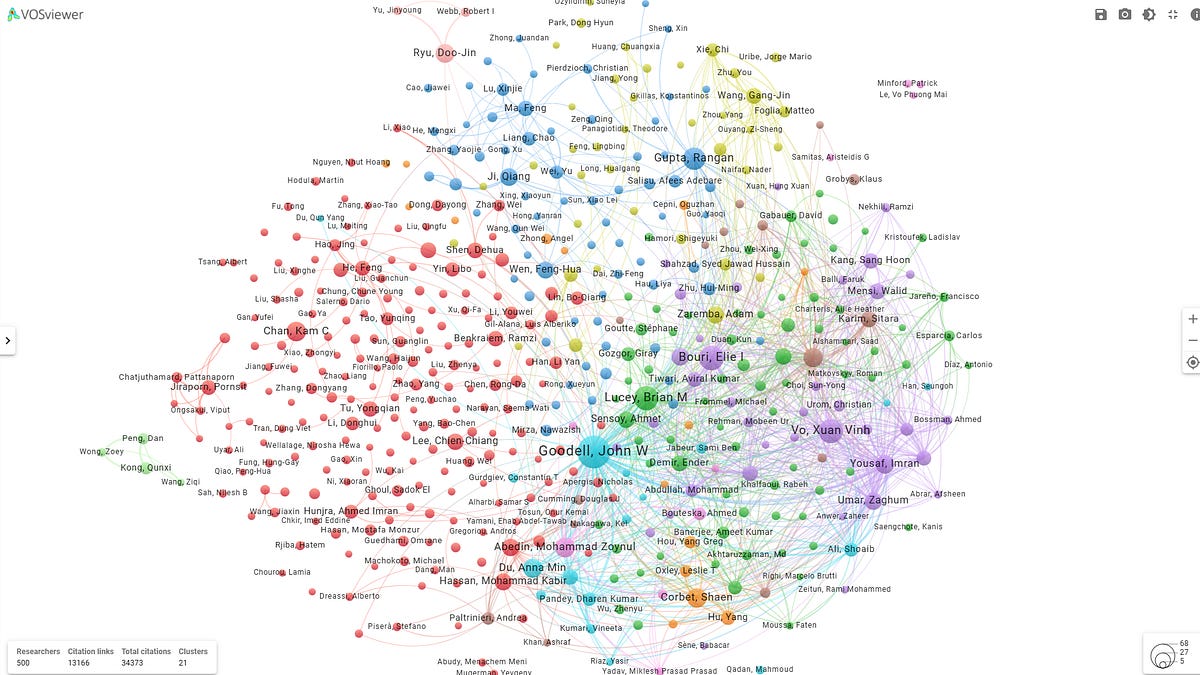
Elsevier has fired a third journal editor in its ongoing crackdown against a suspected citation cartel manipulating academic metrics. The publisher condemned the coordinated scheme as a blatant, industrial-scale quid pro quo rather than a series of coincidences.
Comments2026-04-26
The release of a free textbook on engineering thermodynamics has sparked discussions regarding the high costs of traditional textbook publishers and the financial realities of self-publishing. Readers praised the author for democratizing hard science education and sharing print-on-demand profit margins, while also highlighting the ongoing necessity for low-cost physical books in developing regions.
Comments2026-04-25

As artificial intelligence becomes increasingly capable of generating written content, the traditional focus on mere word production is no longer sufficient for modern education. Authentic learning must now evolve to prioritize deeper critical thinking and uniquely human skills that technology cannot easily replicate.
Comments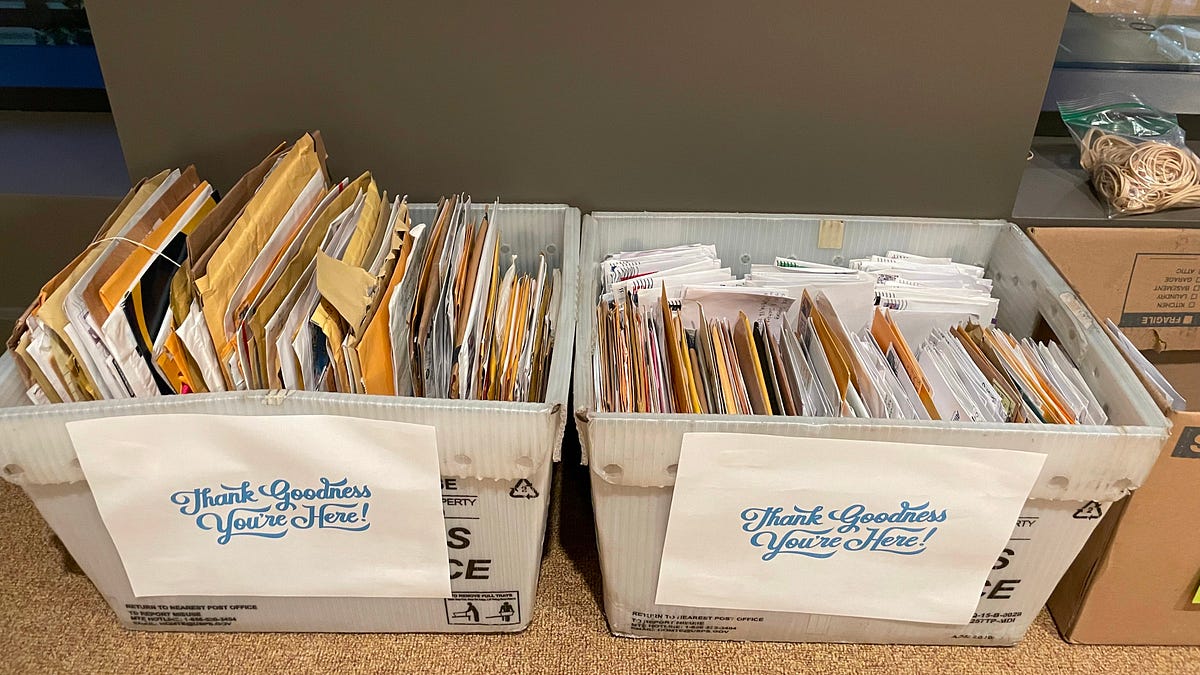
The mail sent to a video game publisher
2026-04-25Inspired by a 1980s Activision idea, video game publisher Panic recently sent out physical mail to its community and received a wildly diverse range of responses. This nostalgic initiative has generated incredible and unexpected outcomes for the studio behind modern titles like Despelote and Arco. The campaign highlights the enduring appeal of retro community engagement in the modern gaming industry.
Comments2026-04-15
An article claiming Google's Gemma 4 runs natively on the iPhone with full offline inference has been heavily criticized by readers for lacking technical benchmarks. Critics argue the publication is entirely AI-generated and fails to mention significant hardware limitations like severe battery drain and thermal throttling. Ultimately, the backlash highlights growing frustrations with AI-written tech journalism that prioritizes catchy headlines over factual substance.
Comments