Hardware Tech News
SubmitEvery advance in software ultimately runs on physical machines, and the hardware behind them is changing quickly. This section gathers news about chips, processors, graphics cards, computers, phones, and the engineering that turns silicon into the devices people use every day.
Typical stories include new CPU and GPU architectures, semiconductor manufacturing and supply chain shifts, laptop and smartphone releases, teardowns and repairability reports, and hobbyist projects built on boards such as the Raspberry Pi. Benchmarks and deep dives into how components actually perform appear regularly.
Hardware decisions shape what software can do, what it costs to run, and who controls the supply of computing power. Engineers, buyers planning upgrades, investors watching the chip industry, and makers who enjoy building their own gear follow this coverage to see what is coming next.
2026-10-31
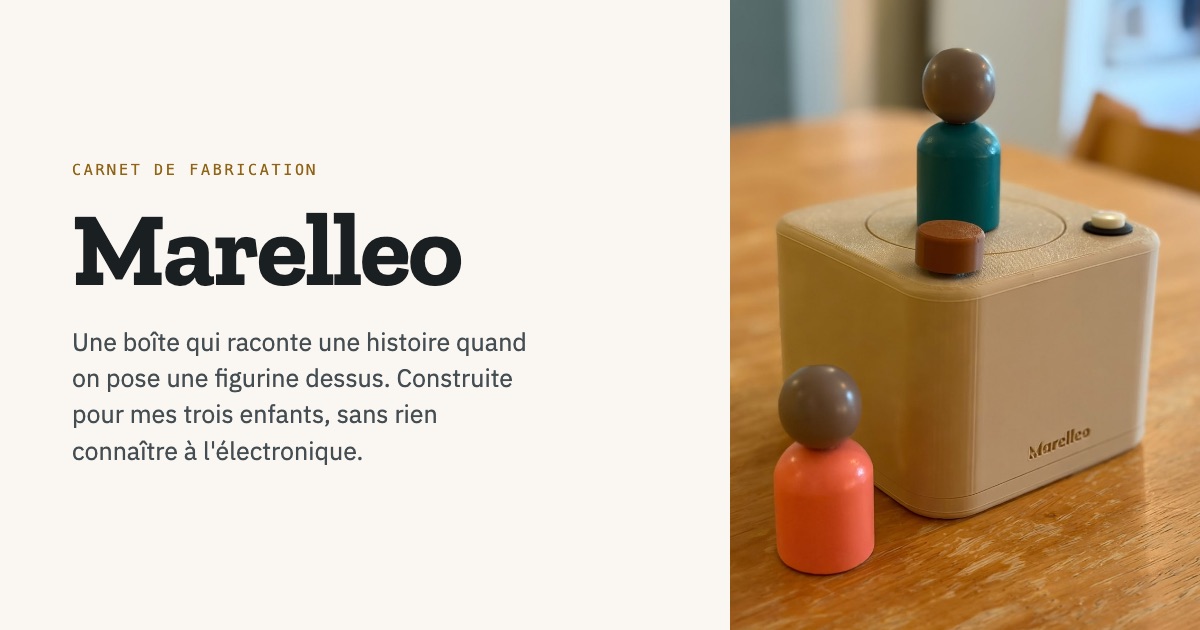
A developer has released Marelleo, an open-source ESP32 story box that plays a story when a child places a figurine on top. Built for their three kids by someone with no prior electronics experience, the project covers the breadboard, a burned potentiometer, five enclosure iterations, and a printed circuit board.
CommentsA new Show HN project presents a USB-C LTE modem that gives a computer phone-line capabilities, including LTE data, SMS, and voice calls with call audio routed over USB. The modem is built on a 4-layer KiCad board designed by Koppar from a one-page spec.
Comments
Casio Watches of the 1980s
2026-10-31A discussion of 1980s Casio watches highlights their reputation as affordable, durable Japanese technology that offered exceptional utility and became status symbols and generational assets in developing countries. Readers contrast them with brand-driven luxury watches and disposable modern electronics, praising models like the F91W and G-Shock as enduring examples of manufacturing quality.
CommentsA Show HN project has ported the 1987 NES game Contra from assembly to C and then to WebAssembly, drawing enthusiasm from readers who call it a favorite and praise the co-op focus. Discussion centers on whether the port could add music or higher-resolution/color graphics and sample-based sound, with commenters pointing to emulator texture packs like Mesen and tools like 3dSen while noting NES hardware limits around digitized audio.
CommentsA developer has released kube32, a Kubernetes-compatible control plane, Kubelet agent, and WebAssembly runtime designed to run on ESP32 microcontrollers. The project aims to bring container-like orchestration to highly constrained embedded hardware.
CommentsIt's the Memory Latency, Stupid
2026-10-31The piece explains that a database CPU at 100% may be stalled on memory access rather than doing useful work, making cache behavior and latency central to performance. It examines how radix partitioning can speed up GROUP BY by improving memory access patterns and reducing stalls.
CommentsA tech enthusiast documented swapping a Noctua fan in a Calnex Rb/GPS frequency reference running in their Atomic Clock Tower. After removing the Loctite-secured top cover with a Torx T10, they found a simple, serviceable interior built around a SpectraTime GRClok-1500 with integrated timing-grade GPS and stabilized 10 MHz output.
CommentsBrief History of PDP Computers
2026-10-31A retrospective on DEC’s PDP line examines how these minicomputers carved out a cheaper, more accessible niche than batch-oriented mainframes. Readers recall programming on PDP-10s and note that the “Programmable Data Processor” name may have helped DEC sidestep procurement rules that treated “computers” as high-scrutiny mainframes. The discussion also highlights preservation work, including browser-based PDP-7 emulators running early UNIX, PIXIE CAD software, games, and newly built Forth systems.
CommentsReaders are discussing inconsistent power-button shutdown times across PCs, noting that some systems power off quickly while Lenovo laptops can require a much longer press. The thread suggests Microsoft and hardware manufacturers may not have aligned on the feature, with one user planning to time the hold on their own device.
Comments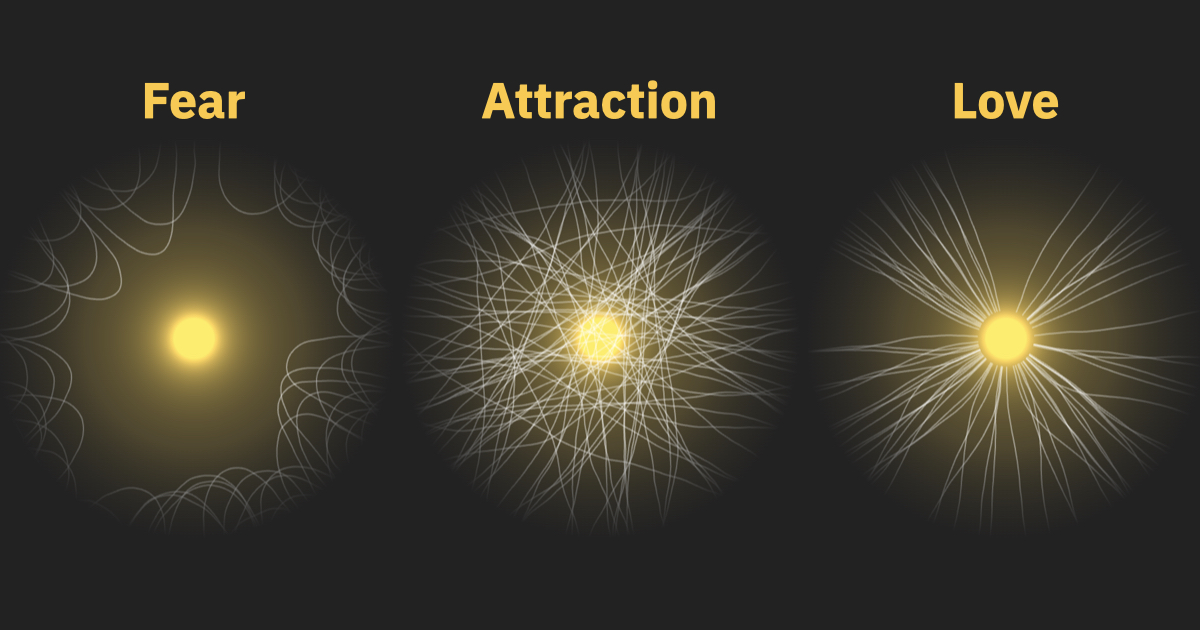
Simple circuits can exhibit surprisingly complex behaviors, according to a new report. The finding suggests rich dynamics may emerge from minimal electronic designs, with potential implications for robotics and computing.
CommentsConfigure a UPS on Linux with NUT
2026-10-31This guide explains how to install and configure Network UPS Tools (NUT) on Linux to detect a UPS and load the correct driver. It also covers setting up automatic safe shutdown when the battery runs low.
CommentsOqtaDrive marks five years since its first alpha release, having grown from a shelved hobby project into an Arduino Nano-based emulator of eight Sinclair Microdrives for the ZX Spectrum with Interface 1 and the QL. The project has shipped 34 releases over that period, and its creator is now looking back at its evolution.
CommentsA news piece examines longitudinal changes in wearable-captured physiology before sudden cardiac death. Reader discussion questions the findings because they appear to be based on a single case (N = 1), limiting how broadly the results can be generalized.
Comments2026-10-30
A Show HN project called nesformer has compiled an NES CPU directly into roughly 1GB of weights inside a stock Qwen3.5 model, effectively running Nintendo hardware through the model itself. The work is available at dbreunig/nesformer.
CommentsMy favourite PowerMac is a Nintendo Wii
2026-10-30Amid Nintendo shutting down Mario Kart Tour on mobile, readers are revisiting the modded Wii, where updated hacks have restored software, stability, and online play through projects like WiiLink. Discussion around “My favourite PowerMac is a Nintendo Wii” also hopes a Mac OS port arrives on the Open Shop Channel and praises the Wii’s disc-based, microtransaction-free approach and broad mainstream appeal.
CommentsA project called tinyworldformer shows a tiny world model running on a Raspberry Pi Pico 2 W, where it generates simple games and plays them on the microcontroller. The demo highlights how compact generative world models can support interactive game-like environments on very low-power hardware.
Comments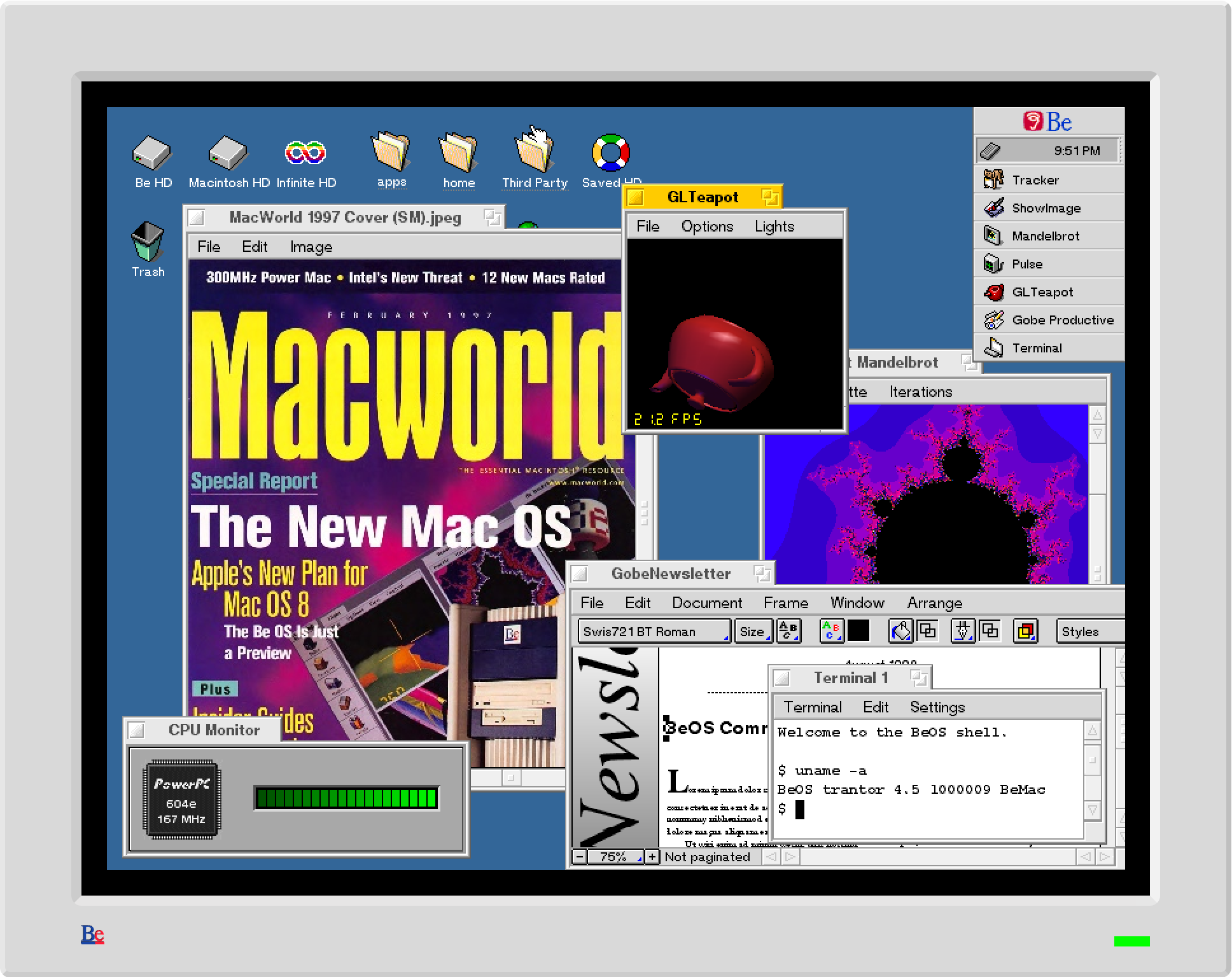
Infinite Mac: BeOS
2026-10-30The Infinite Mac: BeOS piece revisits BeOS’s distinctive UI and legacy, with readers recommending Haiku as its modern FOSS successor and noting how AI could help revive apps for bygone OSes. Discussion also debates whether Apple should have bought Be instead of NeXT, with former Be employees cited saying NeXT was technically stronger and that getting Jobs back mattered more than BeOS itself.
Comments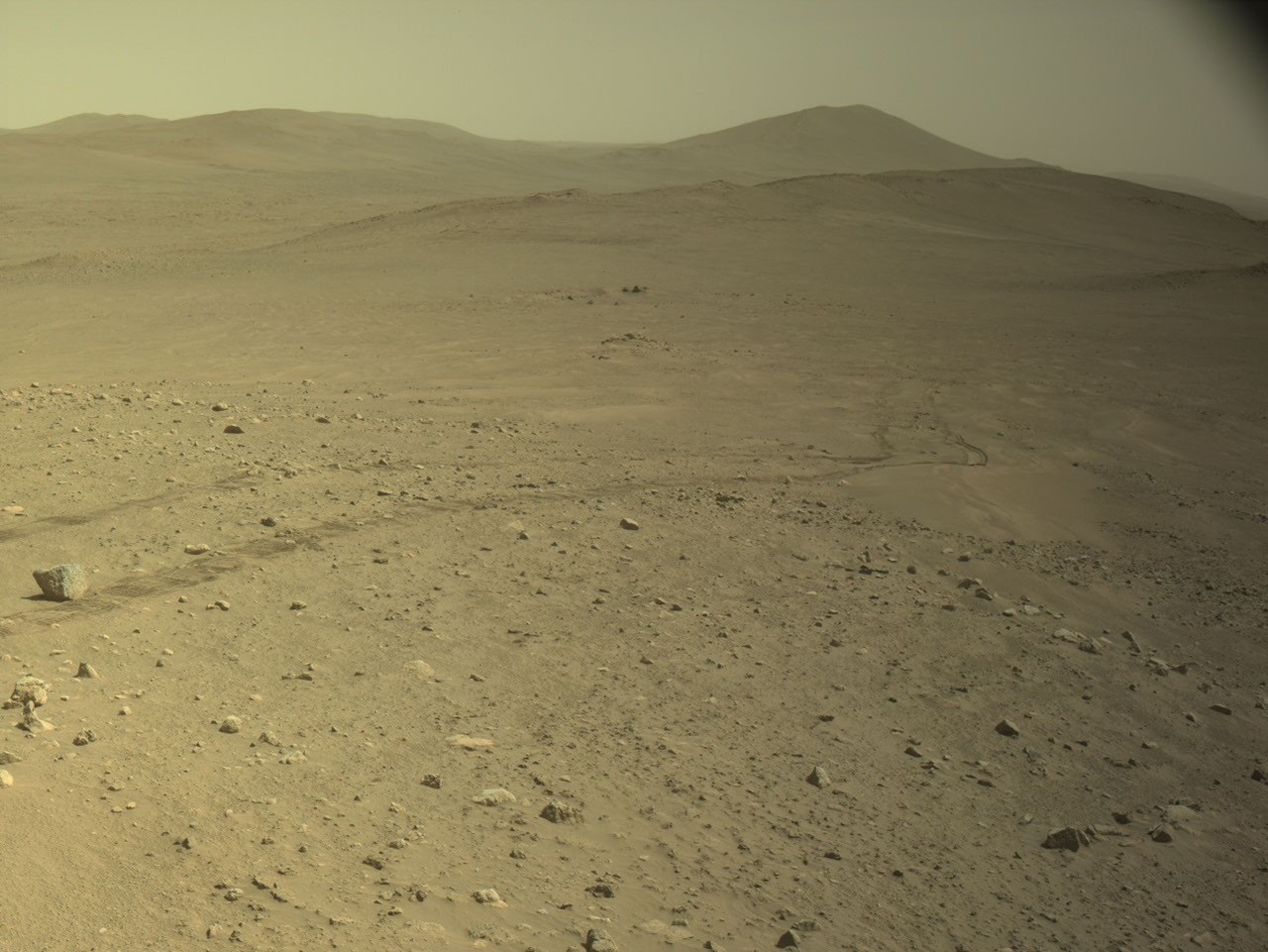
Vandi Verma describes how NASA’s Perseverance rover completed a record-setting drive on Mars, covering the longest single-sol distance yet achieved by a rover on another world. The piece explains the autonomous navigation and team planning behind the drive and the tracks it left across the terrain.
Comments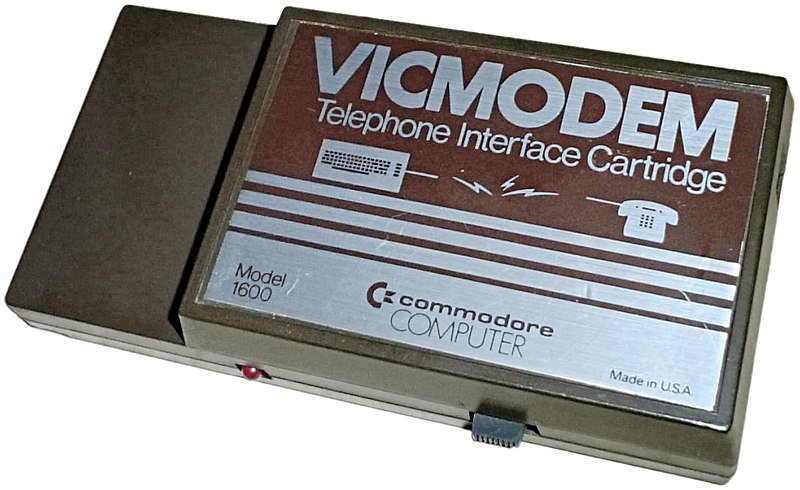
Commodore 1600 VICmodem
2026-10-30The Commodore 1600 VICmodem, introduced in 1982, was the first truly affordable modem for the home market. It helped bring dial-up connectivity to everyday users and invites readers to recall whether it was their first modem.
CommentsSylphide OS is a general-purpose operating system designed for microcontroller-based computers. It aims to bring broader OS functionality to resource-constrained MCU hardware. The project targets systems that typically rely on bare-metal firmware or real-time operating systems.
Comments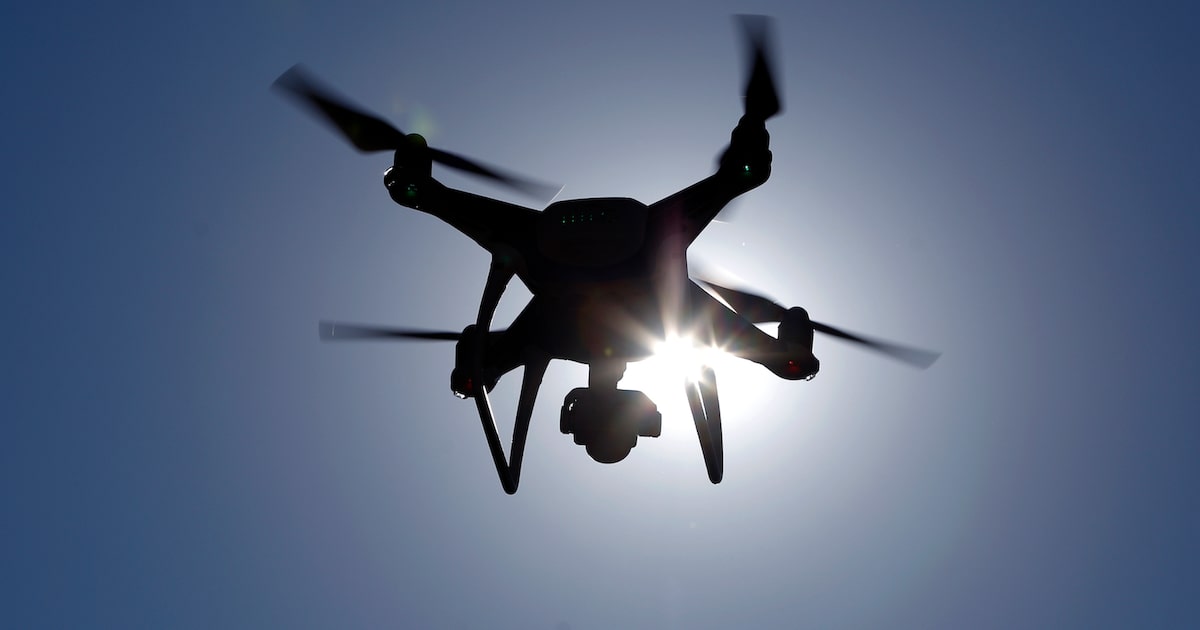
Embraer’s Atech aims to double in size by 2030, betting on drone traffic control and other civil-market technologies. The company is developing solutions to support safe coexistence in airspace, CEO Rodrigo Persico told Bloomberg Línea.
Comments
A new internet-connected device called knock on wood lets users remotely perform the superstition when no wood is nearby. Tree-mounted machines connect to a web app so users can knock on wood from afar.
CommentsA reader discussion around an illustrated online book on Hewlett-Packard equipment turned nostalgic, recalling HP’s legacy of robust scientific and engineering devices. Commenters highlighted the HP85a computer—with magnetic tape, thermal printer, 32K RAM, excellent manuals and keyboard—and an early HP RPN calculator used to port a FORTRAN program from a mainframe. They also traded anecdotes about HP calculators’ programmability and legendary durability, including the apocryphal tale of an HP-12c surviving a hippo’s digestive tract.
CommentsPython on My Wrist
2026-10-30A developer has revived the PineTime smartwatch by getting an up-to-date version of MicroPython and the wasp-os firmware running on it. The project shows how Python can be used on a low-cost wearable wrist device.
Comments2026-10-29

Mexico is becoming a showroom for electric vehicles that aren’t available in the U.S., including sleek new models from Chinese brands unfamiliar to American buyers. A growing fleet of these cars highlights how Mexico’s EV market is giving consumers access to options absent from the U.S.
Comments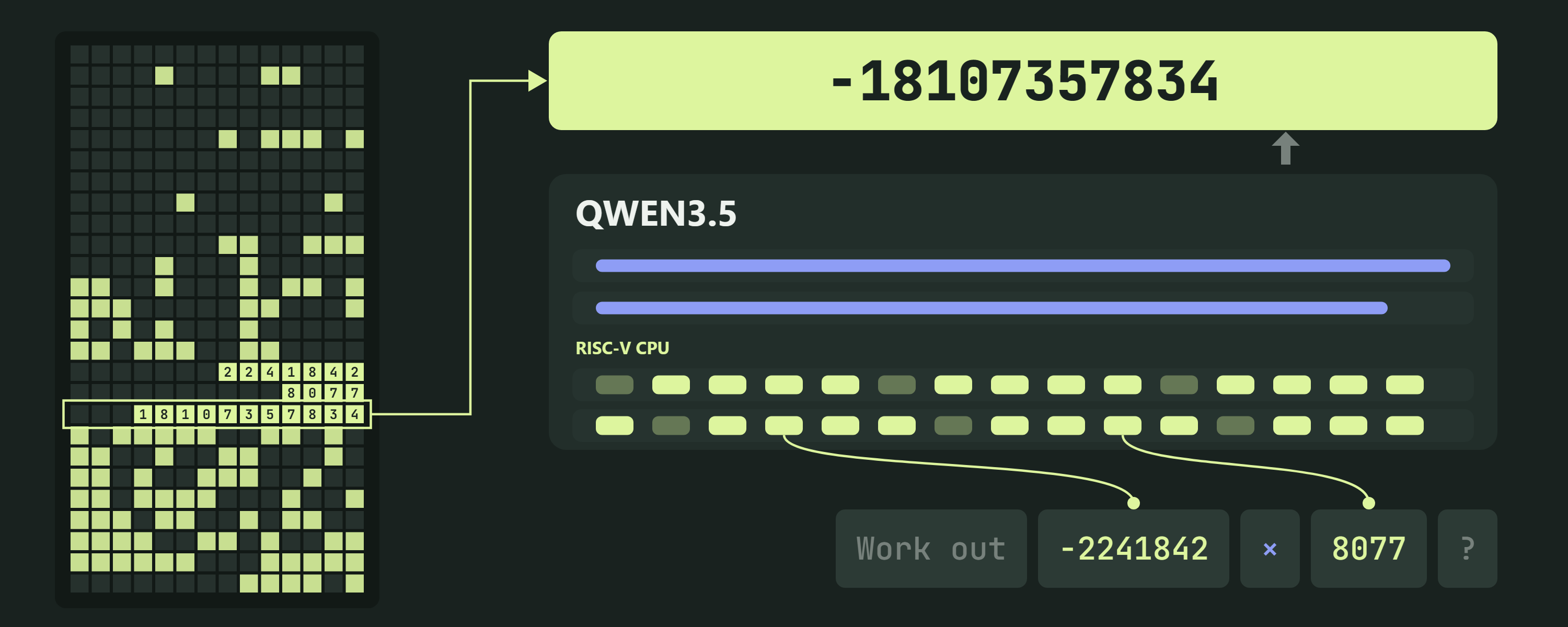
Researchers have embedded a functioning, deterministic RISC-V CPU inside Qwen3.5 by compiling it into the Qwen 3.5 4B model’s weights and using its Gated DeltaNet layers as RAM. The CPU runs C and MicroPython inside the model’s forward passes, and Qwen uses it to perform exact arithmetic.
Comments
An alleged Chinese spy reportedly developed a close relationship with Nvidia CEO Jensen Huang, raising alarms among U.S. intelligence officials who were secretly monitoring her communications. The report adds scrutiny around the high-profile tech executive’s contacts amid growing U.S. concerns over Chinese espionage.
Comments
SkyPilot’s new scheduler delivers 27% more usable GPUs from Grace Blackwell NVL72 racks by keeping multi-node training and inference on NVLink with topology-aware placement. It also adds in-place recovery from GPU failures and automatic defragmentation, since only rack-local jobs benefit from the single 72-GPU fabric.
Comments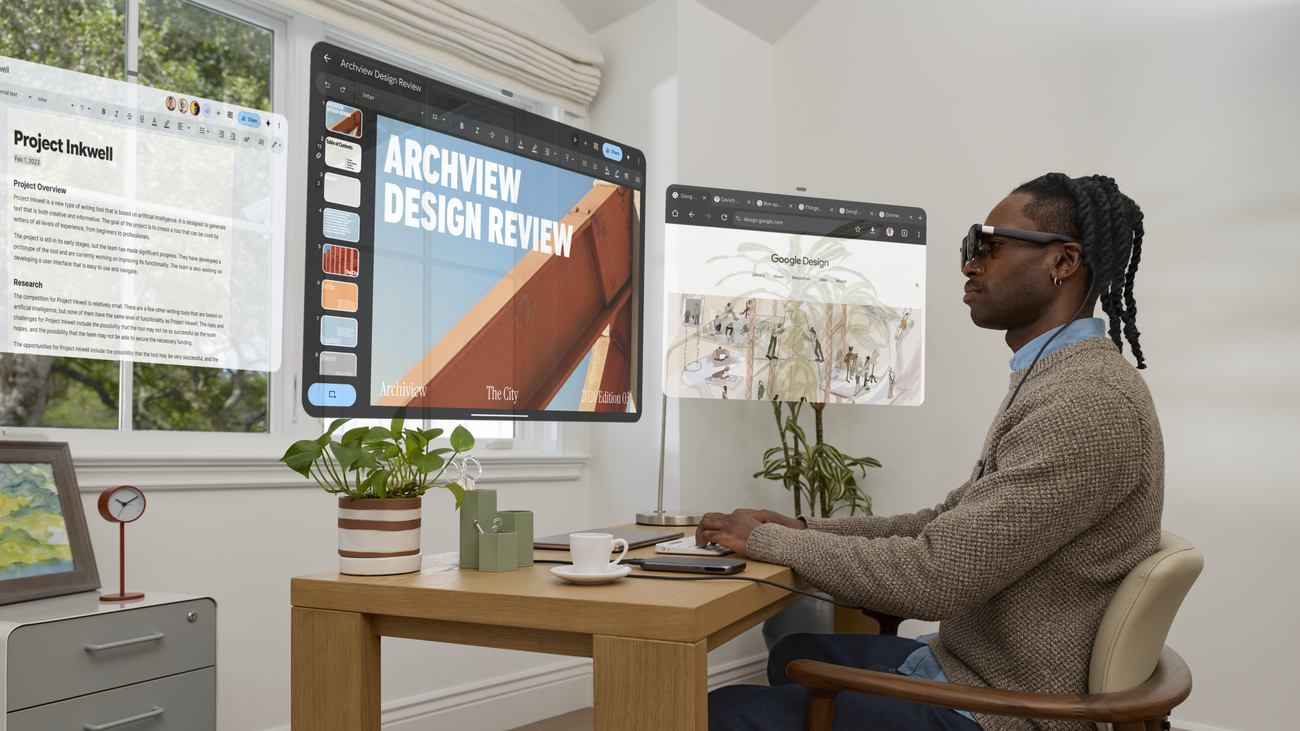
XREAL AURA has launched as the first wired XR glasses powered by Android XR, offering a 70-degree field of view and Gemini integration. The glasses are now available to order.
CommentsA new Show HN project called dontallow automatically dismisses macOS’s “Allow <app> to find devices on local networks?” prompt by pressing Don’t Allow for you. It claims zero idle CPU usage and survives reboots, offering a set-and-forget way to suppress the recurring network-permission dialog.
Comments