Consumer Tech News Today
From smartphones and laptops to wearables, smart home gear, and streaming services, this section covers the technology consumers actually buy and use. Stories include product announcements, reviews-worthy releases, pricing shifts, and trends in how everyday devices and apps are evolving.
Launch seasons bring waves of phone, tablet, and earbud announcements, while the months between fill with software updates, subscription price changes, recalls, and shifts in what features come to which devices. Smart home standards, gaming hardware, and app store policy changes appear here regularly.
Consumer technology is where the industry meets ordinary life, and purchase decisions often hinge on catching the right news at the right time. Shoppers timing an upgrade, gadget enthusiasts, and gift buyers follow this coverage to know what is worth their money and what can wait.

A recent survey of 2,000 consumers and decision-makers reveals that 60% of US buyers find explicit mentions of AI in brand messaging to be a turnoff. Additionally, 74% of respondents feel the internet has become significantly less human than it was a decade ago. These findings indicate that brands must prioritize authentic, human-centric content to maintain consumer trust in an increasingly automated digital landscape.
Comments
Want your images back? That'll be $5
2026-06-17A new $5 fee is being charged to users who want to recover their stored digital images. This highlights how even trillion-dollar tech companies are continuously looking for new ways to extract small amounts of revenue from their consumer base.
Comments

A hardware hacker has successfully repurposed a standard WiFi smart light bulb into a clandestine storage device for a digital library of banned books. By exploiting the internal components of the everyday IoT device, the project demonstrates how consumer electronics can be modified to hide and distribute restricted data. This creative modification highlights both the hidden capabilities of smart home gadgets and the ongoing ingenuity of the DIY tech community.
CommentsRecent discussions on a hypothetical fully automated economy explore whether advanced machines could eventually replace all human labor and render traditional consumerism obsolete. While some readers argue this technological shift could fulfill early predictions of drastically reduced work weeks, others counter that insatiable human desires and the high cost of modern living will ensure people remain tied to traditional jobs.
Comments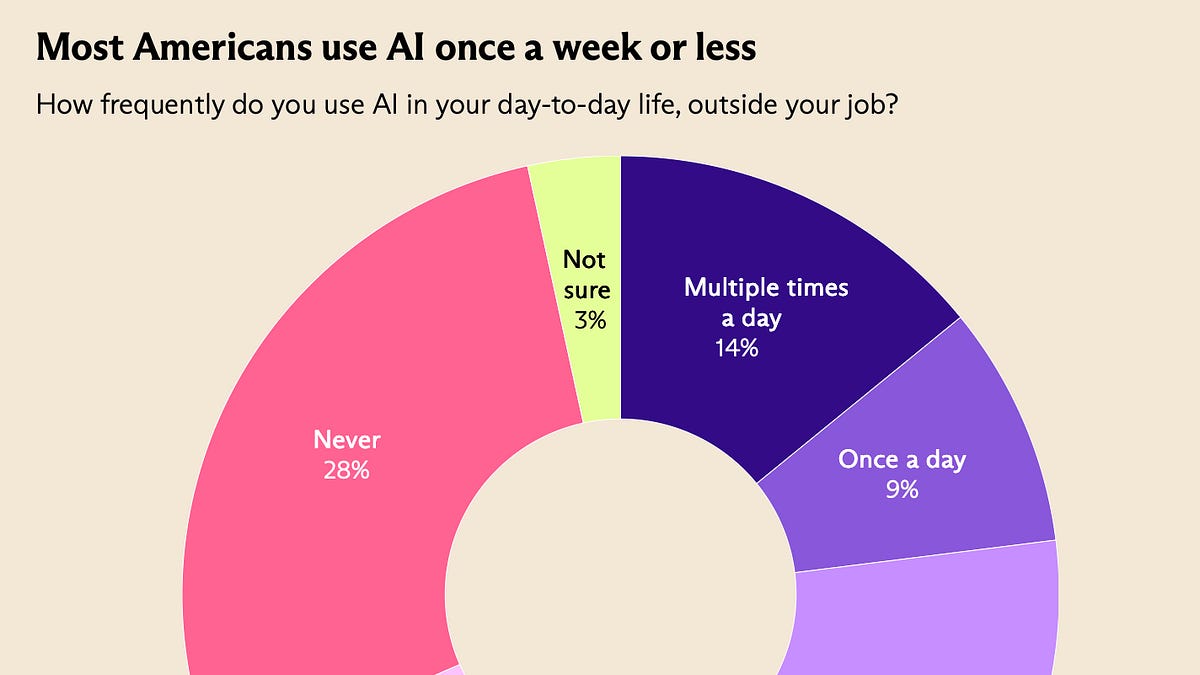
Not everyone is using AI for everything
2026-06-14Despite the overwhelming hype surrounding artificial intelligence, consumer adoption is far from universal. Much like dietary preferences, individuals are approaching the technology with varying levels of engagement, choosing to fully embrace, carefully limit, or completely avoid it.
CommentsThe release of the open-source MiMo Code has been praised by readers as a positive step toward commoditizing AI coding assistants and reducing consumer switching costs. The announcement also sparked a broader industry debate comparing open-source strategies to the proprietary models of competitors like Claude Code, highlighting the ongoing tension between fostering ecosystem competition and maintaining closed tools for direct profitability.
Comments
Surprise, pay $1000
2026-06-10A controversy has emerged over a deceptive software trial that unexpectedly hits users with a massive $1,000 charge once their free period ends. This incident is sparking a broader industry debate about the ethics of subscription billing and the need for stricter consumer protections against dark patterns.
CommentsApple decided against rolling out Siri in the European Union after regulators denied its request for an 18-month exemption to comply with local laws. While some observers view this withdrawal as a strategic play to generate consumer sympathy by blaming the EU, others praise the strict regulatory enforcement and Apple's choice to withhold the service rather than compromise on compliance.
Comments
The iPhone's Last Stand?
2026-06-09Although Apple's Siri lacks state-of-the-art capabilities, its reliable performance remains perfectly adequate for everyday consumers. This practical functionality suggests that the iPhone continues to hold a strong market position because basic usability often matters more to average users than cutting-edge features.
Comments
Open Repair Data Standard
2026-06-02The Open Repair Data Standard (ORDS) introduces a unified framework for collecting and sharing repair data to improve product reliability tracking across the electronics industry. By standardizing how repair metrics are recorded, the initiative aims to empower consumers with transparent insights into device longevity and support the broader right-to-repair movement.
CommentsRecent advancements in highly optimized, low-bit local AI models are paving the way for consumers to run powerful generation tasks on personal devices without relying on expensive cloud subscriptions. Enthusiasts note that specialized local inference engines are already achieving ultra-fast processing speeds that could soon outpace standard network latencies. Although current proof-of-concept models still struggle with accuracy, this rapid progress highlights a promising shift toward affordable, self-hosted AI hardware.
Comments
In 2026, Microsoft will remotely degrade perpetually-licensed versions of Office 2019 and 2021 for Mac into a view-only mode. This scheduled update will strip editing capabilities from older one-time purchase versions of the software. As a result, affected macOS users will need to upgrade to newer releases or transition to a Microsoft 365 subscription to continue editing documents.
CommentsApple's MacBook Neo has disrupted the budget laptop market by delivering exceptional value at a remarkably low price point. Consequently, this highly competitive offering makes it difficult to justify purchasing the competing Framework 12 for cost-conscious consumers.
Comments
Following Google's announcement that users embrace its new AI search mode, privacy-focused rival DuckDuckGo experienced a 28% increase in website visits. This traffic surge suggests that many internet users are actively seeking alternative platforms to avoid AI-heavy search results. Ultimately, the trend highlights a strong consumer demand for choice and control over their digital experience.
CommentsReaders argue that private equity firms dominate the market to generate the high yields needed to keep underfunded pension plans solvent, often doing so by gutting the quality of essential services and goods. This wealth extraction transfers value from workers and consumers to asset holders, although some readers note the industry's primary motivation is simply generating high fee revenue. Ultimately, the discussion suggests that merely restructuring public pensions will not eliminate private equity, as firms are increasingly targeting individual retirement accounts and leaving bankrupt companies' pension obligations as taxpayer burdens.
CommentsAmazon's decision to completely cut off support for older Kindle e-readers has frustrated loyal customers who view the devices as long-lasting appliances rather than disposable technology. While software maintainers see dropping legacy systems as a necessary relief, users argue that Amazon is disregarding their needs by failing to offer a suitable replacement device with physical buttons. This backlash highlights the ongoing tension in the tech industry between corporate desires to streamline software lifecycles and consumer expectations for durable, accessible hardware.
Comments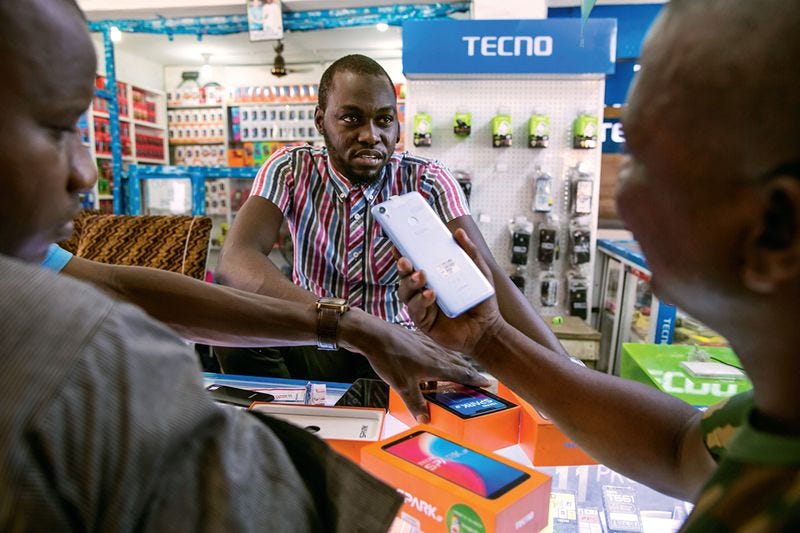
The tech industry is currently facing a severe global memory shortage that is disrupting the consumer electronics market. Manufacturers are responding to this crunch by increasing prices across various product lines to cover surging component costs. Ultimately, this widespread repricing is expected to make everyday tech devices significantly more expensive for consumers in the near future.
Comments
The traditional brick-and-mortar toy store is rapidly disappearing as consumers increasingly favor the convenience of e-commerce platforms. This ongoing shift to online shopping highlights the broader technological disruption currently reshaping the physical retail landscape.
CommentsBBEdit 16
2026-05-21The release of BBEdit 16 has sparked a debate among readers regarding the software industry's shift from one-time purchases to recurring subscription models. While some argue that subscriptions are necessary to fund continuous maintenance and security updates, others praise the app's lifetime pricing and criticize forced auto-updates. Ultimately, the discussion highlights a deep divide over consumer preferences and developer incentives in modern software distribution.
Comments
Five leading European mobile payment providers are joining forces to challenge the dominance of American networks like Visa and Mastercard by creating a fully independent, Europe-wide digital infrastructure. This historic alliance aims to redirect millions of daily transactions to establish a sovereign payment ecosystem for approximately 130 million European consumers.
Comments
As Apple and Google impose increasingly strict limitations on their mobile ecosystems, users are turning to alternative smartphones to escape traditional walled gardens. This guide highlights the best non-Apple and non-Google phones currently available for consumers looking to make the switch.
Comments
California lawmakers are advancing a bill that would prevent game publishers from completely shutting down online multiplayer titles. Under the proposed legislation, companies must either release a patch allowing independent play or issue refunds to consumers when official game servers are deactivated.
Comments
A vehicle owner physically removed the modem and GPS from their 2024 RAV4 Hybrid to prevent the car from transmitting continuous personal telemetry. This DIY privacy modification highlights growing consumer pushback against modern vehicles functioning as rolling data trackers.
Comments
Maryland citizens are facing a $2 billion power grid upgrade bill driven by the massive energy demands of out-of-state AI data centers. This situation has sparked controversy, raising questions about why local consumers are bearing the cost instead of the AI hyperscalers that require the expanded infrastructure.
CommentsA discussion regarding the frustrations of distributing Mac software has sparked debate over Apple's strict security features like Gatekeeper and System Integrity Protection. While some readers defend these restrictive defaults as necessary safeguards for average consumers, critics argue that the all-or-nothing approach creates false dichotomies that strip power users of fine-grained control. The thread highlights the ongoing tension between Apple's walled-garden security model and user autonomy, with some suggesting that frustrated developers should simply switch to Linux for better flexibility.
Comments
Brazil's central bank-backed instant payment platform, Pix, is rapidly capturing market share and disrupting the traditional financial landscape. This massive consumer shift is placing significant competitive pressure on global credit card giants Visa and Mastercard. As a result, these legacy networks must adapt their strategies and innovate to defend their dominance in the Brazilian market.
Comments
The Self-Cancelling Subscription
2026-05-07A recent tech anecdote reveals how a simple family TV night devolved into an unexpected systems debugging session due to a glitchy streaming service. The user encountered a bizarre issue with a self-cancelling subscription that required extensive troubleshooting to resolve. This highlights growing consumer frustration with the increasingly complex and buggy nature of modern digital billing and account management.
Comments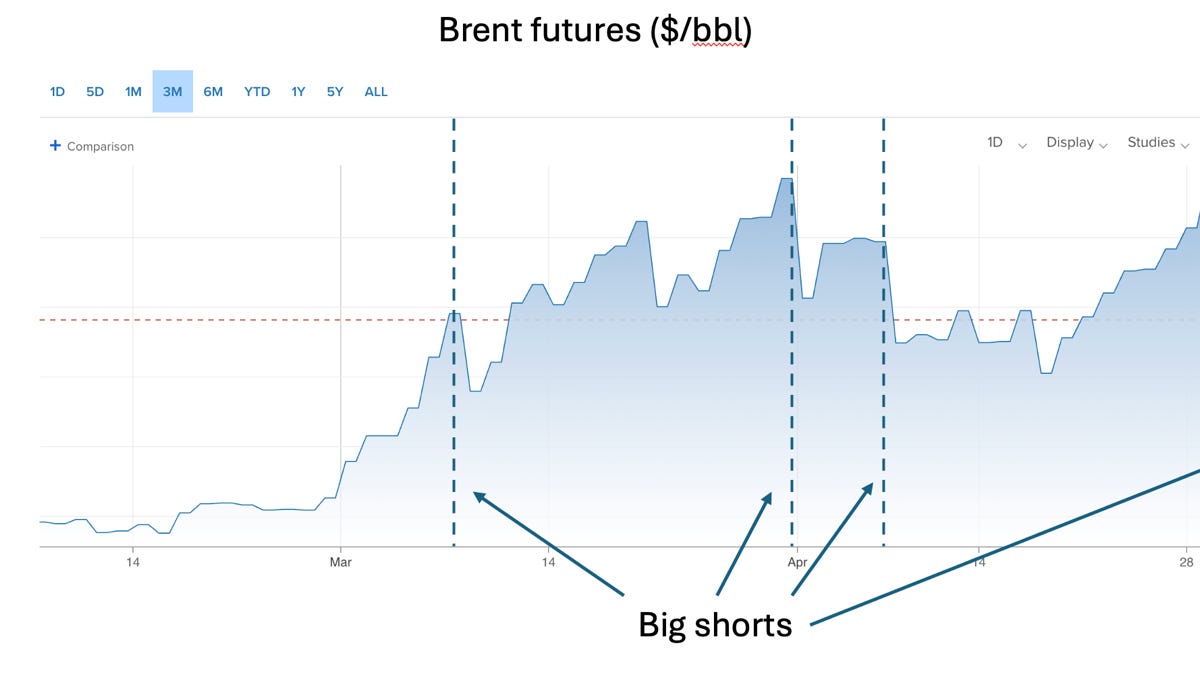
A recent report highlights how insider traders are continuously exploiting the oil futures market to generate massive profits at the direct expense of everyday consumers. These ongoing manipulative practices undermine market integrity and inflict severe financial harm, prompting urgent calls for stricter regulatory oversight to protect retail investors.
Comments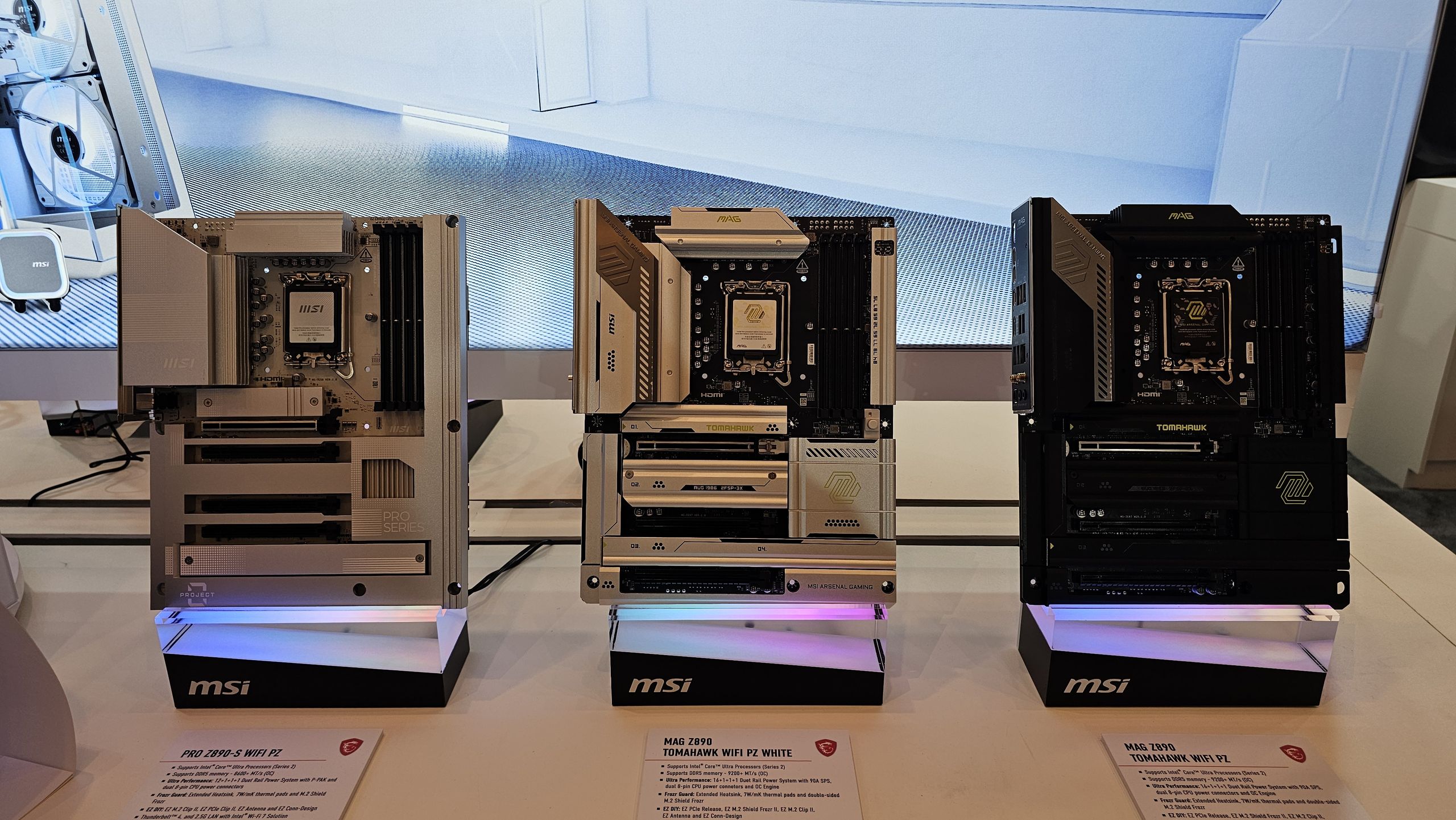
Surging demand for artificial intelligence infrastructure has triggered unprecedented component shortages, leading to a severe collapse in consumer motherboard sales. Consequently, fewer people are buying individual PC parts or building new custom computers from scratch.
CommentsMicron has begun shipping its massive 245TB 6600 ION data center SSD, underscoring the semiconductor industry's intense focus on enterprise AI infrastructure. This enterprise push coincides with rising consumer SSD prices, as manufacturers navigate constrained supply chains and prioritize profit margins by slow-walking production increases. While some fear an eventual overcapacity bust reminiscent of the dot-com era, others argue that the underlying demand for AI-driven silicon is a sustainable, long-term trend.
Comments