Clio Legal Tech News
SubmitLegal technology is changing how law firms manage cases, bill clients, and use AI in their work. This section tracks news about practice management platforms, legal AI tools, funding and acquisitions in the sector, and how software vendors are competing to serve lawyers.
Stories often cover new AI features for drafting and document review, practice management platform updates, big funding rounds for legal software startups, and surveys on how firms are actually adopting these tools. Bar association guidance and questions about AI accuracy in legal work come up regularly.
Lawyers, firm administrators, and legal operations teams follow this coverage to decide which tools deserve a place in their workflows. Investors watch it too, since legal services represent a massive market that software has only recently begun to reshape in earnest.
2026-08-23
Figmimic is a new bookmarklet that captures any webpage, including authenticated internal dashboards, and converts it into editable Figma layers to save designers time. While users praise the tool for easily replicating complex interfaces using existing browser session tokens, some warn that applying it to proprietary corporate systems could violate terms of service and invite legal action.
Comments2026-08-22
A US citizen is facing felony charges for deleting phone data at the border, sparking debate over digital privacy and the legality of device searches. While some observers view the individual's actions as a deliberate act of activism to challenge these policies, others see it as an unplanned legal escalation. Many hope the case will result in an acquittal to establish a strong legal precedent protecting citizens' personal data.
Comments
2026-08-21

Artificial Intelligence Policy
2026-08-21Starting in Summer 2026, a new artificial intelligence policy will mandate that future lawyers use AI fluently in their legal practice. Despite this push for technological adoption, the policy requires that AI usage remain coupled with human cognitive oversight to mitigate the current limitations of the technology.
CommentsUnder current European Union law, content generated entirely by artificial intelligence is not eligible for copyright protection because the legal framework requires a strictly human creative contribution. As a result, businesses cannot exclusively protect purely AI-generated assets like logos or text. However, individuals who attach their names to such AI-generated content may still assume legal liability for it.
Comments
This article highlights a glaring double standard in technology enforcement, contrasting the severe legal prosecution of activist Aaron Swartz for web scraping with Meta's ability to scrape data without facing consequences. It underscores the ongoing disparity in how the legal system treats individual activists compared to massive tech corporations engaging in the exact same practices.
Comments2026-08-19

A 25-year-old video patent has officially expired, resolving a long-standing legal headache for the Linux operating system. This milestone marks the end of a rather small and niche era in software licensing. Developers can now utilize the technology without the looming threat of patent infringement.
Comments2026-08-18
A judge has established a framework for Nine PBS to retrieve its archival data, prompting readers to compare the dispute to the recent Synapse bankruptcy where a middleman's failure left end-users without regulatory protection. The discussion underscores the critical need for clearer regulations to prevent tech and fintech companies from bypassing established legal frameworks under the guise of business innovation.
Comments2026-08-14
Nine PBS has filed a lawsuit against data storage provider Iron Mountain after being blocked from accessing its archival data. Industry observers suggest the dispute stems from Iron Mountain's strict compliance and security protocols, which generally require a court order to release customer assets and avoid legal liability.
Comments2026-08-11
A Dutch consumer rights foundation is launching a class-action lawsuit against Sony for allegedly overcharging players with an unjustified tax on digital PlayStation games. The collective legal action, aligned with the Stop Killing Games campaign, aims to eliminate these inflated digital prices. PlayStation owners are encouraged to join the lawsuit to demand fairer pricing for their digital game purchases.
Comments2026-08-10

The tragedy of the commons, AI edition
2026-08-10British employment tribunals are facing severe backlogs due to a sudden surge in legal claims generated by artificial intelligence. Workers are increasingly using AI tools to easily draft cases against their employers, overwhelming the legal system's capacity to process the massive influx.
Comments2026-08-09
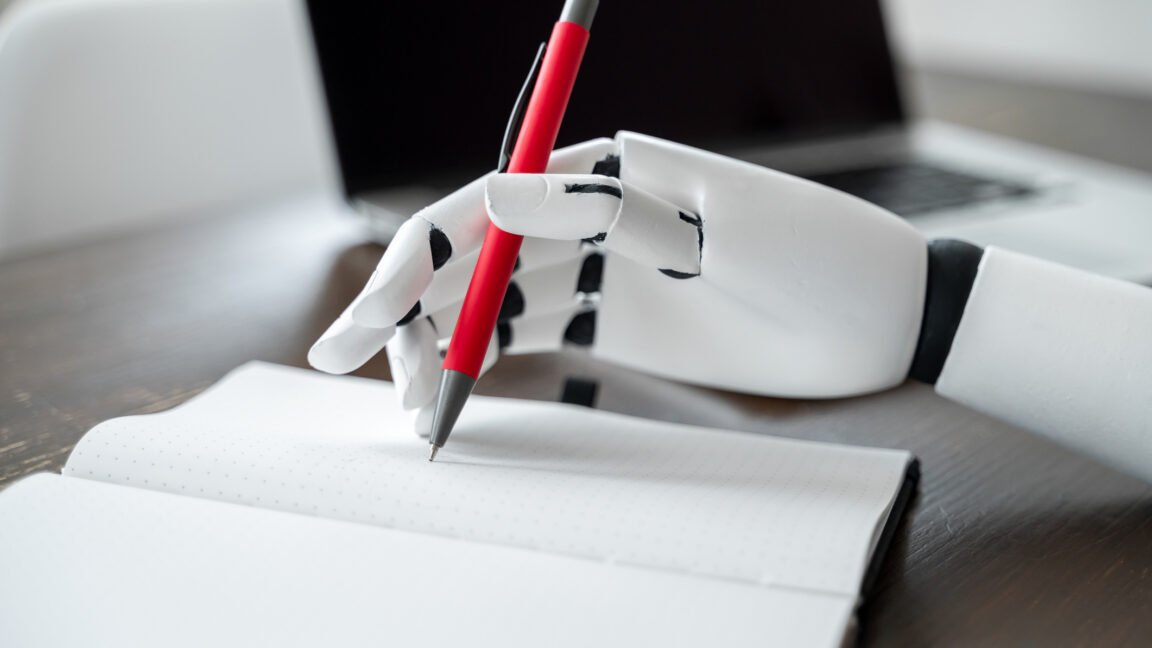
ChatGPT has been updated to block direct prompts asking the AI to mimic a specific author's writing style. Although the model will no longer copy exact styles, it can still capture a writer's broader literary qualities. This change aims to mitigate potential legal and copyright implications surrounding AI-generated text.
Comments2026-08-07
A New Mexico judge has ordered Meta to pay $942 million after ruling that its social media platforms created a public nuisance that harmed children and burdened public resources. The decision relies on the state's public-nuisance law and requires a significant portion of the funds to be used to abate the resulting damages. However, critics argue the ruling relies on an overly broad legal interpretation and predict the decision will be vacated upon appeal.
Comments2026-08-06
Hobbyist programmers are rejecting LLM usage because they value the intrinsic joy of coding, similar to how athletes reject automated performance aids. This pushback is further fueled by recent controversies where developers allegedly used LLMs to obfuscate and rewrite code derived from open-source projects to bypass licensing restrictions. Consequently, the community is actively debating the legal and ethical implications of using AI to generate derivative works under the guise of clean room design.
Comments2026-08-01

Big Food vs. the People
2026-08-01A new report exposes how major food corporations have filed 239 lawsuits to block public health policies designed to protect consumers. These legal challenges target life-saving nutritional regulations aimed at reducing diet-related diseases. The findings highlight the aggressive and ongoing battle between industry giants and public health advocates.
Comments2026-07-28

A judge has dismissed Google's attempt to use a DMCA 1201 lawsuit to stop companies from scraping its search results. The legal action was criticized as hypocritical because Google's entire business model is built on web scraping. This rejection deals a significant blow to the company's effort to use copyright law to restrict third-party data collection.
Comments2026-07-26
Rethinking Legal Education in the AI Era
2026-07-26In response to the rapid rise of artificial intelligence, the University of Chicago Law School is overhauling its curriculum to foster AI-resilient critical thinking and prioritize essential human lawyering skills. The updated policies ban electronic devices in first-year core courses and mandate oral defenses for major writing assignments to prevent students from relying on AI shortcuts. Additionally, the school is integrating comprehensive training on the ethical and effective use of AI tools across legal research, electives, and clinical programs.
Comments2026-07-22

A court has ruled that Apple is not liable for its handling of private iCloud files after the company declined to use industry-standard tools to scan for child sexual abuse material. Instead of adopting the widely used PhotoDNA system, Apple developed its own less effective proprietary technology before ultimately abandoning the scanning initiative. The ruling clears the tech giant of legal responsibility regarding its previous approach to user-uploaded content.
Comments2026-07-21

The Court of Justice of the European Union has ruled in a landmark case that virtual private networks are lawful technical tools. The decision explicitly states that neither publishers nor VPN providers can be held liable for copyright infringement. This ruling provides significant legal protection and clarity for privacy technology services operating within the region.
CommentsApple avoided legal liability in a case regarding its handling of child sexual abuse material in private iCloud storage. The company initially replaced industry-standard scanning tools with a less effective proprietary alternative before ultimately reversing its controversial scanning policies.
Comments2026-07-17
Apple is sending legal letters to dozens of OpenAI employees following the alleged mishandling of proprietary information during the development of a new hardware platform. Commentators suggest this dispute underscores broader concerns about OpenAI's corporate ethics and its deteriorating relationships with major industry partners.
Comments2026-07-16
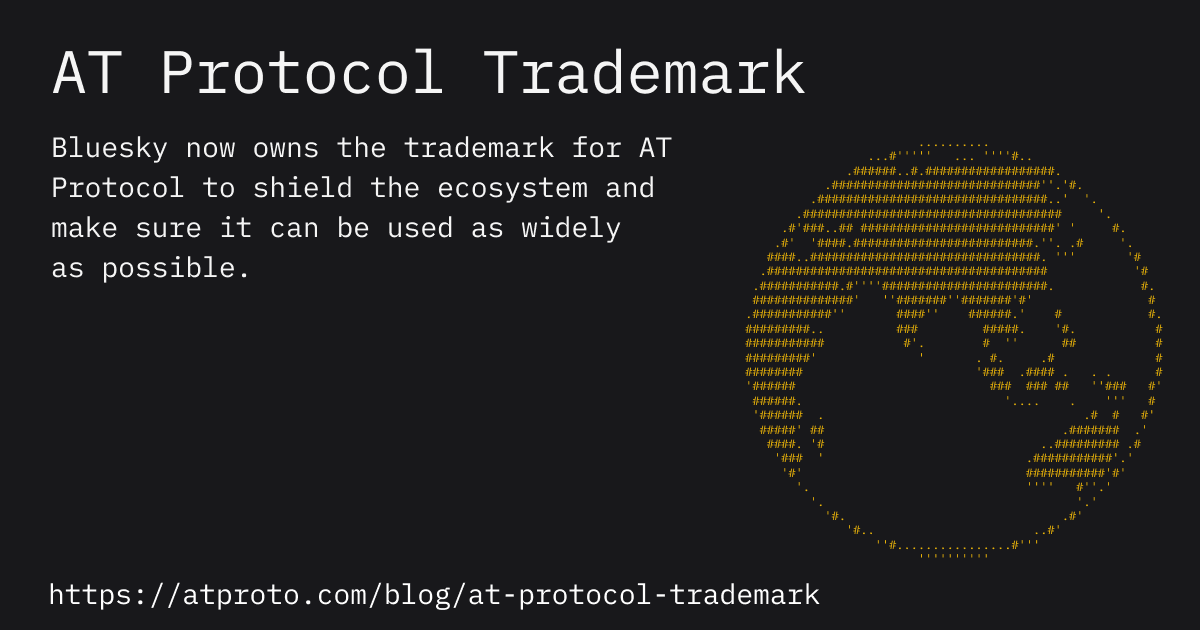
Bluesky Trademarks ATProto
2026-07-16Bluesky has officially trademarked the AT Protocol to secure ownership of its underlying social networking technology. The company stated that this legal step is intended to ensure the protocol is used as widely and responsibly as possible.
Comments2026-07-15
A recent BIS report warns that the AI industry's shift toward debt financing poses a significant risk to the global economy. This has sparked debate over whether currently unprofitable AI giants could eventually become too big to fail and require massive government bailouts. Commenters remain divided on the likelihood of such interventions, with some viewing potential rescues as legalized corporate corruption and others pointing to national security imperatives.
Comments2026-07-11

Apple has filed a lawsuit against OpenAI, accusing the AI company of stealing its trade secrets. The legal action specifically targets former Apple employees who allegedly transferred proprietary information to OpenAI. The tech giant claims these ex-workers illegally obtained and shared confidential data to benefit OpenAI's development efforts.
Comments2026-07-08
A recently discovered obfuscated bash script printed on a novelty Uniqlo t-shirt has been decoded by the tech community, turning the apparel into a wearable piece of programming art. In response, legal experts are analyzing the garment to explore the intellectual property, technology, and commercial law implications of printing executable code on clothing.
Comments2026-07-05

The European Union Council has fast-tracked Chat Control 1.0, allowing messaging platforms to scan user communications for illegal content by overriding a recently expired temporary exemption. Although the measure enables widespread chat scanning, the EU Parliament successfully blocked the more severe Chat Control 2.0, which would have compromised end-to-end encryption. Privacy advocates criticize the Council's maneuver, arguing that national governments are forcefully pushing for increased digital surveillance and outsourcing policing to tech companies.
Comments2026-07-02
Japan's highest court has ruled that artificial intelligence cannot be named as an inventor on patent applications, affirming that AI is a tool lacking legal ownership rights. The ruling has sparked broader reader debates regarding the economic utility of intellectual property laws, weighing whether patents genuinely incentivize innovation in high-cost sectors like pharmaceuticals or simply protect corporate monopolies.
Comments2026-06-29

The US Supreme Court has ruled that law enforcement must adhere to constitutional privacy protections when using geofence warrants to sweep smartphone location data. This decision ensures that authorities cannot access broad digital location records without meeting strict legal standards.
Comments2026-06-27

Starting July 1, California will prohibit streaming services from broadcasting excessively loud advertisements. The new legislation aims to protect viewers from jarring volume spikes during ad breaks. This follows a similar law in Illinois, giving platforms an increased incentive to normalize ad audio volumes across the board.
Comments2026-06-22

Reports reveal that police chiefs have been misusing Flock surveillance technology to track and stalk women. This abuse of power highlights the urgent need for mandatory legal warrants to prevent law enforcement from exploiting mass tracking systems.
Comments2026-06-18

The Norwegian Data Protection Authority has fined electronics retailer Elkjop €1.8 million for enforcing unlawful forced consent practices within its loyalty club. The penalty arrives five years after a privacy advocate explicitly warned the company's data protection officer that the practice was illegal.
Comments