Climate Tech News Today
Technology aimed at cutting emissions and adapting to a changing climate is advancing on many fronts. This section covers clean energy, batteries and storage, carbon capture, electric transport, and the startups, research, and policies pushing climate solutions forward.
Stories range from solar and wind milestones to grid-scale battery deployments, breakthroughs in fusion and geothermal, progress and setbacks in carbon removal, and the electrification of cars, trucks, and industry. Policy shifts and corporate climate commitments provide the surrounding context.
Climate technology attracts an unusually broad audience: engineers building the solutions, investors funding them, policymakers shaping incentives, and readers who want honest signals about the energy transition. This coverage aims to show what is genuinely scaling versus what remains a lab result.

How to grow a cacao tree at home
2026-10-27Although cacao trees demand a tropical climate and several years to mature, CocoTerra founder Nate Saal successfully took on the challenge of growing them at home. This article outlines his practical methods and tips for cultivating your own chocolate-producing trees in a domestic setting.
Comments
The fire retardant in the seafood chain
2026-10-20A chemical additive originally introduced to prevent fishmeal from catching fire on cargo ships has inadvertently infiltrated the modern seafood supply chain. While the fire retardant successfully solved a critical maritime safety issue, the chemical persists throughout the food system. Consequently, this historical additive now poses significant downstream carcinogenic risks to contemporary consumers.
Comments
Bleached corals are not dead and can rapidly recover by absorbing new, potentially more heat-resistant algae from healthy neighboring corals. While this natural adaptation mechanism offers hope, experts warn that the unprecedented pace of ocean warming driven by climate change is currently outpacing the corals' ability to adapt on a global scale.
Comments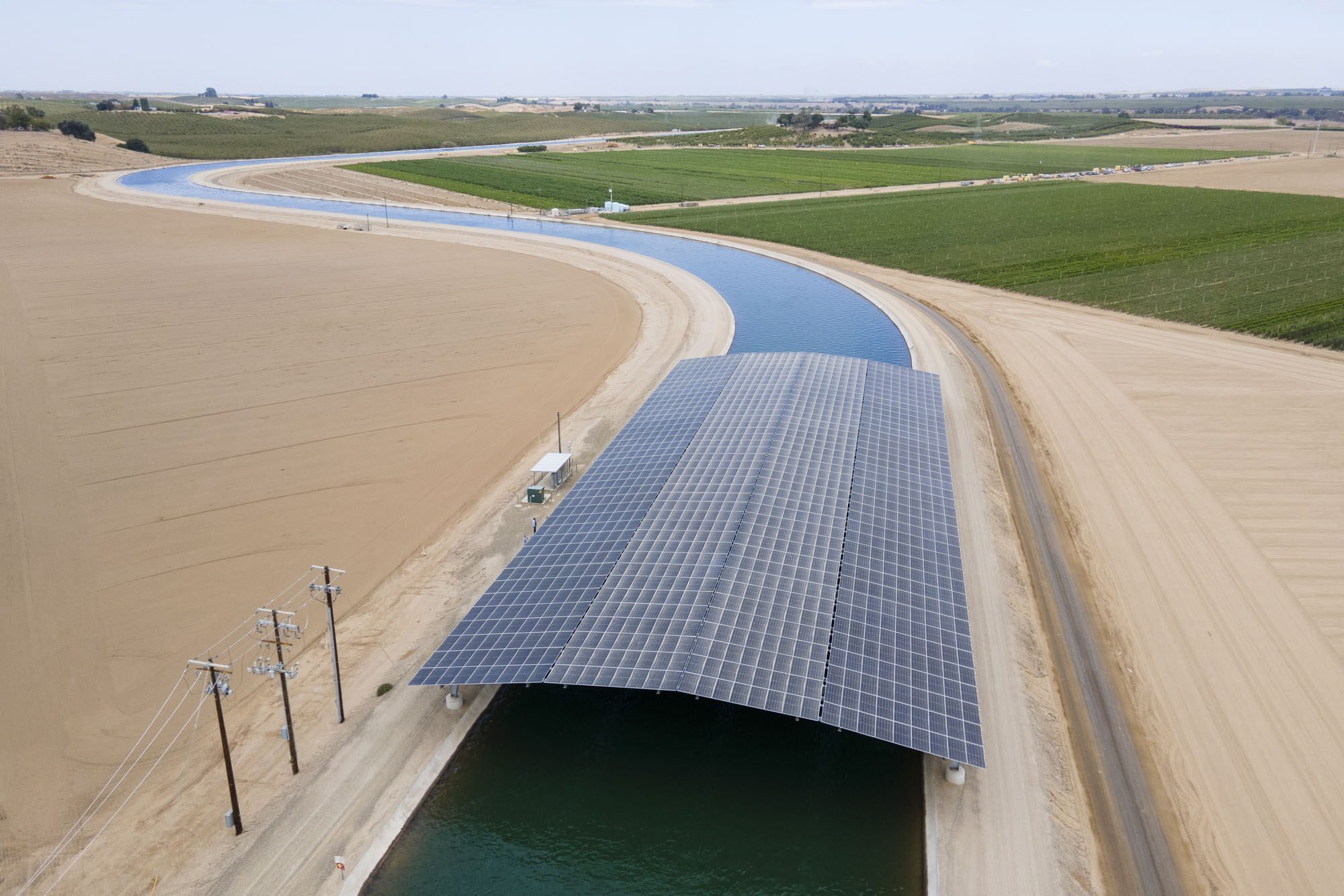
California is pioneering an innovative project by installing solar panels over irrigation canals in Turlock to generate clean energy. This dual-use infrastructure successfully reduces water evaporation and improves local water quality. The initiative provides a promising model for sustainable resource management in drought-prone regions.
Comments
Fossilized eggshells from giant titanosaurs discovered in a cool, non-equatorial climate reveal that these massive dinosaurs were too large to incubate their eggs by sitting on them. Instead, microscopic evidence from the shells shows the alternative methods these creatures used to keep their eggs warm enough to hatch.
CommentsPlanet Labs' open satellite feed
2026-09-10Planet Labs is expanding global data accessibility by launching an open satellite feed that provides continuous, high-resolution imagery of the Earth. This initiative is expected to significantly benefit developers and data scientists working in geospatial analytics, climate tracking, and large-scale cloud computing projects.
Comments
Historically limited to mountain conifers and streamside deciduous species, the Colorado Front Range is reevaluating its urban tree canopy to adapt to a changing climate. By examining the region's history of tree stewardship, experts aim to cultivate a more resilient and diverse urban forest for the future.
Comments
Scientists have recorded the highest temperatures ever measured in the world's oceans as a powerful El Niño weather pattern begins to form. This unprecedented warming milestone provides crucial data for researchers working to model and predict the severe climate impacts associated with the phenomenon.
Comments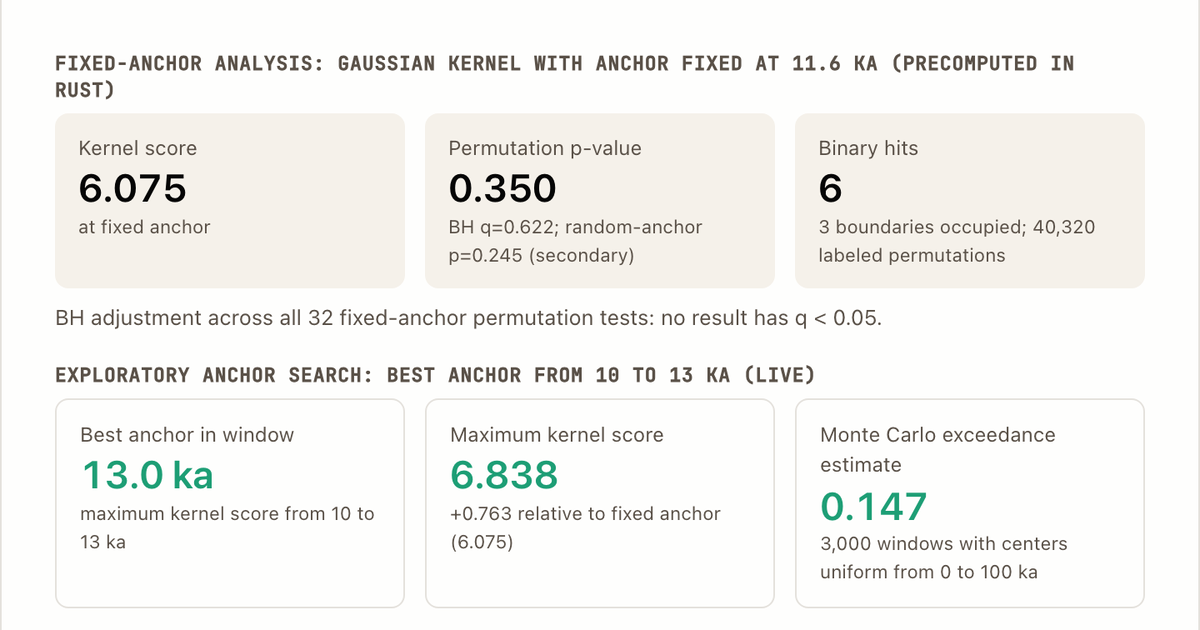
Researchers are applying statistical modeling to determine if the mythological reign lengths of the antediluvian kings in the Sumerian King List align with historical paleoclimate events. By comparing these ancient timelines against environmental data, the study investigates whether the legendary rulers' tenures correspond to actual climate shifts better than random chance.
CommentsA retracted study modeling the economic impacts of climate change was severely skewed by flawed data showing an unrealistic 90% GDP drop across Uzbekistan. The authors cropped their charts to hide these extreme outliers, which biased their models and distorted their economic projections through the year 2100. This incident has prompted calls for stricter data integrity standards and automated anomaly detection to prevent flawed datasets from cascading into future scientific literature and policy.
Comments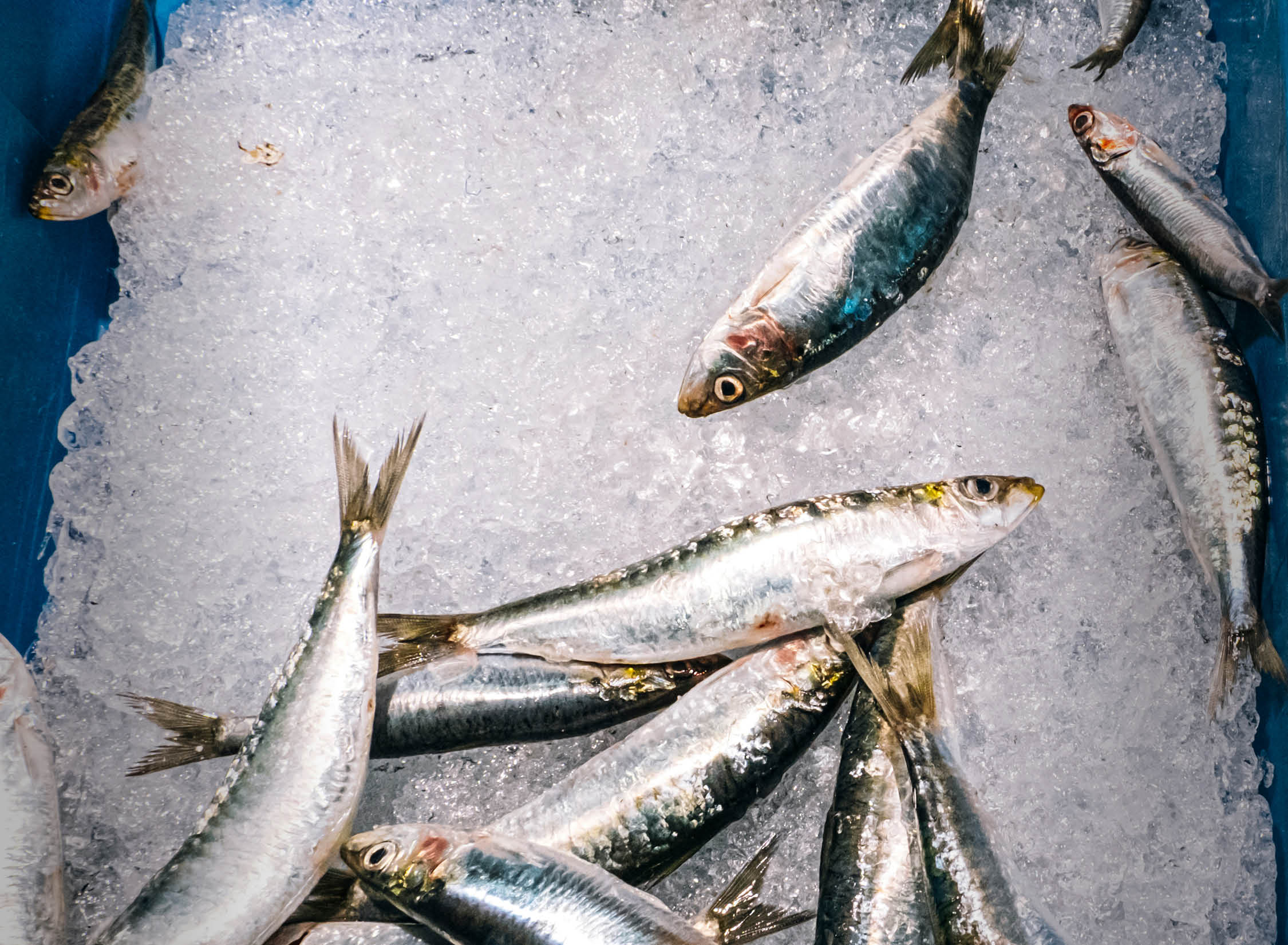
A viral TikTok diet trend has collided with the environmental impact of warming oceans to create a severe canned sardine shortage in supermarkets. This unexpected combination of social media influence and climate change has significantly depleted the global supply. Consequently, experts warn that the scarcity is not expected to be resolved anytime soon.
Comments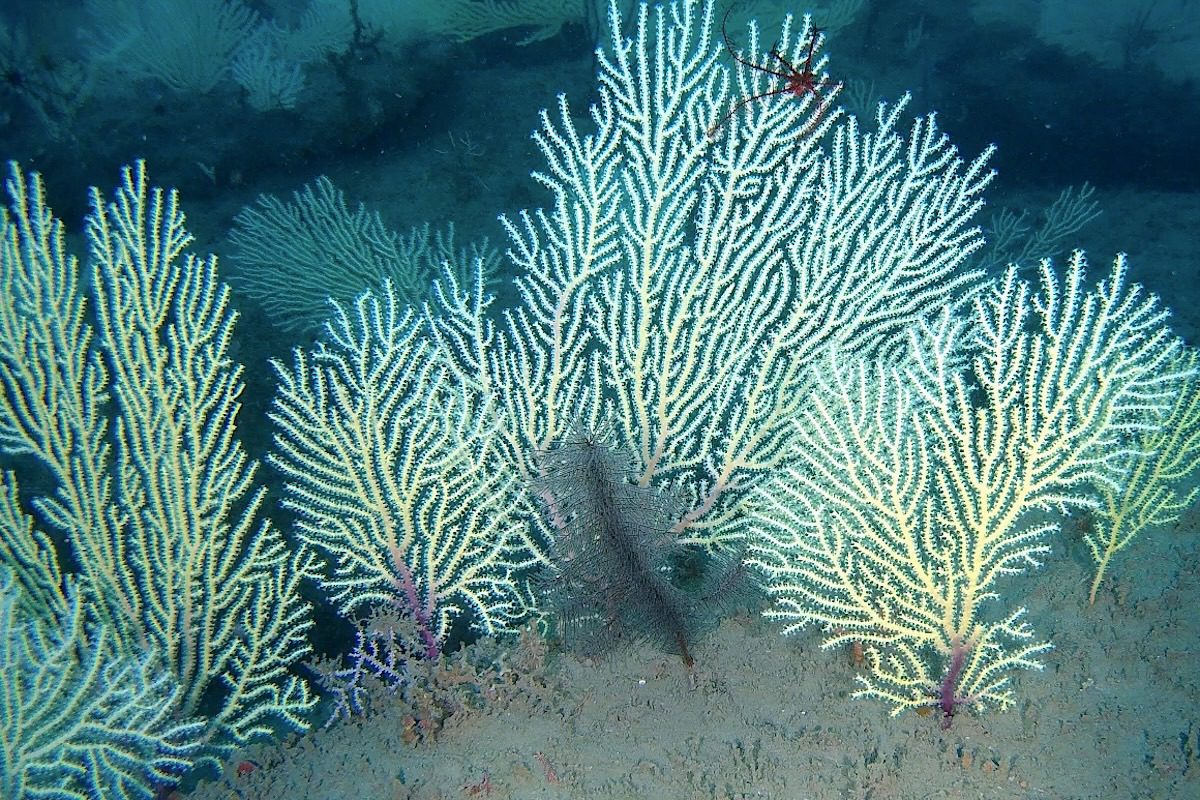
A thriving coral reef long presumed dead has been discovered off the coast of West Africa, highlighting the region's highly underrated marine biodiversity. This encouraging find shifts the typical climate narrative from inevitable environmental decline to one of ecosystem persistence and resilience. The discovery has also sparked renewed interest and calls for increased financial support for under-resourced global coral preservation initiatives.
Comments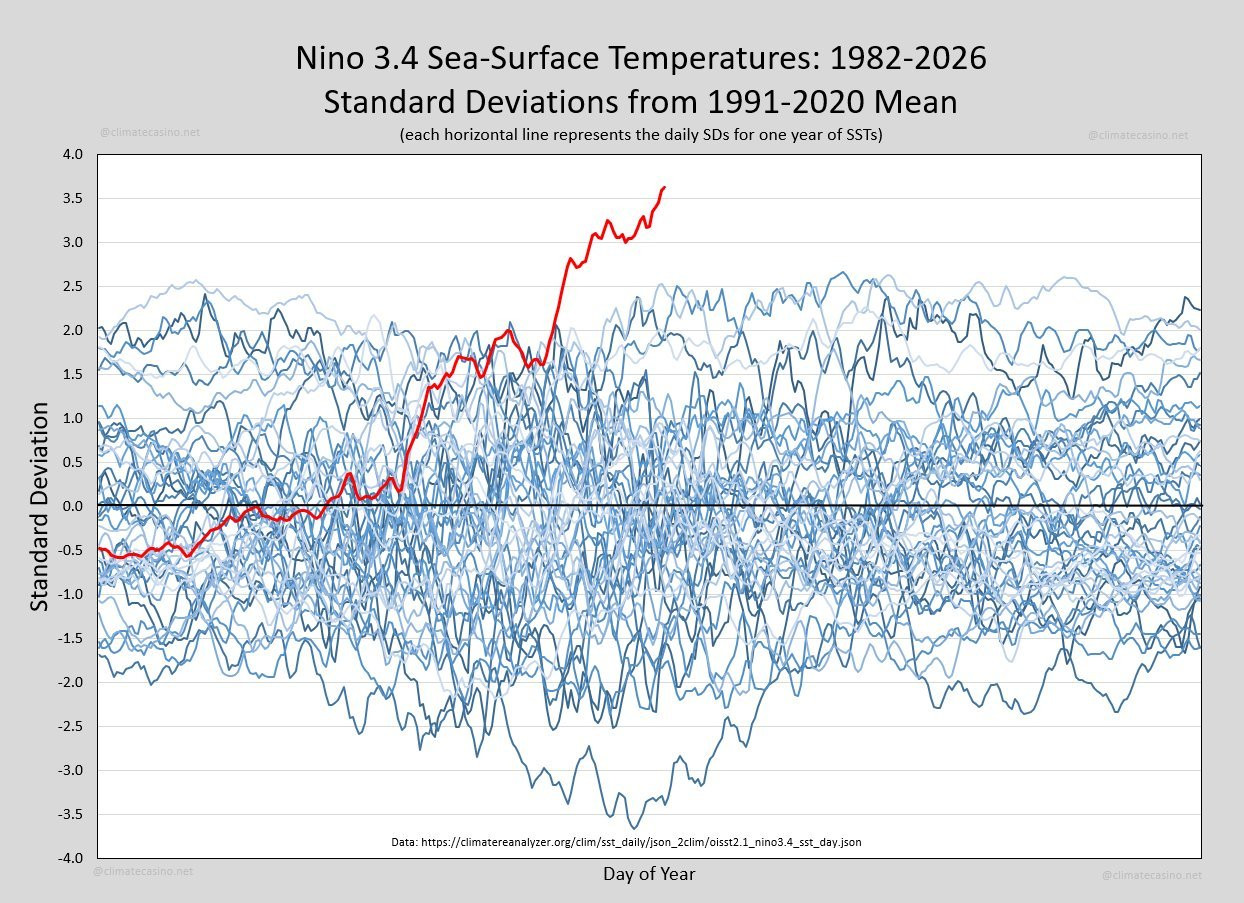
A graph that should be front-page news
2026-07-13Gregory Andrews argues that the latest El Niño 3.4 sea surface temperature data represents a critical climate milestone deserving prominent front-page news coverage. Despite the significance of these environmental metrics, he highlights a concerning lack of mainstream media attention regarding the current readings.
CommentsFormer NOAA employees have launched the Climate.us website, a donation-funded platform designed to preserve climate data and provide expert analysis through contextual articles. While raw datasets remain accessible through various government portals, this independent initiative focuses on translating that data into continuous, science-backed content for the public. By relying on public funding, the team of former government experts aims to maintain ongoing climate education and resources outside the federal system.
Comments
Researchers have completed the first global mapping of arbuscular mycorrhizal fungi, revealing that their underground networks span an astonishing 100 quadrillion kilometers. This immense subterranean web plays a critical role in sustaining global plant life by facilitating essential nutrient exchange across the planet.
CommentsThe retrieval of critical ocean sensors by the United States is severely disrupting international climate research, particularly for Canadian scientists monitoring the Atlantic Meridional Overturning Circulation ahead of El Niño. This specific action highlights a broader, systematic effort by the Office of Management and Budget to politicize, defund, and dismantle American scientific infrastructure. Researchers warn that withholding appropriated funds and arbitrarily cancelling grants will devastate the scientific community and permanently damage global research leadership.
Comments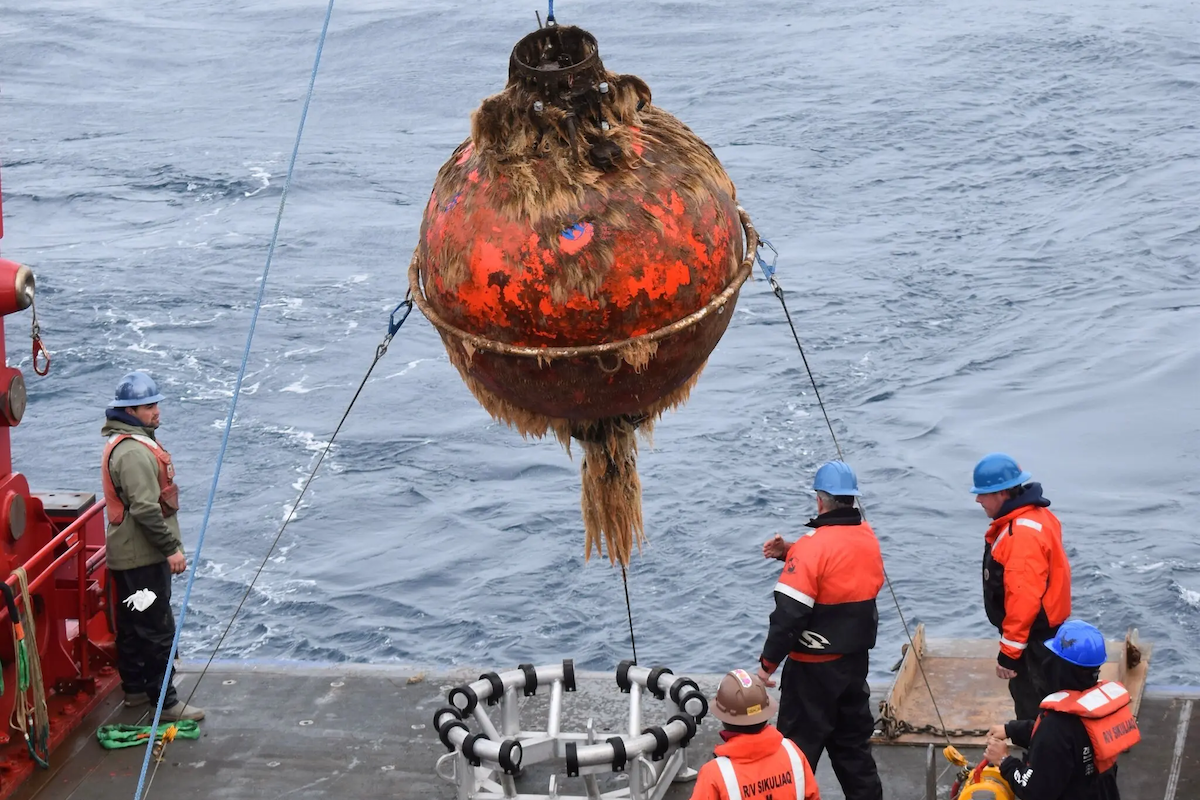
The U.S. government is launching an expensive operation to dismantle and retrieve a deep-ocean monitoring system tracking Atlantic currents, a move critics argue is driven by ideological posturing rather than budget constraints. Commenters suggest the administration is intentionally destroying this hardware to suppress climate data and appease fossil fuel donors as part of a broader anti-science agenda. Despite this governmental hostility toward basic science, readers note that everyday conservative voters are increasingly recognizing the real-world impacts of a changing climate through extreme weather and agricultural disruptions.
CommentsBelgium has reversed its retirement policy to keep its nuclear power plants operational, a move that has ignited intense online debate over the future of clean energy. Commenters argue over the economic viability and safety of nuclear power compared to renewables, with some emphasizing the necessity of existing nuclear fleets to meet climate goals while others highlight the plummeting costs of solar and wind. The discussion underscores the ongoing global challenge of balancing energy security, climate action, and the financial realities of power generation.
Comments
Butterfly populations across North America, particularly the Western Monarch, are experiencing severe declines due to habitat loss, pesticide use, and climate change. Despite these significant environmental threats, conservation experts remain optimistic about the insects' long-term survival and recovery.
CommentsA 1,200-year-old Japanese cherry blossom database used to track historical climate data has found a new keeper at Osaka Metropolitan University. Professor Aono, who previously maintained the extensive records, initially struggled to pass on the role due to the lack of financial compensation for the prestigious academic position.
Comments