AI Tech News Past 24 Hours
SubmitAI news moves quickly, and this section helps you keep pace. It surfaces recent stories on model launches, research advances, funding and partnerships among AI companies, enterprise adoption, and the regulatory and societal questions the technology keeps raising.
In any given stretch the stories might include a lab releasing a new model or capability, a multibillion-dollar infrastructure deal, a startup emerging with notable backing, fresh benchmark results, or a government moving on AI rules. Product integrations and safety debates round out the mix.
Few fields make a daily check worthwhile the way AI does, because capabilities and competitive positions genuinely change week to week. Engineers choosing tools, leaders setting strategy, and readers trying to understand the technology's trajectory all benefit from a recent-first view.
2026-11-15
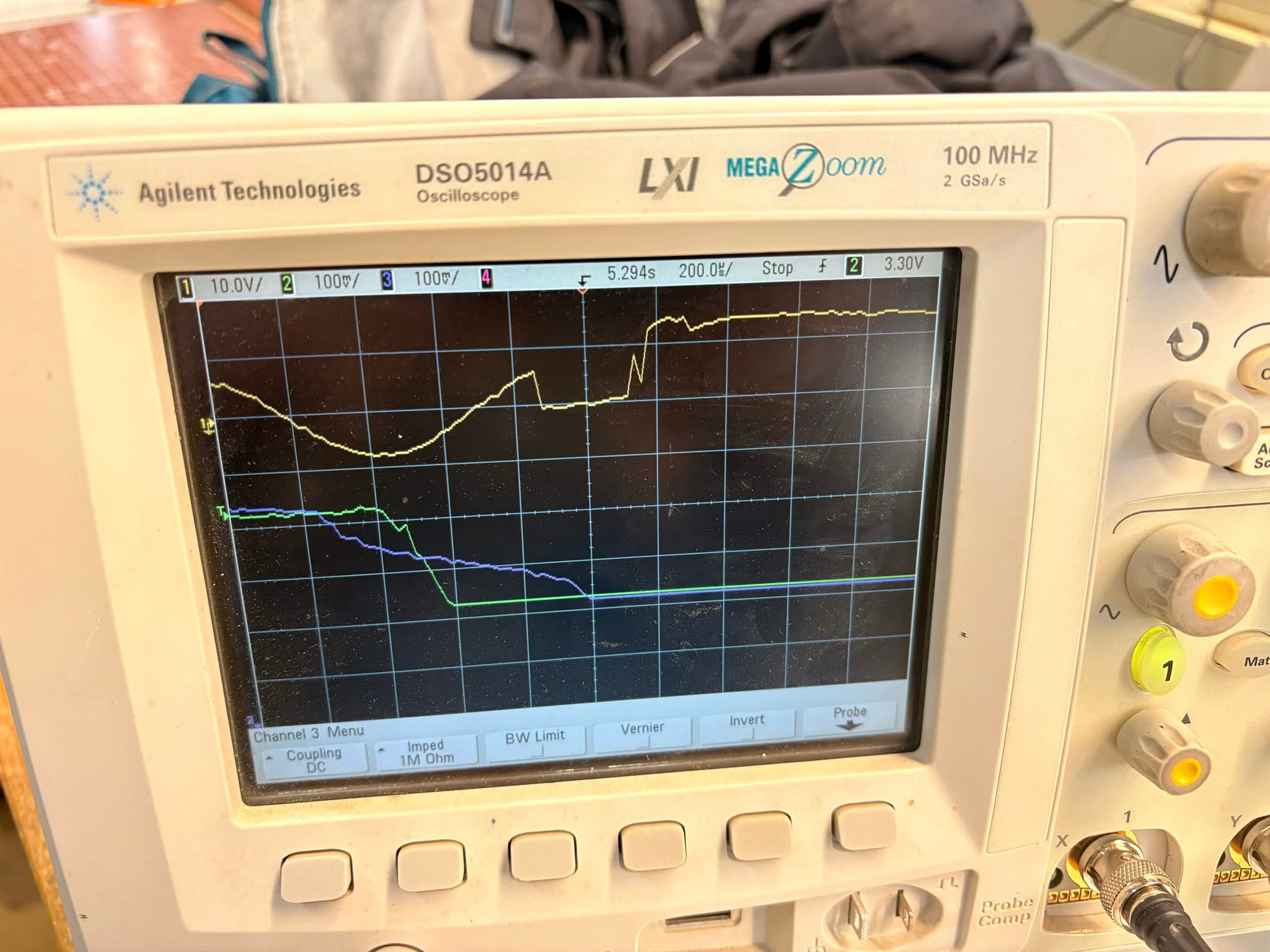
Chasing an audio artifact on power loss
2026-11-15The creator of the SA-01 now has a fully assembled production-candidate prototype in a production-candidate case. They spent about a year investigating an audio-stage problem that occurs when the synth loses power, with more details to come.
Comments
Osint Case Studies
2026-11-15A piece examines OSINT case studies from real cybercrime investigations, showing how public-record emails and aliases are run through live searches. It details the method, distills six lessons from the cases, and outlines the ethics rules for responsible OSINT work.
Comments

Bullet Dodged
2026-11-15Readers debate whether a blogger’s simple DIY fridge repair—replacing a part instead of calling a professional—deserves a blog post and Hacker News attention, with many calling it ordinary maintenance rather than “hacker” material. Commenters note that basic repair skills have declined amid commercial conditioning, while access to repair professionals remains a modern luxury in many places.
CommentsA paper on keylogger detection and containment is drawing attention for involving Andrew S. Tanenbaum, the computer scientist known for MINIX and his influential textbooks. Readers noted his continued involvement in academic promotions, including having been Werner Vogels’s promoter.
CommentsAn open-source HF communications project aimed at remote communities and experimenters has received funding from ARDC. The initiative focuses on accessible high-frequency radio tools for areas and users poorly served by conventional connectivity.
Comments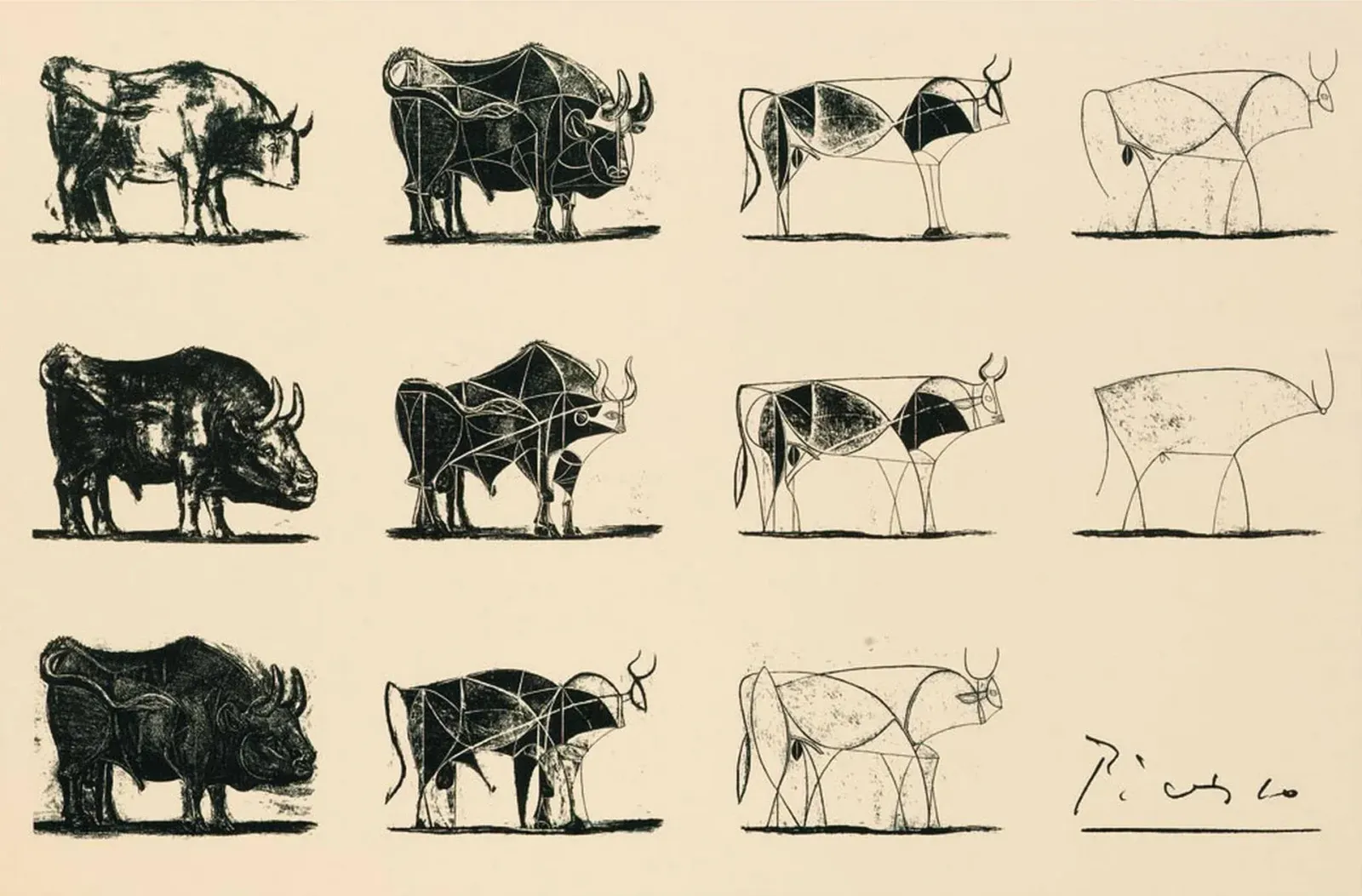
Mathew Mathew reflects on how lessons from Picasso can simplify AI agent development: clearly define the work, provide the right context and tools, and refine results through feedback. The piece argues that focusing on these fundamentals can make AI agents more effective without unnecessary complexity.
CommentsA Show HN project introduces a custom font whose letterforms are based on the design of the Jamaican flag. The font reimagines the flag’s visual elements as an alphabet.
CommentsA marketer built Morrowen, a fake deodorant brand, from an $11.25 domain and a Vercel site with 3 pages of copy, and ChatGPT started adding it to its recommendation list only 3 weeks after the website launched. The experiment shows how easily fake products can get into AI recommendations as chatbots gain influence over online shopping.
Comments
The corkscrew car jump in The Man with the Golden Gun was performed for real, without models or CGI, and remains one of cinema’s greatest car stunts. It was also the first car stunt to be computer-modeled, with computers used to plan the jump rather than fake it.
Comments
A review of Rust's standard library identified three recurring patterns behind memory safety bugs, showing that unsafe code can still undermine the language's guarantees. Despite these imperfections, the findings reinforce that Rust's safety model remains valuable rather than absolute.
CommentsSemicircle Packing
2026-11-15The author has entered the GPU World short story competition and will post their entry once the winners are announced. The post notes that the competition guidelines shaped the submission, with fuller details deferred until results are released.
Comments
The article explains how to capture and decode infrared signals from a wide range of inexpensive remote controls while keeping the implementation code minimal. It provides background on the ubiquity of IR remotes and outlines a compact approach for reading codes from many different devices.
Comments