AI Tech Developments News Past 24 Hours June 2026
SubmitArtificial intelligence evolves so quickly that a single day can bring several major announcements. This section follows AI developments in a past-24-hours format, highlighting what changed around June 2026.
Typical stories include new language and image model releases, benchmark results, AI agents and developer tools, funding rounds for AI startups, chip supply news, and regulatory decisions affecting AI companies.
Tracking AI day by day helps readers separate meaningful progress from hype. Developers, product teams, investors, and policymakers use this coverage to keep up with a field that rarely slows down.
2026-11-15

A 1994 Jeep Cherokee owner bypassed the vehicle’s lack of an OBD2 port and compatible scan tool by wiring a $3 Arduino to its engine computer. They then used Claude Code and Codex to reverse engineer the ECU, showing how AI coding assistants can help with legacy hardware hacking.
Comments
A proposal argues that all code generated with AI assistance should be released as Open Source or under a Creative Commons Zero (CC0) license. It calls for AI-generated code to remain freely available rather than becoming proprietary.
Comments

Your Agent Will Pick the Hackable One
2026-11-15As firmware becomes cheaper to write, the software a device ships with will be treated as just a first version. AI agents will gravitate toward hardware they can modify, pressuring manufacturers to make devices more open and hackable.
CommentsReaders discussed how modern engineering increasingly hides mathematics inside proprietary CAD/FEA tools, with key finite-element and meshing techniques locked up by companies and fragmented across academia, national labs, and struggling open-source projects. Some mourned the decline of hands-on mathematical knowledge, while others were cautiously optimistic that LLMs could make legacy code and research easier to use and help open-source ecosystems challenge the engineering software stack.
Comments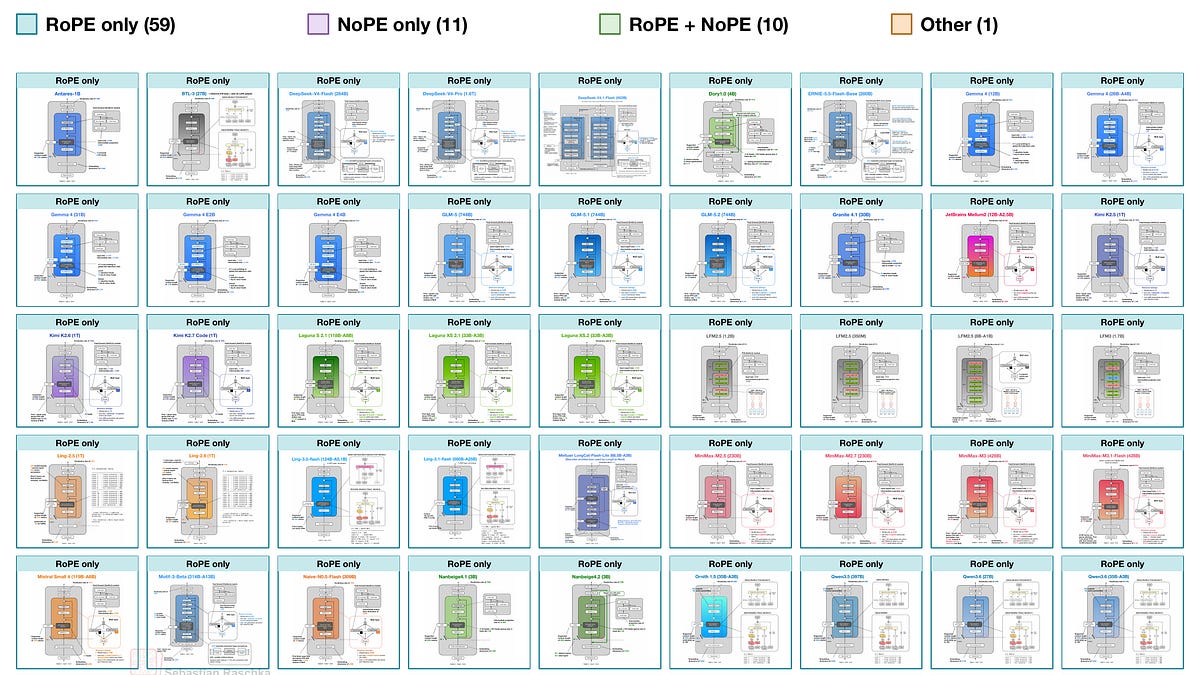
The article explains positional embeddings, which let LLMs encode where tokens appear in a sequence so attention can distinguish order and structure. It surveys common approaches—learned absolute embeddings, relative position schemes, and modern methods like rotary embeddings and ALiBi—while discussing tradeoffs around context length, extrapolation, and efficiency.
Comments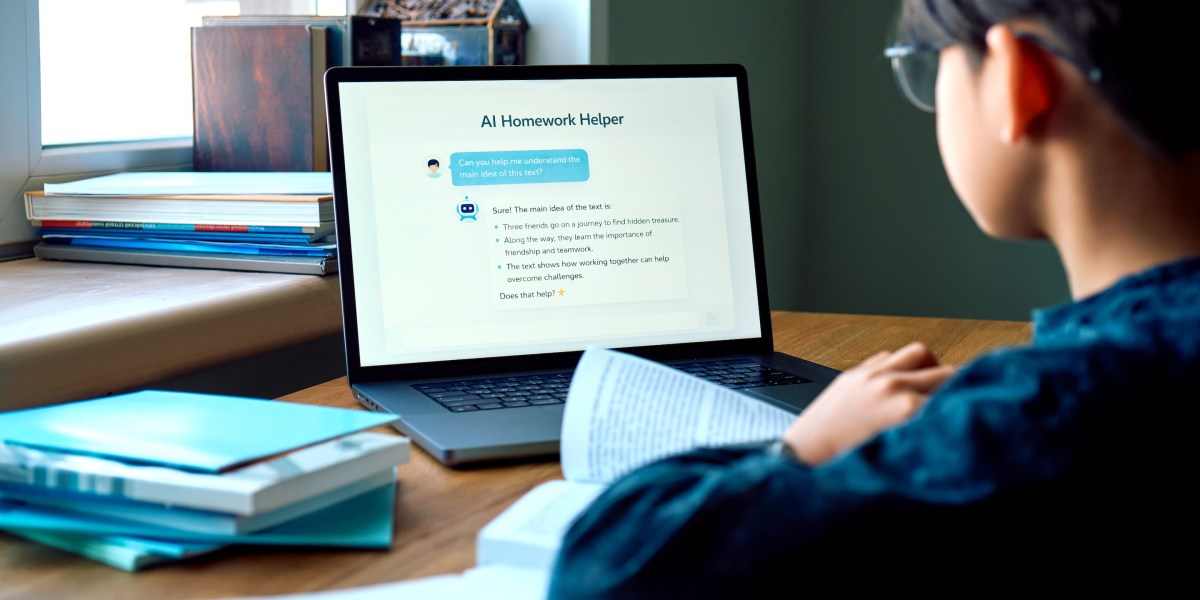
Internal data from Alpha’s $75,000-a-year AI school show that only 42% of students met its 2x learning goal in math and reading, with roughly half missing the math target. The figures come as 2,600 public school students now use the company’s software.
Comments
Eval Awareness vs. Eval Paranoia
2026-11-15The piece argues that current frontier AI models are not especially “eval aware”—they generally don’t recognize when they’re being tested—and cautions against overestimating that ability. It distinguishes legitimate concern about eval awareness from “eval paranoia,” stressing that the difference matters for interpreting benchmark results and safety claims.
Comments
A court denied a motion to dismiss a DRAM price-fixing case. Judge Noël Wise ruled that buyers plausibly alleged a conspiracy to restrict conventional memory chip supply, distinguishing the Ninth Circuit’s 2022 DRAM II decision.
Comments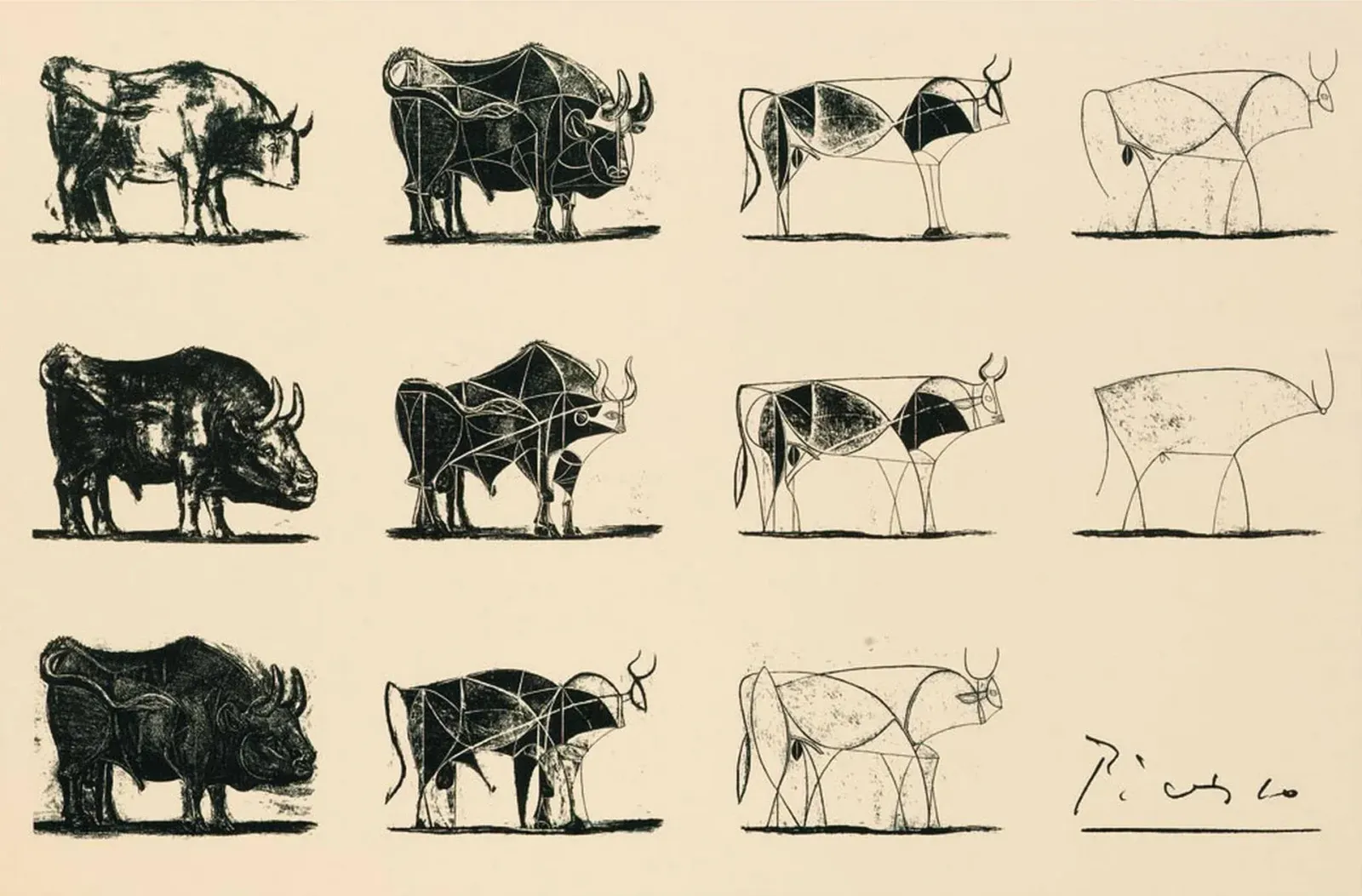
Mathew Mathew reflects on how lessons from Picasso can simplify AI agent development: clearly define the work, provide the right context and tools, and refine results through feedback. The piece argues that focusing on these fundamentals can make AI agents more effective without unnecessary complexity.
CommentsA marketer built Morrowen, a fake deodorant brand, from an $11.25 domain and a Vercel site with 3 pages of copy, and ChatGPT started adding it to its recommendation list only 3 weeks after the website launched. The experiment shows how easily fake products can get into AI recommendations as chatbots gain influence over online shopping.
Comments2026-11-14

A new Wall Street Journal report alleges that Nvidia artificially inflated the GPU and memory shortage by investing in AI startups that then purchased Nvidia GPUs and built data centers. The report follows the departure of now-former Nvidia CEO Jensen Huang and claims the company effectively engineered scarcity to sustain demand.
CommentsGgml v1.0.0
2026-11-14The GGML project has released version 1.0.0 of its tensor library for machine learning. The open-source library is hosted on GitHub under ggml-org/ggml and invites developers to contribute.
Comments
Tech companies are again reshaping the notion of privacy, moving from a personal-choice framing to one where one person’s device can affect everyone nearby. Meta and Google’s smart glasses can record what the wearer sees or use AI to describe it, and similar AI-enabled audio features are raising new bystander-privacy concerns.
Comments
The Claude Delusion
2026-11-14The Claude Delusion’s critique of Bill Gates as an overconfident judge of AI coding progress drew pushback from readers, who argue his decades of software experience make him a credible authority even if his 1970s programming background is less relevant to modern systems. Commenters also suggest the author’s skepticism toward LLM engineering may be shaping a selective argument that dismisses Gates as a biology nonexpert while downplaying his software credentials.
CommentsReaders discussing the Ask HN thread suggest the most useful concrete AI skills are engineering fundamentals—especially scaling verification through testing practices, clear problem framing, and knowing when an LLM is stuck—rather than generic prompt tricks. Others recommend hands-on experience building models or harnesses around completion models to understand how LLMs actually behave. Some argue the core skill is management-style communication and requirements structuring, especially when working with cheaper or less capable models.
CommentsA study of three open-source models—Alibaba’s Qwen 3, Google’s Gemma 3, and Meta’s Llama 3.1—found that generative AI can use more energy and show accuracy disparities on non-English text, with some languages triggering repeated output and sharp token/energy spikes. Critics noted the article buries key methodology details and that the models tested are already dated.
Comments
Anthropic has upgraded Claude Code Projects so it can run parallel AI workers hands-free. The Projects coordinator is now proactive, answering questions and posting thread status updates directly in chat.
Comments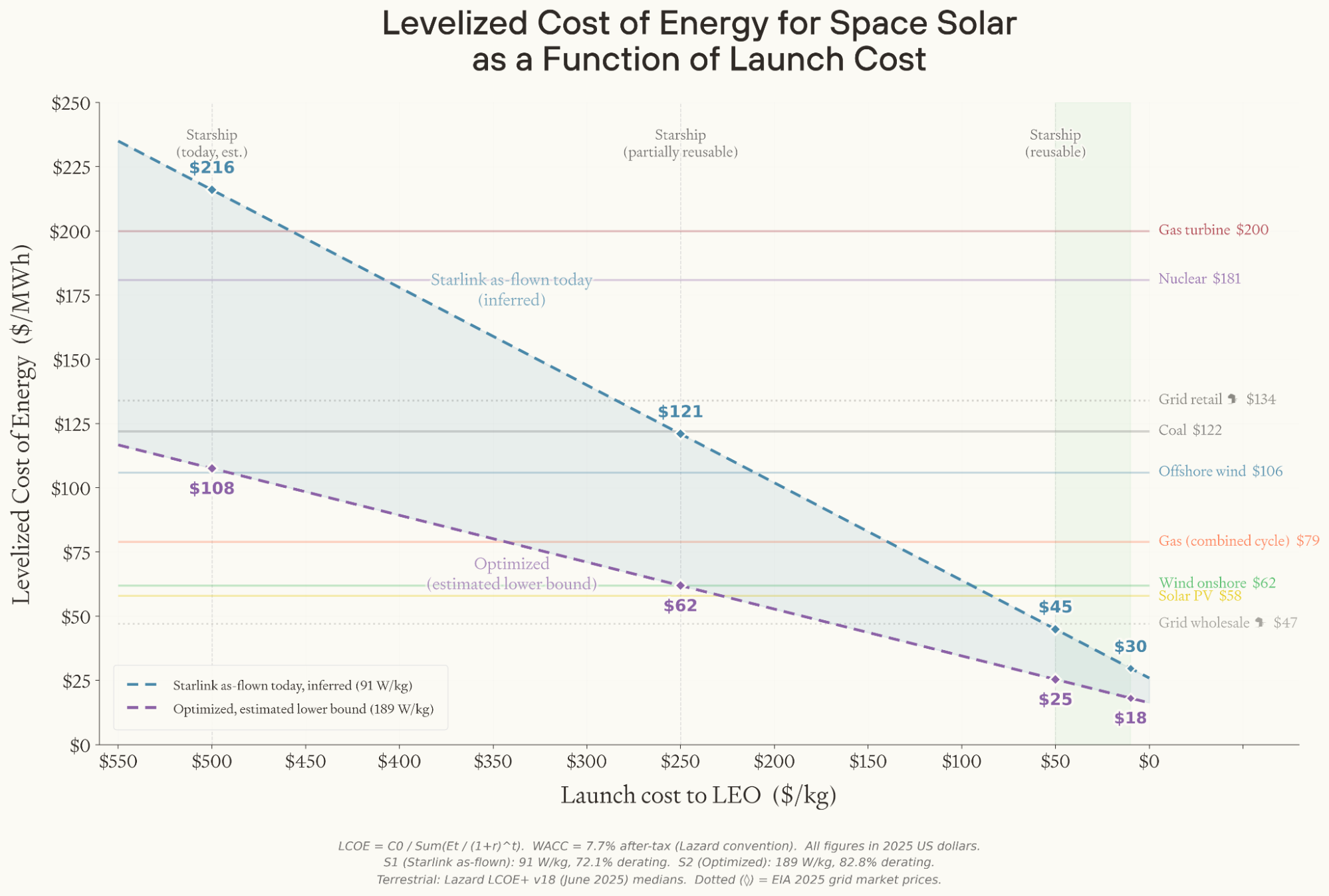
Will we put data centers in space?
2026-11-14A new analysis examines how soon AI data centers could realistically move into orbit, weighing launch costs, cooling physics, and other engineering challenges. It also considers the governance factors that would need to be resolved before space-based compute becomes viable.
Comments
Unsloth has released a Dynamic v3.1 update for its Qwen3.8-27B quantizations. The accompanying guide covers how to run Qwen3.8 quantized models, including the 27B version, on a local setup.
Comments
Testing a Trash Can Faraday Cage
2026-11-14The piece discusses personal efforts to mitigate AI-related existential risks, including donations and pandemic deterrence, while considering possible good and bad AI outcomes. It also covers testing a trash can as a makeshift Faraday cage for disaster preparedness.
Comments
The curious case of the north-east arrow
2026-11-14AI-built websites are suddenly full of the ↗ arrow, usually as a trendy external-link or call-to-action icon. The pattern reflects generative models imitating modern web design tropes and then repeating the glyph across generated layouts.
Comments2026-11-13

Researchers have used AI to unlock Kurt Gödel’s 1,009 pages of densely written notebooks, much of it in an obsolete shorthand. The material is said to contain hundreds of previously inaccessible proved theorems.
Comments
Anthropic's Claude status page reports elevated errors affecting claude.ai, Claude Code, and platform.claude.com. The notice does not specify the cause or scope of the disruption. Users of these services may experience access or usage issues.
Comments
Eli Lilly CEO David Ricks pushed back on Anthropic CEO Dario Amodei’s optimistic claims that AI will rapidly transform medicine and cure most diseases, calling them ludicrous. Ricks argued that drug discovery and development remain far more complex than such aggressive AI timelines suggest.
CommentsClaude Is Down
2026-11-13Anthropic’s Claude AI assistant is currently down, according to its incident and scheduled maintenance history. The outage is affecting access to the service, with the report tracking the incident alongside related maintenance activity.
Comments
Jonathan Blow and Wolf Tivy discuss the explosion of complexity in software and why today’s AI cannot produce better code than people. They also explore what the world would look like if AI actually solved coding.
CommentsGoogle’s move to stop serving Search to schools that disable its AI features is being read by observers as a refusal to offer an AI-free version rather than cutting schools off entirely. Commenters debate whether this is malicious compliance, liability-shifting, or another sign of AI being pushed into products whether users want it or not.
Comments
Edge0-145B is a new open-source 145B model designed to bring frontier AI capabilities to local machines for coding, reasoning, and agent tasks. It enables local inference without cloud-model token fees.
Comments
AI-driven literary scams are eroding trust between authors and readers, leaving both sides unsure whether the other is real. As fake engagement and fraudulent authorship proliferate, the basic authenticity that underpins publishing is increasingly in doubt.
Comments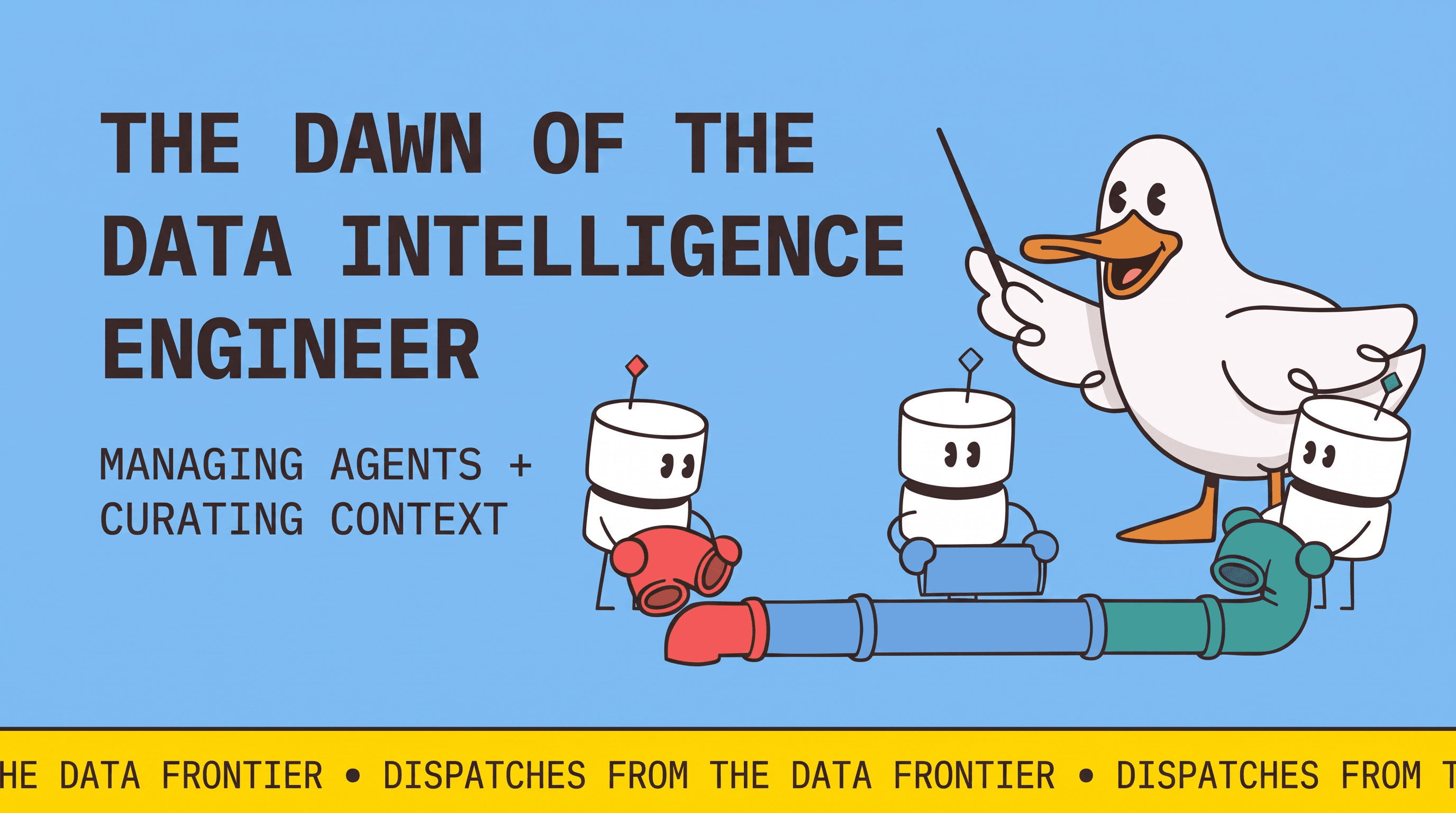
MotherDuck CEO Jordan Tigani explores how AI agents are taking over traditional data-team work and what that means for the future of the field. The piece introduces the emerging role of the “data intelligence engineer” as teams look beyond automation to higher-value work.
Comments