AI Tech Developments News Past 24 Hours June 2026
Artificial intelligence evolves so quickly that a single day can bring several major announcements. This section follows AI developments in a past-24-hours format, highlighting what changed around June 2026.
Typical stories include new language and image model releases, benchmark results, AI agents and developer tools, funding rounds for AI startups, chip supply news, and regulatory decisions affecting AI companies.
Tracking AI day by day helps readers separate meaningful progress from hype. Developers, product teams, investors, and policymakers use this coverage to keep up with a field that rarely slows down.
2026-08-11
Needle2 is a new open-source 45M-parameter agentic LLM optimized for resource-constrained edge devices like smartphones, wearables, and robots. The model supports tool calling and structured extraction, operating efficiently as a 14 MB binary that requires only 28 MB of session RAM.
CommentsMark Zuckerberg is criticizing closed AI competitors as Meta champions open-source models, a move the tech community credits with significantly accelerating the broader open-source AI revolution. Although readers debate whether Meta's release of Llama was a deliberate strategy or a reaction to a leak, there is consensus that it successfully built upon earlier foundational models to transform the industry.
Comments

Meta Superintelligence Labs has released Muse Glimmer, a 30-billion-parameter open agentic model designed for continuous local operation. The system is specifically optimized to execute always-on agent workflows efficiently on standard consumer hardware.
Comments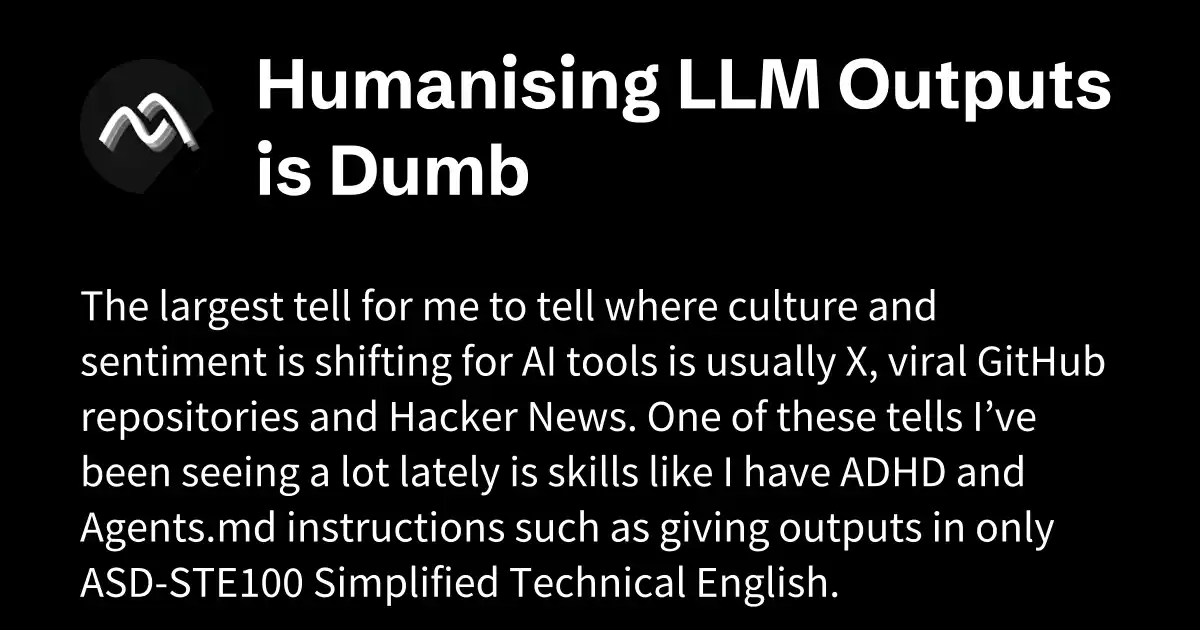
Humanising LLM Outputs Is Dumb
2026-08-11A recent tech commentary criticizes the growing trend of humanizing large language model outputs. The author notes a cultural shift on platforms like X and GitHub, where users increasingly prompt AI to simulate conditions like ADHD or use simplified technical English. Ultimately, the piece argues that these behavioral modifications are unnecessary and detract from the true utility of AI tools.
Comments
Stoa Markets, a Y Combinator S26 startup, has launched an institutional marketplace dedicated to buying and selling GPUs and AI servers. The platform streamlines enterprise hardware transactions by providing verified counterparties and transparent price discovery.
CommentsDevelopers debating the best programming language for AI agents are increasingly favoring strongly typed, compiled languages like Go and Rust over Python's vast but often unreliable ecosystem. Many programmers report that LLMs generate more stable, crash-free code in languages with strict typing and fast tooling, making them superior for building reliable AI agent harnesses.
Comments
OpenAI has written to Texas Governor Greg Abbott to outline its commitment to developing responsible artificial intelligence infrastructure in the state. The letter emphasizes the company's focus on fostering reliable and transparent technological growth that will directly benefit Texans.
Comments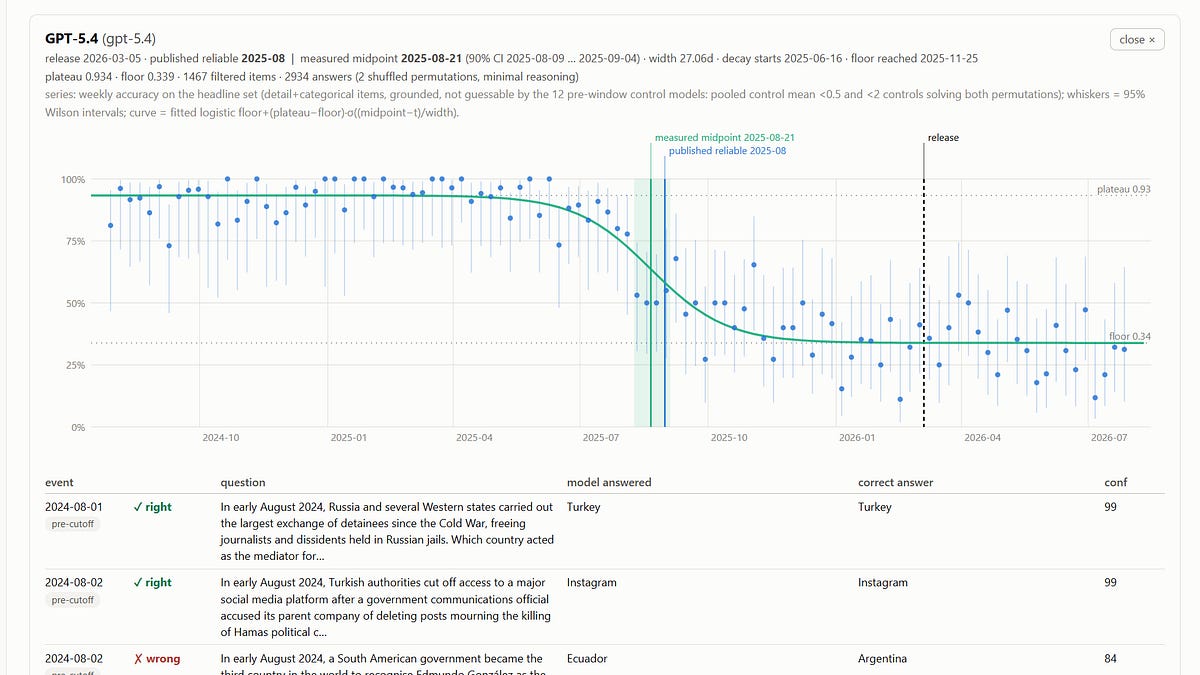
A recent analysis investigates the knowledge cutoffs of major AI models like Claude and GPT to uncover details about their pre-training timelines. By evaluating the specific information these language models retain, the study provides unique insights into how leading developers curate and finalize their massive training datasets.
Comments2026-08-10
How I use LLMs to learn complex topics
2026-08-10While large language models have a wide variety of general applications, personalized education has emerged as one of their top use cases. This article explores practical strategies for leveraging these AI tools to break down and master highly complex subjects.
CommentsA developer has launched Sawdust, a skeuomorphic carpentry simulator that replaces traditional CAD extrusions with real-world woodworking operations and integrates with AI agents to automate parametric design. Hacker News readers praised the platform's practical approach to digital woodworking, noting its ability to generate material lists and export projects for 3D printing or augmented reality visualization.
Comments
The tragedy of the commons, AI edition
2026-08-10British employment tribunals are facing severe backlogs due to a sudden surge in legal claims generated by artificial intelligence. Workers are increasingly using AI tools to easily draft cases against their employers, overwhelming the legal system's capacity to process the massive influx.
Comments
OpenChamber is a new agentic development environment that enables AI coding across desktop, browser, mobile, and VS Code platforms. The tool allows developers to actively monitor AI agents, review code diffs, and manage branching sessions while keeping the entire project board visible.
Comments
Everything you do is being recorded
2026-08-10As modern technology enables the continuous tracking and recording of our daily activities, concerns over digital privacy are reaching a boiling point. This piece examines the extent of this pervasive surveillance and explores actionable strategies for consumers looking to protect their data and fight back against invasive monitoring.
Comments
The Ambition Project
2026-08-10A new guest post titled The Ambition Project has been published by Jason Brennan. The provided text contains only the title and author attribution, lacking the actual article content needed for a detailed summary.
Comments
A 1978 excerpt from John C. Lilly’s metaphysical autobiography reveals his unconventional early thoughts on artificial intelligence and human obsolescence. During a sensory deprivation session, Lilly claims to have received a message from an entity named K1 concerning solid state intelligence and the eventual elimination of mankind. This esoteric historical account offers a unique, philosophical perspective on the conceptual origins of modern transhumanism and machine intelligence.
CommentsA new tool tracks whether specific lines of text were written by humans or AI agents during collaborative editing. Rather than relying on embedded file markup, it determines line-level provenance by analyzing version history diffs. This approach helps developers clearly distinguish between human and machine contributions in shared documents and codebases.
Comments2026-08-09

Danish high school students will now be required to orally defend their written assignments to ensure academic integrity amid the rise of AI tools. The policy takes effect immediately, though educators acknowledge that their strategies must continually evolve as artificial intelligence technology advances.
Comments
As the software development profession faces significant upheaval from the AI revolution, a new article pushes back against the dismissive claim that writing code was never the hard part. The piece defends the complex problem-solving and architectural skills that truly define a programmer's work beyond just typing out syntax.
Comments
ChatGPT has been updated to block direct prompts asking the AI to mimic a specific author's writing style. Although the model will no longer copy exact styles, it can still capture a writer's broader literary qualities. This change aims to mitigate potential legal and copyright implications surrounding AI-generated text.
Comments
DeepMind has developed WeatherNext, an AI model that achieves breakthrough accuracy in forecasting cyclones and provides an extra day of advance warning. The company is now open sourcing the model to make this critical predictive technology accessible to researchers and developers worldwide.
Comments2026-08-08
The U.S. Department of Energy has launched the Genesis Open Models Initiative to develop domestic, open-weight AI models in response to concerns over foreign dominance in the open-source sector. This effort aims to provide researchers with transparent, long-term alternatives to both closed proprietary systems and foreign open-source offerings. By focusing on open weights and transparent reasoning, the initiative seeks to foster highly interactive AI tools that users can actively observe and steer.
Comments
A growing number of knowledge workers are realizing their roles may be largely pointless as artificial intelligence continues to advance. This widespread disillusionment could lead to significant shifts as an entire class of employees questions the value of their professions. The article explores the potential societal and economic consequences of this growing crisis of confidence in the modern workforce.
Comments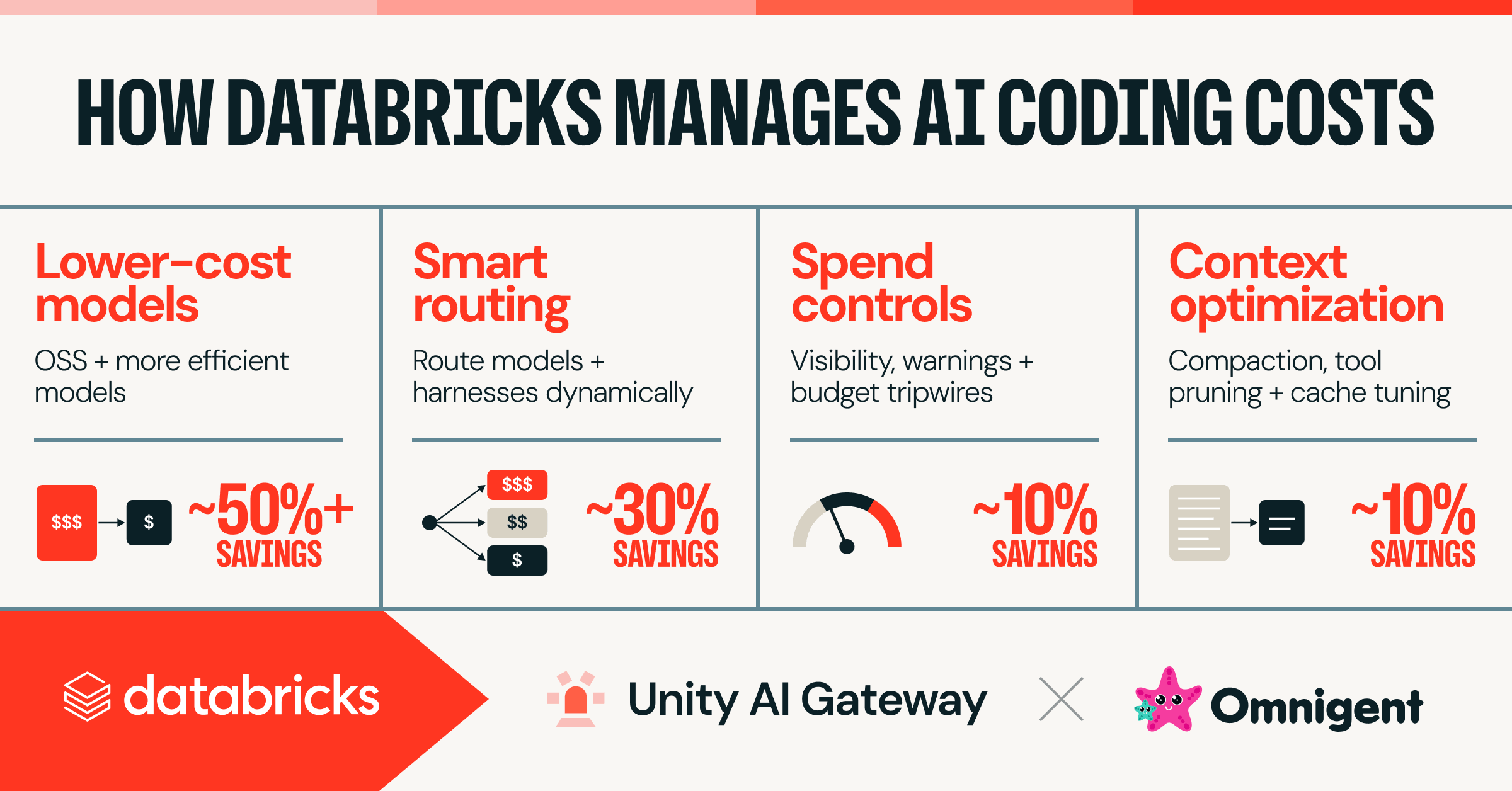
Managing AI Coding Costs at Scale
2026-08-08While AI coding assistants significantly boost developer productivity, scaling these tools across large engineering teams introduces substantial financial challenges. To address this, companies are implementing strict usage monitoring, tiered access models, and cost-optimization strategies to manage rising expenses without sacrificing efficiency.
CommentsOracle has banned the submission of AI-generated code to the OpenJDK project over safety and intellectual property concerns. This restriction contrasts sharply with the company's internal practices, where executives credit AI tools with accelerating software development. Additionally, Oracle faces a credit rating downgrade from S&P due to uncertain returns on its massive $70 billion datacenter expansion.
Comments
Major memory manufacturers Samsung, SK Hynix, and Micron have reportedly sold out their entire 2027 production capacity to meet surging demand from artificial intelligence companies. This massive allocation underscores the immense hardware requirements driving the current AI infrastructure boom.
Comments
Cloudflare has introduced Kitesurf, a stateless and highly scalable web browser designed specifically for AI agents operating in the Agentic Cloud. By running entirely on Cloudflare Workers within V8 isolates, it provides a cost-effective tool optimized for AI model interactions.
CommentsA discussion surrounding a website owner's battle against web scrapers highlights concerns that aggressive bot-blocking strategies often rely on third-party services like Cloudflare, threatening the open web. Participants argue that blanket bans on automated traffic inadvertently harm legitimate users and potential customers who use scripts and LLMs for product research. Ultimately, the debate underscores the difficult balance website owners face between protecting their infrastructure and remaining accessible to automated tools that drive sales.
Comments
AMD has acquired Taalas to boost AI inference performance by etching machine learning models directly into silicon. Early demonstrations of these model-specific integrated circuits reveal processing speeds of up to 17,000 tokens per second.
Comments2026-08-07
AMD has acquired Taalas to boost AI inference performance by etching machine learning models directly into silicon. Early demonstrations of these model-specific integrated circuits reveal they can generate up to 17,000 tokens per second, positioning AMD to deliver significantly faster AI processing.
Comments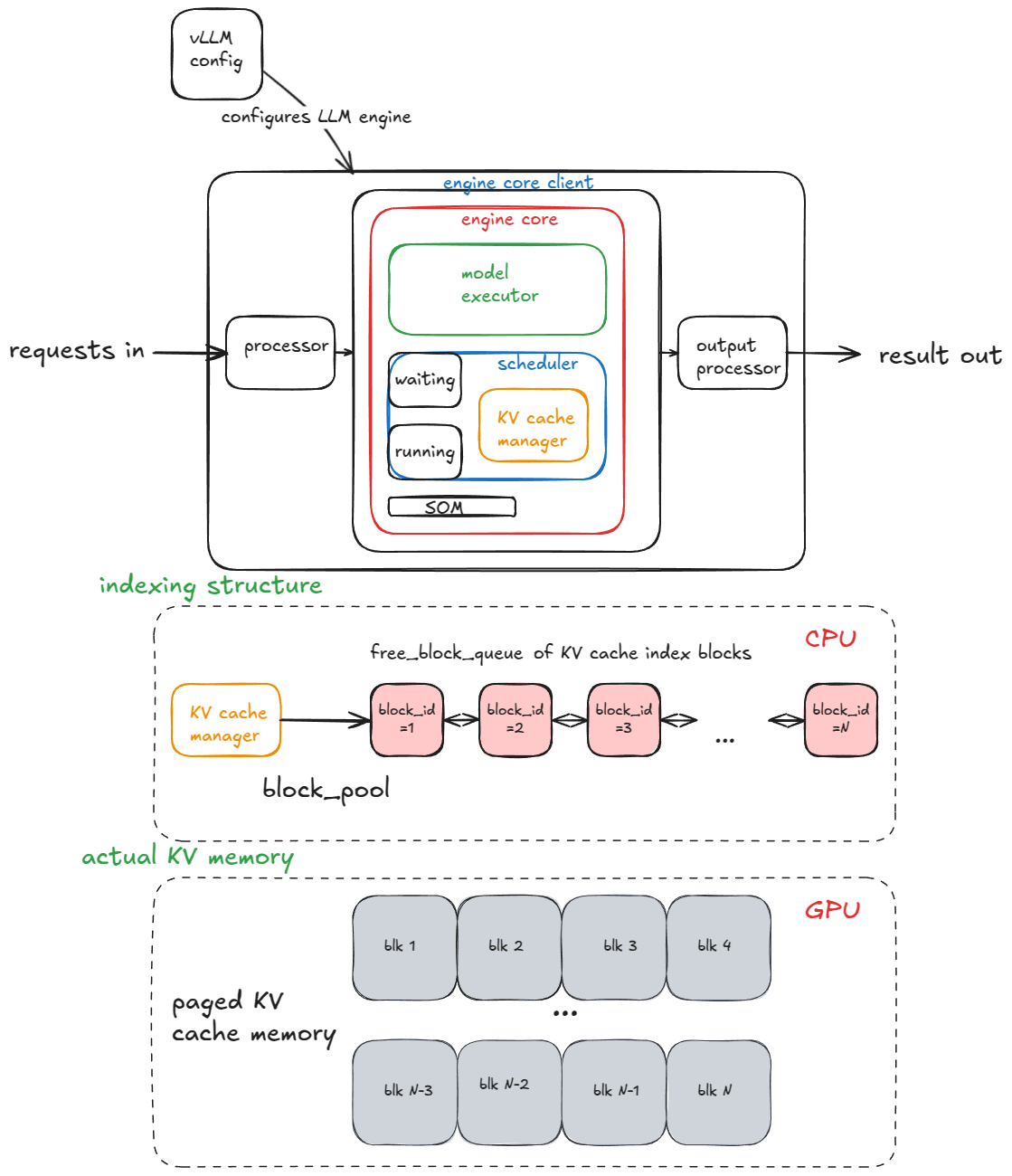
A new technical deep dive explores the internal architecture of vLLM, a high-throughput LLM inference system designed for massive scale. It breaks down core performance optimizations including paged attention, continuous batching, prefix caching, and speculative decoding. Additionally, the article examines how the platform enables dynamic serving across multi-GPU and multi-node environments.
Comments