Programming Tech News
2026-06-20
A hobbyist developer is reverse engineering the original binaries of the 1989 DOS game F-15 Strike Eagle II to recreate its C source code. The project creator is currently seeking volunteer DOS test pilots to help playtest and verify the reconstructed software.
Comments

I Stored a Website in a Favicon
2026-06-20A developer has successfully stored and rendered an entire website within the tiny image file of a browser favicon by leveraging data URIs and creative encoding techniques. This technical stunt bypasses traditional web hosting methods, highlighting the creative extremes of web development and the hidden capabilities of modern browsers.
CommentsAlthough simplified mathematical models assume idealized traffic patterns, real-world load-balanced systems must account for correlated bursts that require costly over-provisioning to ensure peak reliability. To avoid reliance on expensive cloud auto-scaling, engineers recommend adopting asynchronous architectures or intentionally shedding non-essential features during traffic spikes. The discussion also highlights the organizational dangers of management pushing for near-perfect server utilization, which mathematically guarantees system failure and degraded user experiences.
CommentsAfter six years of effort and 360 patches, the Linux kernel has officially eliminated the strncpy API in the Linux 7.2 release. This deprecated function has long been considered error-prone and a potential source of security vulnerabilities. Its removal marks a significant milestone in improving overall code reliability and system safety.
CommentsAlice is impatient
2026-06-20Traditional per-request latency metrics like averages and p99 often fail to capture the true user experience because they can mask severe performance issues affecting specific individuals. To ensure high reliability, developers are encouraged to shift toward measuring the percentage of unique users who encounter unacceptable delays. This user-centric perspective provides a much more accurate reflection of actual service quality than optimizing overall request times alone.
Comments
Egyptian Fractions (2006)
2026-06-20This retrospective piece from Mark Dominus's eclectic blog revisits a 2006 exploration of the algorithmic computation and mathematical history of Egyptian fractions. The article details how these ancient numerical systems, which express values as sums of distinct unit fractions, continue to offer valuable insights for modern computational problem-solving.
CommentsA Perceptron in Age of Empires II
2026-06-20Readers are debating a research paper's claim that studies asking whether large language models possess anthropomorphic traits inherently assume those traits exist. The discussion centers on the semantic distinction between questioning a possibility and making a logical assumption, highlighting the difficulty of evaluating AI without falling into logical fallacies. Ultimately, participants note that the lack of precise terminology for AI behavior forces researchers to rely on misleading human analogies that can confuse the public.
Comments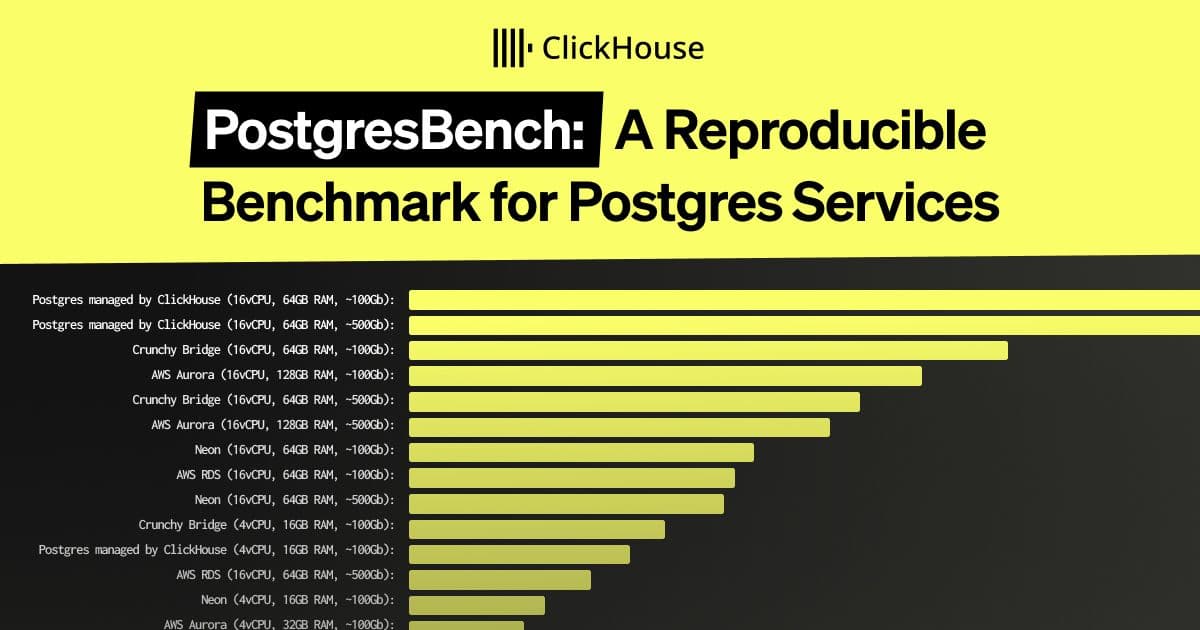
ClickHouse has launched PostgresBench, an open and reproducible benchmark designed to evaluate and compare various managed Postgres database services. The new tool provides transparent performance metrics, specifically highlighting how ClickHouse's managed Postgres offering stacks up against its industry peers.
CommentsBun has opened a pull request on the oven-sh/WebKit GitHub repository to add shared memory thread support to the JavaScriptCore engine. This proposed enhancement aims to improve the JavaScript runtime's multithreading performance and overall concurrency capabilities.
CommentsA new open-source project called make-look-scanned transforms digital PDF files to resemble physical document scans. The tool is available for local use via a command-line interface or directly within the browser using WebAssembly.
Comments
The digital representation of Arabic script has faced persistent technical challenges since the early days of computing due to the language's complex historical development. This article series explores the root causes of these rendering issues and examines the various technological solutions developed to accurately display the text.
Comments
This brief tech culture piece challenges new industry entrants to look beyond merely completing assigned tasks. It serves as a provocative welcome, suggesting that new hires are expected to think critically and contribute to broader problem-solving rather than just acting as ticket-closers.
Comments2026-06-19
After a decade of extensive development, Project Valhalla is finally being integrated into JDK 28. This long-awaited update marks a significant milestone for the Java Virtual Machine ecosystem. However, the rollout introduces nuanced changes that developers will need to carefully navigate.
Comments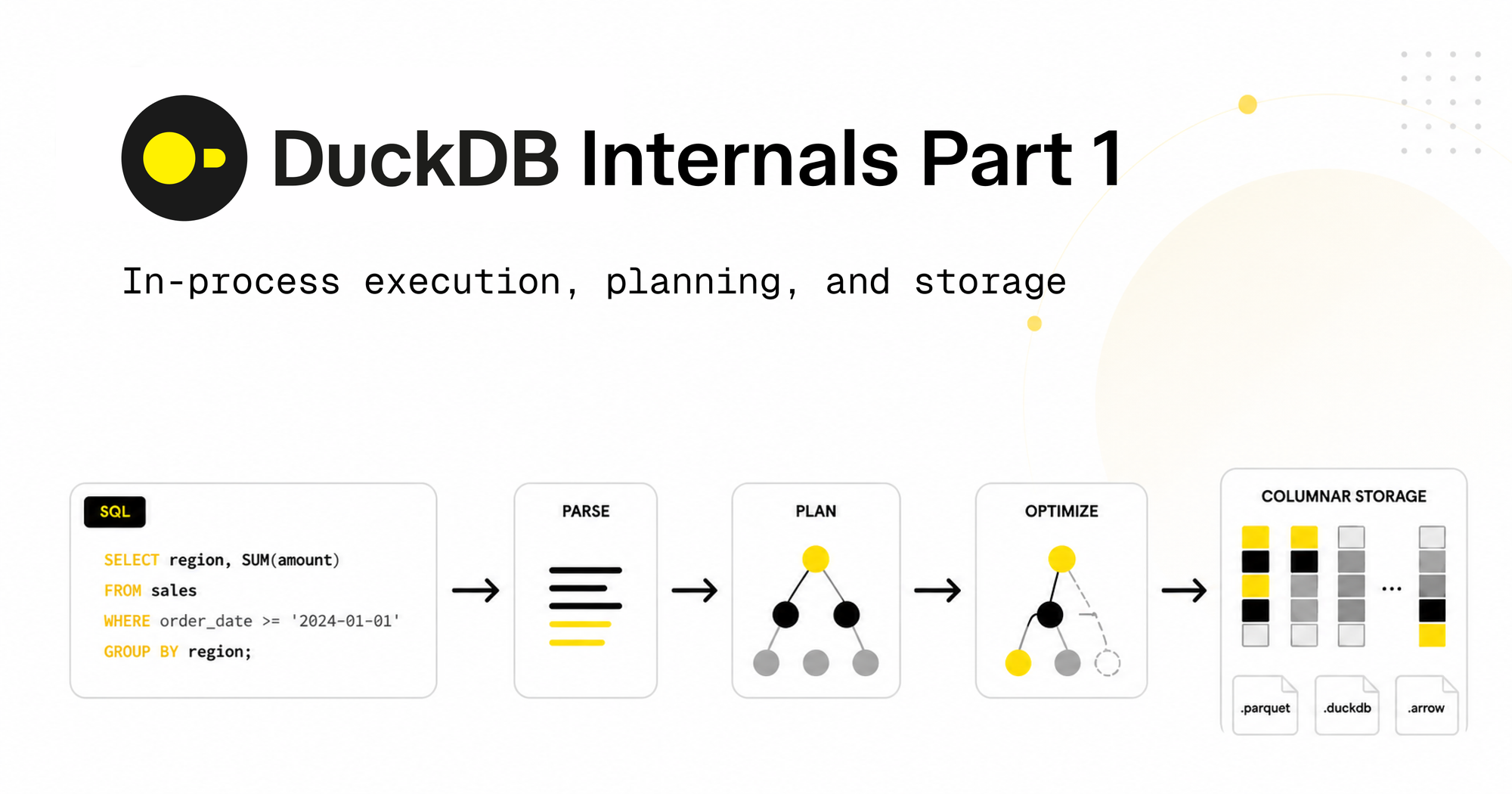
DuckDB Internals Part 1
2026-06-19The first installment of a new series explores the internal architecture of the DuckDB analytical database, detailing how it bypasses serialization overhead and efficiently optimizes SQL queries. The article also explains the system's data storage mechanisms, specifically its use of columnar row groups and zone maps for rapid data retrieval.
Comments
Ten years of ClickHouse in open source
2026-06-19ClickHouse is celebrating its tenth anniversary since being released as an open source project in June 2016. Over the past decade, it has evolved into the most popular open source analytical database, supported by a thriving community of more than 2,000 contributors.
Comments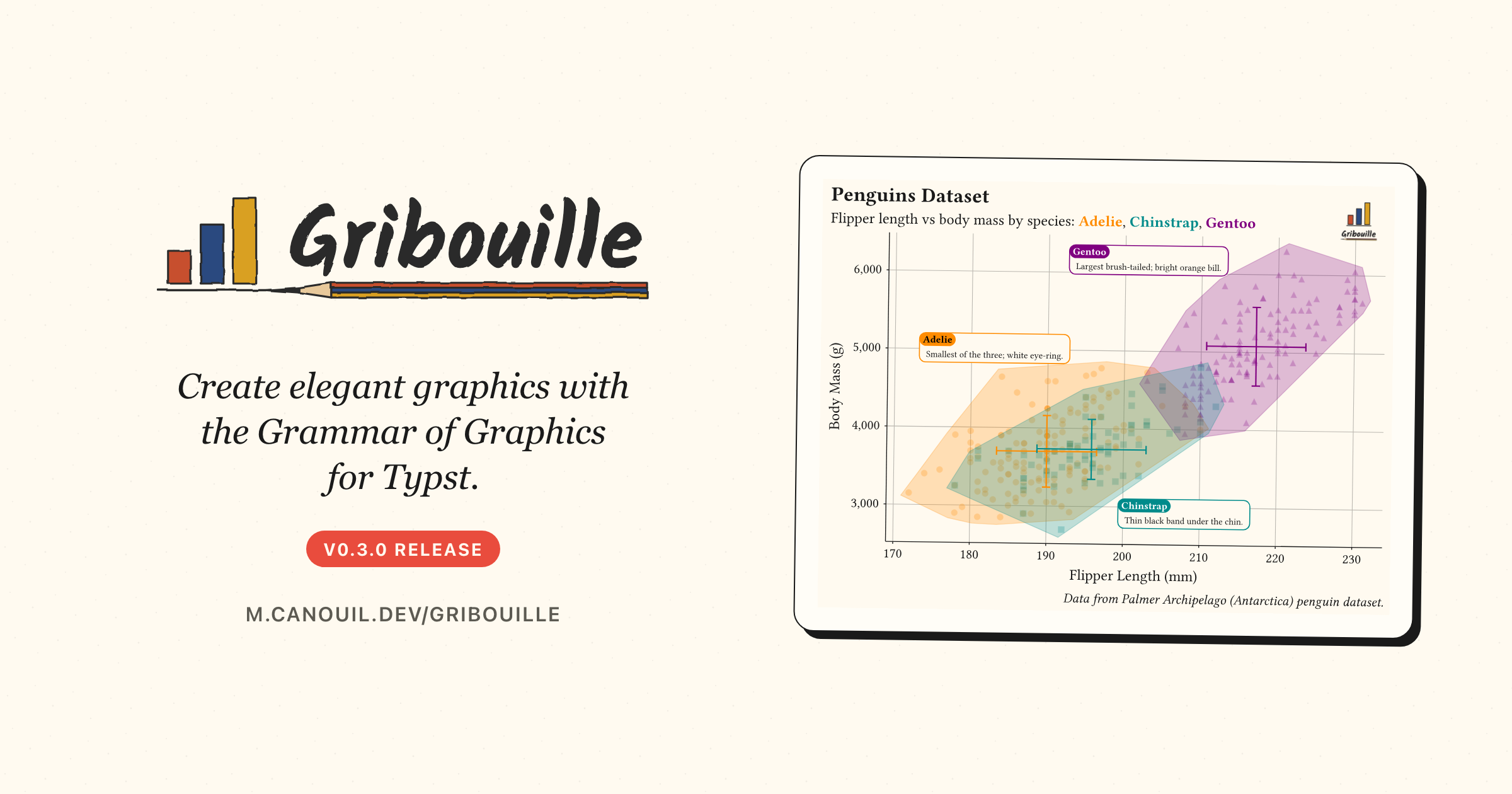
Gribouille 0.3.0, a grammar of graphics library for Typst, has been released with several functional improvements. The update introduces finer toggles for guides and axes, theme support for the compose function, and default stacking for the area geometry. Additionally, this version resolves multiple issues related to legends and annotations.
CommentsMetiq is a new interactive 3D globe platform that visualizes 100 public datasets, enabling users to explore real-time global information like power stations and live space station feeds. Although users highly praise its engaging visual experience and satellite views, they note several technical flaws including data inaccuracies and a lack of mobile responsiveness. The developer acknowledges this feedback and highlights that the project's main development challenges centered on backend database and caching strategies.
Comments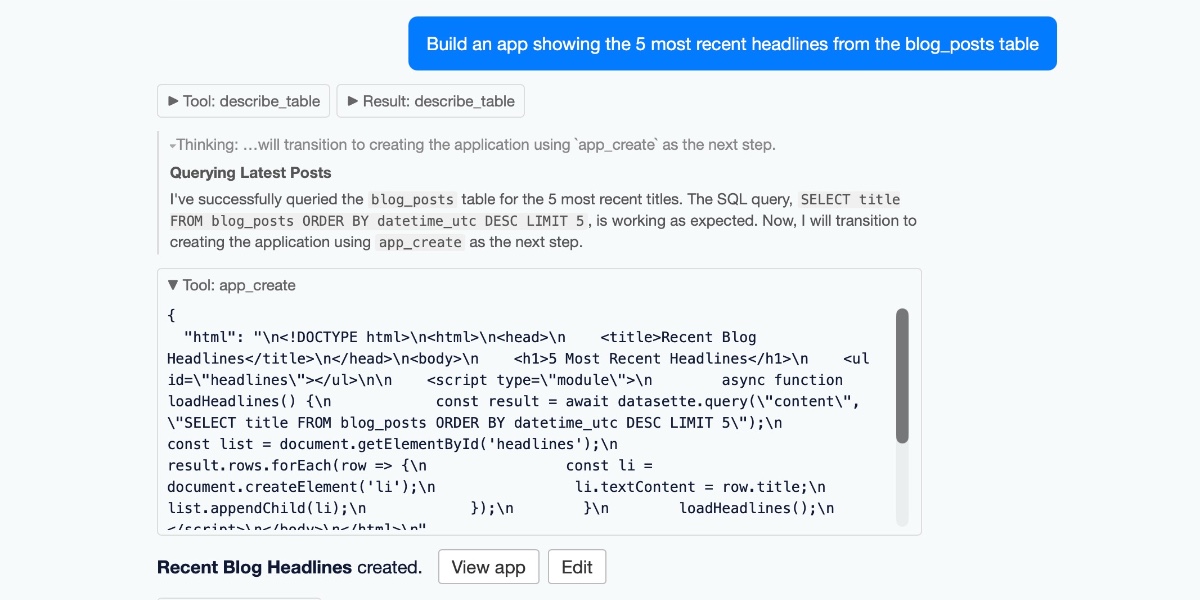
Datasette has launched a new plugin called datasette-apps that enables users to host custom HTML applications directly within the platform. This update expands the tool's capabilities beyond data exploration and was officially detailed in a recent project blog post.
CommentsTalos is a new open-source WASM interpreter written in Lean, designed specifically to facilitate formal reasoning and verification. The project is currently hosted on GitHub and is open for community contributions.
Comments
So You Want to Define a Well-Known URI
2026-06-19This piece outlines the appropriate use cases for defining well-known URIs in web protocol design. It also highlights the common architectural pitfalls and traps that frequently catch developers when implementing these standardized endpoints.
CommentsAmid a growing memory shortage, major tech companies are increasingly prioritizing code optimization to reduce RAM requirements, though developers emphasize that fixing basic inefficiencies remains more practical than algorithmic rewrites. Meanwhile, the discussion highlights the tech industry's heavy reliance on AI for code generation, sparking debate over the actual success and quality of these machine-written projects across major platforms.
Comments2026-06-18
A security researcher discovered approximately 10,000 unique GitHub repositories distributing Trojan malware by identifying a shared underlying pattern among them. Despite having different names and contributors, an automated script was used to successfully flag the malicious repositories across the platform.
CommentsReaders discussing the Advanced Compilers online course note that while trace compilation is conceptually interesting, it is largely impractical for general-purpose dynamic languages due to unpredictable control flow. They highlight the curriculum's focus on type feedback, deoptimization, and speculation as more universally applicable concepts for modern compiler design. However, they acknowledge that trace compilation remains highly effective in narrow, stable domains like numerical computing and machine learning frameworks where code behavior is highly predictable.
Comments
While .gitignore is the standard method for excluding files in Git, developers actually have two other practical options. You can use .git/info/exclude to set repository-specific rules without tracking them, or rely on ~/.config/git/ignore to apply global exclusion rules across all your local projects.
Comments
As the release of Emacs 31 approaches, a recent blog post highlights the key new features and workflow improvements the author is currently testing in his daily routine. The article provides practical insights into how these upcoming updates function in real-world scenarios for long-time users. It serves as a useful preview for the community looking to optimize their productivity with the next major version of the text editor.
CommentsClojure Hosted on Go
2026-06-18The Glojure project introduces a new Clojure interpreter hosted directly on the Go programming language. It provides developers with extensible interoperability support to seamlessly integrate Clojure code within Go-based ecosystems.
Comments
YC P26 startup TesterArmy has launched an automated testing platform that uses agents to evaluate web and mobile applications. The service eliminates the need for developers to maintain manual test scripts by automatically generating comprehensive bug reports, screenshots, and recordings.
CommentsI hate compilers
2026-06-18This technical piece explores the frustrating complexities of software compilation and the challenge of achieving deterministic builds. It highlights why feeding identical bytes into a compiler often fails to produce the exact same output bytes. The author explains the hidden variables and non-deterministic behaviors that make compiler reproducibility much more complicated than developers might expect.
CommentsAlthough RTK promises significant token savings for coding agents via raw terminal compression, its actual benefits are misleading. The author argues that simply shrinking token counts creates an illusion of progress that fails to guarantee cheaper, safer, or more accurate software engineering.
Comments