Programming Tech News
2026-06-15
A backdoor in a LinkedIn job offer
2026-06-15Hackers posed as LinkedIn recruiters to infiltrate a cryptocurrency repository through a sophisticated social engineering campaign. During the fake interview process, the attackers delivered a remote code execution payload concealed within a standard test file. This incident underscores the ongoing threat of targeted malware disguised as routine developer tasks.
Comments
Developers on Hacker News are sharing positive experiences replacing proprietary AI coding assistants with local, offline models like Qwen to prioritize data privacy and eliminate subscription costs. Although users note that local models require more precise prompting and act more like junior developers than frontier models like Claude, they still provide a substantial productivity boost for free. The community is also actively troubleshooting technical hurdles, such as context caching inefficiencies, by optimizing inference backends and preserving reasoning traces.
Comments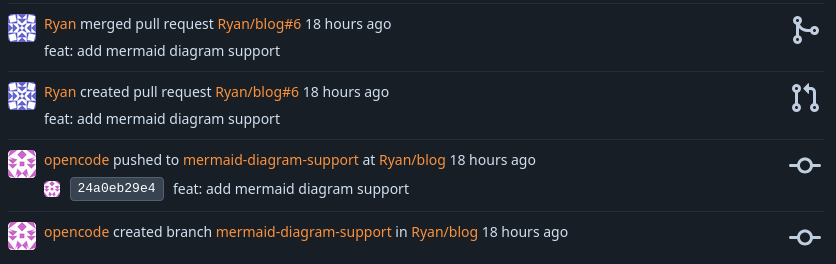
My Homelab AI Dev Platform
2026-06-15A recent project highlights the creation of a personal homelab AI development platform through the self-hosting of OpenCode Web. This implementation enables the developer to manage and deploy infrastructure updates using a streamlined GitOps workflow.
CommentsEven more batteries included with Emacs
2026-06-15A recent article explores how Emacs continues to expand its built-in features to offer a more complete out-of-the-box experience. Rather than just detailing technical updates, the author reflects on the practical applications of these enhancements for personal productivity. Specifically, the piece highlights how the editor serves as an ideal environment for collecting notes and using the act of writing to clarify complex thoughts.
CommentsApple Foundation Models
2026-06-15Apple has introduced the Foundation Models framework to provide a standardized way for developers to integrate AI capabilities into their applications. Through the newly available Claude for Foundation Models Swift package, programmers can now seamlessly run Anthropic's Claude across all Apple platforms.
Comments
The curl project will pause all vulnerability reporting for the entire month of July 2026 to give maintainers a designated break. Dubbed the summer of bliss, the initiative will disable its HackerOne submission form starting July 1. Normal security disclosures and vulnerability handling will officially resume on August 3.
CommentsGame Engine White Papers: Commander Keen
2026-06-15A recent article about John Carmack's Commander Keen game engine is facing severe backlash for plagiarizing content from the book Masters of Doom and relying on AI-generated writing. Despite the article's ethical flaws, the reader discussion highlights the historical significance of Carmack's smooth scrolling breakthrough on the PC. Commenters also drew technical comparisons between Carmack's PC optimization and similar cycle-exact scrolling tricks used on the Commodore 64.
Comments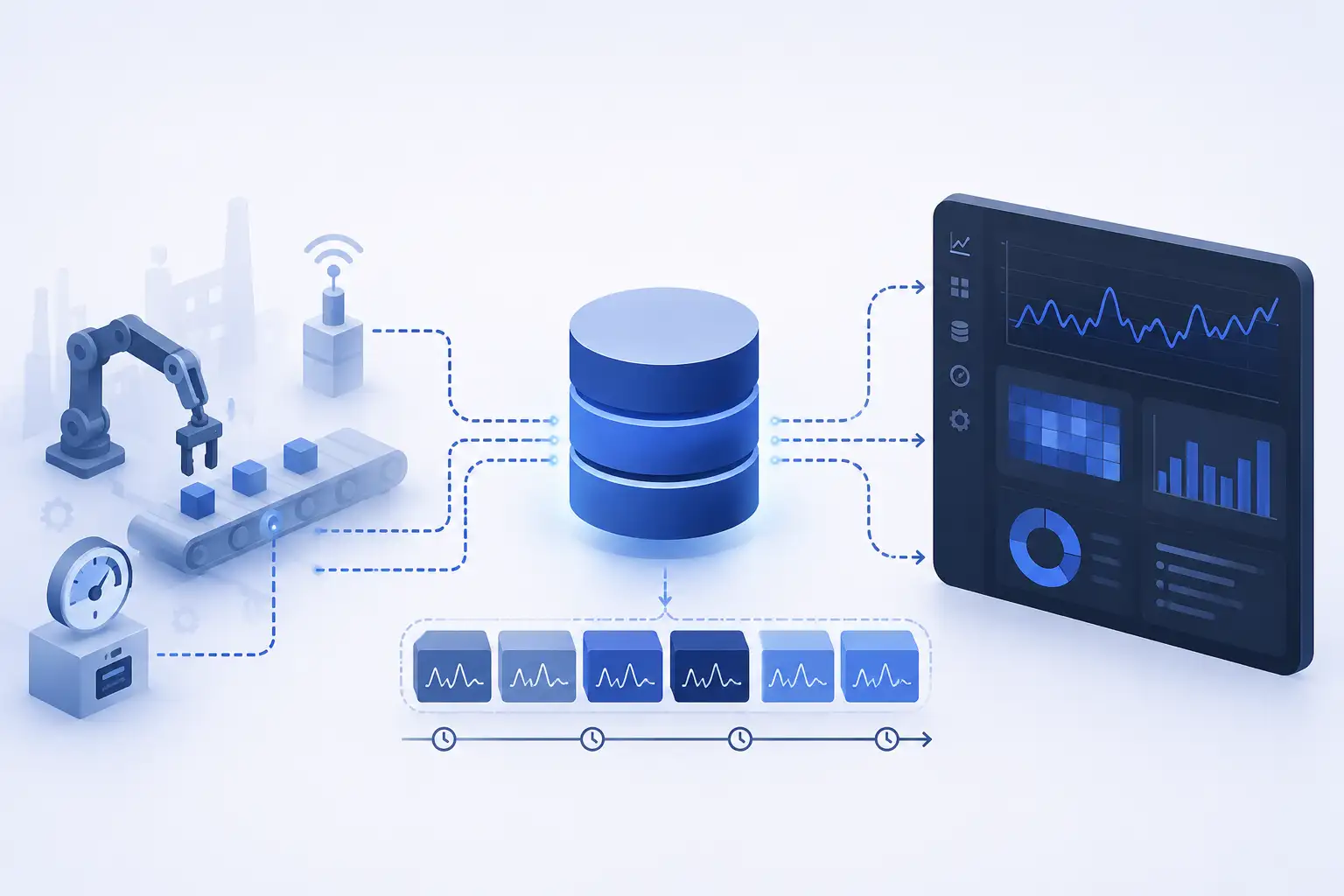
TimescaleDB leverages hypercore columnar storage to achieve up to a 98% data compression ratio directly within PostgreSQL. Users can optimize this process using configurable segmentby and orderby settings. Recent benchmarks highlight the platform's high performance and storage efficiency specifically for IoT and time-series workloads.
CommentsDrawing from recent conversations with multiple engineering teams, the author shares key insights into the tech industry's actual adoption of Kubernetes. The piece explores the notable gap between how companies advertise Kubernetes skills in job descriptions and how they practically utilize the technology.
CommentsBitsy
2026-06-15The indie game engine Bitsy is praised by its community for its refreshing retro pixel art aesthetic and its ability to create charming, story-driven experiences. While users enjoy making small games with the tool, some note that its simplicity can become frustrating for larger, text-heavy projects. Readers frequently compare the engine to similar alternative creative platforms like Pico-8 and Playdate's Pulp.
Comments
What happened to nerds?
2026-06-15The author reflects on the brilliant, curious, and eccentric nerds who originally shaped the tech industry. The piece questions what has happened to these thoughtful individuals as the sector has evolved. By contrasting the pioneers of the past with today's environment, it explores the broader cultural shift that has transformed modern technology.
CommentsJohn Novak's widely read 2016 blog post breaks down the complex mathematics and history of gamma correction in digital imaging. The article explains why a fundamental understanding of gamma is crucial for programmers to ensure accurate color blending, rendering, and overall visual fidelity in their software.
Comments
Despite over two decades of technological progress, the eight classic fallacies of distributed computing continue to challenge software developers today. This piece revisits these persistent, false assumptions about network reliability and performance to explain what they are and how they still impact modern system design.
Comments
A new project showcased on Hacker News provides a centralized hub for discovering the platform's most popular community content. The tool aggregates trending Wikipedia articles, top YouTube videos, and Hall of Fame entries alongside the standard news reader. This dashboard offers users a streamlined way to explore and revisit the most notable media and discussions shared by the community.
CommentsPyTorch has released version 0.14 of TorchCodec, its media decoding and encoding library. The new update introduces HDR video decoding support for both CPU and CUDA architectures. Additionally, the release includes a newly optimized fast WAV decoder to enhance audio processing workflows.
Comments2026-06-14
Kage is a new tool that allows users to archive any website into a single binary file for offline viewing. It creates this standalone file by shadowing the target site and automatically stripping out all JavaScript.
CommentsFirewood Splitting Simulator
2026-06-14A newly released web project called Firewood Splitting Simulator allows users to chop virtual logs in an interactive 3D environment. Built using the Three.js graphics library, the experience turns a mundane chore into a visually satisfying digital escape. Users can access the relaxing simulation directly within their browser without needing to download any additional software.
Comments
This article examines the future of formal methods in software development. It highlights a retrospective from Jane Street, reflecting on the organization's long-standing disinterest in formal verification techniques over the past two and a half decades.
CommentsThe solo developer behind the city-builder game Microlandia reported to the Hacker News community that the indie title has sold nearly 10,000 copies since its launch. The creator is now collaborating with freelance artists to improve the visuals while adding complex new mechanics for energy modeling and universal basic income. Readers responded with strong support, offering technical help and asking detailed questions about the game's economic simulations and distribution process.
Comments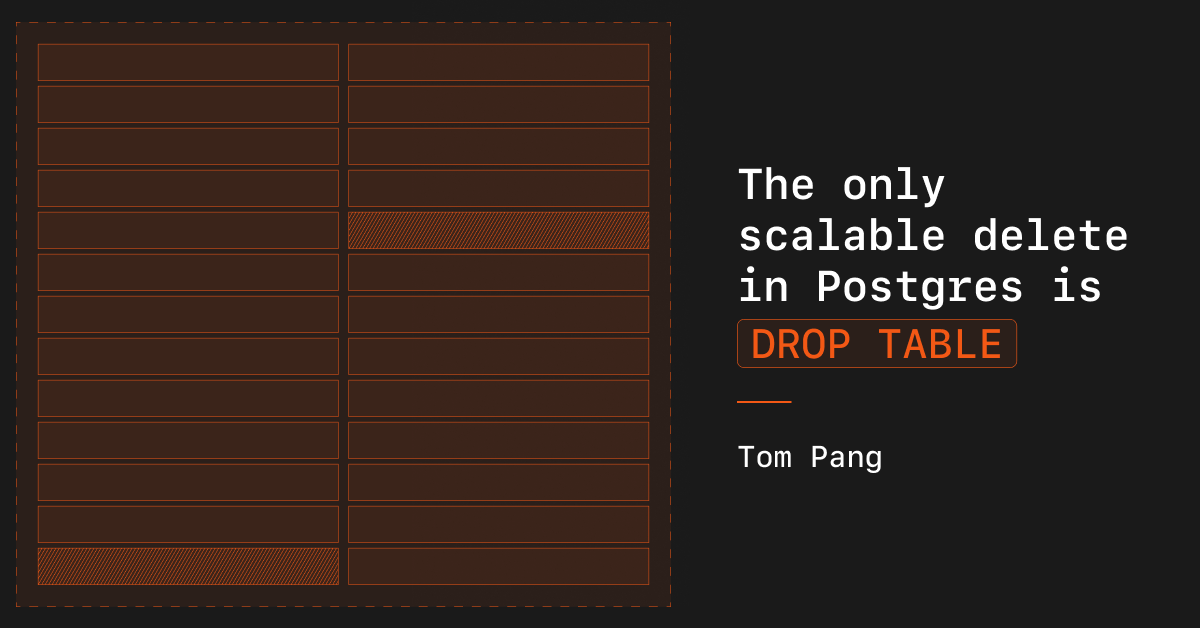
Executing large DELETE operations in PostgreSQL creates unnecessary overhead instead of efficiently freeing up resources. For scalable data removal, developers should restructure their databases to utilize the much more efficient DROP TABLE or TRUNCATE commands.
CommentsZeroserve claims its Caddy-compatible architecture delivers three times the throughput and 70% lower latency. However, readers criticize the project for lacking essential ecosystem features like ACME and plugins compared to NGINX, despite its cleaner codebase. Additionally, discussion highlighted security concerns over a mutual TLS implementation that unexpectedly prompts users for personal client certificates in web browsers.
CommentsPerlisisms (1982)
2026-06-14A recent discussion highlights the enduring relevance of Alan Perlis's classic 1982 programming epigrams in the modern era of large language models, emphasizing how programming languages fundamentally shape human thought. The conversation also underscores his timeless warning that in human-computer symbiosis, it is ultimately the human who must adapt to the machine, rather than expecting the machine to adapt to natural language.
CommentsThe Birth and Death of JavaScript (2014)
2026-06-14Although the original 2014 article The Birth and Death of JavaScript is unavailable, reader discussions highlight the language's notorious quirks, ranging from confusing type coercion and arrays functioning as exotic objects to the eternal debate over using null versus undefined. Ultimately, the conversation underscores the ongoing frustration and dark humor programmers experience when navigating the language's unpredictable and deeply ingrained design flaws.
Comments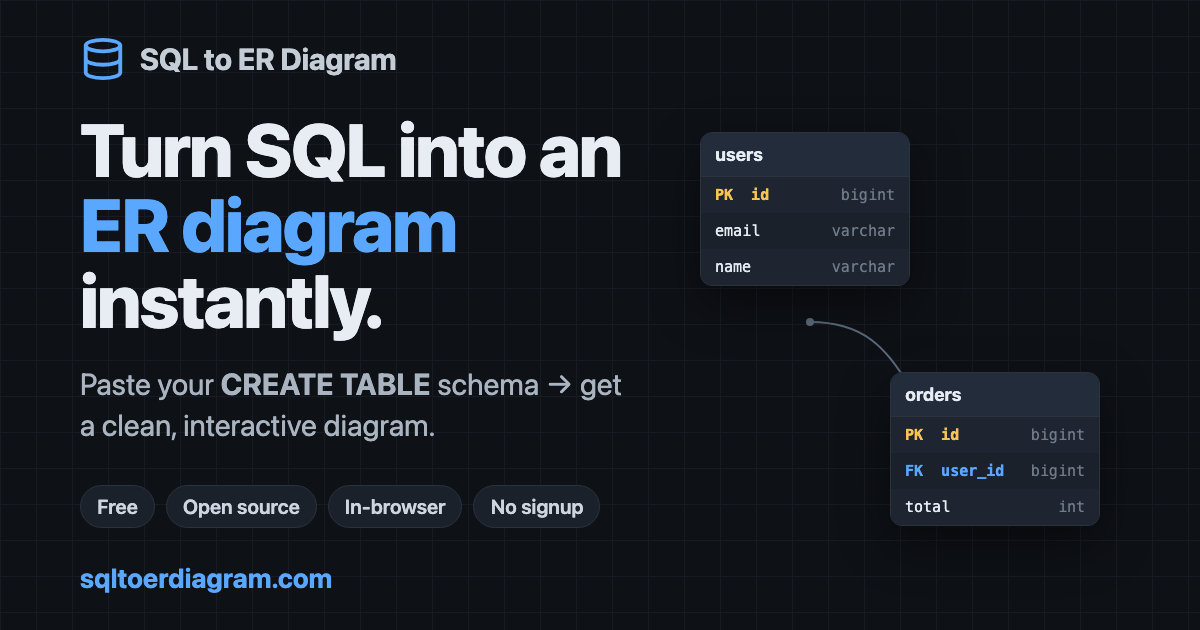
A new free, browser-based tool enables developers to instantly convert SQL and other schema formats into visual ER diagrams. The application supports inputs like Prisma, DBML, and standard DDL statements to quickly visualize database schemas. It requires no signup and ensures complete privacy by not uploading any data outside the browser.
CommentsReactOS is an open-source operating system designed to provide binary compatibility with Microsoft Windows programs and drivers. The project recently achieved a major milestone by successfully running the classic game Half-Life with 3D acceleration on real hardware. This accomplishment highlights the platform's growing capability to support legacy Windows software and gaming.
CommentsLisp's Influence on Ruby
2026-06-14Despite its distinct syntax, Ruby heavily incorporates foundational Lisp concepts through its functional programming features like blocks and higher-order methods. The article highlights how everyday Ruby method chains rely on underlying Lisp principles, such as lambdas, even though traditional elements like parentheses and prefix notation have been removed.
CommentsFreeOberon is an open-source, cross-platform integrated development environment designed for the Oberon programming language. It features a classical pseudo-graphic interface that closely mimics the nostalgic look and feel of Free Pascal and Turbo Pascal.
CommentsChaosnet (1981)
2026-06-14Original documentation for the 1981 Chaosnet local area network protocol has recently been archived online for developers and computing historians. The master file for this early networking standard is now available on GitHub under the Chaosnet/amber repository. This release provides valuable insight into the foundational technologies of early local area networking.
CommentsLinux 7.1
2026-06-14Linux 7.1 is removing obsolete code, including old ISDN network drivers, to reduce the influx of AI-generated bug reports targeting rarely used hardware. The developer community has widely praised this cleanup effort as a highly beneficial consequence of AI that helps trim unnecessary cruft from the kernel.
Comments