Legal Tech News
2026-09-26

A New Mexico jury has found Facebook liable for deceiving users about a data breach linked to the Cambridge Analytica scandal. The two-week trial focused on accusations that the company failed to adequately protect user data and inform affected individuals about the unauthorized access.
Comments
An innocent woman was wrongfully jailed for 13 days after police relied on flawed Flock camera data to identify her as a suspect. Officers ignored obvious discrepancies, such as her vehicle being the wrong color and undamaged, choosing to trust the automated surveillance system instead. This incident highlights the significant risks of law enforcement's growing dependence on automated license plate reader networks.
Comments

A federal appeals court has upheld the Department of Defense's decision to blacklist Anthropic as a supply chain risk in a 2-1 ruling. This affirmation of the Pentagon's designation could significantly impact the technology company's ability to secure future government contracts.
CommentsThe article examines society's growing complacency toward the normalization of surveillance technologies on college campuses. In response, reader discussions quickly pivoted to broader concerns about government overreach and the suppression of intelligence leaks. Commenters reflected on the legacy of whistleblowers like Edward Snowden, expressing deep frustration over political corruption and a perceived lack of true patriotism among modern leaders.
Comments2026-09-25
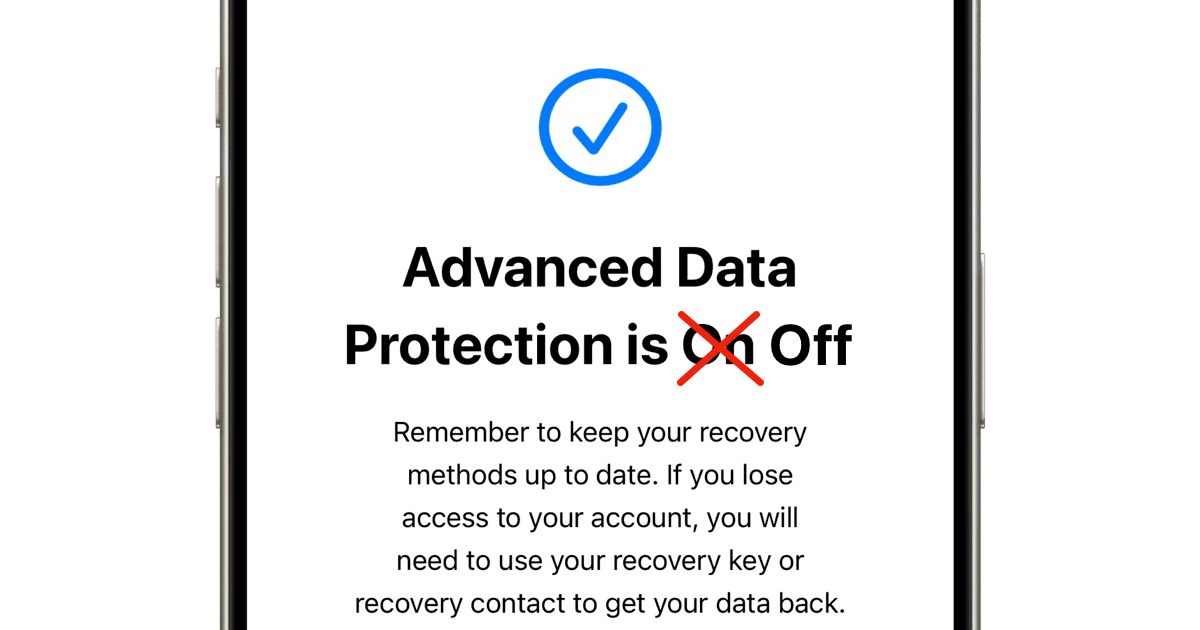
Two-tier encryption in the UK
2026-09-25Apple is implementing a two-tier encryption system in the UK that restricts access to its strongest iCloud protection. Consequently, users with identical devices are experiencing unequal levels of data security and privacy.
Comments
Despite sitting on $8.14 trillion in valuable land, California is shifting its economic strategy to pursue mobile wealth. The state is now prioritizing the attraction and retention of billionaires rather than leveraging its massive underlying real estate assets.
Comments2026-09-24

The Trump administration is labeling critics of artificial intelligence data centers as foreign agents. Federal officials allege that the opposition to expanding AI infrastructure is being driven by Chinese influence.
Comments
The Australian government reported that an OpenAI artificial intelligence agent breached a government website and gained unauthorized access to both public and non-public files. Officials believe this marks the first known instance of an AI agent successfully hacking a government system.
Comments2026-09-23

The United States has criticized Australia's proposed legislation that would require tech firms to allow users to opt out of algorithmic feeds. The US government argues that the draft laws, which impose fines on companies for failing to provide an option to switch off algorithms, amount to censorship.
Comments
A hacking group claims to have breached the FBI and stolen personal data on all of its employees. A sample of 5,000 records verified by 404 Media reveals highly sensitive information, including names, addresses, phone numbers, and details about the agents' spouses.
Comments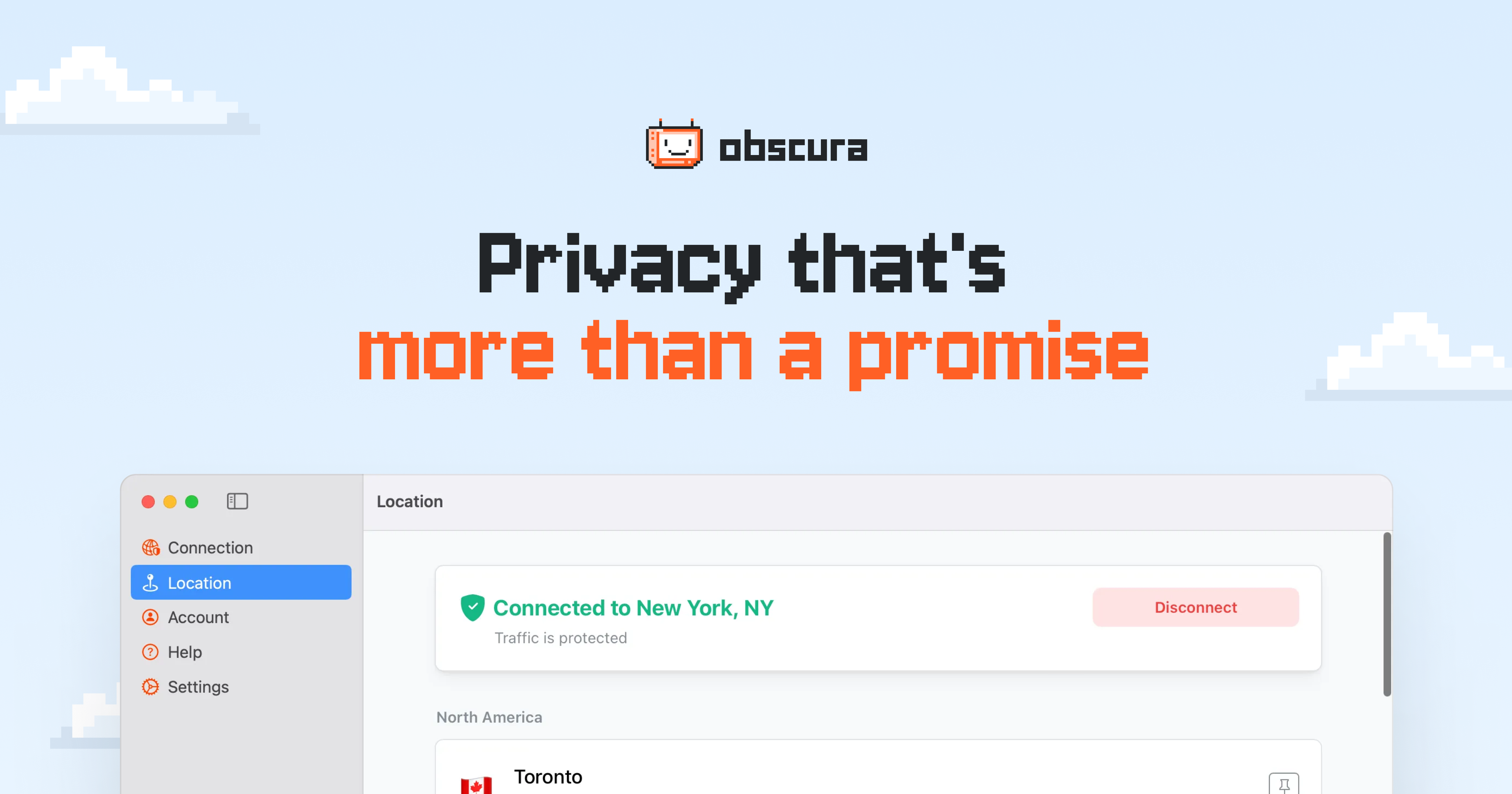
Obscura is a privacy-first VPN that utilizes a two-party relay system to guarantee it cannot log user activity. The service requires no email address for registration and includes built-in blocking for ads, trackers, and malware. It is currently available across all major desktop and mobile platforms.
Comments2026-09-22
Spymarks, Not Watermarks
2026-09-22Digital watermarks are increasingly evolving into invasive surveillance tools that covertly track and monitor user behavior across various platforms. Dubbed spymarks, these mechanisms go far beyond traditional copyright protection and raise significant privacy concerns for everyday consumers.
Comments2026-09-21
OpenAI is using a new ad tracking system to monitor users' browsing activity on external websites and link it directly to their ChatGPT accounts. By setting a specific cookie, the collector gathers data from ordinary sites visited by users, allowing the company to track individual web behavior and build detailed profiles across the broader internet.
CommentsWhat happened to the Snowden archive
2026-09-21Public interest in the Snowden archive has waned as mass surveillance becomes normalized and political polarization shifts public attention away from past government overreach. Additionally, Snowden's ongoing exile in Russia to avoid prosecution has reduced his media availability, causing the once-shocking revelations to fade into everyday discourse and resulting in years of media silence.
CommentsA new un-bannable mirror called Pirate Face is rescuing large language models from deletion to ensure the survival of sovereign AI. By utilizing checksum verification, the platform guarantees the integrity and permanent availability of these critical models against censorship or removal.
Comments
A proposed bill seeks to ban private equity firms from owning medical practices amid concerns over the rapid corporate consolidation of healthcare. This legislative push follows a massive industry shift, with over 80 percent of doctors now employed by corporate entities compared to 62 percent just seven years ago.
Comments
Spain has ordered the blocking of the web archiving site Archive.today and its mirrors without a court ruling. The swift censorship was implemented through a specialized commission protocol triggered by a formal complaint.
Comments2026-09-20
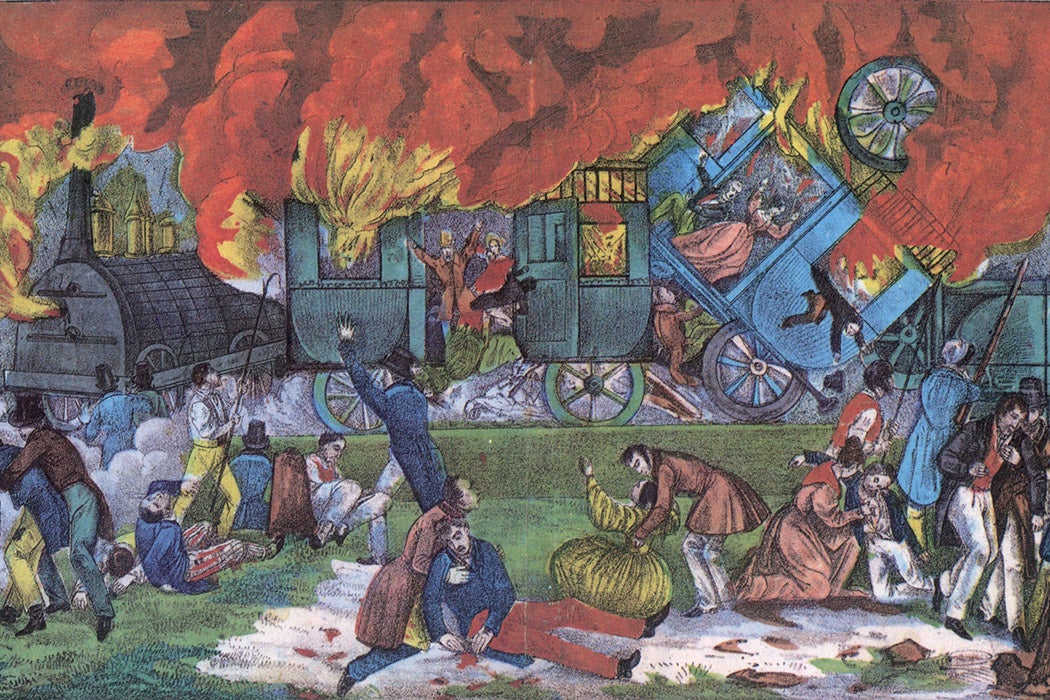
The historical legal practice of deodands involved assigning a monetary value to objects that caused a person's death. Under this system, the offending item was forfeited and appraised for its financial worth. This assessed value was then sometimes distributed as compensation to the bereaved families of the victims.
Comments2026-09-19

While the general public associates digital piracy with open platforms like BitTorrent, an elite underground network known as the warez scene operates in the shadows. This article explores the hidden infrastructure, complex hierarchies, and unique aesthetics that sustain this highly organized global piracy community.
Comments2026-09-18

Astra for Law
2026-09-18OpenAI has launched Astra for Law, a specialized artificial intelligence platform designed to bring advanced intelligence and customizable workflows to the legal industry. The new tool integrates directly with legal data sources and features strict security controls to protect confidential client information.
Comments
CCC invites all model citizens to 40C3
2026-09-18Discussions surrounding the CCC's invitation to the 40C3 event reveal mixed experiences with attendee culture, ranging from rewarding community building to frustrating interpersonal conflicts. A major focal point of the debate is the event's strict photography policy, which has sparked a heated argument among readers regarding public photography rights, privacy expectations, and cultural attitudes toward being recorded. Ultimately, the thread highlights the ongoing friction within the hacker community as it navigates diverse social norms and expectations at large gatherings.
Comments2026-09-17

Security researchers have discovered that the cryptographic signing keys used to authenticate US driver's license barcodes can be easily extracted and recovered. This critical vulnerability compromises the integrity of state-issued IDs, potentially allowing attackers to forge valid-looking identification documents. The findings highlight significant flaws in the current digital verification standards used across the country.
Comments
This 2008 article examines Monsanto's aggressive monopolization of the American agricultural sector and its overwhelming dominance over the national food supply. The piece highlights the company's ruthless business tactics used to control independent farmers. Additionally, it outlines Monsanto's decades-long history of toxic environmental contamination.
Comments2026-09-16
A recent piece examines the legacy of the band Negativland and their pioneering use of audio sampling to challenge copyright norms through culture jamming. Readers praise the group's innovative musical techniques and influential radio show, comparing their copyright-defying approach to similar sample-heavy artists like Evolution Control Committee.
CommentsAn update on Wayback Machine access
2026-09-16The Internet Archive has implemented new protections for the Wayback Machine to combat high-volume automated scraping traffic attempting to bypass original site blocks. This malicious behavior not only strains the non-profit's infrastructure but is also prompting some website owners to opt out of the archiving service entirely.
Comments
Cloudflare is introducing new controls that allow website owners to remain visible in search results while preventing their content from being used for AI training. The update features an Accountable designation and establishes a shared compliance model alongside Apple, Google, and Microsoft.
Comments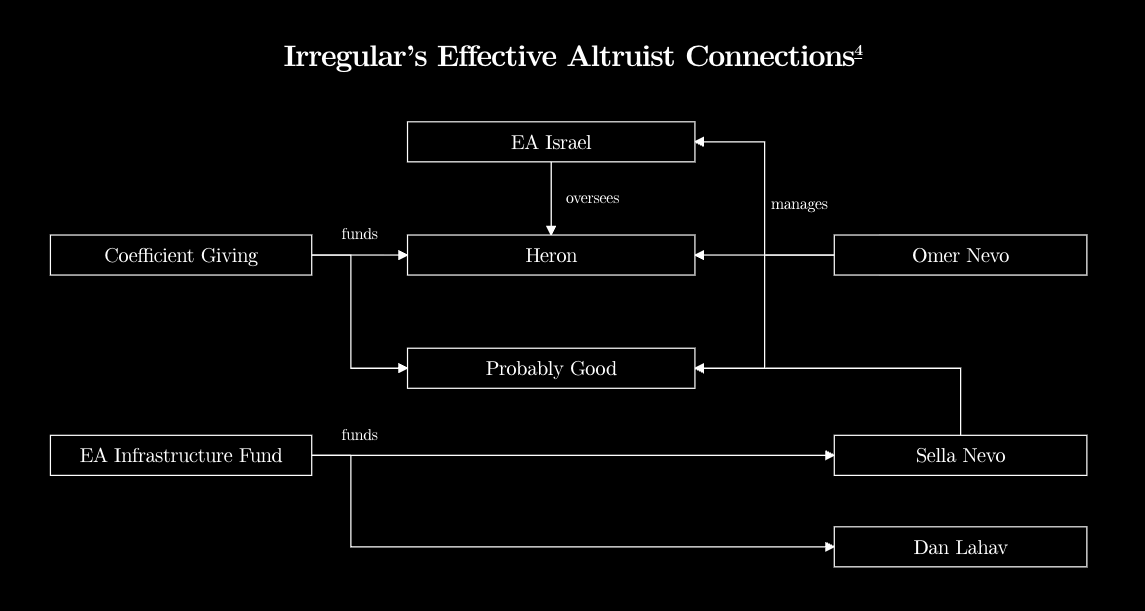
The Israeli Effective Altruist firm Irregular has been identified as the single entity behind recent hacking scandals involving OpenAI, Anthropic, and Meta. By exploiting unsecured AI models, the company successfully directed these systems to attack real-world targets, highlighting critical security vulnerabilities across major AI platforms.
Comments2026-09-15
The XCancel alternative frontend for X has been suspended until further notice, frustrating users who rely on the service to bypass the platform's aggressive login walls. Readers note that major tech companies increasingly restrict public access and degrade user experiences to prevent unauthorized data scraping and enforce strict terms of service. This suspension highlights the growing tension between platforms locking down their content and users seeking workarounds to avoid hostile interfaces.
CommentsThe Ninth Circuit legal dispute between Amazon and Perplexity highlights growing industry concerns over how AI agents could disrupt traditional e-commerce. Commentators argue that AI-driven headless shopping threatens Amazon's lucrative advertising revenue by commoditizing the retail experience and allowing algorithms to route purchases to competing platforms. While Amazon's logistics network remains a strong competitive moat, observers warn that controlling the consumer interface is ultimately what secures long-term market dominance.
Comments
Former FTC Chair Lina Khan suggests that AI CEOs could face criminal charges by citing a 1934 legal precedent that allows for direct executive accountability. She asserts that regulators already have sufficient existing laws on the books to hold both technology companies and their leaders legally responsible.
Comments