Legal Tech News
2026-07-25
A security researcher analyzing the firmware of a Hanwha Wisenet XNP-9300RW security camera discovered it inadvertently shipped with exposed GitHub admin tokens on its login page. This critical oversight could have granted unauthorized access to the device's private source code repositories. The incident highlights ongoing security vulnerabilities present in enterprise and military-grade technology.
Comments
Researchers at MIT CSAIL have developed a system that allows users to design and 3D print three-sided fasteners called Y-zippers. Inspired by an old patent, these custom fasteners can be embedded into various equipment and installations to seamlessly transition the objects between soft and rigid states.
Comments

Nvidia, Microsoft, and Meta are urging policymakers against overregulating open-weight AI models, warning that excessive restrictions could give Chinese competitors a significant advantage. The companies argue that maintaining open development is crucial for preserving American innovation and global competitiveness. Notably, prominent AI developers OpenAI and Anthropic declined to sign the joint letter.
Comments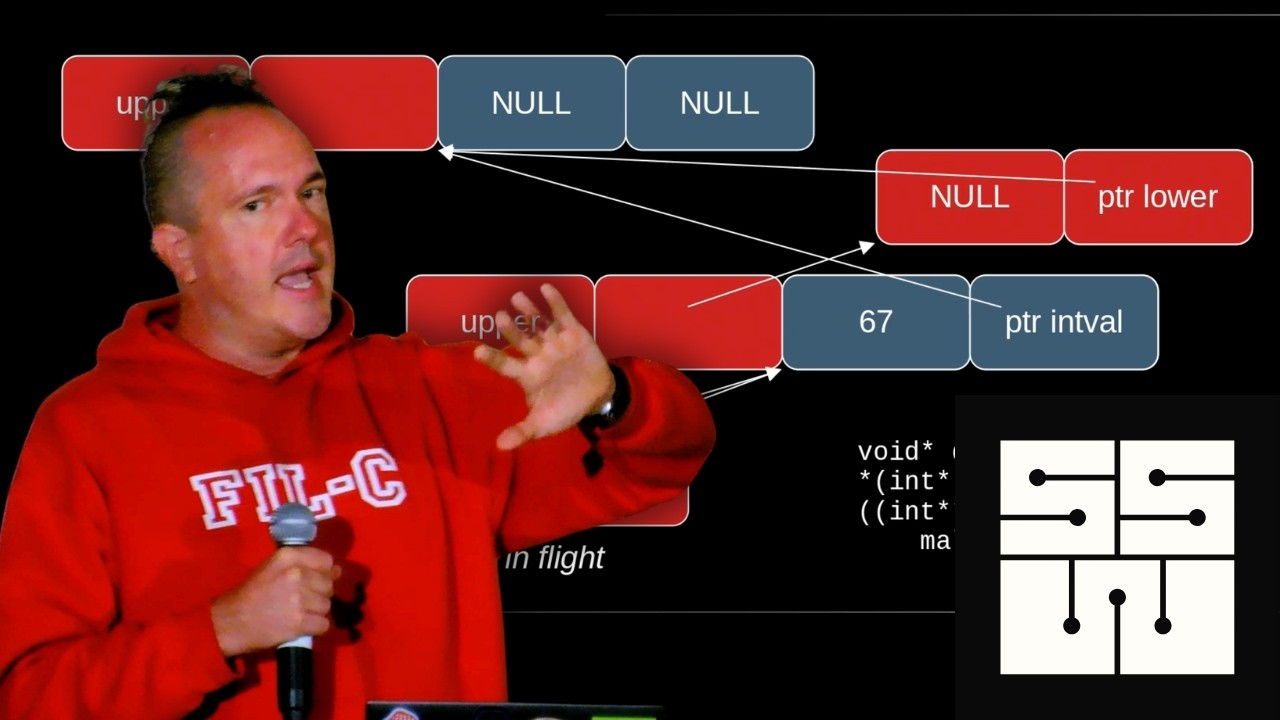
A recent video presentation on Fil-C challenges the conventional wisdom that C and C++ are inherently memory-unsafe systems programming languages. It highlights how simple bugs in these languages can easily be leveraged for critical security exploits. The project demonstrates a novel approach to enforce memory safety, providing a practical solution for securing legacy codebases.
Comments
Jack Dorsey announced that the government has ordered GitHub to remove the Bluetooth-based chat app Bitchat. The application was taken down due to security risks linked to its use by protesters facing internet restrictions.
Comments2026-07-24

Police removed several prominent researchers from the American Diabetes Association meeting after they distributed an editorial criticizing recent policy changes to research funding. The ejection has sparked widespread concern and strong pushback from the broader scientific community regarding the suppression of academic discourse.
Comments2026-07-23
Codeberg Bans Cryptocurrency Projects
2026-07-23Codeberg has updated its official platform documentation to explicitly ban all cryptocurrency projects. The revised policies formalize the organization's new stance, effectively prohibiting developers from hosting crypto-related repositories on the service.
Comments
GitHub is making significant changes to its bug bounty program with a renewed focus on improving the overall experience for security researchers. This restructuring aims to create a smoother and more effective process for identifying and addressing platform vulnerabilities.
Comments2026-07-22
A federal judge has approved a $1.5 billion copyright settlement requiring AI developer Anthropic to compensate thousands of authors. The company will pay writers roughly $3,000 per book for utilizing pirated copies of their works to train its Claude chatbot.
Comments
LG Electronics USA announced it will ban smart TV apps that utilize the device as an always-on residential proxy node. This crackdown follows recent research exposing the security risks of repurposing internet-connected home appliances to route network traffic.
Comments
A court has ruled that Apple is not liable for its handling of private iCloud files after the company declined to use industry-standard tools to scan for child sexual abuse material. Instead of adopting the widely used PhotoDNA system, Apple developed its own less effective proprietary technology before ultimately abandoning the scanning initiative. The ruling clears the tech giant of legal responsibility regarding its previous approach to user-uploaded content.
Comments
The Court of Justice of the European Union has issued a landmark ruling declaring that virtual private networks are lawful technical tools. The decision establishes that neither publishers nor VPN providers can be held liable for copyright infringement committed by their users.
Comments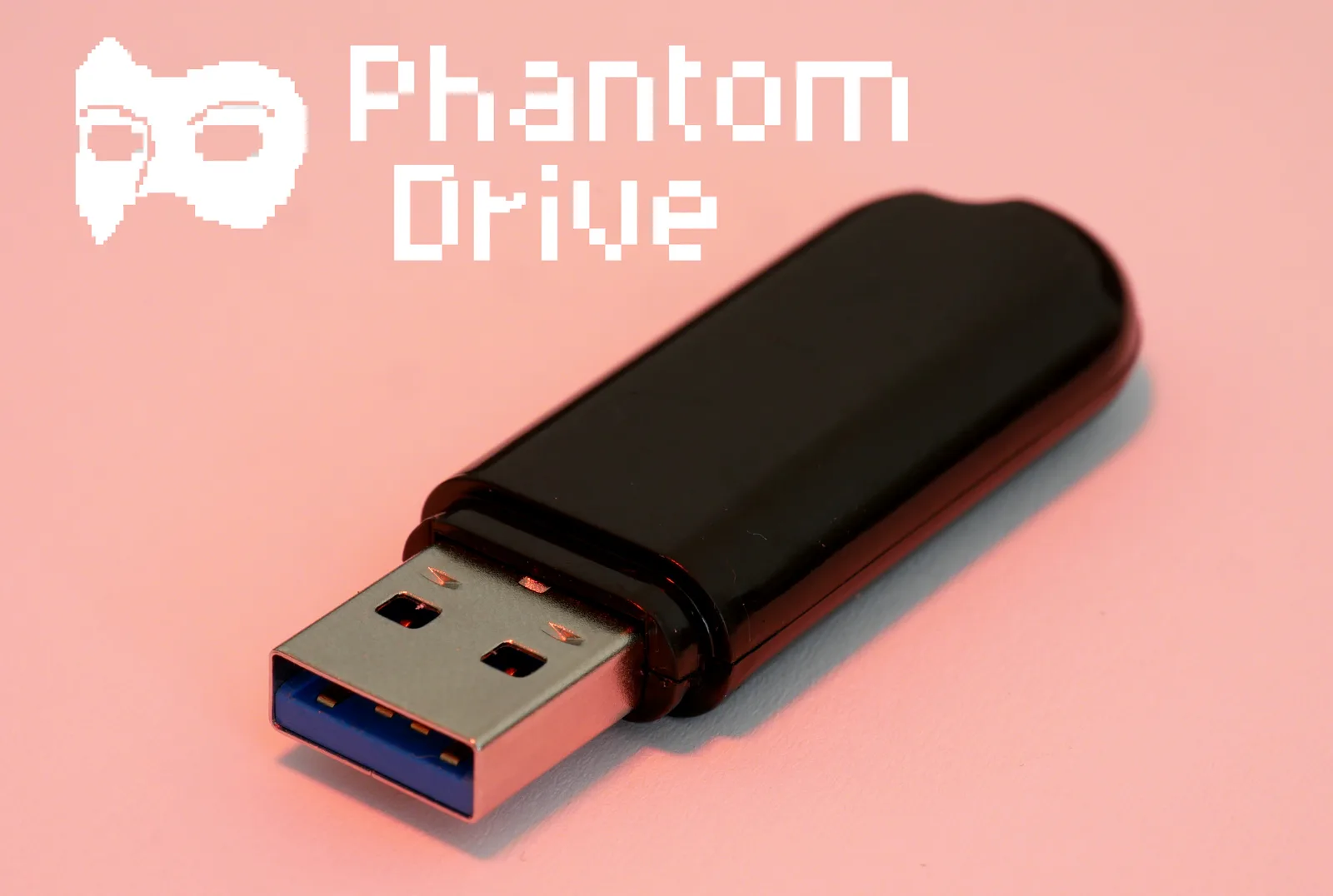
A hidden encrypted vault on a USB drive can protect sensitive data from being accessed under coercion. By keeping the secondary encrypted partition completely undetectable, this setup offers a crucial layer of privacy for users navigating regions with intrusive data laws.
Comments2026-07-21
The Court of Justice of the European Union has ruled in a landmark case that virtual private networks are lawful technical tools. The decision explicitly states that neither publishers nor VPN providers can be held liable for copyright infringement. This ruling provides significant legal protection and clarity for privacy technology services operating within the region.
CommentsApple avoided legal liability in a case regarding its handling of child sexual abuse material in private iCloud storage. The company initially replaced industry-standard scanning tools with a less effective proprietary alternative before ultimately reversing its controversial scanning policies.
CommentsA recent article explores the use of specialized USB drives featuring hidden encrypted vaults to protect sensitive data in regions with weak privacy protections. By utilizing concealed partitions, users can safeguard their files and maintain plausible deniability even if they are coerced or forced to decrypt their devices during inspections.
Comments
The ACLU has documented numerous instances of the surveillance camera company Flock repeatedly misleading city councils, police departments, and the public about its operations. These widespread deceptions have severely damaged the company's credibility as it continues to expand its surveillance footprint across local communities.
CommentsApple has released a SOC 3 audit report detailing an independent examination of the controls within its Private Cloud Compute Provisioning System. The published document verifies whether these operational measures functioned effectively throughout the designated auditing period.
Comments2026-07-20

A hacker has successfully wiped Romania's national land registry database. In other cybersecurity developments, Graykey is suing a former employee for leaking an exploit, and Hugging Face was compromised using AI. Furthermore, researchers have finally discovered an unauthenticated remote code execution vulnerability in WordPress.
Comments
A leaked draft reveals the European Commission is conceding to excessive US demands for unfettered data access in exchange for visa-free travel. Consequently, the EU is reportedly preparing to hand over highly sensitive personal information to American authorities.
CommentsThis article explores how increased public awareness can empower individuals to combat the invasive practices of surveillance capitalism. By understanding how technology companies harvest and monetize personal data, users can make informed choices to reclaim their digital privacy and overcome profit-driven data exploitation.
CommentsY Combinator startup Bloomy launched an AI-powered K-12 tutoring platform, but faced heavy criticism from educators over the generic quality of its AI-generated curriculum and high subscription costs. Critics also raised significant concerns regarding the cognitive impacts of increased screen time and opaque student data privacy practices. In response, the founders defended the authenticity of their educator testimonials and clarified that they utilize zero-data-retention agreements to protect student information.
Comments2026-07-19

New York City Mayor Mamdani has announced proposed regulations requiring landlords and real estate agents to disclose the use of artificial intelligence in property listings. This initiative is designed to increase transparency and protect tenants navigating the city's housing market.
CommentsThe final patent covering the MPEG-4 Part 2 visual standard has officially expired, freeing the widely used video format from all remaining licensing restrictions. This significant milestone allows developers and companies to implement the technology without worrying about patent royalties.
Comments2026-07-18
LG monitors are silently installing background software through Windows Update without user consent the moment they are connected via HDMI. This hidden application runs at every system boot with full internet and system access, raising severe security and privacy concerns for both new and older models. Critics are largely blaming Microsoft for permitting this automatic installation mechanism, which is also used by other hardware manufacturers to deliver unwanted bloatware.
CommentsA six-year-old security flaw in TP-Link Kasa smart cameras exposed users' home GPS coordinates through an unauthenticated UDP port. Discovered by an independent IoT security researcher, the vulnerability allowed the devices to continuously broadcast sensitive location data without requiring any authentication.
CommentsA second-grade teacher successfully revived the beloved 1990s PC game Backyard Baseball by acquiring the IP rights and commissioning a development team to rebuild the title after the original source code was lost. Developers worked with fan-provided CD-ROMs and applied complex binary patches to reconstruct the game's executable. This effort allowed the classic title to be modernized with upgraded assets and contemporary platform features for current systems.
Comments2026-07-17
Apple is sending legal letters to dozens of OpenAI employees following the alleged mishandling of proprietary information during the development of a new hardware platform. Commentators suggest this dispute underscores broader concerns about OpenAI's corporate ethics and its deteriorating relationships with major industry partners.
CommentsThe Federal Aviation Administration has restored Boeing's authority to sign off on airworthiness certificates for its 737 MAX and 787 aircraft. This regulatory decision allows the aerospace manufacturer to resume approving the final safety documentation required to deliver these planes to customers.
Comments2026-07-16

The lost joy of music piracy
2026-07-16This retrospective revisits iconic music piracy platforms like Napster and Limewire to explore the unique culture and thrill of early file-sharing. The piece argues that modern streaming services fail to capture the same sense of discovery and community that made these early networks so deeply engaging.
Comments