Legal Tech News
2026-07-21

The Court of Justice of the European Union has ruled in a landmark case that virtual private networks are lawful technical tools. The decision explicitly states that neither publishers nor VPN providers can be held liable for copyright infringement. This ruling provides significant legal protection and clarity for privacy technology services operating within the region.
Comments
Apple avoided legal liability in a case regarding its handling of child sexual abuse material in private iCloud storage. The company initially replaced industry-standard scanning tools with a less effective proprietary alternative before ultimately reversing its controversial scanning policies.
Comments
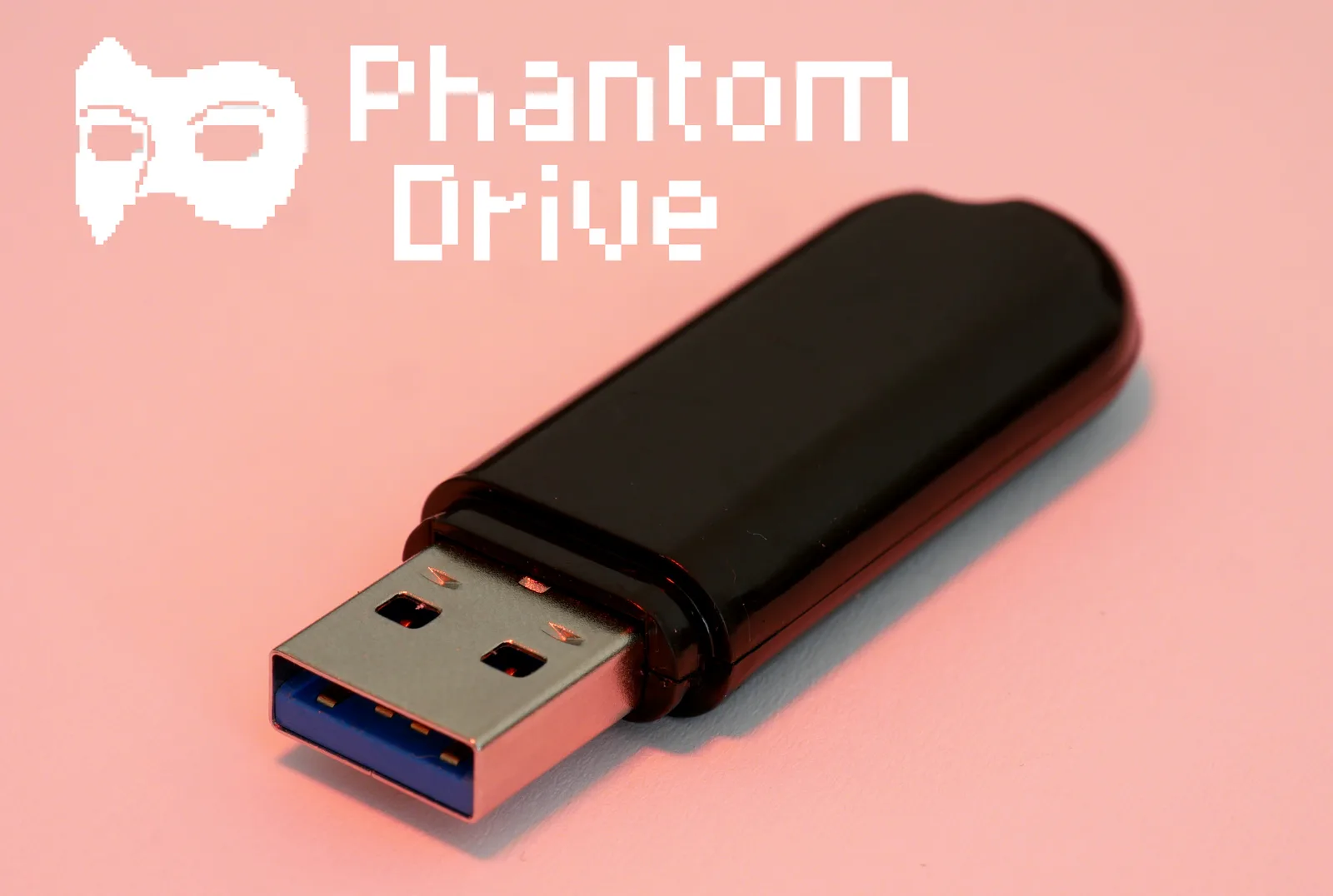
A recent article explores the use of specialized USB drives featuring hidden encrypted vaults to protect sensitive data in regions with weak privacy protections. By utilizing concealed partitions, users can safeguard their files and maintain plausible deniability even if they are coerced or forced to decrypt their devices during inspections.
Comments
The ACLU has documented numerous instances of the surveillance camera company Flock repeatedly misleading city councils, police departments, and the public about its operations. These widespread deceptions have severely damaged the company's credibility as it continues to expand its surveillance footprint across local communities.
CommentsApple has released a SOC 3 audit report detailing an independent examination of the controls within its Private Cloud Compute Provisioning System. The published document verifies whether these operational measures functioned effectively throughout the designated auditing period.
Comments2026-07-20

A hacker has successfully wiped Romania's national land registry database. In other cybersecurity developments, Graykey is suing a former employee for leaking an exploit, and Hugging Face was compromised using AI. Furthermore, researchers have finally discovered an unauthenticated remote code execution vulnerability in WordPress.
Comments
A leaked draft reveals the European Commission is conceding to excessive US demands for unfettered data access in exchange for visa-free travel. Consequently, the EU is reportedly preparing to hand over highly sensitive personal information to American authorities.
CommentsThis article explores how increased public awareness can empower individuals to combat the invasive practices of surveillance capitalism. By understanding how technology companies harvest and monetize personal data, users can make informed choices to reclaim their digital privacy and overcome profit-driven data exploitation.
CommentsY Combinator startup Bloomy launched an AI-powered K-12 tutoring platform, but faced heavy criticism from educators over the generic quality of its AI-generated curriculum and high subscription costs. Critics also raised significant concerns regarding the cognitive impacts of increased screen time and opaque student data privacy practices. In response, the founders defended the authenticity of their educator testimonials and clarified that they utilize zero-data-retention agreements to protect student information.
Comments2026-07-19

New York City Mayor Mamdani has announced proposed regulations requiring landlords and real estate agents to disclose the use of artificial intelligence in property listings. This initiative is designed to increase transparency and protect tenants navigating the city's housing market.
CommentsThe final patent covering the MPEG-4 Part 2 visual standard has officially expired, freeing the widely used video format from all remaining licensing restrictions. This significant milestone allows developers and companies to implement the technology without worrying about patent royalties.
Comments2026-07-18
LG monitors are silently installing background software through Windows Update without user consent the moment they are connected via HDMI. This hidden application runs at every system boot with full internet and system access, raising severe security and privacy concerns for both new and older models. Critics are largely blaming Microsoft for permitting this automatic installation mechanism, which is also used by other hardware manufacturers to deliver unwanted bloatware.
CommentsA six-year-old security flaw in TP-Link Kasa smart cameras exposed users' home GPS coordinates through an unauthenticated UDP port. Discovered by an independent IoT security researcher, the vulnerability allowed the devices to continuously broadcast sensitive location data without requiring any authentication.
CommentsA second-grade teacher successfully revived the beloved 1990s PC game Backyard Baseball by acquiring the IP rights and commissioning a development team to rebuild the title after the original source code was lost. Developers worked with fan-provided CD-ROMs and applied complex binary patches to reconstruct the game's executable. This effort allowed the classic title to be modernized with upgraded assets and contemporary platform features for current systems.
Comments2026-07-17
Apple is sending legal letters to dozens of OpenAI employees following the alleged mishandling of proprietary information during the development of a new hardware platform. Commentators suggest this dispute underscores broader concerns about OpenAI's corporate ethics and its deteriorating relationships with major industry partners.
CommentsThe Federal Aviation Administration has restored Boeing's authority to sign off on airworthiness certificates for its 737 MAX and 787 aircraft. This regulatory decision allows the aerospace manufacturer to resume approving the final safety documentation required to deliver these planes to customers.
Comments2026-07-16

The lost joy of music piracy
2026-07-16This retrospective revisits iconic music piracy platforms like Napster and Limewire to explore the unique culture and thrill of early file-sharing. The piece argues that modern streaming services fail to capture the same sense of discovery and community that made these early networks so deeply engaging.
Comments
Sony has removed previously purchased digital movies from users' accounts, once again highlighting the flawed reality of digital ownership. This ongoing anti-consumer practice demonstrates that buyers are merely licensing temporary access rather than actually owning their media. Advocates remain frustrated by the lack of industry change and continue to demand an end to these restrictive licensing loopholes.
Comments
Bluesky Trademarks ATProto
2026-07-16Bluesky has officially trademarked the AT Protocol to secure ownership of its underlying social networking technology. The company stated that this legal step is intended to ensure the protocol is used as widely and responsibly as possible.
Comments2026-07-15
Stripe and Advent have reportedly submitted a joint offer to acquire PayPal. This massive deal would consolidate major payment platforms like Venmo and Braintree under a single corporate umbrella. However, industry observers warn that the acquisition would face severe antitrust scrutiny due to the resulting market concentration in the online payment sector.
Comments
The Vancouver Police Department has added a Quick Escape button to its website to help protect vulnerable users. When activated, the feature clears the page from the user's browser history to prevent abusers from tracking their digital footprint. This safety measure allows individuals to discreetly access police resources without leaving a trace.
Comments
Tailscale has disclosed a security vulnerability in its SSH service where insecure argument handling permitted unauthorized root access. The security notification affects both the Tailscale client and service, and the company is directly contacting affected users in accordance with its disclosure policy.
CommentsProbably check on your smart appliances
2026-07-15Cybersecurity experts are warning consumers to inspect their smart home appliances for potential malware infections, specifically highlighting the risk to everyday devices like internet-connected refrigerators. Users are urged to secure their home networks and update their IoT devices to protect against these growing threats.
Comments
Scammers are increasingly exploiting AI voice cloning technology to execute convincing frauds that bypass traditional security defenses in as little as three seconds. By simulating the distressed voices of loved ones, criminals can easily manipulate victims into acting impulsively, highlighting a severe and growing threat to consumer protection.
Comments2026-07-14

A zero-day vulnerability has been discovered in Cursor, prompting researchers to resort to full public disclosure. This drastic measure was taken to force action on a critical security flaw that the vendor has shown no interest in fixing.
CommentsThe kids with phones are alright
2026-07-14Discussions surrounding a recent article on youth smartphone access highlight concerns that algorithmic social media poses severe mental health and developmental risks to children. While many commenters advocate for strict regulations or outright bans to protect minors, others warn that such legislation could lead to government overreach and narrative control under the guise of child protection. The debate underscores the complex challenge of mitigating the harms of social media without sacrificing broader digital freedoms.
CommentsA controversial European age verification system is being implemented as a proprietary mobile application, effectively restricting users to the closed ecosystems of Android and iOS. Consequently, developers are being advised against integrating Google Play Integrity to avoid further platform lock-in and preserve open alternatives.
CommentsA controversial California bill could outlaw the infinite scroll, aiming to curb addictive digital design features that encourage endless doom scrolling. While the legislation highlights the broader challenge of distinguishing between manipulative technology and good user experience, critics argue that infinite scrolling intentionally removes natural stopping points to maximize continuous user engagement.
Comments2026-07-13

VEGA researchers have uncovered GhostLock (CVE-2026-43499), a severe Linux kernel vulnerability that has existed in all major distributions for 15 years. The stack-use-after-free flaw enables highly stable privilege escalation and container escapes without requiring special kernel configurations or privileges. Google awarded the team a $92,337 bug bounty for discovering and exploiting the flaw through its kernelCTF program.
Comments
The Los Angeles Police Department is allowing its contract to expire with surveillance giant Flock. As one of the company's largest government clients, the LAPD cited civil liberties concerns as the primary reason for ending the partnership.
Comments