Legal Tech News
2026-06-30

A developer inspecting Claude Code for privacy reasons discovered that the tool secretly embeds hidden steganographic markers within its system prompts. These undisclosed tags are dynamically generated based on the API base URL and timezone, raising concerns about hidden tracking in AI coding assistants.
Comments
Daniel Sanchez Estrada has been sentenced to 30 years in prison for transporting a box of pamphlets, raising severe concerns among free speech advocates. Critics warn that this extreme punishment sets a dangerous precedent for the criminalization of information possession and distribution.
Comments

One million passports leaked online
2026-06-30A security lapse at Cannabis Club Systems, also known as Nefos Solutions, has potentially exposed over one million passports and photo IDs on the public web. The company left the highly sensitive identification documents completely unsecured online, putting countless users at risk of identity theft.
Comments
The US ambassador in Belgium used local police to interrupt journalists reporting on a privately funded Freedom 250 celebration organized by American embassies. Reporters were stopped by law enforcement acting on the ambassador's behalf while attempting to cover the event. This incident has sparked immediate backlash from press freedom advocates over the diplomatic suppression of independent journalism.
Comments
A new non-invasive brain-computer interface technique leverages machine learning and EEG data to translate brain waves into text without surgery, offering incremental but notable improvements over existing methods. However, the technology has sparked intense debate over neural privacy and corporate data tracking, prompting experts to urge lawmakers to establish strict national regulations before such commercial mind-reading tools become widespread.
Comments2026-06-29
Governments across the US, Europe, and Australia are introducing age verification regulations under the guise of protecting children. However, these new rules may actually serve as a stepping stone toward broader digital surveillance. Ultimately, this framework could act as a precursor to the automated tracking and attribution of all online speech.
Comments
The US Supreme Court has ruled that law enforcement must adhere to constitutional privacy protections when using geofence warrants to sweep smartphone location data. This decision ensures that authorities cannot access broad digital location records without meeting strict legal standards.
Comments
The author of a 2022 article detailing the downfall of events tech company Pollen reports that the company is attempting to have the piece removed. The writer alleges that Google is actively assisting Pollen in these content takedown efforts.
Comments
Samsung, SK Hynix, and Micron are facing a US lawsuit accusing the companies of colluding to fix memory prices. The plaintiffs allege that this anti-competitive behavior drove DRAM costs up by 700% over a four-year period. Consumers impacted by the inflated prices are now seeking class-action status to pursue damages.
Comments
The European ISP trade association EuroISPA is calling for rightsholders to be held financially accountable for damages caused by website overblocking. Currently, copyright holders can secure broad site-blocking orders without facing liability when legitimate content is accidentally restricted. EuroISPA argues that imposing this responsibility is essential to protect internet service providers and users from the negative impacts of excessive copyright enforcement.
CommentsThe CEO of the privacy VPN provider Mullvad is the primary financial backer of the far-right Swedish Örebro party, contributing over 70 percent of their funds. This revelation has led some users to boycott the service in protest of the political party's platform.
Comments
Instagram is incorporating users' personal photos into targeted advertisements for Meta's smart glasses. This initiative highlights the growing era of ultra-personalized ads, as the tech giant increasingly leverages user-generated content to drive product marketing.
Comments2026-06-28
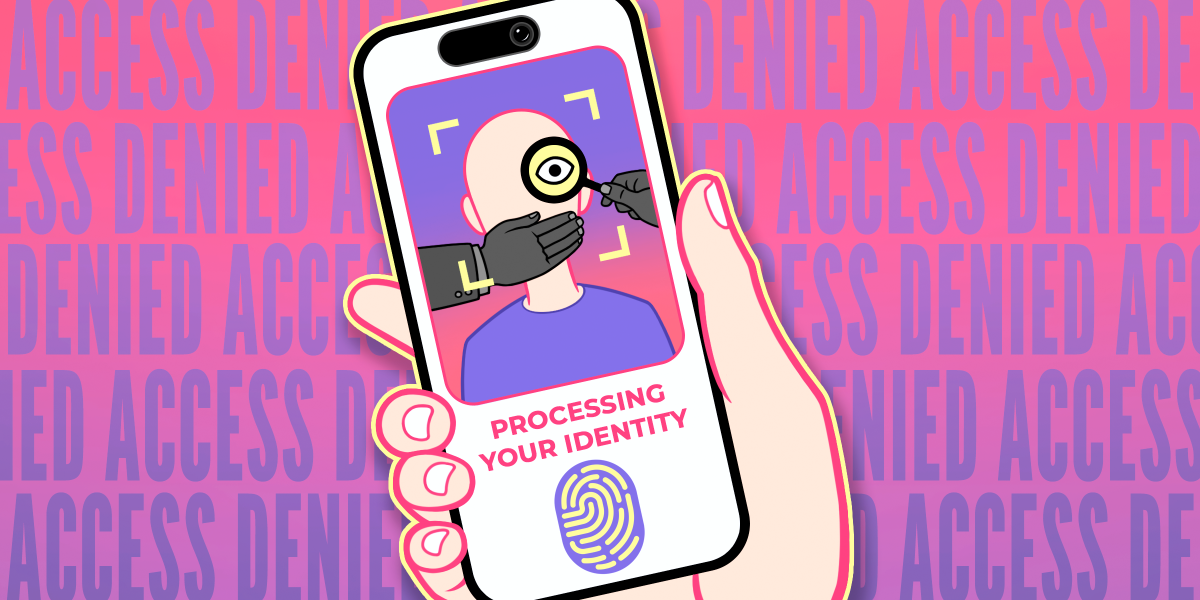
The proposed KIDS Act would require age verification for all internet users to protect minors, while also introducing government-directed content moderation and new encryption rules. Critics argue that despite its child safety goals, the legislation severely compromises digital privacy, free expression, and secure communications.
CommentsUsers have submitted an open feature request for OpenAI Codex to prevent the AI agent from reading or transmitting sensitive files to the model. The proposed solution involves implementing both repository and global level ignore files to explicitly block confidential data. This issue remains unresolved as developers seek stricter data privacy controls for the coding assistant.
CommentsThe European Union is advancing chat control legislation behind closed doors, prompting widespread concern that the policy will compromise end-to-end encryption for everyday citizens. Critics argue that forcing major messaging providers to implement message scanning will result in mass surveillance and privacy violations without effectively stopping criminals. Furthermore, users fear that upcoming EU interoperability mandates could ultimately be leveraged to enforce these surveillance backdoors across both centralized and decentralized communication platforms.
CommentsRecent reader discussions on an article about securing X11 applications with LXC highlighted deep concerns regarding the inherent security flaws of the legacy display server. Commenters debated the dangers of untrusted GUI applications possessing unrestricted global access to user input and screen data due to the lack of a granular permission model. Many advocated for alternative sandboxing approaches like nested X servers and stricter defense-in-depth practices to better protect against potential system compromises.
CommentsShow HN: DRM-Free Books
2026-06-28A Hacker News discussion highlights various platforms for purchasing DRM-free ebooks, including Bookshop.org, ebooks.com, and Standard Ebooks. Users share tips on filtering for these unrestricted formats and note the editorial adjustments made by services like Standard Ebooks to modernize classic texts. Additionally, commenters explore the broader cultural impact of copyright expiration, observing how public domain works have historically increased the accessibility and popularity of traditional literature.
Comments2026-06-27
An anonymous GitHub account has published an archive of undisclosed zero-day exploits, encouraging the community to responsibly report the flaws for CVE credit. The creator stated that this mass release of proof-of-concept code and vulnerability research is intended to attract new talent into the cybersecurity field without enabling malicious abuse.
Comments
The U.S. government has permitted Anthropic to release the Mythos AI model exclusively to trusted U.S. organizations. This clearance arrives on the same day as a simultaneous limited release of a new model from rival AI developer OpenAI.
CommentsZuckerberg's war on whistleblowers
2026-06-27Discussions surrounding Mark Zuckerberg's war on whistleblowers suggest his aggressive tactics are driven by narcissism and a desire to assert dominance rather than strategic calculation. Commentators argue his retaliatory behavior, mirroring his tendency to cheat at board games, serves as a deliberate loyalty test to weed out dissenters. Ultimately, his treatment of critics is viewed as a manifestation of his entitlement and a demand for absolute sycophancy from his inner circle.
CommentsA developer thwarted a suspected nation-state attack that used a fake job interview to deliver a malicious TypeScript patch. The payload attempted to install the PinpinRAT backdoor, but the attack ultimately failed. The incident prompted a detailed public analysis of the attack vector, the malware, and its indicators of compromise.
Comments
Starting July 1, California will prohibit streaming services from broadcasting excessively loud advertisements. The new legislation aims to protect viewers from jarring volume spikes during ad breaks. This follows a similar law in Illinois, giving platforms an increased incentive to normalize ad audio volumes across the board.
Comments2026-06-26

Despite warnings from the Electronic Frontier Foundation regarding severe privacy and technical risks, the California State Assembly has approved a bill mandating surveillance software for 3D printers. The amended legislation ignores significant threats to consumer rights and speech, prompting advocates to renew their efforts to stop the mandate.
Comments
The technology industry has united to defend open source software through a collective open letter and the launch of a new initiative called Akrites. This coordinated effort aims to actively identify and remediate critical vulnerabilities across the foundational open source projects that power global digital infrastructure.
CommentsSpringer Nature replaced two withdrawn Max Planck studies with blank pages citing an article violation, yet continues to charge readers for the empty PDFs. This incident has reignited widespread frustration over the academic publishing industry's exorbitant costs and failure to innovate. Consequently, many commentators are urging institutions to abandon traditional publishers in favor of open-access preprint servers and openly licensed repositories.
CommentsPlayStation is revoking access to 551 digitally purchased movies from user accounts due to expired licensing agreements. This move has reignited consumer frustration over the illusion of digital ownership, as users realize their purchases are actually revocable licenses rather than permanent assets. The controversy mirrors similar actions by Apple and Google, highlighting the ongoing risks of relying on cloud-hosted media without local backups.
Comments
The era of long wave radio is set to end with the impending switch-off of transmitters. However, campaigners are fighting to preserve the historic long wave masts in Worcestershire by urging authorities to grant them protected listed status.
Comments2026-06-25

New internet regulations requiring age verification are effectively forcing Americans to undergo mandatory identity checks, ushering in a papers, please era of the web. Consequently, these measures will severely decimate online privacy for everyday users.
CommentsAnthropic has accused Alibaba and associated Chinese resellers of illicitly extracting Claude's capabilities to sell heavily discounted AI tokens to users blocked by regional restrictions. These operators bypass payment and identity barriers using bot networks and fraud, while subsidizing their deeply discounted rates by harvesting and selling model reasoning traces to domestic AI labs for training data.
Comments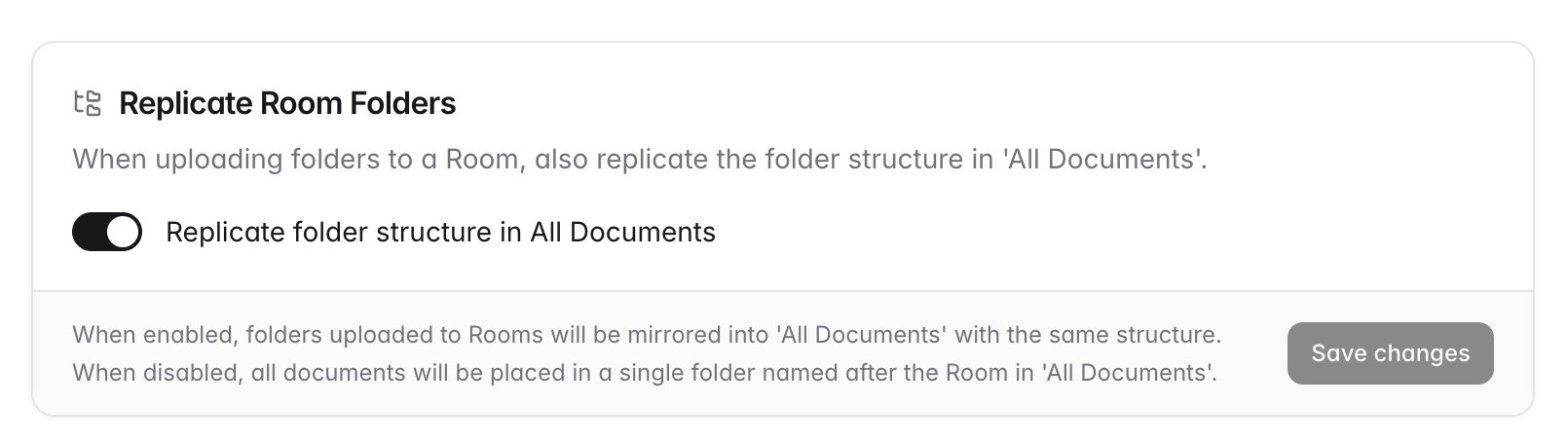
Papermark has accused entrepreneur Nico Laqua of stealing its open-source and enterprise-licensed data room code to build a competing product. The company is demanding the immediate takedown of the allegedly infringing software. The creators condemned the unauthorized use of their intellectual property as outright fraud.
Comments