Legal Tech News
Submit2026-05-02
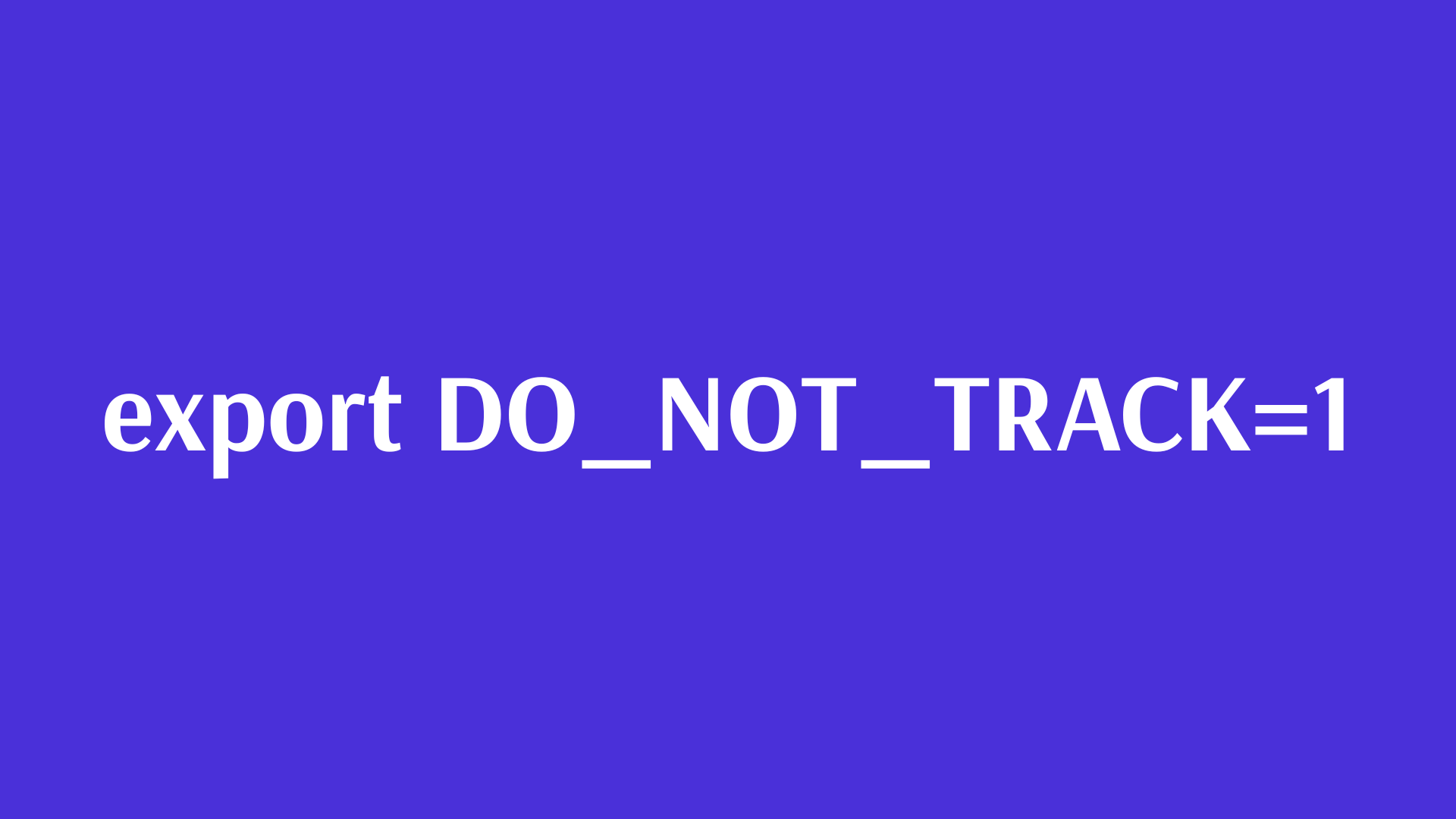
Do_not_track
2026-05-02A newly proposed standard introduces the DO_NOT_TRACK environment variable to help users opt out of telemetry, analytics, and tracking. This privacy-focused initiative is specifically designed for command-line and text-based user interface applications.
Comments
California will begin issuing traffic tickets directly to the manufacturers of autonomous vehicles when their self-driving cars violate traffic laws. Under the new regulations, police will hold the automakers financially responsible for the infractions rather than the passengers inside the vehicle. This policy shift places the ultimate burden of safety and compliance squarely on the companies developing autonomous technology.
Comments

Roblox shares plummeted 18% after the company's newly implemented child safety measures negatively impacted user bookings. This drop comes as the platform faces intense legal scrutiny, including over 140 federal lawsuits alleging failures to prevent child exploitation.
Comments
A new arXiv study provides empirical evidence that AI algorithms used in hiring processes exhibit a self-preferencing bias, potentially skewing candidate evaluations to favor content generated by similar machine learning models. These findings highlight a critical vulnerability in automated recruitment systems and underscore the urgent need to mitigate such biases to ensure equitable candidate assessments.
Comments2026-05-01
Recent discussions highlight concerns over the lack of a streamlined communication channel between the Linux kernel security team and distribution maintainers regarding critical vulnerabilities. While critics argue this disconnect leaves systems exposed and places an unfair burden on researchers, defenders maintain the current ecosystem works as designed. Ultimately, the debate underscores that system operators must take active responsibility for tracking and applying kernel patches rather than relying entirely on downstream vendors.
CommentsDuring an AMA with Y Combinator immigration attorney Peter Roberts, tech professionals discussed the severe logistical and ethical frustrations surrounding the PERM employment-based green card process. Commenters criticized the burdensome labor certification requirements, government audits, and the awkward practice of interviewing and rejecting applicants to satisfy Department of Labor mandates. The ensuing debate also highlighted strong disagreements over whether companies conducting US layoffs should be temporarily barred from sponsoring foreign workers.
Comments
Opus 4.7 knows the real Kelsey
2026-05-01An author explores how the Opus 4.7 AI model can accurately identify her using just 150 words of text. The piece examines the broader implications of this advanced personal recognition capability and what it means for everyday digital privacy.
Comments
Dunwoody, Georgia residents are furious after learning that surveillance firm Flock accessed cameras inside a children's gymnastics room during a sales demonstration. The privacy breach has sparked intense backlash against the city's surveillance contract, prompting citizens to question whether local elected officials actually care about the incident.
Comments
Security researchers at watchTowr Labs have disclosed a new authentication bypass vulnerability affecting cPanel and WHM, tracked as CVE-2026-41940. The firm introduced the findings in a characteristically humorous blog post, prompting administrators to stay vigilant for technical details and potential patches.
Comments2026-04-30

Rivian drivers can stop vehicle data collection by disabling cellular connectivity, but doing so will also disable essential features like navigation and over-the-air updates. While Canadian owners can toggle this off in their settings menu, non-Canadian drivers must schedule a service appointment to have the eSIM disabled. Users should also note that turning off connectivity does not automatically cancel paid Rivian subscriptions.
Comments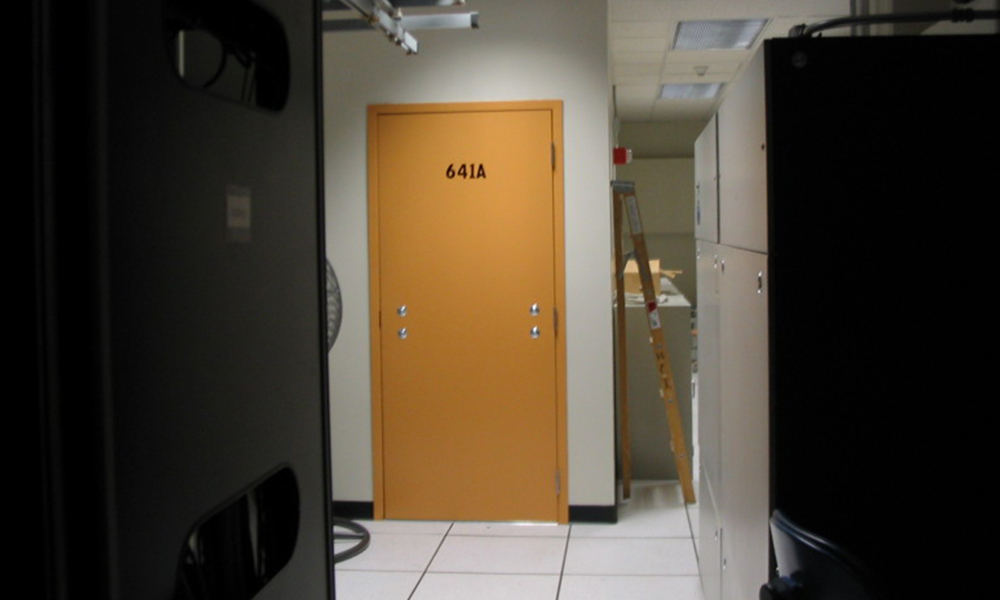
A retired AT&T technician named Mark Klein provided the Electronic Frontier Foundation with internal documents exposing a secret government eavesdropping facility known as Room 641A. His unexpected visit supplied the definitive evidence needed to prove that the United States government was conducting mass, warrantless wiretapping of American citizens. This historic whistleblowing event exposed the reality of domestic surveillance and sparked major legal battles over digital privacy.
Comments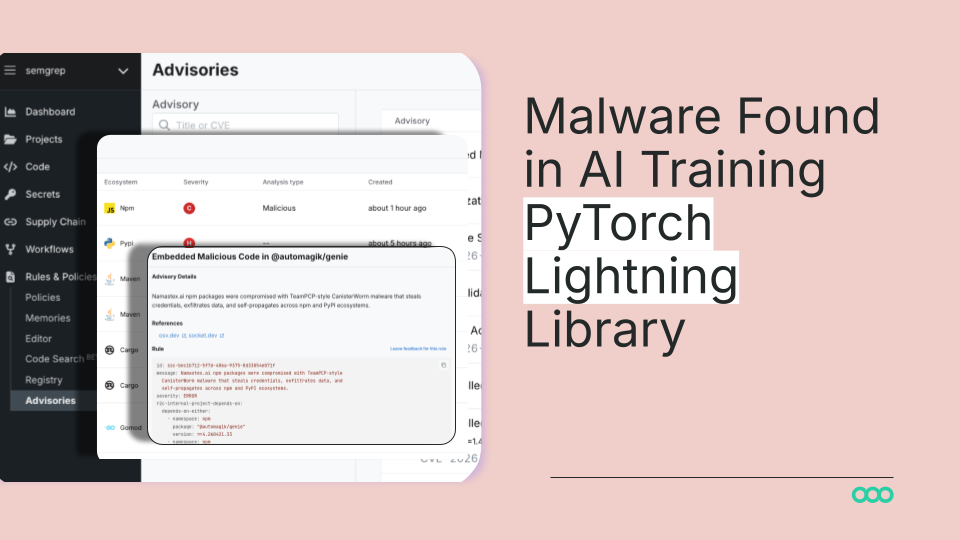
The PyPI package for the PyTorch Lightning AI training library was compromised in versions 2.6.2 and 2.6.3 with malicious code. The injected Mini Shai-Hulud themed payload executes credential-stealing malware whenever the library is imported by a user. Developers should avoid these specific versions to prevent unauthorized access to their sensitive data.
Comments
Spain's parliament has approved an initiative to reform the Digital Services Act and curb LaLiga's broad IP blockages. The measure aims to prevent anti-piracy court rulings from inadvertently taking down third-party websites. Additionally, the PP is advancing further amendments to the legislation.
Comments
Mike: open-source legal AI
2026-04-30Mike is a new open-source legal AI platform offering a zero-cost, self-hostable alternative to commercial tools like Harvey and Legora. It provides full feature parity while allowing law firms to completely own, control, and extend the technology to suit their specific needs.
CommentsResearchers have discovered that fine-tuning large language models can inadvertently reactivate the verbatim recall of copyrighted books, undermining previous alignment efforts. Dubbed alignment whack-a-mole, this vulnerability demonstrates that attempting to restrict a model from generating protected content can be easily bypassed through subsequent training adjustments. The researchers have released their official code to help the broader tech community better understand and mitigate this complex issue.
Comments
Meta and its subcontractor are disputing the reasons behind the sudden layoff of over 1,000 Kenya-based content moderators. The workers were reportedly dismissed after reviewing highly explicit footage from Meta's smart glasses, including videos of users having sex. The two companies currently disagree on the exact cause of these mass redundancies.
Comments
The Church Rock Uranium Mill Spill
2026-04-30The Church Rock uranium mill spill released 1.36 tons of uranium and radioactive contaminants into the Puerco River, severely contaminating the water supply used by the Navajo Nation. The disaster received significantly less media coverage and federal assistance than Three Mile Island, a disparity readers attribute to its rural location and the marginalization of the affected Native American community.
Comments
LinkedIn is scanning browser extensions
2026-04-30LinkedIn is scanning users' browser extensions, sparking privacy concerns over data collection. The company is expected to justify the practice by stating it is a necessary measure to combat fraud and ensure platform security.
Comments2026-04-29
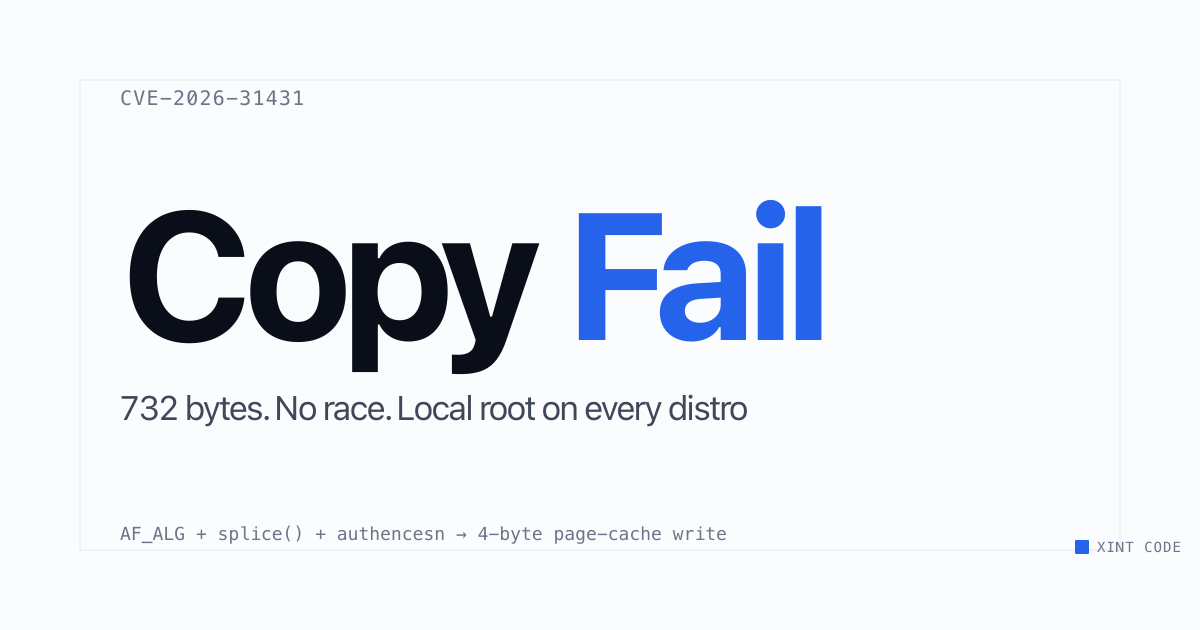
Copy Fail
2026-04-29Security researchers have identified CVE-2026-31431, a minimal 732-byte Linux local privilege escalation vulnerability dubbed Copy Fail that affects major distributions since 2017. The exploit uses a single Python script to bypass file-integrity tools and cross container boundaries without relying on race conditions or distribution-specific offsets. Discovered by Xint Code, this straight-line attack works universally across Ubuntu, Amazon Linux, RHEL, and SUSE environments.
Comments
The debate over online age verification has emerged as a critical, non-negotiable battleground that will serve as foundational infrastructure for all future digital regulations. Because of its sweeping implications, tech stakeholders and everyday users are urged to recognize that this is a pivotal policy fight they cannot afford to ignore.
Comments
Maryland has become the first state to ban surveillance pricing in grocery stores, prohibiting retailers from dynamically adjusting product costs based on consumer data. However, critics argue that the new legislation is weakened by numerous carveouts that could limit its overall effectiveness.
Comments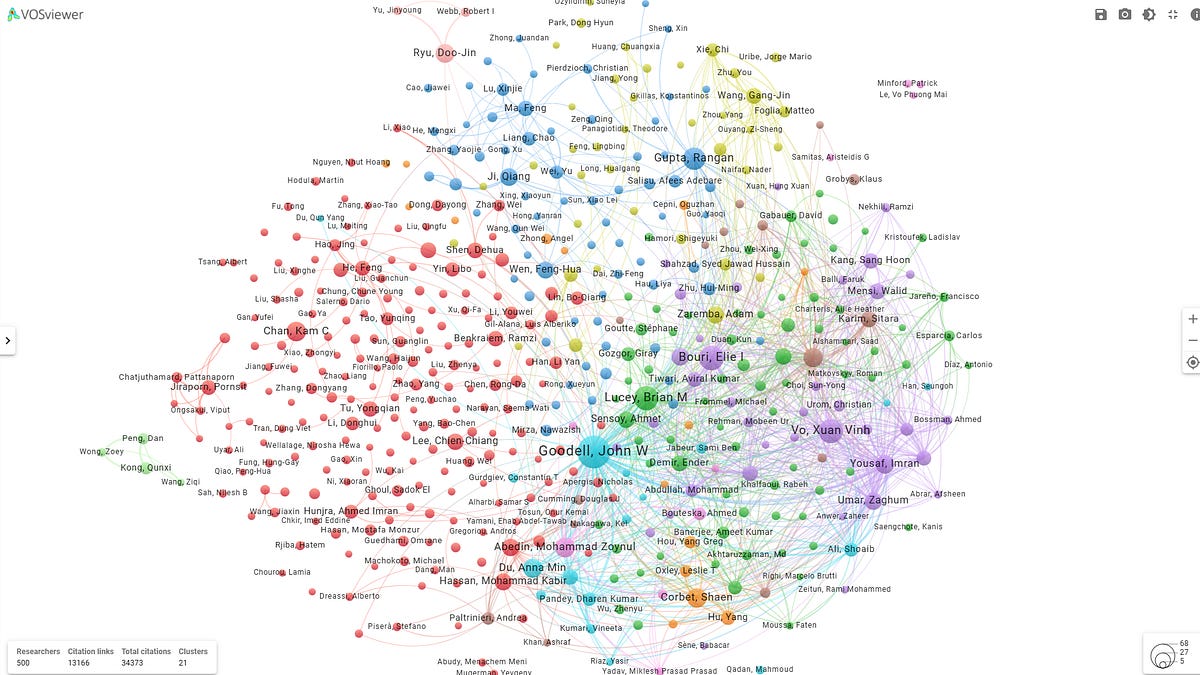
Elsevier has fired a third journal editor in its ongoing crackdown against a suspected citation cartel manipulating academic metrics. The publisher condemned the coordinated scheme as a blatant, industrial-scale quid pro quo rather than a series of coincidences.
Comments2026-04-28
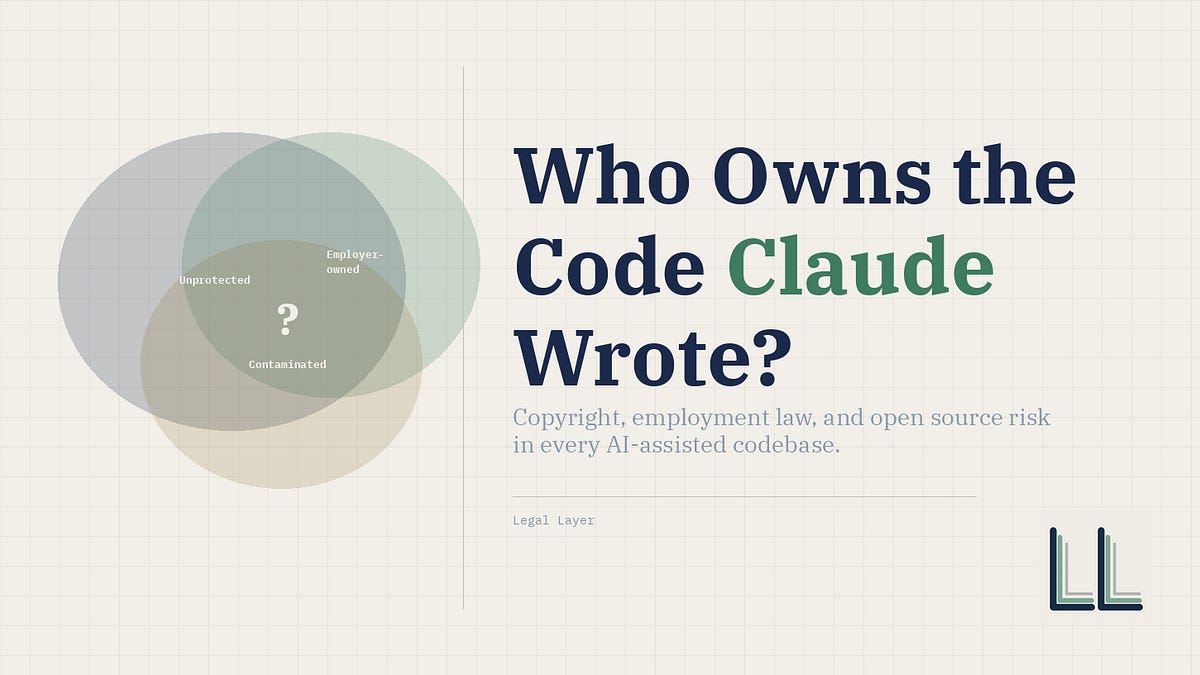
Who owns the code Claude Code wrote?
2026-04-28A new guide breaks down the complex copyright and ownership rules surrounding AI-generated code, specifically addressing outputs created by Claude Code. It provides developers with essential legal insights to navigate intellectual property rights and mitigate risks when integrating AI coding assistants into their workflow.
Comments
A high-severity remote code execution vulnerability, tracked as CVE-2026-3854, has been identified in GitHub Enterprise Server with a CVSS score of 8.7. Security teams should review the latest threat brief and utilize Wiz to scan for and patch any vulnerable instances.
Comments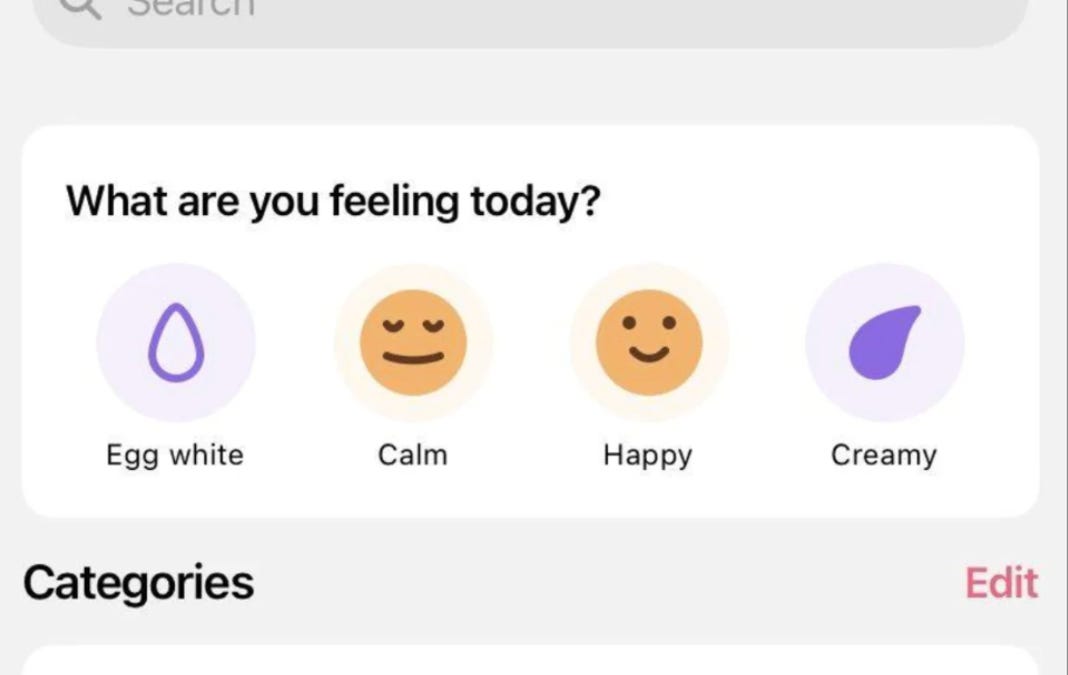
The popular period tracking app Flo has been found sharing sensitive user data with Meta, exposing the vulnerabilities in digital health monitoring. This revelation highlights the risks of vague data collection policies and raises critical concerns about the privacy of self-monitoring biological markers.
Comments2026-04-27

Mercor, a company specializing in AI voice authenticity and deepfake detection, has suffered a data breach resulting in the theft of 4TB of voice samples. The compromised audio data belongs to 40,000 AI contractors whose recordings are used to train and verify the firm's audio forensics infrastructure.
Comments
China has officially blocked Meta's $2 billion acquisition of Manus, a Singaporean AI startup with Chinese roots. The regulatory decision halts the tech giant's purchase of the artificial intelligence firm.
CommentsThree men in Toronto are facing charges for using a Stingray-like cell tower simulator to send spam and phishing text messages. Although authorities claim the criminal device is unprecedented in Canada, critics point out that law enforcement regularly uses similar surveillance technology. The suspects reportedly allowed emergency calls to bypass their fake network to avoid immediate detection by government scanners.
CommentsAs the US Supreme Court reviews law enforcement's use of geofence warrants for cell location data, Google has stopped complying by shifting location storage from its servers to users' local devices. This change was largely driven by public pressure over concerns that hoarded cloud data could be used to prosecute abortion seekers or cause wrongful arrests. However, critics note that while this protects user data from these specific warrants, it does not alter the company's fundamental surveillance-based advertising business model.
Comments2026-04-26

OpenAI Privacy Filter
2026-04-26OpenAI has released the Privacy Filter, an open-weight model designed to detect and redact personally identifiable information in text with state-of-the-art accuracy. This new tool provides developers with a highly effective way to automatically scrub sensitive data from text inputs. By making the model open-weight, OpenAI is enabling the broader tech community to integrate and customize these advanced privacy safeguards in their own applications.
Comments