Legal Tech News
Submit2026-04-30

Rivian drivers can stop vehicle data collection by disabling cellular connectivity, but doing so will also disable essential features like navigation and over-the-air updates. While Canadian owners can toggle this off in their settings menu, non-Canadian drivers must schedule a service appointment to have the eSIM disabled. Users should also note that turning off connectivity does not automatically cancel paid Rivian subscriptions.
Comments
A retired AT&T technician named Mark Klein provided the Electronic Frontier Foundation with internal documents exposing a secret government eavesdropping facility known as Room 641A. His unexpected visit supplied the definitive evidence needed to prove that the United States government was conducting mass, warrantless wiretapping of American citizens. This historic whistleblowing event exposed the reality of domestic surveillance and sparked major legal battles over digital privacy.
Comments

The PyPI package for the PyTorch Lightning AI training library was compromised in versions 2.6.2 and 2.6.3 with malicious code. The injected Mini Shai-Hulud themed payload executes credential-stealing malware whenever the library is imported by a user. Developers should avoid these specific versions to prevent unauthorized access to their sensitive data.
Comments
Spain's parliament has approved an initiative to reform the Digital Services Act and curb LaLiga's broad IP blockages. The measure aims to prevent anti-piracy court rulings from inadvertently taking down third-party websites. Additionally, the PP is advancing further amendments to the legislation.
Comments
Mike: open-source legal AI
2026-04-30Mike is a new open-source legal AI platform offering a zero-cost, self-hostable alternative to commercial tools like Harvey and Legora. It provides full feature parity while allowing law firms to completely own, control, and extend the technology to suit their specific needs.
CommentsResearchers have discovered that fine-tuning large language models can inadvertently reactivate the verbatim recall of copyrighted books, undermining previous alignment efforts. Dubbed alignment whack-a-mole, this vulnerability demonstrates that attempting to restrict a model from generating protected content can be easily bypassed through subsequent training adjustments. The researchers have released their official code to help the broader tech community better understand and mitigate this complex issue.
Comments
Meta and its subcontractor are disputing the reasons behind the sudden layoff of over 1,000 Kenya-based content moderators. The workers were reportedly dismissed after reviewing highly explicit footage from Meta's smart glasses, including videos of users having sex. The two companies currently disagree on the exact cause of these mass redundancies.
Comments
The Church Rock Uranium Mill Spill
2026-04-30The Church Rock uranium mill spill released 1.36 tons of uranium and radioactive contaminants into the Puerco River, severely contaminating the water supply used by the Navajo Nation. The disaster received significantly less media coverage and federal assistance than Three Mile Island, a disparity readers attribute to its rural location and the marginalization of the affected Native American community.
Comments
LinkedIn is scanning browser extensions
2026-04-30LinkedIn is scanning users' browser extensions, sparking privacy concerns over data collection. The company is expected to justify the practice by stating it is a necessary measure to combat fraud and ensure platform security.
Comments2026-04-29
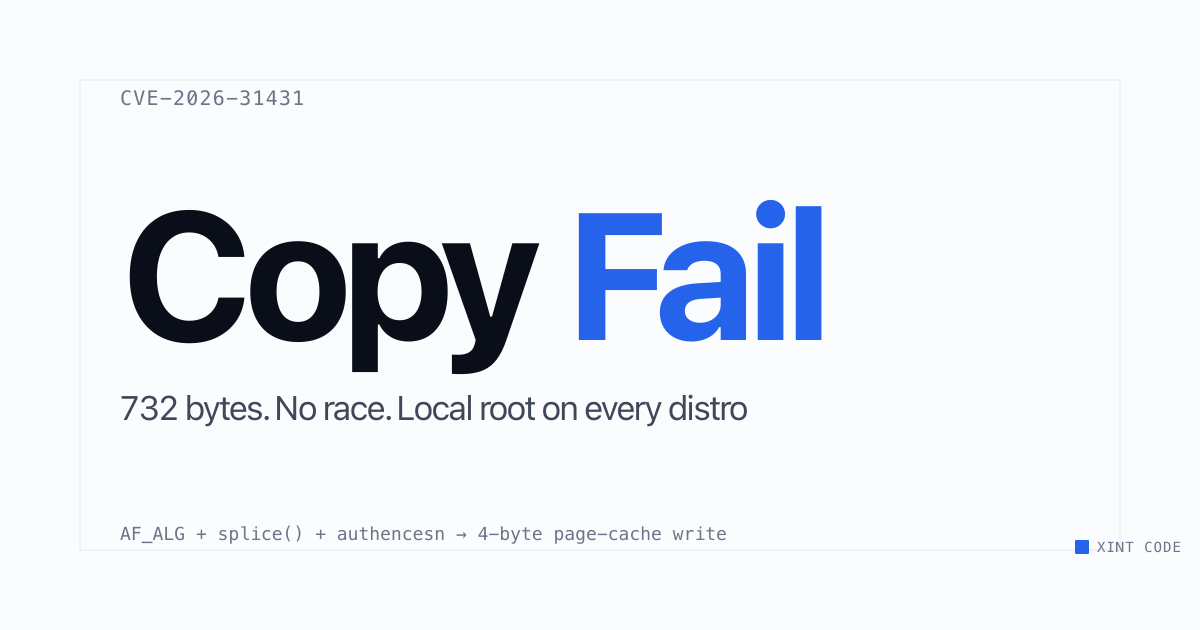
Copy Fail
2026-04-29Security researchers have identified CVE-2026-31431, a minimal 732-byte Linux local privilege escalation vulnerability dubbed Copy Fail that affects major distributions since 2017. The exploit uses a single Python script to bypass file-integrity tools and cross container boundaries without relying on race conditions or distribution-specific offsets. Discovered by Xint Code, this straight-line attack works universally across Ubuntu, Amazon Linux, RHEL, and SUSE environments.
Comments
The debate over online age verification has emerged as a critical, non-negotiable battleground that will serve as foundational infrastructure for all future digital regulations. Because of its sweeping implications, tech stakeholders and everyday users are urged to recognize that this is a pivotal policy fight they cannot afford to ignore.
Comments
Maryland has become the first state to ban surveillance pricing in grocery stores, prohibiting retailers from dynamically adjusting product costs based on consumer data. However, critics argue that the new legislation is weakened by numerous carveouts that could limit its overall effectiveness.
Comments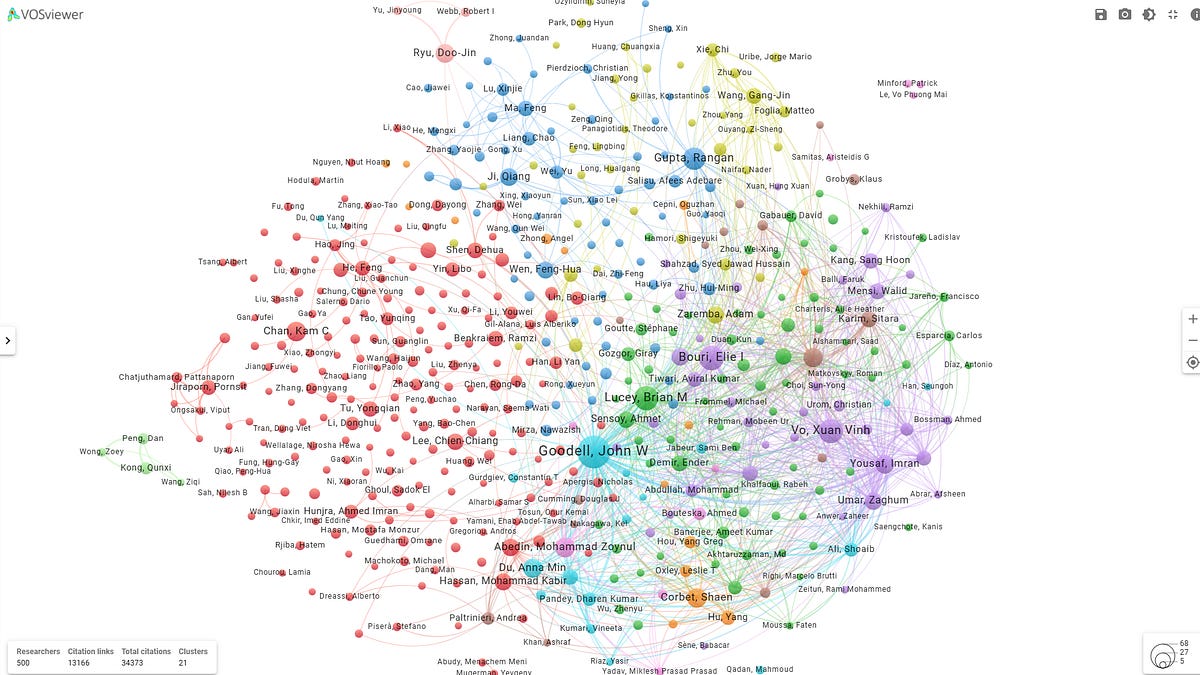
Elsevier has fired a third journal editor in its ongoing crackdown against a suspected citation cartel manipulating academic metrics. The publisher condemned the coordinated scheme as a blatant, industrial-scale quid pro quo rather than a series of coincidences.
Comments2026-04-28
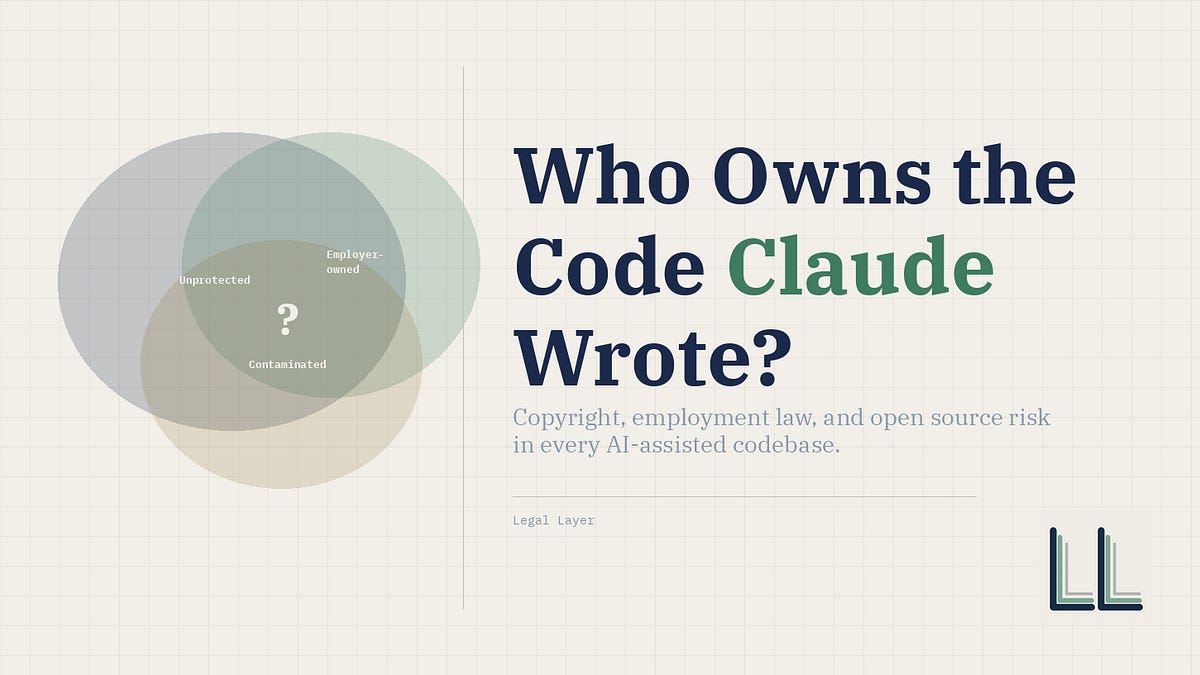
Who owns the code Claude Code wrote?
2026-04-28A new guide breaks down the complex copyright and ownership rules surrounding AI-generated code, specifically addressing outputs created by Claude Code. It provides developers with essential legal insights to navigate intellectual property rights and mitigate risks when integrating AI coding assistants into their workflow.
Comments
A high-severity remote code execution vulnerability, tracked as CVE-2026-3854, has been identified in GitHub Enterprise Server with a CVSS score of 8.7. Security teams should review the latest threat brief and utilize Wiz to scan for and patch any vulnerable instances.
Comments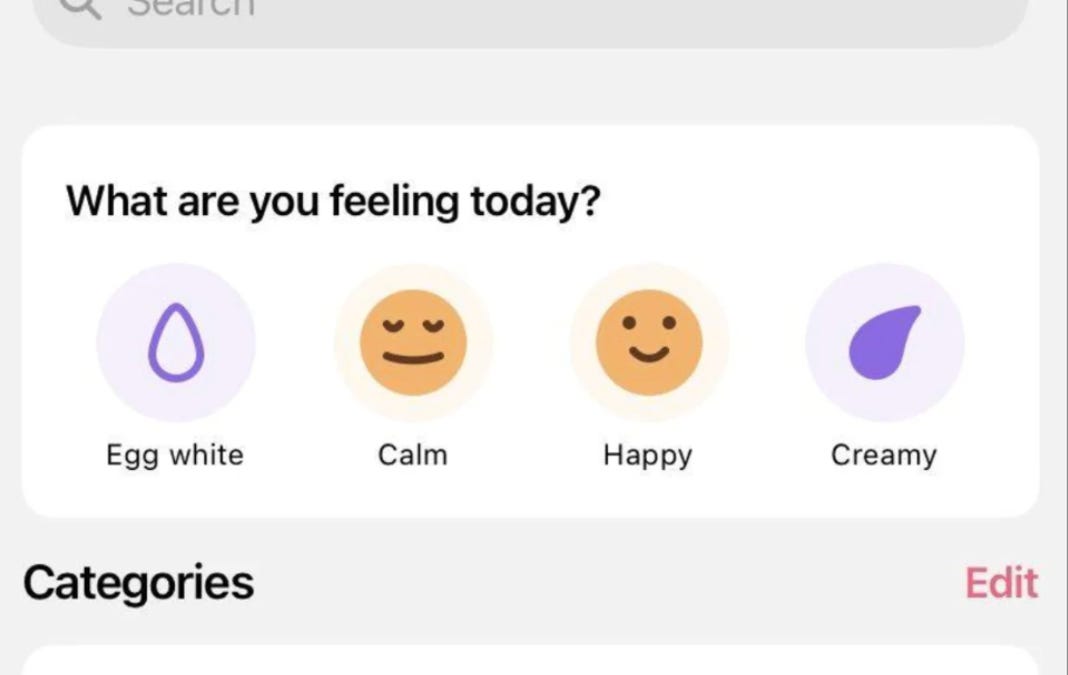
The popular period tracking app Flo has been found sharing sensitive user data with Meta, exposing the vulnerabilities in digital health monitoring. This revelation highlights the risks of vague data collection policies and raises critical concerns about the privacy of self-monitoring biological markers.
Comments2026-04-27

Mercor, a company specializing in AI voice authenticity and deepfake detection, has suffered a data breach resulting in the theft of 4TB of voice samples. The compromised audio data belongs to 40,000 AI contractors whose recordings are used to train and verify the firm's audio forensics infrastructure.
Comments
China has officially blocked Meta's $2 billion acquisition of Manus, a Singaporean AI startup with Chinese roots. The regulatory decision halts the tech giant's purchase of the artificial intelligence firm.
CommentsThree men in Toronto are facing charges for using a Stingray-like cell tower simulator to send spam and phishing text messages. Although authorities claim the criminal device is unprecedented in Canada, critics point out that law enforcement regularly uses similar surveillance technology. The suspects reportedly allowed emergency calls to bypass their fake network to avoid immediate detection by government scanners.
CommentsAs the US Supreme Court reviews law enforcement's use of geofence warrants for cell location data, Google has stopped complying by shifting location storage from its servers to users' local devices. This change was largely driven by public pressure over concerns that hoarded cloud data could be used to prosecute abortion seekers or cause wrongful arrests. However, critics note that while this protects user data from these specific warrants, it does not alter the company's fundamental surveillance-based advertising business model.
Comments2026-04-26

OpenAI Privacy Filter
2026-04-26OpenAI has released the Privacy Filter, an open-weight model designed to detect and redact personally identifiable information in text with state-of-the-art accuracy. This new tool provides developers with a highly effective way to automatically scrub sensitive data from text inputs. By making the model open-weight, OpenAI is enabling the broader tech community to integrate and customize these advanced privacy safeguards in their own applications.
CommentsOnline discussions regarding the EU's age verification mandates clarify that the policy is an explicit stepping stone toward a comprehensive cross-border digital identity system rather than a hidden trojan horse. While some readers defend the utility of mobile ID wallets for international authentication, many emphasize the critical need for privacy-preserving technologies to prevent corporate data harvesting. Ultimately, the debate underscores concerns that widespread digital identity checks could lead to severe privacy violations if businesses are permitted to store unnecessary personal information.
Comments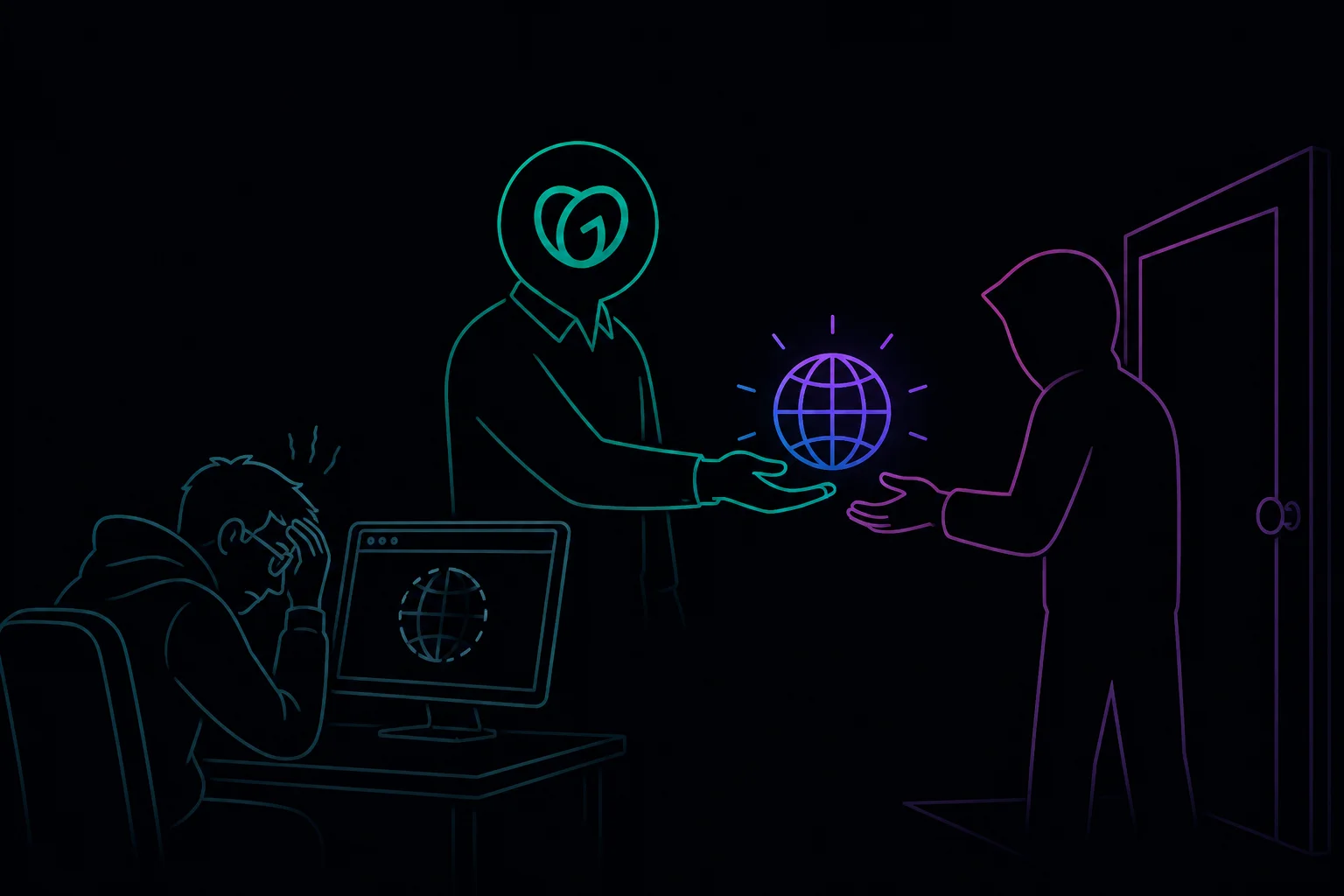
GoDaddy abruptly seized a domain name from an organization that had used it for 27 years and transferred it to a stranger. The domain registrar executed the sudden takeover without providing the original owners any advance warning or supporting documentation.
Comments2026-04-25

GPT‑5.5 Bio Bug Bounty
2026-04-25OpenAI has published details regarding its Bio Bug Bounty program to address potential biological security risks associated with advanced models like GPT-5.5. The initiative incentivizes security researchers to identify and report vulnerabilities, highlighting the company's ongoing commitment to AI safety and the mitigation of cyberbio threats.
CommentsThe article explores the history and technical mechanisms of Discret 11, the analog television encryption system used for French pay-TV in the 1980s and 1990s. Readers in the discussion share nostalgic memories of their youth spent attempting to pirate these scrambled signals using makeshift antennas, brute-force software, and hardware modifications. These early hacking efforts to circumvent encryption and watch restricted programming served as a formative technical learning experience for many future engineers.
Comments2026-04-24

A US special forces soldier involved in the capture of Venezuelan President Nicolás Maduro has been arrested and charged. Authorities allege the service member illegally bet on the classified military operation, ultimately netting $400,000 in profits.
Comments
Norway plans to ban social media access for children under 16 to protect them from potential online harms. This move makes Norway the latest country to implement age restrictions on digital platforms amid growing global concerns over youth internet safety.
Comments
South Korean police arrested a man for posting a fake AI-generated image of an escaped wolf that went viral. The misleading digital photo disrupted the ongoing investigation by forcing authorities to unnecessarily redirect their physical search operation for the real animal.
Comments2026-04-23

The development team behind MeshCore has fractured due to internal disagreements over a trademark dispute and the use of AI-generated code. Amidst this split, the project is also migrating its infrastructure to the new meshcore.io website.
Comments
France Titres, the French government agency responsible for issuing administrative documents, has confirmed a data breach involving stolen citizen data. The disclosure follows claims from a threat actor who compromised the system and is now offering the stolen information for sale.
Comments