Health Tech News
2026-10-16
Withings has introduced a new policy requiring new users to pay a $99 annual fee to sync their health data with Apple Health. Customers are criticizing the silent update as an anti-consumer move that restricts access to basic device functionality.
Comments2026-10-15

Do dentists know what they're doing?
2026-10-15This humorous article questions the true expertise of dental professionals by playing on the double meaning of the word practicing. The piece satirically suggests that dentists are merely rehearsing their skills on patients rather than relying on perfected techniques.
Comments

Catch a Bird is a newly launched web app created by a developer to boost their own mental well-being through interactive positivity. Users simply catch a virtual bird to reveal a wholesome message detailing what made a stranger happy that day. The project offers a brief, uplifting digital escape designed to spread joy and improve daily moods.
Comments
Things to know when you get cancer
2026-10-15This content outlines a personal website and portfolio dedicated to sharing advice and resources for individuals navigating a cancer diagnosis. It focuses on personal health rather than technology and does not represent a traditional news article.
Comments2026-10-14

PostEra is hiring AI researchers to develop agentic systems and machine learning models for drug discovery. The new team members will build foundation models from proprietary multimodal data to automate mechanistic models and analyze biological data. This initiative aims to accelerate target validation and empower chemists and biologists to make faster, data-driven drug development decisions.
Comments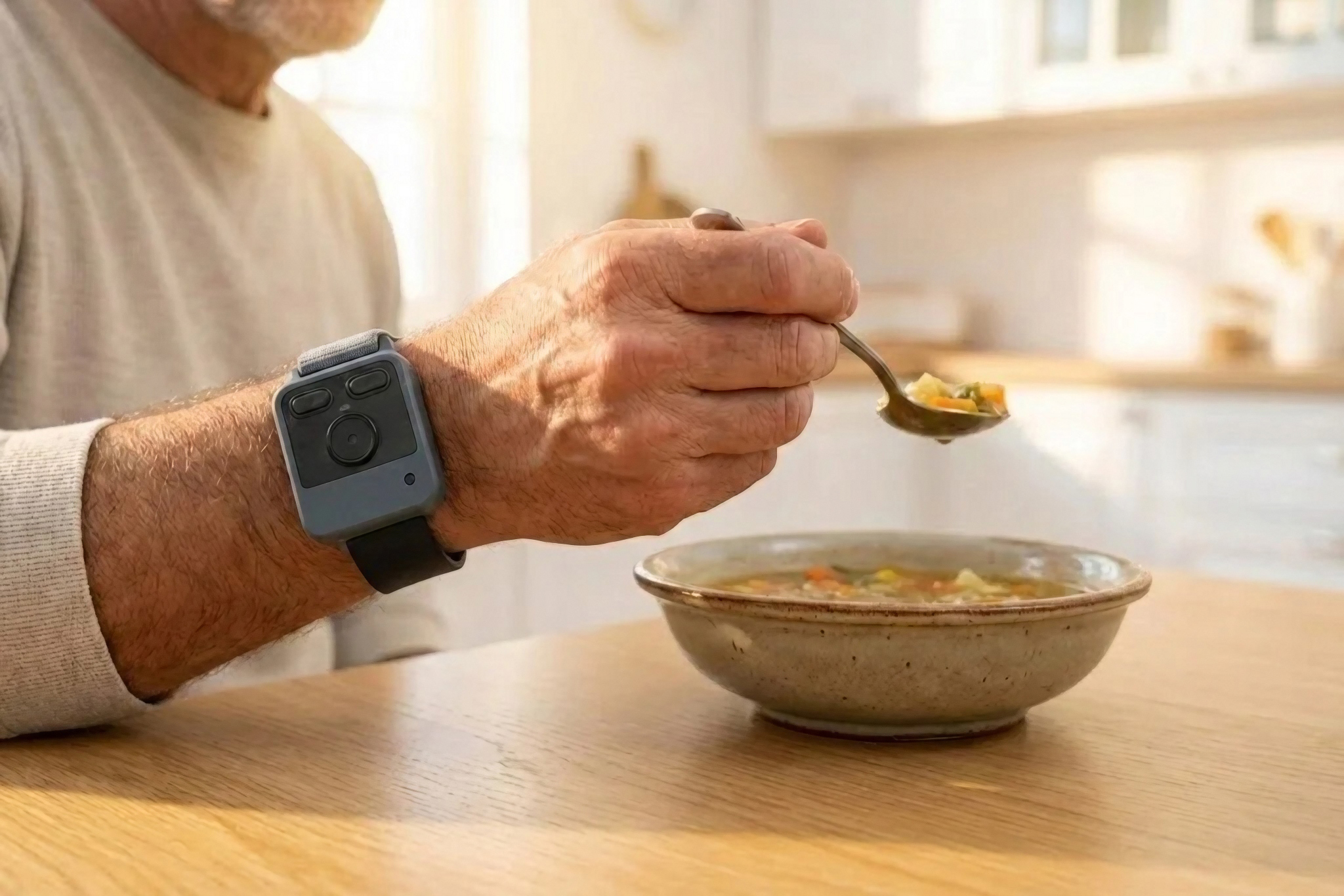
Encora Therapeutics has secured FDA clearance for a wrist-based device that treats essential tremors, which originally began as a student project in a renowned MIT product design course. This successful transition from academic coursework to an approved medical treatment demonstrates the tangible real-world impact of university engineering programs.
CommentsHow Do Cuttlefish Hide?
2026-10-14Scientists have successfully developed a transgenic cuttlefish model to investigate the complex neurological mechanisms behind the animal's remarkable camouflage abilities. While this breakthrough provides unprecedented insights into cephalopod biology, researchers caution that the genetic modifications initially induced behavioral changes in the specimens. Furthermore, captive environments lack the diverse textures and predatory threats of the wild, potentially limiting the study of dynamic camouflage responses.
Comments2026-10-13
Scientists have successfully reprogrammed blood cells from an 80-year-old donor into stem cells with a molecular age of under 20, marking a major breakthrough in cellular age reversal. This achievement has fueled public optimism about the potential for massive human life extension within our lifetimes. However, some observers caution that this advanced cell reprogramming technology could be used to grow artificial brains for AI workloads before functional anti-aging treatments become accessible.
Comments
Leaving Tech
2026-10-13A growing number of technology professionals are abandoning the industry, citing widespread burnout, ethical concerns, and a desire for more meaningful work. This ongoing exodus highlights a broader cultural shift as knowledge workers increasingly seek fulfillment and stability outside the high-pressure environment of Silicon Valley.
CommentsThe article explores how applying neuroscience and psychological frameworks can help overcome the emotional hurdles of decluttering. Readers highlight practical cognitive strategies, such as setting a strict nostalgia budget for sentimental items or mentally evaluating whether they would repurchase an object today. By reframing how we assess our possessions, these techniques make it significantly easier to let go of unnecessary clutter.
Comments2026-10-12
Tattoos you can turn on and off
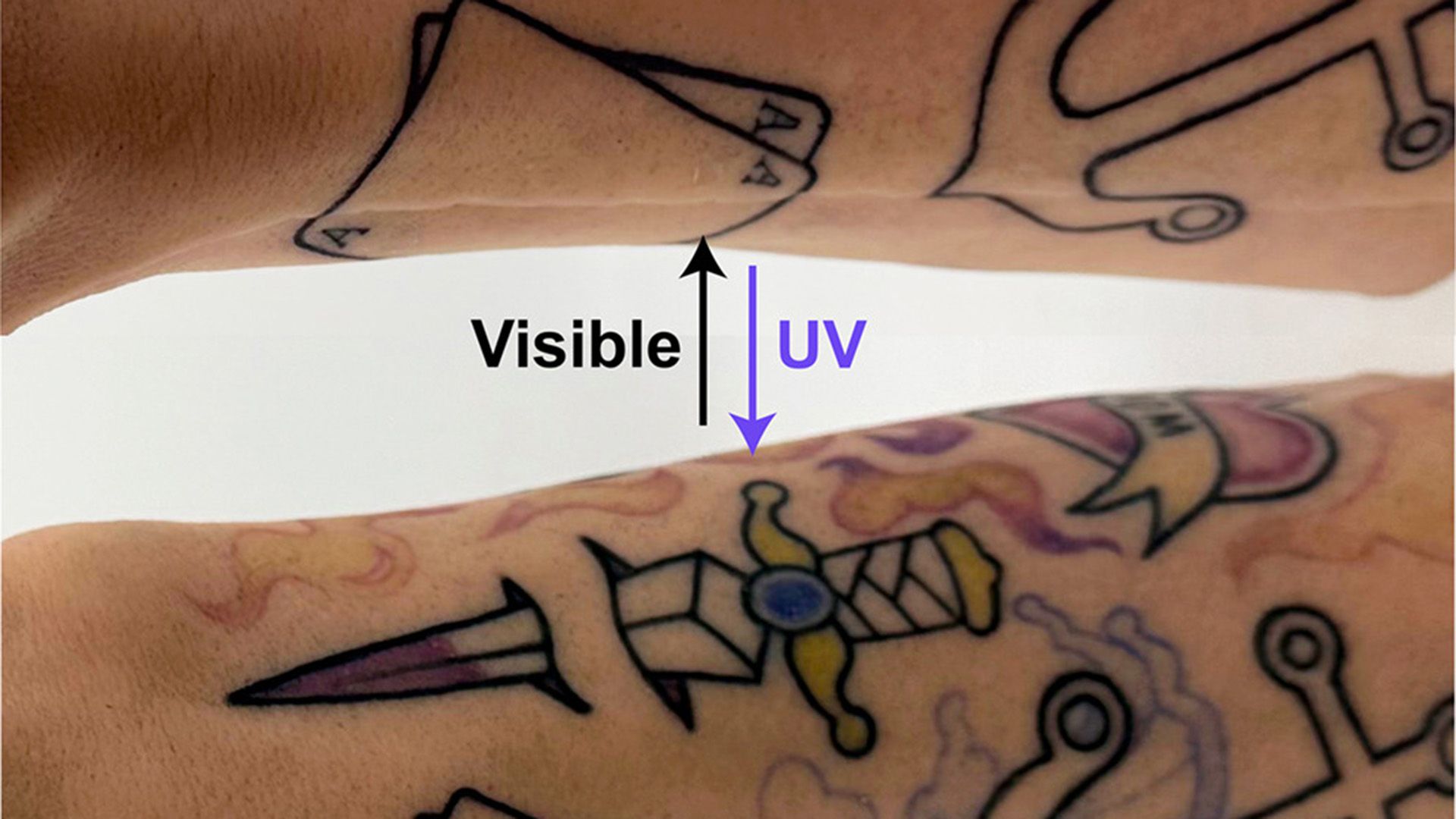
2026-10-12Researchers have developed multicolored tattoo inks that can be toggled on and off using specific wavelengths of light. This innovation allows individuals to easily conceal their body art in various professional or social situations.
CommentsTerence Tao: Math 2.0 [pdf]
2026-10-12Readers are debating mathematician Terence Tao's recent presentation on the future of AI, specifically focusing on his hypothetical example of an AI-discovered cancer drug that functions without a human-understandable mechanism. While some medical professionals argue this example is poorly informed and misrepresents how doctors would actually adopt such treatments, others defend his underlying warnings about AI misalignment and the dangers of blindly delegating complex reasoning to machines.
CommentsResearchers have developed photochromic nanoparticle inks that enable the creation of programmable, rewritable tattoos. By utilizing UV lasers, these dynamic pigments can be precisely applied, potentially allowing for 3D-printed, changeable skin displays. Tech enthusiasts speculate this breakthrough could eventually lead to futuristic applications like implanted, forehead-mounted lie detectors.
Comments2026-10-11

Food processing significantly impacts both metabolism and brain activity in healthy adults, according to new research. Even when meals are strictly matched for calories and nutrients, different preparation methods result in distinct metabolic responses and altered activity in the brain's reward system. These findings suggest that the physical structure of food plays a crucial role in human health beyond its basic nutritional content.
CommentsA recent research paper titled Eye of Sauron introduces a method for detecting long-range hidden spy cameras, though it acknowledges limitations against completely passive surveillance devices. The findings spark broader discussions on the enduring challenges of electromagnetic eavesdropping and side-channel attacks. Ultimately, the conversation illustrates how modern shielded display technologies have made remote signal interception techniques like Van Eck phreaking significantly more difficult than in the past.
Comments
Researchers analyzing tiny radioactive fragments from the 1986 Chernobyl disaster have discovered that the nuclear fuel is far more stable than previously assumed. This unexpected finding regarding the material's degradation over the past four decades could enable scientists to make much more precise assessments of the long-term health risks posed by radioactive contamination.
Comments2026-10-09

Theranos.world
2026-10-09A new interactive website called Theranos.world allows users to explore a digital simulation of Elizabeth Holmes' desk. Visitors can open her MacBook, scroll through her iPhone, and run the Edison machine. The simulation features real text messages and emails from her fraud trial, which were parsed and integrated by the data company Extend.
Comments
A coalition of major tech companies and government agencies has committed $1.8 billion to expand the Virtual Biology Initiative. This collaborative investment from organizations including Google, Meta, the NIH, and the DOE will focus on creating open, AI-ready biological datasets to accelerate scientific research.
Comments
Accumulating evidence suggests that a substantial subgroup of individuals with ADHD experiences significant circadian rhythm dysfunction. This high prevalence indicates a strong biological link, leading researchers to reclassify the condition as a circadian rhythm disorder for many patients. Consequently, chronotherapy is emerging as a targeted treatment approach to realign the internal clock and better manage symptoms.
Comments2026-10-08
A new analysis of Rosalind Franklin's notebook entries challenges the historical narrative that she failed to recognize the double-helix structure and complementary base pairing of DNA. Her notes reveal she actually conceived of a two-chain helix with complementary bases prior to Watson and Crick publishing their famous model. This evidence recontextualizes her crucial intellectual contribution to the discovery of the structure of the DNA molecule.
Comments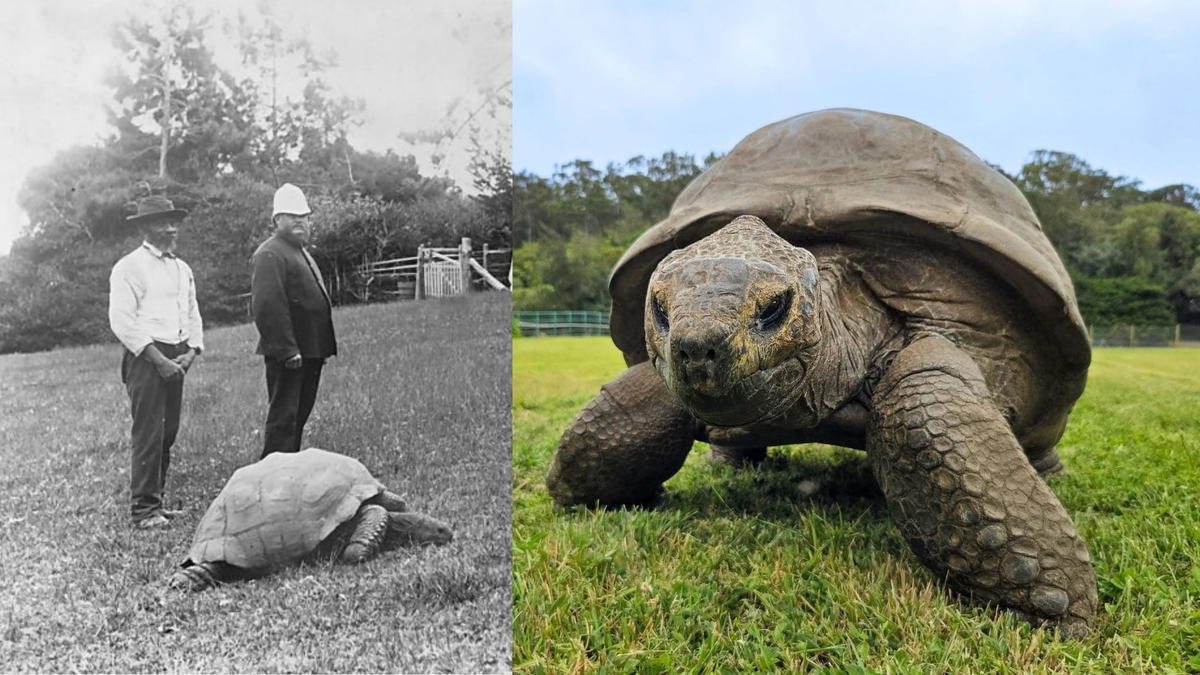
Scientists have sequenced the genome of Jonathan, a 194-year-old Aldabra giant tortoise and the world's oldest known land animal. By analyzing his DNA, researchers hope to uncover the genetic mechanisms behind his extreme longevity. These insights could eventually lead to breakthroughs in human aging and help people live longer.
CommentsResearchers in Vienna and Beijing have successfully activated the world's first thorium nuclear clocks, a breakthrough detailed in a new Nature journal article. Although thorium is one of the rarest elements in the galaxy, it is highly abundant in the Earth's crust and serves as a primary component of natural background radiation.
Comments2026-10-07
LLMs may have helped my RSI
2026-10-07A personal tech blog post details how the author's Repetitive Strain Injury improved after incorporating Large Language Models into their daily workflow. The writer explains that relying on AI for text generation and coding tasks significantly reduced the physical strain on their hands and wrists.
Comments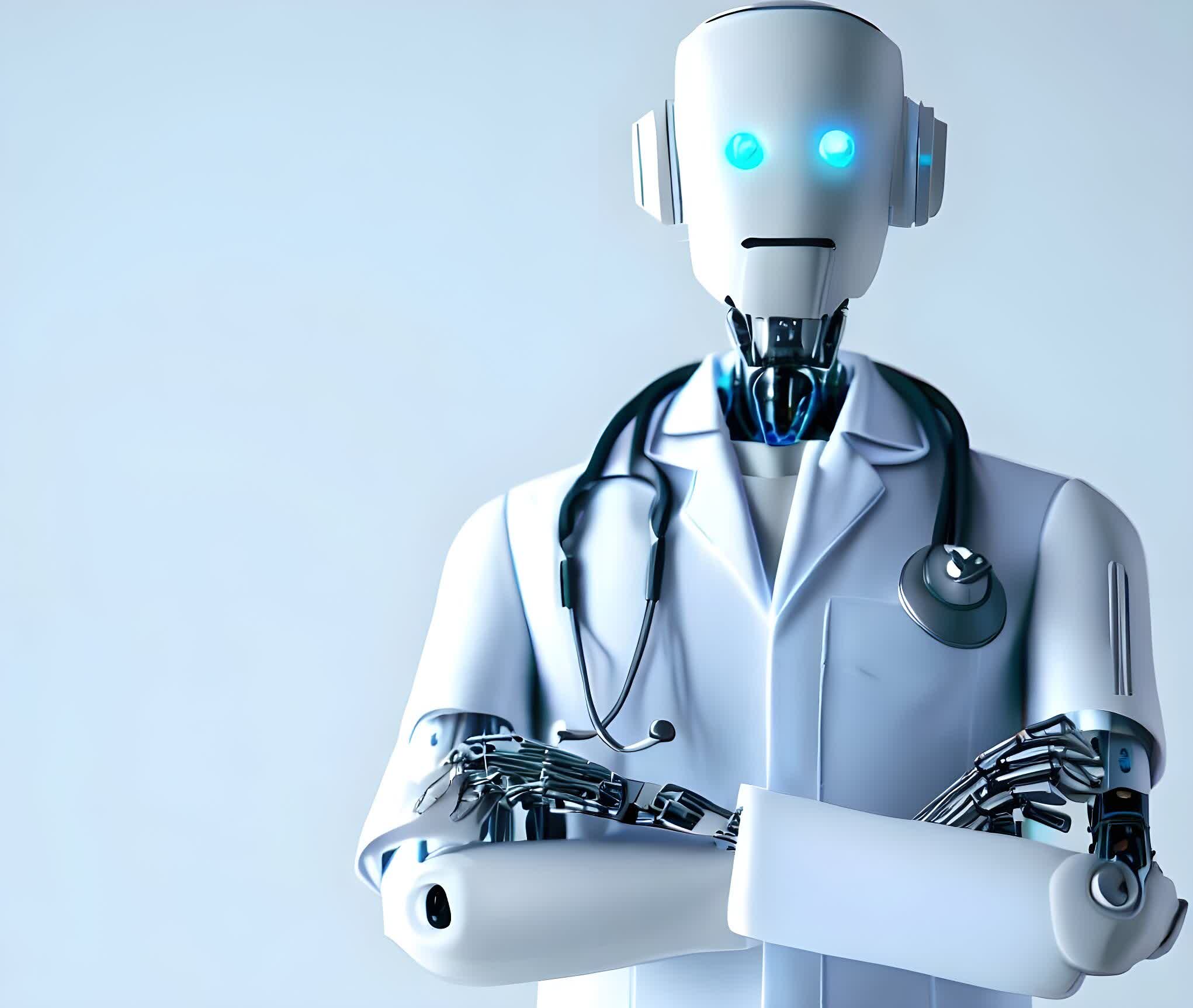
Utah has approved a program allowing artificial intelligence to examine patients and prescribe medication without human oversight. The initiative is currently limited to a one-year pilot focusing exclusively on treating mild-to-moderate acne.
Comments2026-10-05
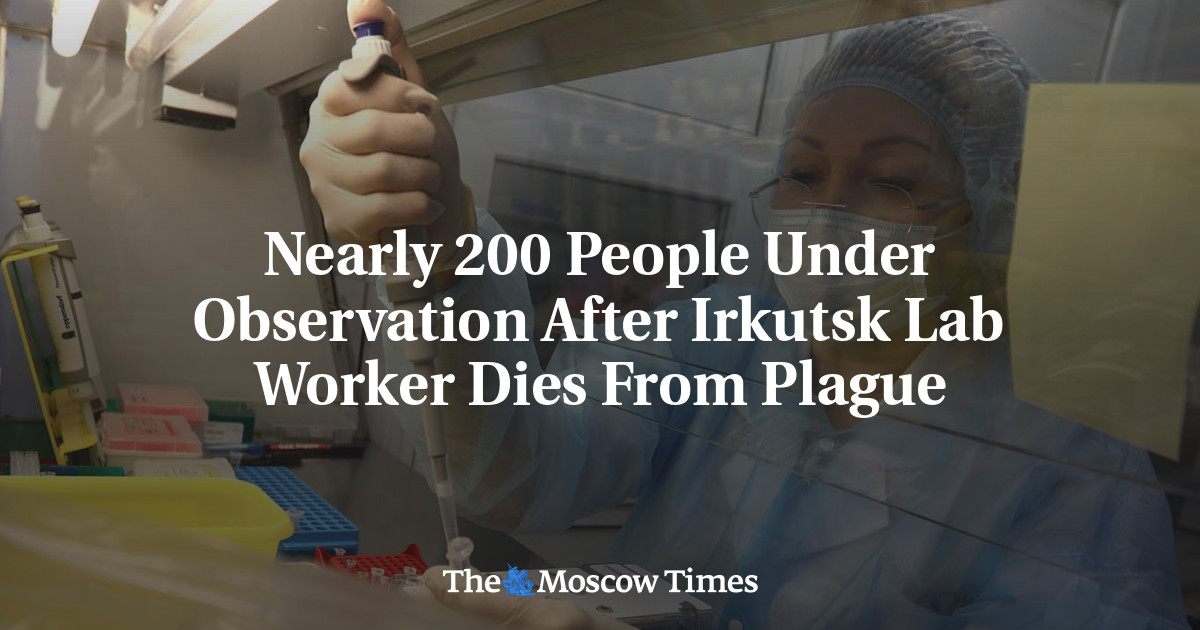
Health authorities in Siberia's Irkutsk region have placed nearly 200 people under medical observation after a laboratory worker died from the plague. The widespread monitoring of these contacts was confirmed by a regional leader on Friday. This precautionary measure aims to prevent any potential spread of the disease following the fatal laboratory incident.
Comments2026-10-04

A Webster man is celebrating the 100th birthday of the kidney his mother donated to him during a 1978 transplant at Strong Hospital. Ray Vetuskey was just 16 years old when he received the life-saving organ. This remarkable medical milestone marks a full century since the kidney was born.
Comments2026-10-03

Things that apparently cause cancer
2026-10-03This article critiques the flawed methodologies behind sensationalized studies claiming everyday items and technologies cause cancer. The author questions the actual validity of these measurements, highlighting how poor scientific practices lead to misleading health scares in the media.
Comments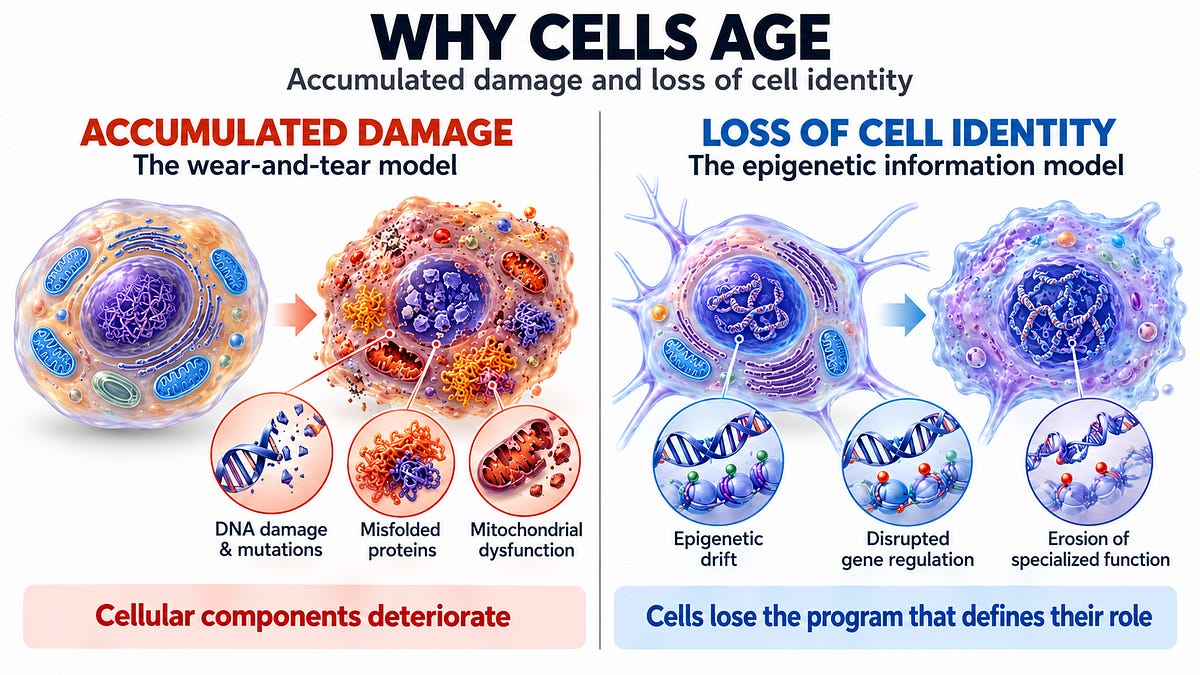
Two new studies demonstrate that the loss of cellular identity is the primary driver of human aging. This discovery also explains the underlying mechanism that biological and epigenetic aging clocks use to measure physiological age.
Comments2026-10-02
A recent data-privacy study highlights growing concerns over the extensive telemetry collected by modern connected vehicles, which is often difficult or impossible for drivers to opt out of. In response to these privacy intrusions and potential insurance penalties, many consumers are seeking older models without internet connectivity or resorting to physically disabling cellular modems to protect their driving data.
Comments2026-10-01
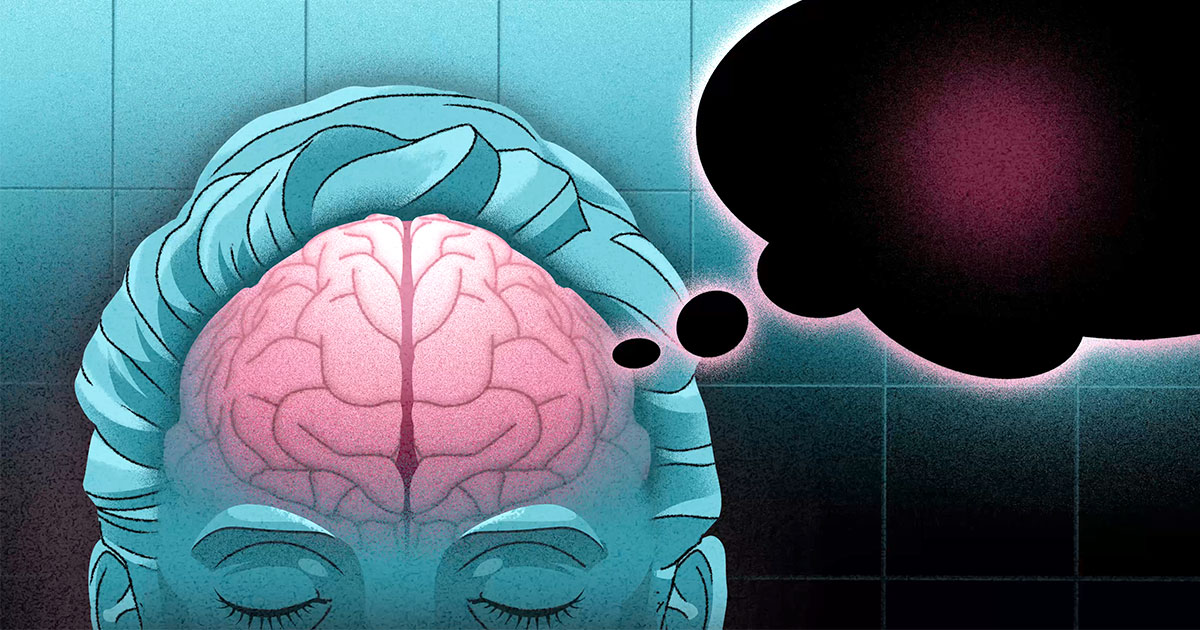
Recent research has uncovered unexpectedly complex wave patterns traveling across the human brain that dynamically reorganize neural activity in real time. These newly discovered patterns provide crucial insights into the brain's inner workings and how it continuously coordinates information processing.
Comments