Health Tech News
2026-10-08
A new analysis of Rosalind Franklin's notebook entries challenges the historical narrative that she failed to recognize the double-helix structure and complementary base pairing of DNA. Her notes reveal she actually conceived of a two-chain helix with complementary bases prior to Watson and Crick publishing their famous model. This evidence recontextualizes her crucial intellectual contribution to the discovery of the structure of the DNA molecule.
Comments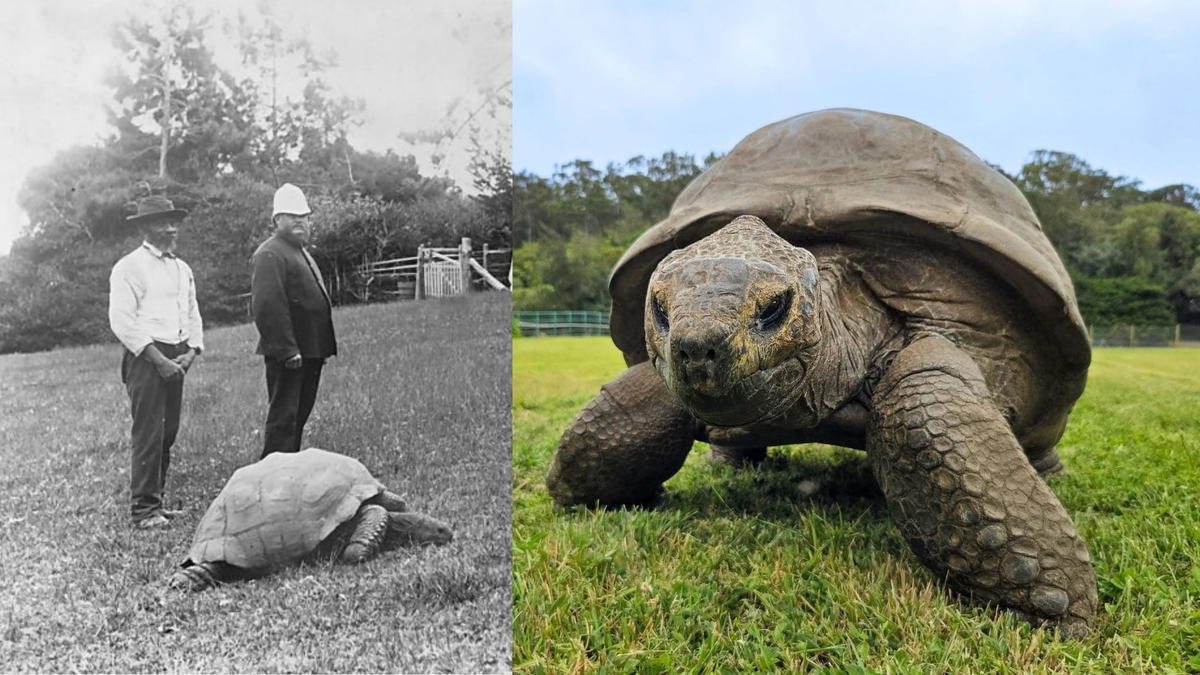
Scientists have sequenced the genome of Jonathan, a 194-year-old Aldabra giant tortoise and the world's oldest known land animal. By analyzing his DNA, researchers hope to uncover the genetic mechanisms behind his extreme longevity. These insights could eventually lead to breakthroughs in human aging and help people live longer.
Comments
Researchers in Vienna and Beijing have successfully activated the world's first thorium nuclear clocks, a breakthrough detailed in a new Nature journal article. Although thorium is one of the rarest elements in the galaxy, it is highly abundant in the Earth's crust and serves as a primary component of natural background radiation.
Comments2026-10-07
LLMs may have helped my RSI
2026-10-07A personal tech blog post details how the author's Repetitive Strain Injury improved after incorporating Large Language Models into their daily workflow. The writer explains that relying on AI for text generation and coding tasks significantly reduced the physical strain on their hands and wrists.
Comments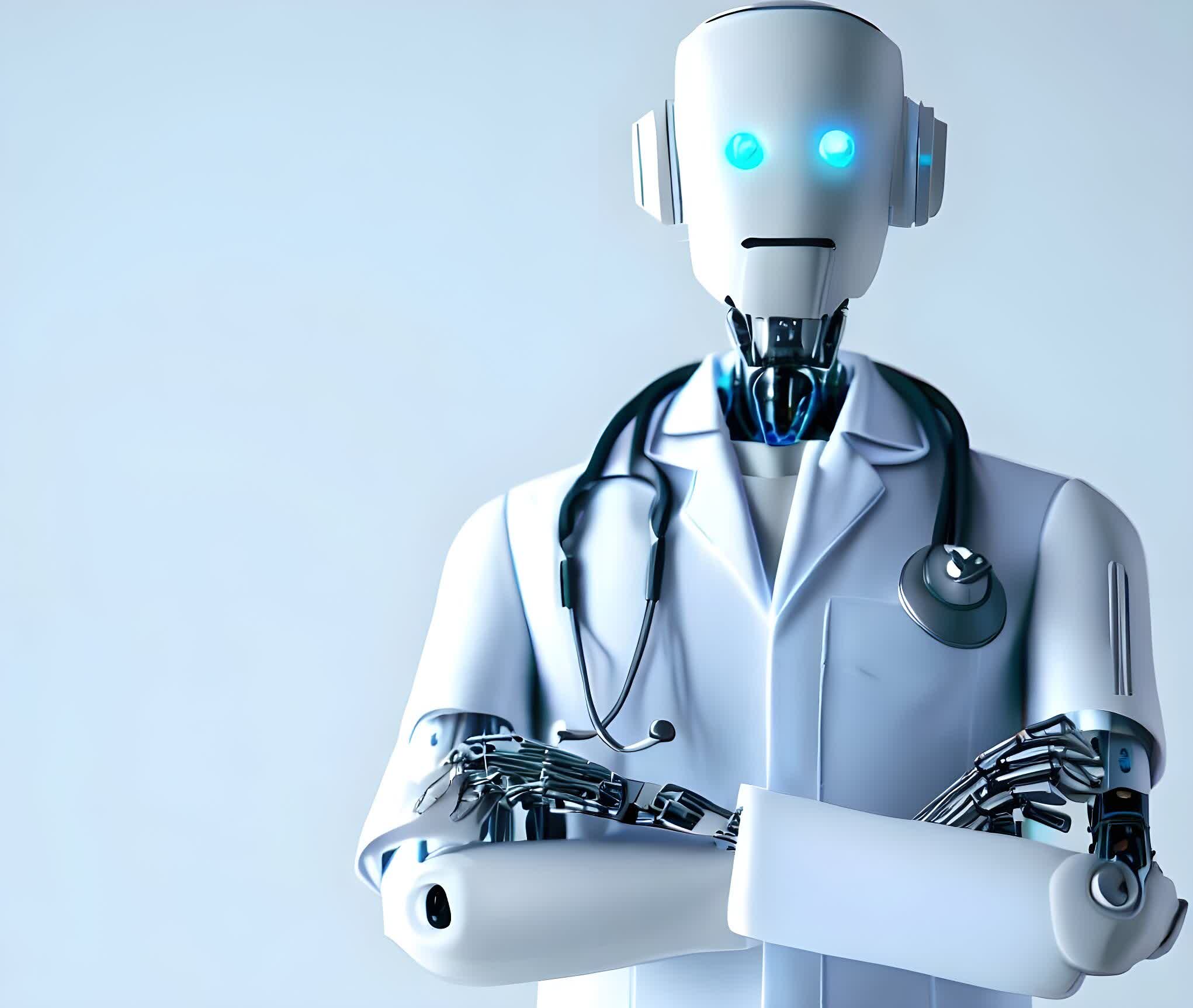
Utah has approved a program allowing artificial intelligence to examine patients and prescribe medication without human oversight. The initiative is currently limited to a one-year pilot focusing exclusively on treating mild-to-moderate acne.
Comments2026-10-05
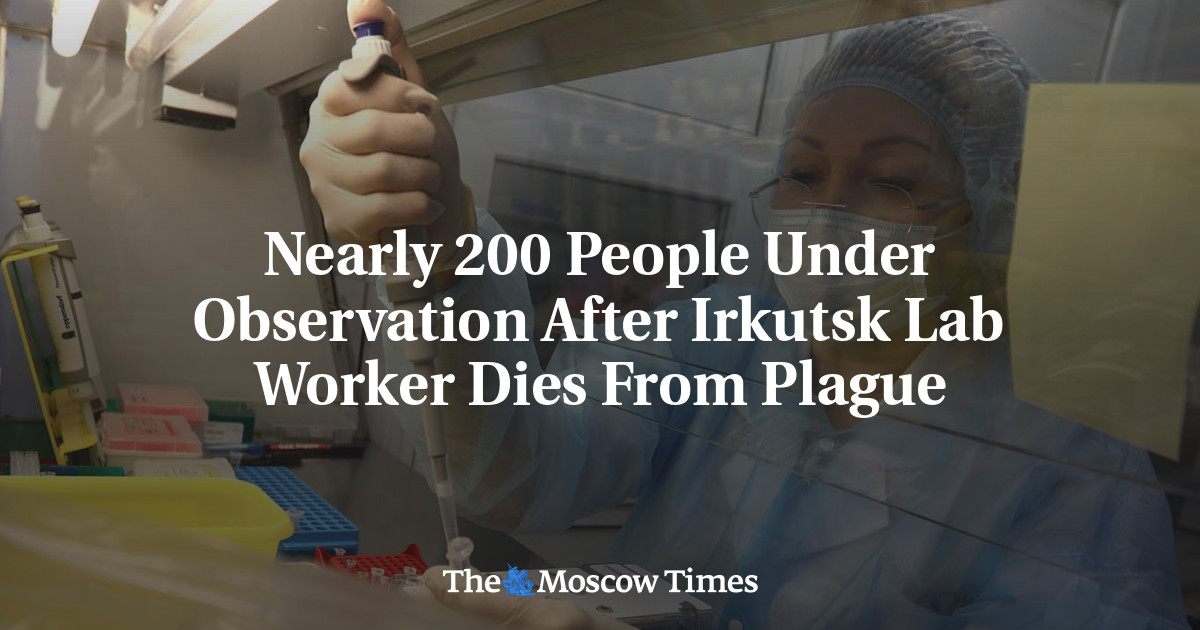
Health authorities in Siberia's Irkutsk region have placed nearly 200 people under medical observation after a laboratory worker died from the plague. The widespread monitoring of these contacts was confirmed by a regional leader on Friday. This precautionary measure aims to prevent any potential spread of the disease following the fatal laboratory incident.
Comments2026-10-04

A Webster man is celebrating the 100th birthday of the kidney his mother donated to him during a 1978 transplant at Strong Hospital. Ray Vetuskey was just 16 years old when he received the life-saving organ. This remarkable medical milestone marks a full century since the kidney was born.
Comments2026-10-03

Things that apparently cause cancer
2026-10-03This article critiques the flawed methodologies behind sensationalized studies claiming everyday items and technologies cause cancer. The author questions the actual validity of these measurements, highlighting how poor scientific practices lead to misleading health scares in the media.
Comments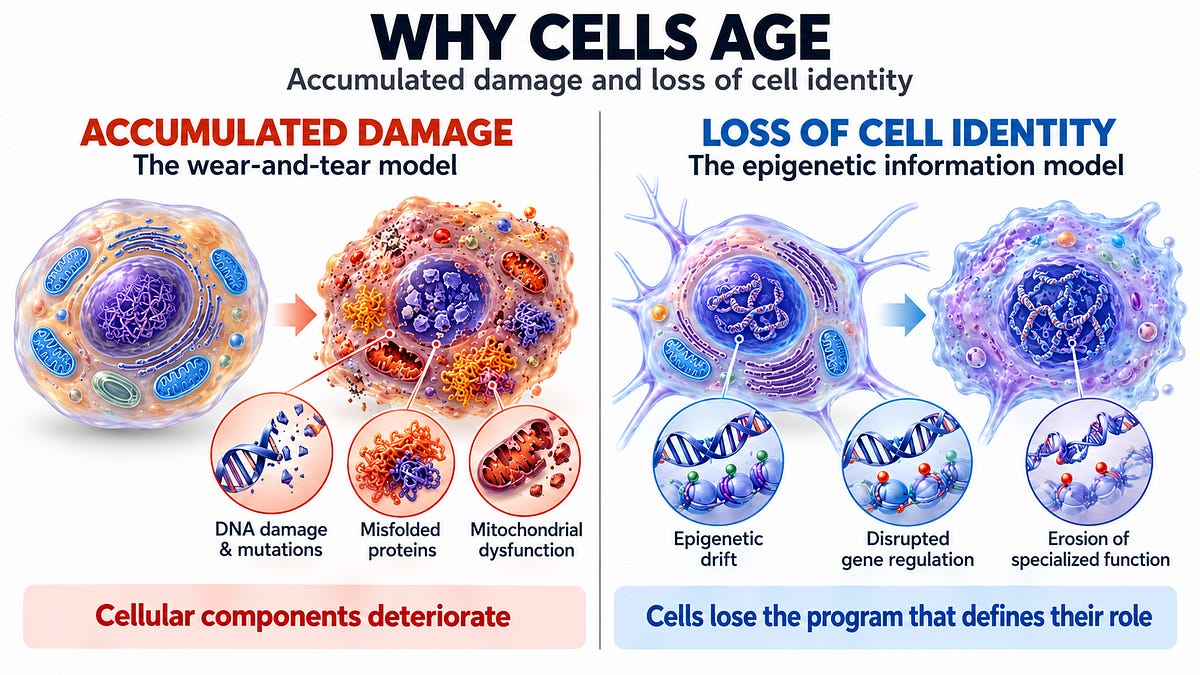
Two new studies demonstrate that the loss of cellular identity is the primary driver of human aging. This discovery also explains the underlying mechanism that biological and epigenetic aging clocks use to measure physiological age.
Comments2026-10-02
A recent data-privacy study highlights growing concerns over the extensive telemetry collected by modern connected vehicles, which is often difficult or impossible for drivers to opt out of. In response to these privacy intrusions and potential insurance penalties, many consumers are seeking older models without internet connectivity or resorting to physically disabling cellular modems to protect their driving data.
Comments2026-10-01
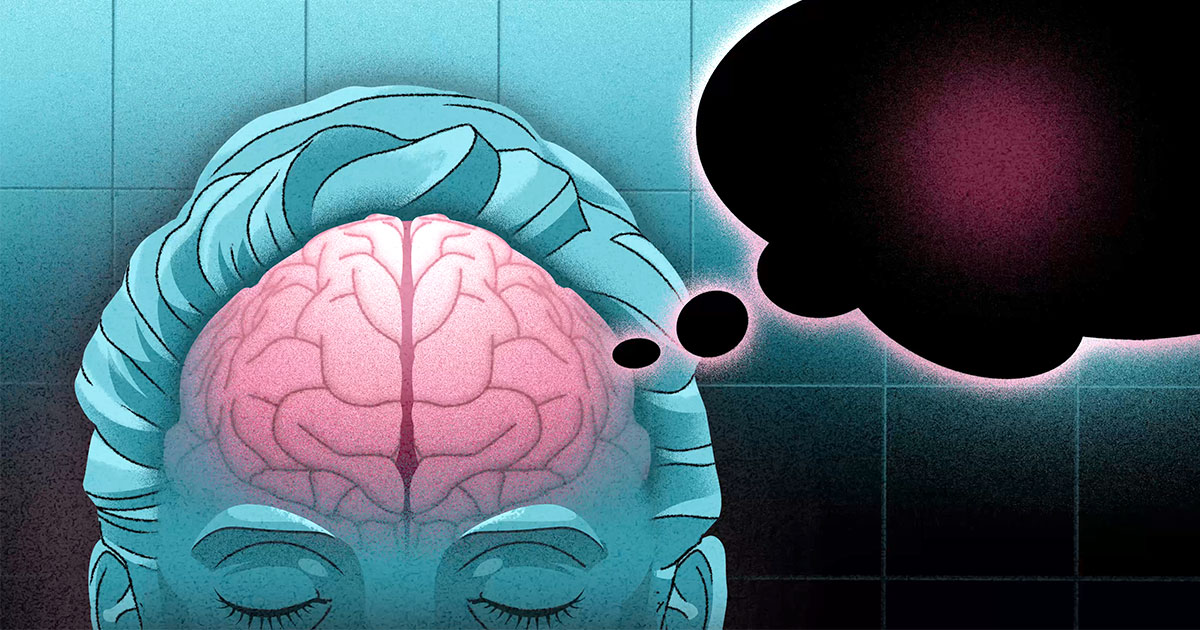
Recent research has uncovered unexpectedly complex wave patterns traveling across the human brain that dynamically reorganize neural activity in real time. These newly discovered patterns provide crucial insights into the brain's inner workings and how it continuously coordinates information processing.
Comments
An American MEXT scholar outlines the advantages and disadvantages of pursuing a machine learning PhD in Japan. The article provides practical insights into the experience, covering essential topics such as funding, part-time work, university life, and post-graduation career options.
Comments
Functional Ultrasound Imaging is emerging as an innovative new modality for brain imaging. This foundational guide breaks down the core concepts of the technology from scratch, explaining how it works and its potential applications in the field.
Comments2026-09-30

Vermont has created a virtual power plant by connecting thousands of residential home batteries, making it the state's largest energy source. This decentralized network effectively replaces the need for traditional power plants. It also provides residents with cheaper, cleaner electricity while protecting them from unexpected power outages.
Comments2026-09-28
As AI increases efficiency in the legal sector, clients are demanding lower prices instead of allowing firms to retain the savings from automated work. Meanwhile, reader discussions contrast this with the healthcare industry, where AI is frequently being used to upcode billing and charge patients extra out-of-pocket fees, raising concerns that technological advancements will simply create new ways for professionals to increase profit margins rather than reduce consumer costs.
Comments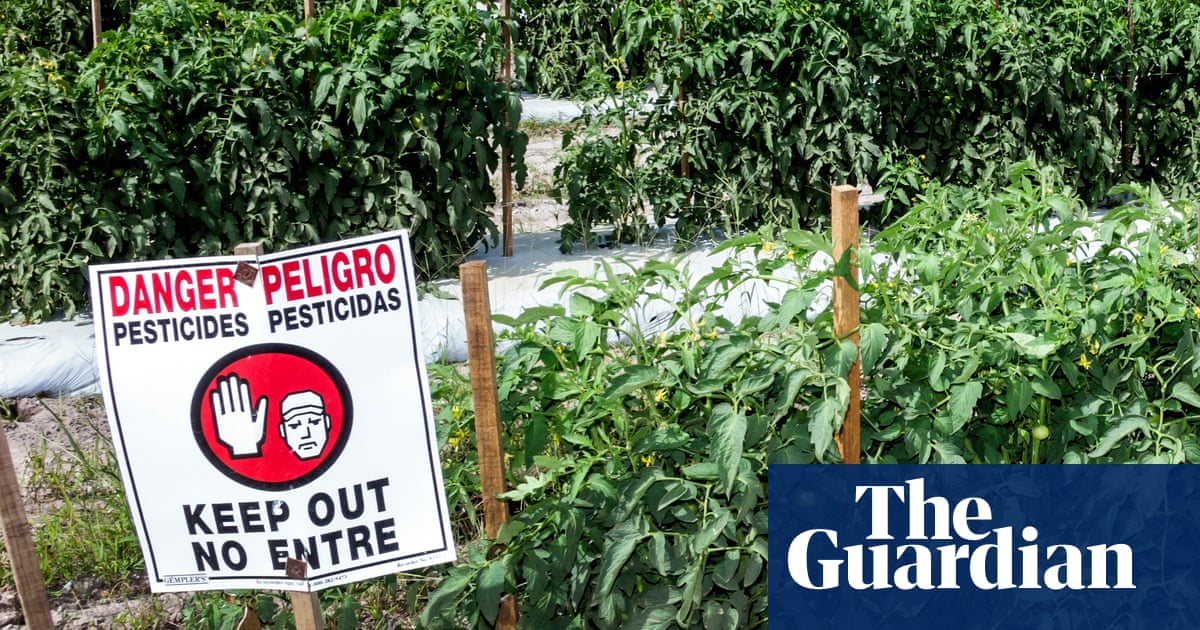
A new study has identified 485 chemicals in US pesticide products that are linked to breast cancer. This discovery raises significant concerns about the safety of the food supply and everyday consumer goods. The findings emerge as early-onset breast cancer rates continue to surge globally, prompting urgent questions about the health impacts of agricultural chemicals.
CommentsScientists discovered a rare single-celled organism called Paulinella in water sampled from a dock near an $80 motel, offering new insights into the evolution of plant life. Because Paulinella recently underwent a symbiotic merger with a cyanobacterium, this relatively unmodified organism serves as a crucial model for understanding the early hybridization processes that eventually gave rise to complex, photosynthetic life.
Comments2026-09-27

Despite a long history of failed attempts to prove that biological systems operate on quantum mechanics, researchers have discovered a surprising new connection between the two fields. The true relationship lies not in physical quantum effects, but in the shared mathematical frameworks used to model both disciplines. This quantumlike math offers a novel approach to understanding complex biological processes.
Comments
A space station worker suffers a severe reaction after being bitten by an unknown insect in the hydroponics bay and rushes to the medical clinic for treatment. The short narrative playfully highlights classic science fiction tropes, such as the station's artificial gravity.
Comments2026-09-26

Researchers are developing a smart contact lens that functions as a microscopic lab to monitor stress by measuring serotonin concentrations in tears. This non-invasive wearable technology could provide continuous, real-time insights into a user's mental health and emotional well-being.
Comments2026-09-25
Scientists are intensifying their research into the unique cellular mechanisms that allow the human liver to regenerate itself after severe injury. Unlocking the biological secrets behind this remarkable process could drive major breakthroughs in regenerative medicine and biotechnology. These insights may eventually allow medical technologists to replicate these natural healing capabilities in the lab to treat chronic organ failure.
CommentsA new minimalist web project featured on Hacker News provides a virtual koi pond for users to relax and unwind. The site, called Koi.rest, is designed as a digital space to do absolutely nothing and help people regain their mental balance.
Comments2026-09-24
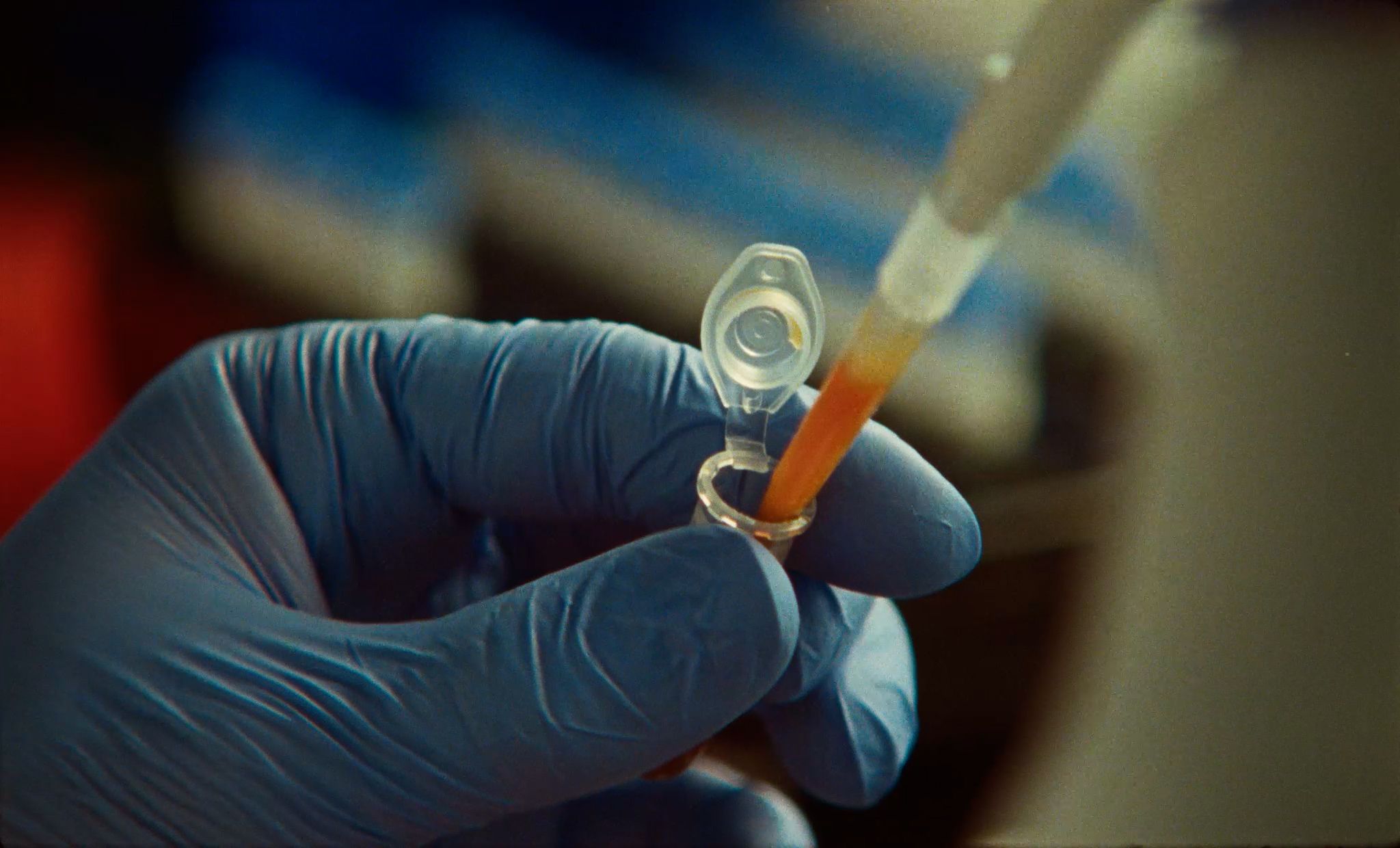
Researchers using Claude AI agents have discovered a novel enzyme system featuring CRISPR-like repeats during early experiments at a new life sciences lab. While the exact biological function of this newly identified system remains unknown, the findings demonstrate the expanding capabilities of AI in scientific discovery.
CommentsResearchers have developed an improved evolutionary timeline and genetic analysis of the second plague pandemic across Western Eurasia. This refined phylochronology provides deeper insights into the historical spread, genetic mutations, and long-term impact of the pathogen in the region.
Comments2026-09-23
A growing number of individuals addicted to vaping are turning to traditional combustible cigarettes as an unconventional method to quit. This surprising trend highlights the complex and evolving nature of nicotine dependency as users seek alternative ways to break their habits.
Comments
The physical sensation of warmth from sunlight is an unreliable indicator of sunburn risk, as ultraviolet radiation operates independently of ambient temperature. Consequently, individuals can easily suffer severe sunburns on cool days if they rely solely on how hot it feels outside. To properly protect your skin, it is essential to check the official UV index rather than trusting your body's thermal response.
Comments2026-09-21

A proposed bill seeks to ban private equity firms from owning medical practices amid concerns over the rapid corporate consolidation of healthcare. This legislative push follows a massive industry shift, with over 80 percent of doctors now employed by corporate entities compared to 62 percent just seven years ago.
Comments2026-09-20
Researchers associated with Stanford Health Care have identified that two parallel neural ectoderm progenitors play a crucial role in the development of the brain. This discovery provides valuable new insights into early neurological formation. Ultimately, these findings could inform future diagnostic and treatment approaches for a wide range of brain disorders.
Comments2026-09-19

Alibaba has open-sourced a new artificial intelligence model capable of detecting cancer and nearly 150 medical conditions. According to a study published in Science, the system outperformed the majority of human radiologists when evaluated on almost 40,000 real-world medical exams.
Comments
Scientists have discovered that the front and back of the developing brain originate from two distinct neural ectoderm progenitor cells in embryos. This finding suggests that these separate brain regions originally evolved as independent entities.
Comments