Health Tech News
2026-07-26
Despite significant technological advancements in drug discovery, clinical trial failure rates have remained stubbornly stable because the pharmaceutical industry continuously pushes boundaries to tackle increasingly complex diseases. Readers note that this persistent equilibrium reflects shifting criteria for medical success, the elimination of easy targets, and the heavy career toll on scientists working to translate early research into human outcomes.
Comments
General Motors is investing in a sodium-ion battery startup to improve U.S. grid storage with safer, high-temperature technology. The new batteries promise quieter operation and an impressive 20-year durability for long-term energy infrastructure.
Comments
2026-07-25
Taylor Farms contacted the White House in an attempt to delay a recall of its products linked to a Cyclospora outbreak. The agricultural company sought to postpone the removal of the potentially contaminated produce from store shelves.
Comments2026-07-24

Writing by hand is good for your brain
2026-07-24Recent studies highlight that writing by hand recruits more brain activity than other methods, offering distinct cognitive benefits. This increased neural engagement reinforces the value of traditional pen-and-paper note-taking for overall brain health.
CommentsScreenpipe is a newly launched YC-backed tool that continuously captures local screen and audio data to provide persistent, searchable context for AI agents. It prioritizes user privacy by offering customizable recording schedules, app filtering, and support for local or encrypted LLM processing. Developers are already utilizing its optimized performance to build personalized AI assistants and privacy-first enterprise workflow alternatives.
Comments
Researchers have developed a novel solid-state atomic channel to efficiently separate rare earth elements such as lanthanum, neodymium, and dysprosium. This innovation could streamline the production of these critical materials, which are essential components in electric vehicle motors, LED lights, and MRI machines.
Comments
Police removed several prominent researchers from the American Diabetes Association meeting after they distributed an editorial criticizing recent policy changes to research funding. The ejection has sparked widespread concern and strong pushback from the broader scientific community regarding the suppression of academic discourse.
Comments2026-07-23

After more than 400 years, new research has solved the mystery surrounding the death of a prominent ruler from the Florentine Medici family. The study concludes that the historical figure died from a natural illness rather than foul play. This finding puts to rest centuries of speculation regarding the powerful dynasty.
Comments2026-07-22

A court has ruled that Apple is not liable for its handling of private iCloud files after the company declined to use industry-standard tools to scan for child sexual abuse material. Instead of adopting the widely used PhotoDNA system, Apple developed its own less effective proprietary technology before ultimately abandoning the scanning initiative. The ruling clears the tech giant of legal responsibility regarding its previous approach to user-uploaded content.
Comments2026-07-20

LEDs’ potential to save our night skies
2026-07-20Although LED lighting was initially expected to reduce light pollution, poor implementation has worsened the problem and negatively impacted both human sleep and wildlife. However, adopting smarter lighting designs and better planning strategies can mitigate these effects and help restore our night skies.
CommentsY Combinator startup Bloomy launched an AI-powered K-12 tutoring platform, but faced heavy criticism from educators over the generic quality of its AI-generated curriculum and high subscription costs. Critics also raised significant concerns regarding the cognitive impacts of increased screen time and opaque student data privacy practices. In response, the founders defended the authenticity of their educator testimonials and clarified that they utilize zero-data-retention agreements to protect student information.
Comments2026-07-18

Google DeepMind and Isomorphic Labs are leveraging advanced AI models to strengthen global bioresilience against biological threats. By applying artificial intelligence to this critical field, the companies aim to significantly improve prevention, detection, and response capabilities for potential outbreaks.
Comments2026-07-17

Kaiser Permanente nurses handling triage calls warn that the increasing use of AI and workplace surveillance is negatively impacting both their working conditions and patient care. The healthcare workers argue that these technologies threaten their fundamental duty of care by prioritizing corporate metrics over patient well-being.
CommentsA recent EEG study reveals that the human brain can temporarily encode two competing speech streams simultaneously when rapidly switching auditory focus. Researchers found that neural tracking of a new speaker begins before the brain disengages from the previous one. This transient dual encoding, supported by reduced alpha power, explains how we flexibly navigate complex listening environments.
Comments2026-07-15
A 2023 study reveals that maintaining a consistent sleep schedule is a stronger predictor of mortality risk than the total number of hours slept each night. The findings emphasize that keeping a steady bedtime and wake-up time is ultimately more critical for long-term health and longevity than simply trying to accumulate more total hours of rest.
CommentsThis article emphasizes the critical need to prioritize mental health within the demanding tech industry to prevent employee burnout and maintain long-term productivity. It highlights that fostering open, transparent communication is essential for building supportive teams where individuals feel comfortable discussing their well-being.
Comments2026-07-14

Japanese scientists have developed a new extraction method capable of recovering up to 90% of lithium from used electric vehicle batteries. This eco-friendly breakthrough could significantly reduce the environmental impact of battery disposal and decrease reliance on raw lithium mining.
CommentsThe kids with phones are alright
2026-07-14Discussions surrounding a recent article on youth smartphone access highlight concerns that algorithmic social media poses severe mental health and developmental risks to children. While many commenters advocate for strict regulations or outright bans to protect minors, others warn that such legislation could lead to government overreach and narrative control under the guise of child protection. The debate underscores the complex challenge of mitigating the harms of social media without sacrificing broader digital freedoms.
Comments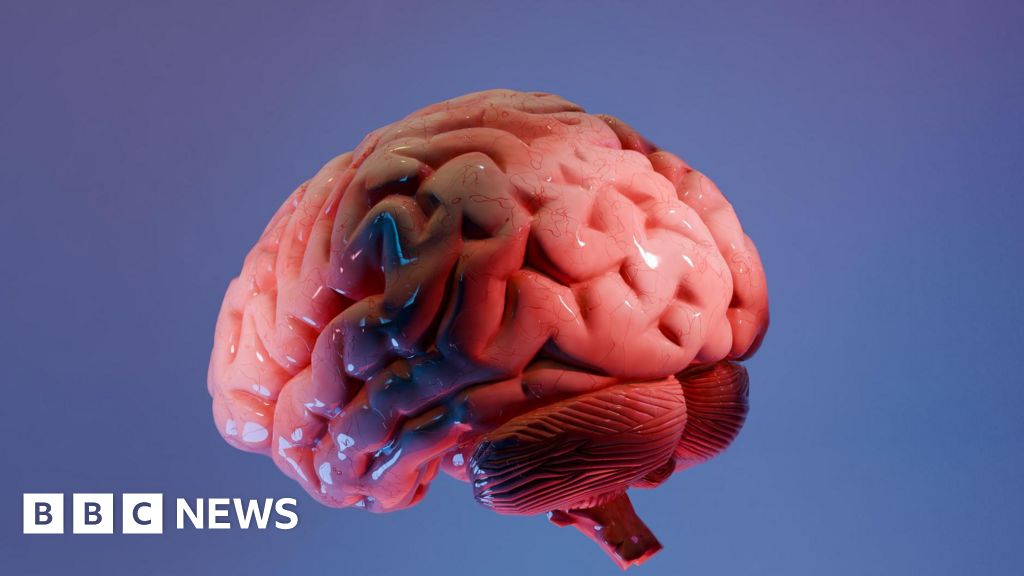
Indian scientists have developed the most detailed 3D atlas of the human brainstem, providing an unprecedented map of this complex and poorly understood brain region. This groundbreaking achievement offers researchers a highly comprehensive visual guide expected to significantly advance future neurological studies and medical research.
Comments2026-07-13
Samsung is facing backlash over plans to collect sensitive user data, including medical records and cycle tracking details, to train its AI models through the Samsung Health app. Users who opt out of this data collection reportedly face the deletion of their stored information or lose access to essential app features. The controversial update has sparked widespread consumer outrage, prompting calls for regulatory intervention and boycotts against the company's aggressive data harvesting practices.
Comments2026-07-12
A developer recovering from health issues is leveraging AI coding tools to build a 2D roguelite game, prompting a broader Hacker News discussion on AI's role in game development. While participants praise AI for handling complex architecture and logic, they note it currently struggles with timing-based mechanics due to its inability to process real-time movement. However, commenters remain optimistic that rapid advancements in specialized inference hardware will soon overcome these temporal limitations.
CommentsA resurfaced 2016 blog post by retired physician Ken Murray reveals that doctors frequently choose less aggressive, comfort-focused end-of-life care for themselves compared to the interventions they routinely prescribe for patients. By sharing personal anecdotes of colleagues facing fatal diagnoses, the article advocates for more open discussions about palliative care and prioritizing quality of life over futile medical procedures.
Comments2026-07-11

Scientists warn that modern design elements like LED lighting and repetitive architectural patterns can overload the brain's visual processing system. This continuous sensory strain is causing physical distress, headaches, and nausea for millions of people.
CommentsSilent speech with ultrasound
2026-07-11Researchers have developed a machine learning model that enables silent speech by predicting words from ultrasound video of the tongue without requiring the user to vocalize. The system generalizes across different individuals to decode open-vocabulary text, achieving a 15.6% word error rate.
Comments
Although the toxic nature of lead was known from the very invention of leaded gasoline, it was widely adopted as the standard automotive fuel for decades. The prolonged and widespread burning of this poison throughout the mid-twentieth century has resulted in devastating and long-lasting consequences for global public health and the environment.
Comments2026-07-10

Developers have built a real-time AI tutor designed to teach math and reading to children aged four to nine. Because young learners require immediate feedback and cannot read text interfaces, the team integrated early childhood pedagogy directly into the system's engineering. The article details the key architectural decisions and technical lessons learned from creating a fast and highly accurate educational model for young children.
CommentsRecent advancements in AI enable the generation of highly optimized videos designed to maximally stimulate specific target brain regions. Readers warn that tech companies could exploit this capability to create surgically targeted, hyper-addictive content. This development raises severe concerns about unprecedented psychological manipulation and the evolution of digital media into perfectly engineered behavioral triggers.
Comments
While previous research has heavily focused on the negative effects of teen screen time, a new study examines how parental device use impacts the adolescent-caregiver attachment bond. The findings reveal that parents' technology habits can significantly disrupt their relationship with their teenage children, highlighting a critical and previously overlooked gap in psychological research.
Comments2026-07-09
Researchers have discovered that spider venom can selectively eliminate devastating varroa mites without harming honeybees. Beekeepers currently rely on complex and labor-intensive management techniques, such as brood cycle interruption and chemical deterrents, to combat these destructive pests. This new targeted approach could offer a highly effective and streamlined solution for protecting honeybee colonies.
Comments
A recent analysis explores the botched economics driving the exorbitant cost of ambulance rides in the United States. The article details how fragmented emergency care, opaque billing practices, and a complex mix of private and public providers create a system where patients bear the brunt of the financial burden. Ultimately, these systemic flaws in healthcare pricing make emergency medical transport uniquely and persistently expensive for American consumers.
Comments