Health Tech News
2026-05-15

The UK government has released new details and photographs of an airdrop mission to the remote island of Tristan da Cunha. Executed on 9 May 2026, the intrepid operation successfully delivered urgent medical support to the isolated territory. This logistical feat highlights the complex planning required to provide emergency aid to one of the world's most inaccessible locations.
Comments
Ontario auditors discovered that AI medical note-taking systems used by doctors frequently generate inaccurate patient records. Evaluations revealed that 60% of the tested AI scribe tools incorrectly mixed up prescribed medications in their notes. These errors raise significant concerns about the reliability and safety of deploying artificial intelligence in healthcare settings.
Comments
2026-05-13
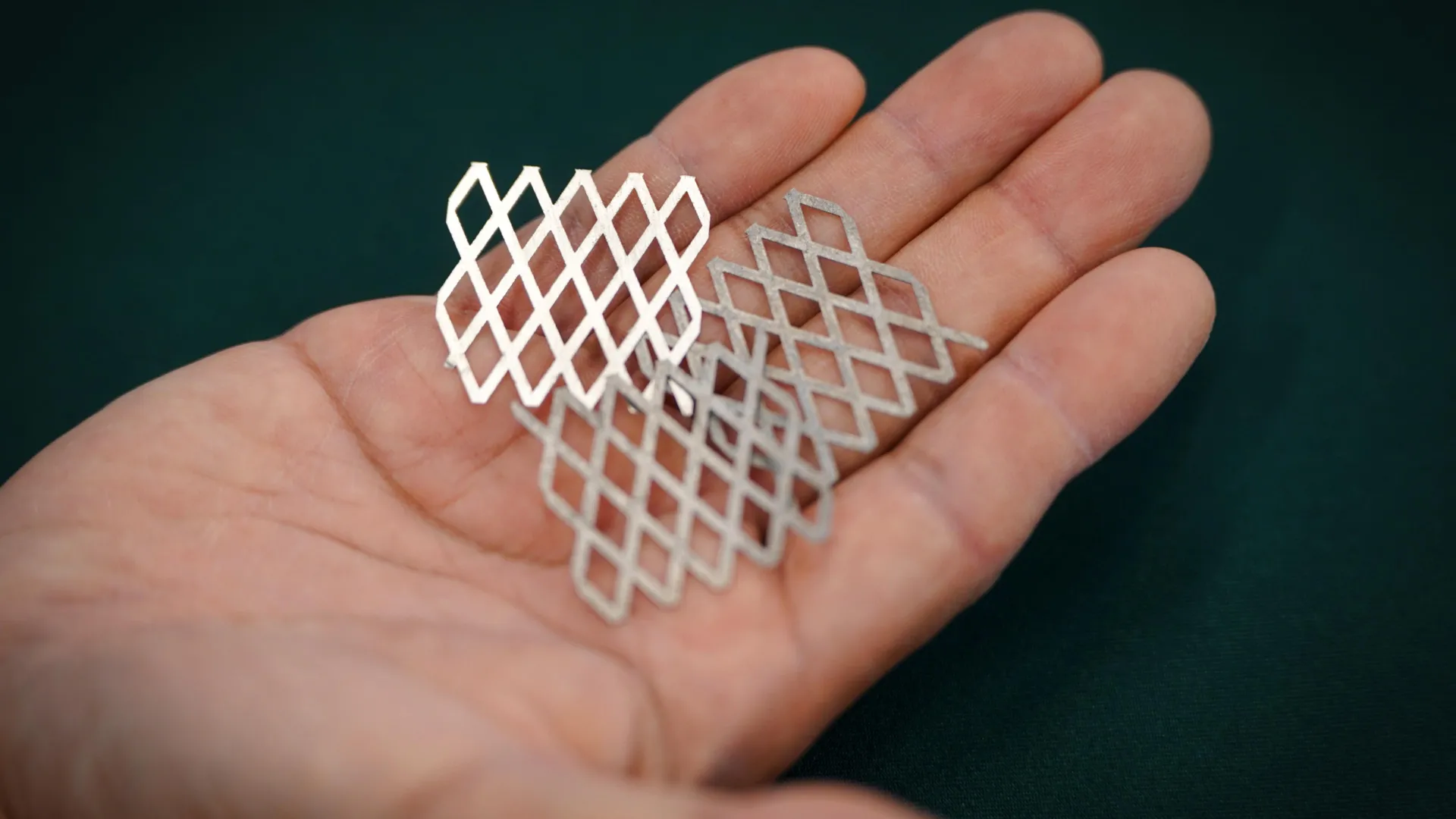
Researchers at the University of Hong Kong have developed a highly corrosion-resistant stainless steel capable of withstanding the harsh conditions required to produce green hydrogen from seawater. Utilizing a novel double-protection mechanism, this durable new material could serve as a cost-effective alternative to the expensive titanium components currently used in hydrogen production systems.
CommentsA newly published guide outlines the use of the Cradle AI platform for protein lead optimization in early drug discovery. Although some scientists caution that purely data-driven machine learning models lack the physical context to accurately capture complex protein structures, developers highlight that fine-tuning foundation models for specific local tasks successfully predicts crucial traits like binding and aggregation.
Comments
Recent research indicates that human lifespan is approximately 50% heritable when statistical definitions of heritability are redefined using alternative ratios. This revised metric significantly increases previous estimates, suggesting genetics play a much larger role in longevity than traditionally believed. The findings highlight how the choice of mathematical frameworks can drastically alter our understanding of complex biological traits.
Comments2026-05-11
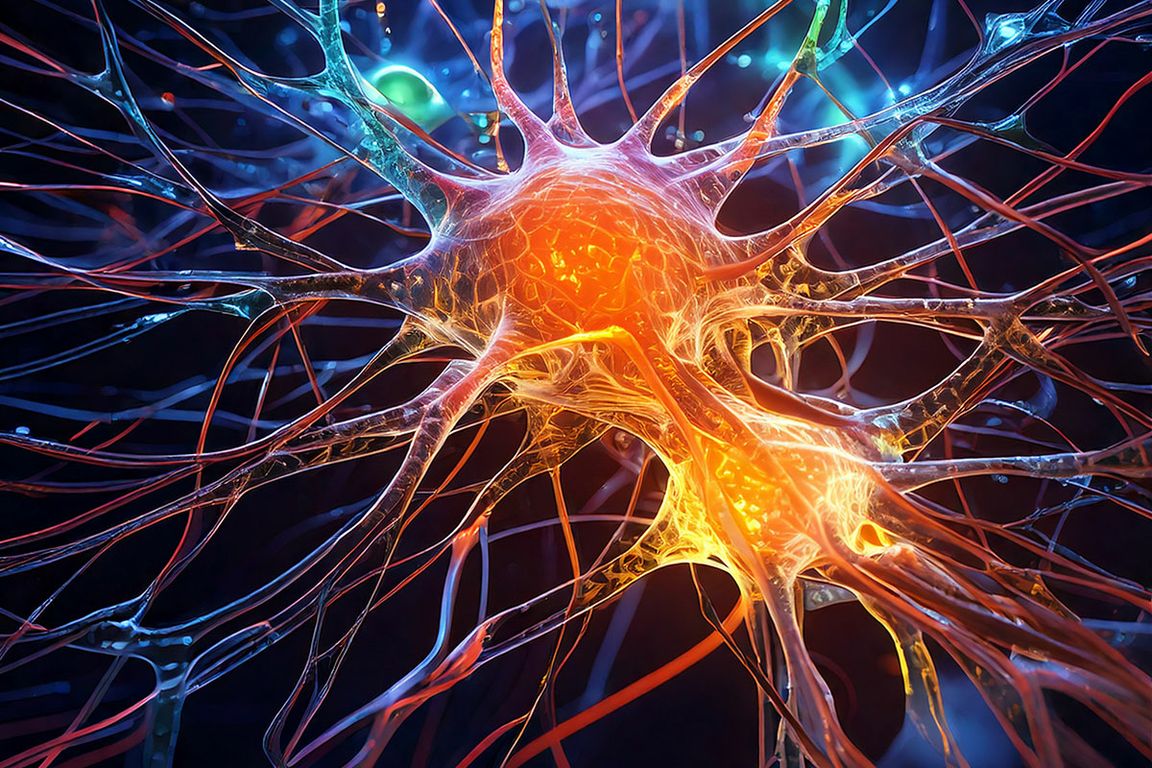
Researchers at UCLA Health have discovered the first drug capable of fully replicating the brain-repairing effects of physical stroke rehabilitation in mice. By successfully mimicking physical therapy in animal models, this breakthrough treatment offers a promising pharmaceutical alternative that could eventually revolutionize human stroke recovery.
Comments
After experiencing frequent sleep disruptions, an author utilized AI development tools to build a custom application that tracks and identifies the causes of nighttime awakenings. This project highlights how AI is lowering the barrier to entry, allowing individuals to easily create personalized tech solutions for everyday quality-of-life issues.
Comments
Papel is a new research app aiming to bring the TikTok experience to the discovery of scientific papers. The black-and-white platform allows users to easily find literature and read it using on-device AI. It also includes collaborative features so researchers can discuss their work with peers.
Comments
Researchers have developed three novel antibiotics using compounds derived from scorpion venom and habanero peppers. These new treatments could provide a crucial defense against tuberculosis and other drug-resistant bacterial infections.
Comments
The rise and fall of snake oil
2026-05-11This article explores the 19th-century evolution of snake oil, tracing its transformation from a traditional folk remedy to a mass-produced industrial medicine. The piece details how the product eventually lost its public credibility and became universally recognized as a fraudulent medical scam.
Comments2026-05-10
Task Paralysis and AI
2026-05-10Individuals with ADHD are increasingly leveraging artificial intelligence tools to overcome task paralysis and manage overwhelming cognitive loads. By using AI to break down complex projects into actionable steps, neurodivergent users can bypass the executive dysfunction that typically halts their progress. This emerging trend highlights the growing potential of AI to serve as a personalized assistive technology for focus and productivity.
CommentsRecent findings suggest that an involuntary decrease in walking speed may be an early indicator of hearing loss rather than musculoskeletal decline. Although reader discussions largely focused on the physical discomfort and philosophical benefits of different walking paces, the underlying study highlights an unexpected physiological connection between auditory health and mobility.
Comments2026-05-09

For decades, Georgia's dominant carpet manufacturing industry relied heavily on PFAS, commonly known as forever chemicals, leaving a devastating environmental legacy across the American South. This extensive use of persistent synthetic compounds has resulted in severe ecological degradation and widespread drinking water contamination that continues to impact local communities today.
Comments
Researchers at the University of Colorado Boulder have developed a new 3D printable material embedded with living bioluminescent algae. The material is capable of producing sustained light without the need for electricity. This breakthrough paves the way for innovative, eco-friendly lighting solutions and novel biological devices.
Comments2026-05-08

Researchers at Baylor College of Medicine discovered that the human hippocampus remains capable of sophisticated language processing even when a patient is fully unconscious under anesthesia. This finding highlights the remarkable plasticity of the brain and suggests that the anesthetized mind retains complex cognitive functions previously thought to be lost.
Comments
A new study reveals that nonprofit hospitals spent $7.8 billion on consulting services over the past decade. Despite this massive financial investment, researchers found no significant improvements in hospital finances, staffing, daily operations, or patient care outcomes. The findings suggest that this heavy reliance on external consultants has yielded little to no measurable value for the healthcare system.
Comments2026-05-07
A recent article highlights that keeping girls in school has significantly reduced child marriage rates in Nigeria. Reader discussions contextualize this success within broader foreign aid strategies, emphasizing that gender-focused interventions and infrastructure projects yield the most sustainable economic benefits. Commenters also debate the practical challenges of maintaining these physical assets in regions lacking effective local governance and security.
Comments
Researchers have developed SoundOff, a novel smart home sensing system that utilizes low-cost, passive ultrasound tags for environmental monitoring. This technology enables non-invasive and non-intrusive tracking without relying on traditional cameras or active wearables. By leveraging ultrasound, the system provides an affordable and privacy-preserving solution for everyday home automation.
Comments2026-05-06
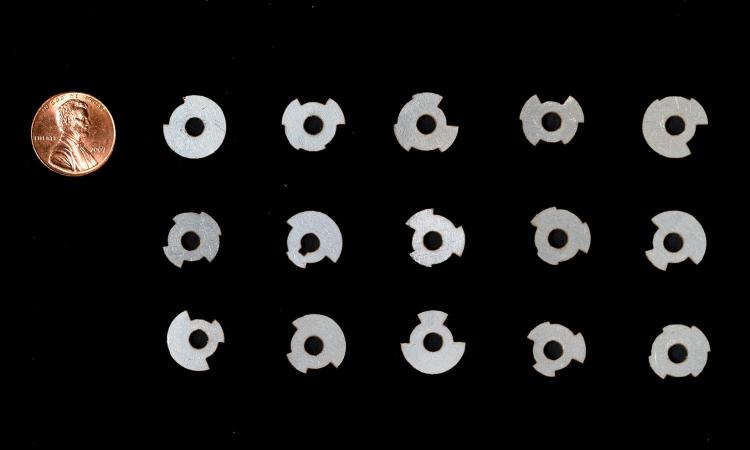
Researchers have developed battery-free smart home sensors using simple metal tags that emit unique ultrasonic fingerprints to detect physical movements. These passive tags can reliably monitor events like door openings without requiring any electrical power or ongoing maintenance.
Comments2026-05-05
I'm scared about biological computing
2026-05-05A veteran AI developer with extensive experience in language models and their underlying mathematics expresses growing apprehension regarding biological computing. Drawing on their deep background in the AI space since the launch of ChatGPT, the author contrasts their foundational understanding of traditional artificial intelligence with their fears about the future of biological systems in technology.
Comments2026-05-04

A recent study published by the National Bureau of Economic Research explores whether continued employment helps slow cognitive decline. By analyzing data from labor market shocks, the research aims to determine the long-term cognitive impacts of remaining in the workforce.
Comments
A Bloomberg investigation revealed that health insurance marketplaces in Virginia and Washington, D.C., were sharing sensitive user data, including race and citizenship status, with advertising technology firms. In response to the findings, both jurisdictions have paused their data collection and sharing practices.
Comments
Despite the persistent myth among developers that text-based applications are inherently accessible, modern terminal user interfaces often create significant barriers for visually impaired users. The article explores how these text environments frequently fail to support screen readers and other assistive technologies properly. It urges developers to look beyond basic text rendering and implement genuine accessibility standards in their terminal applications.
Comments2026-05-03
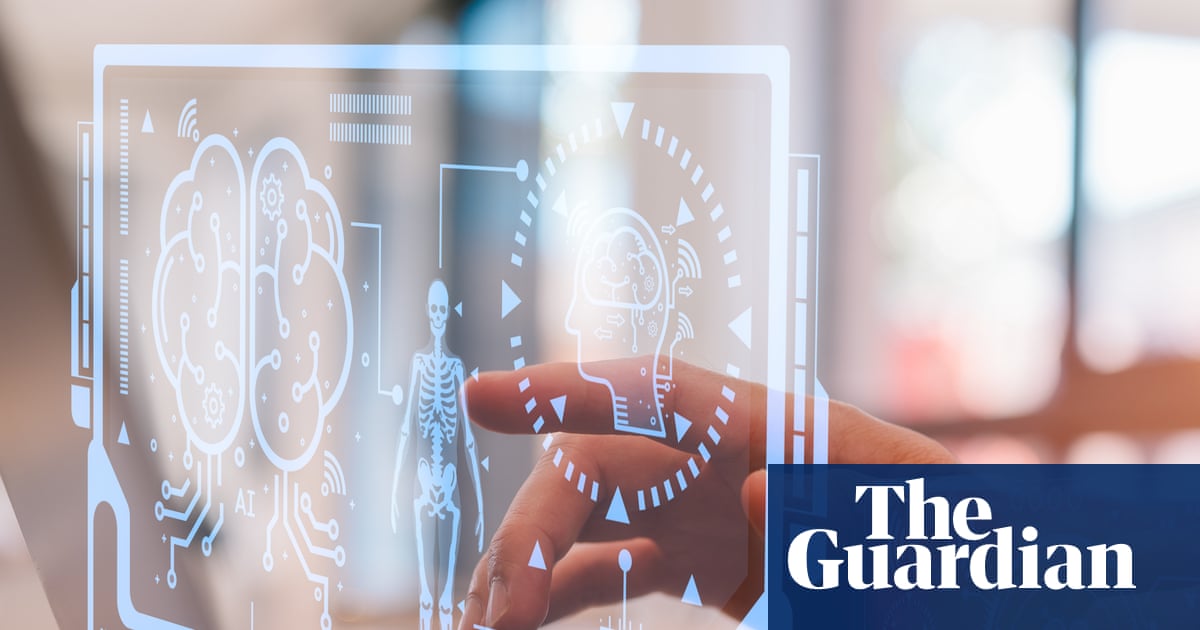
OpenAI's new o1 model correctly diagnosed 67 percent of emergency room patients in a recent study, substantially outperforming human triage doctors who achieved a 50 to 55 percent accuracy rate. Researchers describe these results as a profound technological shift that could fundamentally reshape the future of healthcare.
Comments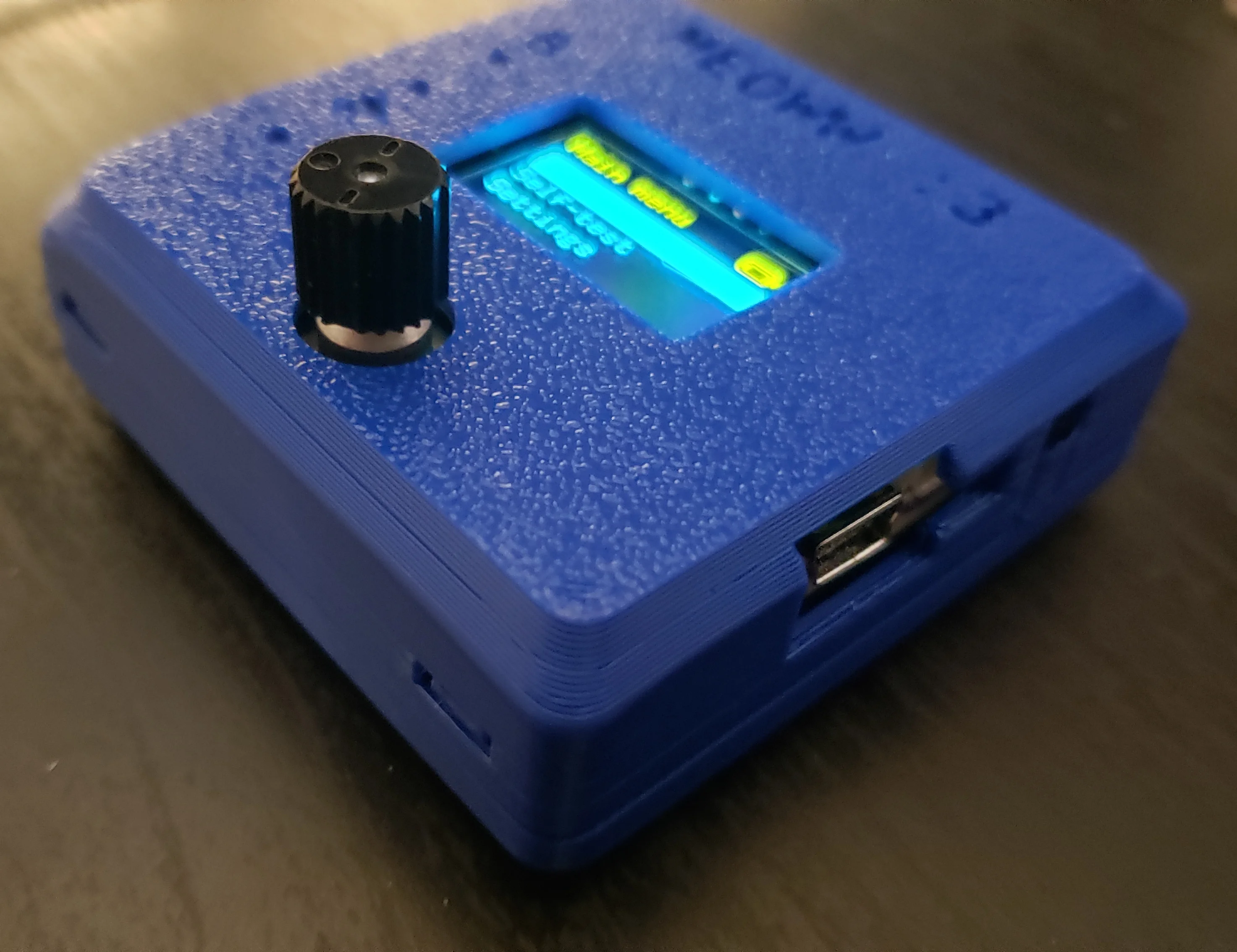
I built my own hair electrolysis machine
2026-05-03A maker has built a DIY hair electrolysis machine featuring voltage regulation and shared their build details and results with the community. The accompanying discussion explored technical questions about the device's hardware costs, pain levels, and procedural speed compared to professional treatments. Additionally, the thread highlighted the active trans community within the hacker scene, sparking humorous tangents about DIY hormone extraction.
Comments
A Stanford Medicine study demonstrates that analyzing individual brain scans rather than relying on group averages uncovers crucial differences in brain function. Researchers found that this individualized approach successfully identifies specific neural variations in children who struggle with goal-oriented tasks. These findings highlight the importance of utilizing personal brain data to accurately understand how the brain controls individual behavior.
Comments2026-05-02
Driven by surging global demand and a projected spike in end-of-life electric vehicle batteries, inventions for battery reuse and recycling have increased seven-fold over the past decade. Asia currently leads the development of these circularity technologies, while Europe is also experiencing significant innovation growth in the sector.
Comments
A new study published in Science Advances reveals that Neanderthals operated large-scale fat extraction sites around 125,000 years ago to maximize their caloric intake. By systematically processing animal bones to render and preserve fat, these early humans demonstrated a sophisticated understanding of resource management during periods of scarcity.
Comments
To Restore an Island Paradise, Add Fungi
2026-05-02An article about restoring island ecosystems with fungi sparked a reader discussion on the broader challenge of rehabilitating degraded agricultural soils without relying on chemical herbicides. Commenters emphasized that achieving sustainable, no-till farming requires advanced agricultural robotics, such as autonomous weeding machines and laser-guided systems, to manage cover crops and weeds. Integrating these technological innovations with mixed farming practices could ultimately reduce chemical inputs and make smaller, ecologically diverse farms economically viable.
CommentsA newly published 2025 report examines the escalating issue of volunteer burnout across open source software communities. The findings highlight the critical challenges these contributors face and outline potential strategies to ensure the long-term sustainability of foundational technology projects.
Comments