Health Tech News
2026-05-02
Driven by surging global demand and a projected spike in end-of-life electric vehicle batteries, inventions for battery reuse and recycling have increased seven-fold over the past decade. Asia currently leads the development of these circularity technologies, while Europe is also experiencing significant innovation growth in the sector.
Comments
A new study published in Science Advances reveals that Neanderthals operated large-scale fat extraction sites around 125,000 years ago to maximize their caloric intake. By systematically processing animal bones to render and preserve fat, these early humans demonstrated a sophisticated understanding of resource management during periods of scarcity.
Comments

To Restore an Island Paradise, Add Fungi
2026-05-02An article about restoring island ecosystems with fungi sparked a reader discussion on the broader challenge of rehabilitating degraded agricultural soils without relying on chemical herbicides. Commenters emphasized that achieving sustainable, no-till farming requires advanced agricultural robotics, such as autonomous weeding machines and laser-guided systems, to manage cover crops and weeds. Integrating these technological innovations with mixed farming practices could ultimately reduce chemical inputs and make smaller, ecologically diverse farms economically viable.
CommentsA newly published 2025 report examines the escalating issue of volunteer burnout across open source software communities. The findings highlight the critical challenges these contributors face and outline potential strategies to ensure the long-term sustainability of foundational technology projects.
Comments
A new arXiv study provides empirical evidence that AI algorithms used in hiring processes exhibit a self-preferencing bias, potentially skewing candidate evaluations to favor content generated by similar machine learning models. These findings highlight a critical vulnerability in automated recruitment systems and underscore the urgent need to mitigate such biases to ensure equitable candidate assessments.
Comments2026-05-01

Recent scientific research reveals that individuals can actively communicate with the outside world and rehearse new skills while dreaming. These findings challenge traditional views of sleep, demonstrating that the dreaming brain remains capable of complex cognitive processing and real-time interaction.
CommentsAsk HN: Who is hiring? (May 2026)
2026-05-01Biotech startup Project Debug is hiring a generalist engineer in Singapore to manage the automated rearing and sex-sorting of mosquitoes to combat dengue and other vector-borne diseases. The Hacker News discussion surrounding the job post reveals strong community fascination with the startup's use of the sterile insect technique and its unique blend of software, hardware, and real-world ecological impact.
Comments
An open letter addressed to NHS England technical leadership is urging the health service to embrace open-source software. The authors argue that any code paid for with public funds should be made freely accessible to the public by default.
Comments2026-04-30
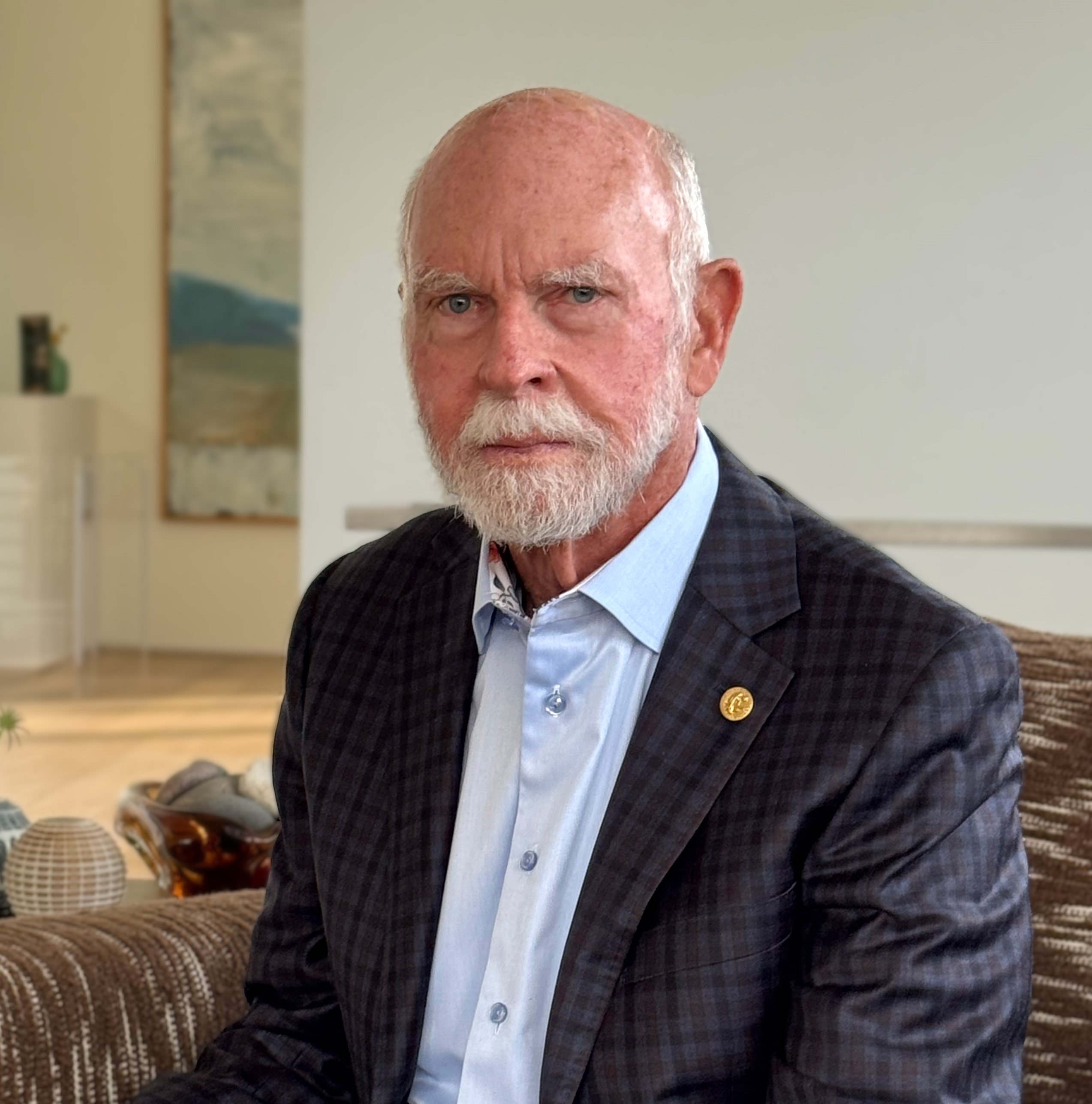
Craig Venter has died
2026-04-30Craig Venter, the pioneering geneticist and founder of his namesake research institute, has died following unexpected complications from recent cancer treatment. His passing was announced on April 29, 2026, marking a significant loss for the genomics and biotechnology sectors.
CommentsUsing a burrito analogy to explain how genetic material is densely packed, a new text- and visual-based guide takes readers on a journey through the inner workings of a living cell. The piece highlights the mind-boggling scale of microscopic biology, noting that a bacterium's genome would be nearly 1,000 times longer than its host cell if uncoiled into a straight thread.
Comments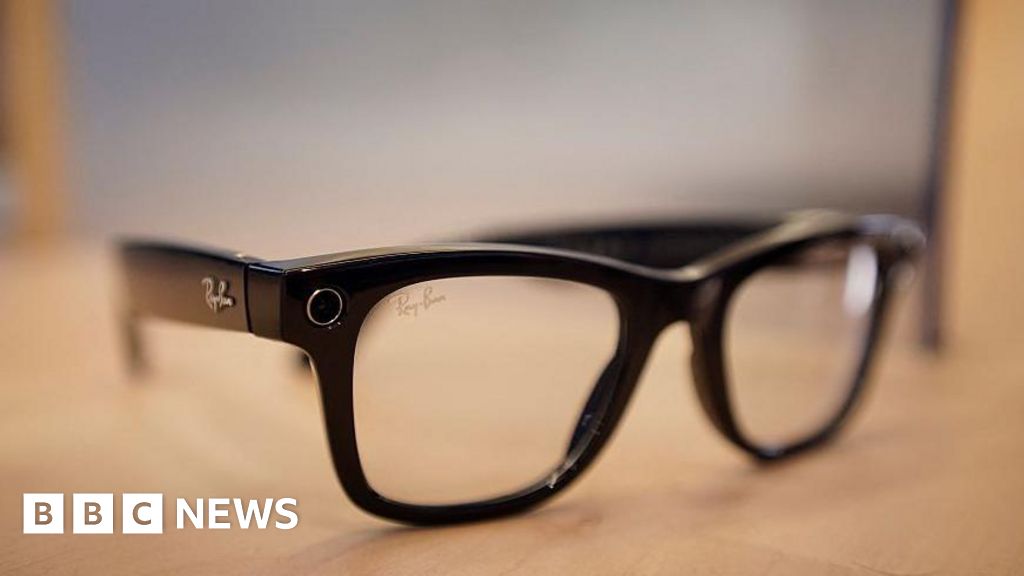
Meta and its subcontractor are disputing the reasons behind the sudden layoff of over 1,000 Kenya-based content moderators. The workers were reportedly dismissed after reviewing highly explicit footage from Meta's smart glasses, including videos of users having sex. The two companies currently disagree on the exact cause of these mass redundancies.
Comments
The Church Rock Uranium Mill Spill
2026-04-30The Church Rock uranium mill spill released 1.36 tons of uranium and radioactive contaminants into the Puerco River, severely contaminating the water supply used by the Navajo Nation. The disaster received significantly less media coverage and federal assistance than Three Mile Island, a disparity readers attribute to its rural location and the marginalization of the affected Native American community.
Comments2026-04-29
An open-source, research-validated stethoscope has been developed that costs between $2.50 and $5 to produce. The GliaX/Stethoscope project provides the complete manufacturing plans entirely for free, aiming to drastically improve global access to essential diagnostic equipment.
Comments2026-04-28
Researchers have identified a novel synaptic plasticity mechanism that explains how the brain rewires itself to learn across extended timescales following an experience. This discovery expands beyond the traditional concept of neurons simply wiring together when firing simultaneously, offering deeper insights into complex long-term learning.
Comments
The popular period tracking app Flo has been found sharing sensitive user data with Meta, exposing the vulnerabilities in digital health monitoring. This revelation highlights the risks of vague data collection policies and raises critical concerns about the privacy of self-monitoring biological markers.
Comments2026-04-27

The U.S. Food and Drug Administration has approved Otarmeni, the first-ever dual adeno-associated virus (AAV) vector-based gene therapy, to treat genetic hearing loss. This landmark decision marks a significant breakthrough in utilizing advanced viral vector technology to address hereditary medical conditions.
Comments2026-04-26
A recent Freakonomics report examines the scientific and systemic barriers, including an overreliance on outdated biological hypotheses, that have historically slowed progress in Alzheimer's disease research. The segment highlights that overcoming these challenges will require innovative biotechnological approaches, earlier clinical interventions, and a fundamental shift in how the disease is studied and funded.
Comments
Chernobyl wildlife forty years on
2026-04-26Marking four decades since the Chernobyl nuclear disaster, researchers are evaluating the long-term effects of radiation on the surrounding wildlife. The study examines how local animal populations have adapted and persisted within the heavily contaminated exclusion zone over the years. These findings offer unique insights into environmental resilience following a major nuclear catastrophe.
Comments2026-04-25

GPT‑5.5 Bio Bug Bounty
2026-04-25OpenAI has published details regarding its Bio Bug Bounty program to address potential biological security risks associated with advanced models like GPT-5.5. The initiative incentivizes security researchers to identify and report vulnerabilities, highlighting the company's ongoing commitment to AI safety and the mitigation of cyberbio threats.
Comments2026-04-24
A new study examines how habitual coffee consumption alters the gut microbiome, physiology, and cognition, prompting users to share their personal experiences with long-term caffeine dependence. While many report long-term benefits from quitting such as stabilized appetite and improved memory, the initial withdrawal frequently causes severe, months-long mental health crashes and dopamine dysregulation.
Comments2026-04-23

The UK Biobank is repeatedly issuing DMCA takedown notices to remove sensitive participant health data that researchers accidentally publish on GitHub. This recurring issue highlights the ongoing challenges of securing large-scale medical datasets and preventing accidental exposure in public code repositories.
Comments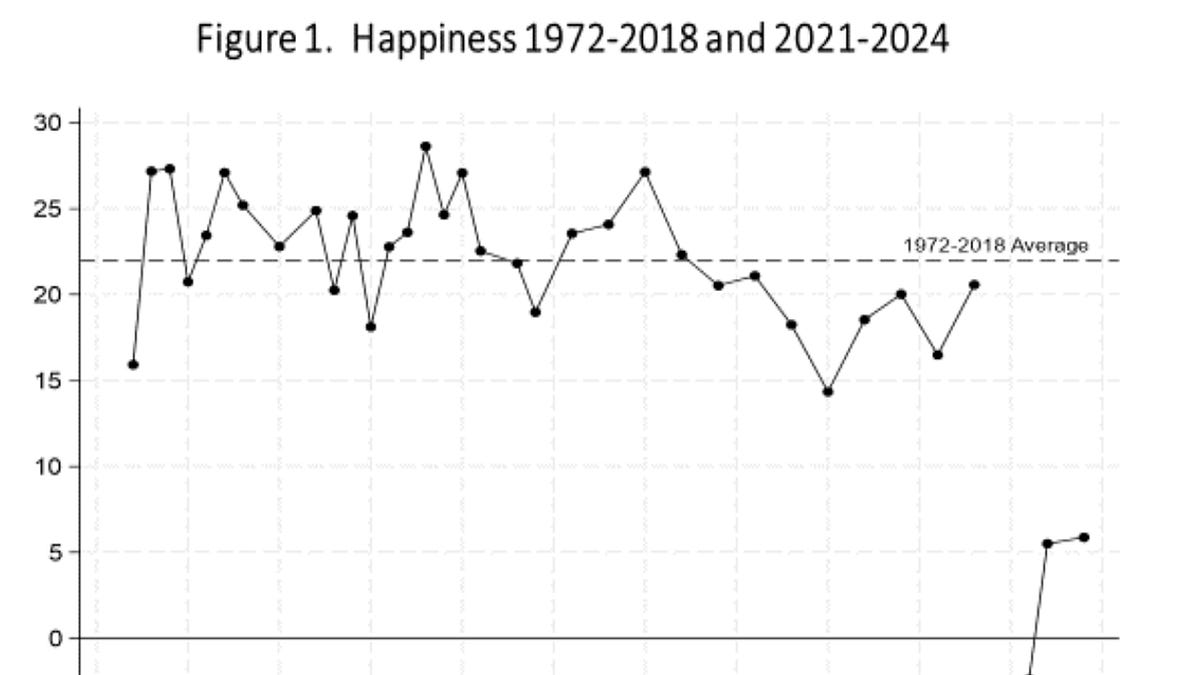
This article explores the paradox of declining national happiness in the United States despite unprecedented economic wealth during the 2020s. It examines how modern digital saturation and technological shifts have fractured collective mental health, leaving a materially rich population feeling increasingly disconnected and unhappy.
Comments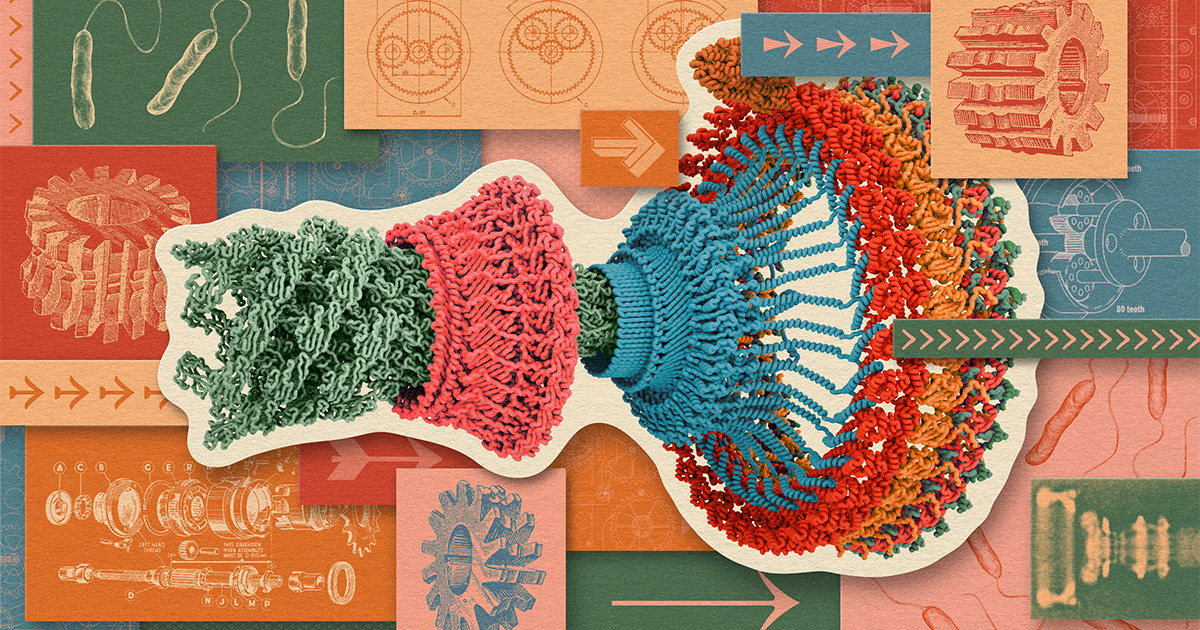
After five decades of research, scientists have finally deciphered the mechanical workings of the bacterial flagellar motor. Columnist Natalie Wolchover highlights how understanding this microscopic engine reveals the fundamental physical forces that drive all biological life.
Comments2026-04-22

Acetaminophen vs. ibuprofen
2026-04-22This piece breaks down the medical differences between acetaminophen and ibuprofen to help readers make informed decisions about over-the-counter pain relief. It highlights essential advice from doctors regarding the safety, proper usage, and specific scenarios where one medication is preferred over the other.
Comments2026-04-21
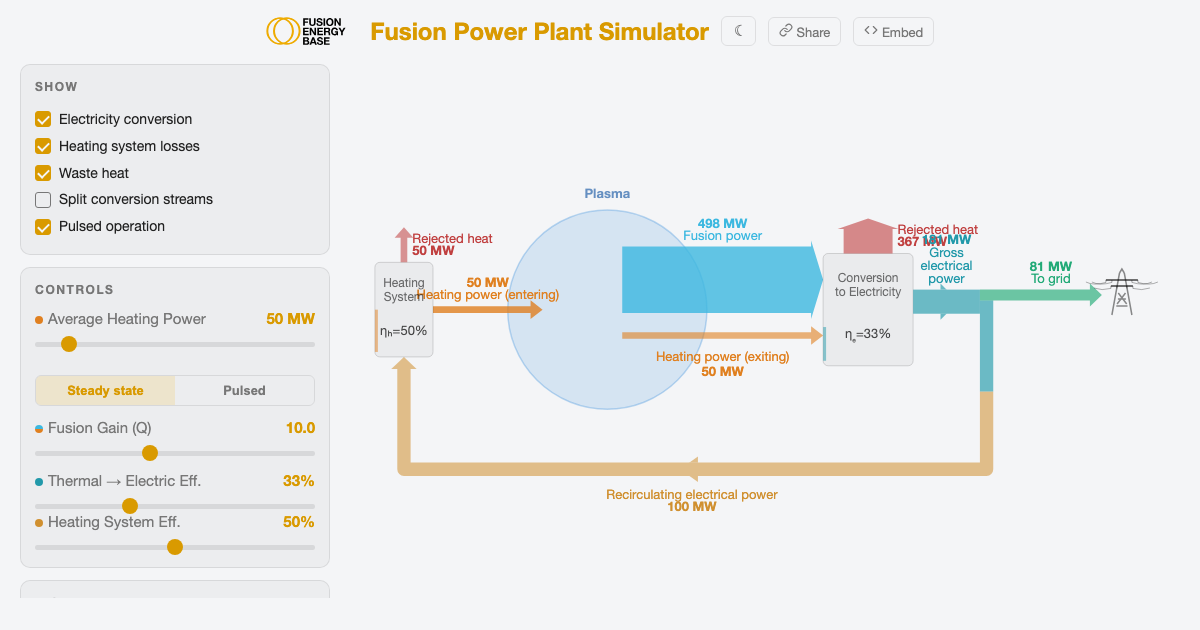
Fusion Power Plant Simulator
2026-04-21A new interactive fusion power plant simulator utilizes a dynamic Sankey diagram to visualize complex energy flows within a reactor. By adjusting critical variables like plasma gain and various system efficiencies, users can observe exactly how plasma energy translates into net electricity, offering a hands-on way to explore the practical dynamics of future fusion technology.
Comments
A first-of-its-kind study reveals that wild salmon exposed to cocaine and its primary byproduct roam significantly more widely than usual. These findings highlight the behavioral impacts of pharmaceutical pollution on aquatic ecosystems and raise further concerns about chemical exposure in natural waterways.
CommentsAir is full of DNA
2026-04-21A recent article highlighting that human DNA is ubiquitous in the air has sparked reader debate regarding its implications for forensic science and criminal trials. Commenters warn that detecting a suspect's trace DNA at a crime scene does not definitively prove their guilt, citing risks of environmental transfer and the frequent misunderstanding of DNA statistics by juries. Consequently, they argue that environmental DNA evidence must always be corroborated by other investigative findings rather than being treated as absolute proof in court.
Comments2026-04-20
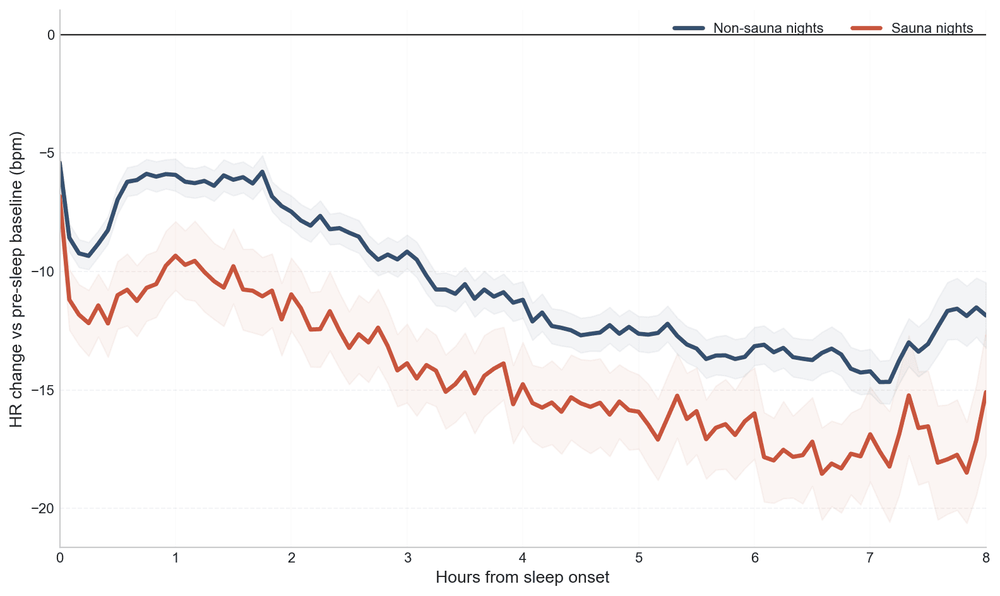
Sauna effect on heart rate
2026-04-20A new study analyzed over 59,000 wearable data records from 256 sauna users to quantify the precise physiological effects of heat therapy. By applying statistical tests to same-day heart rate metrics, researchers provided concrete data on how sauna sessions impact cardiovascular strain.
Comments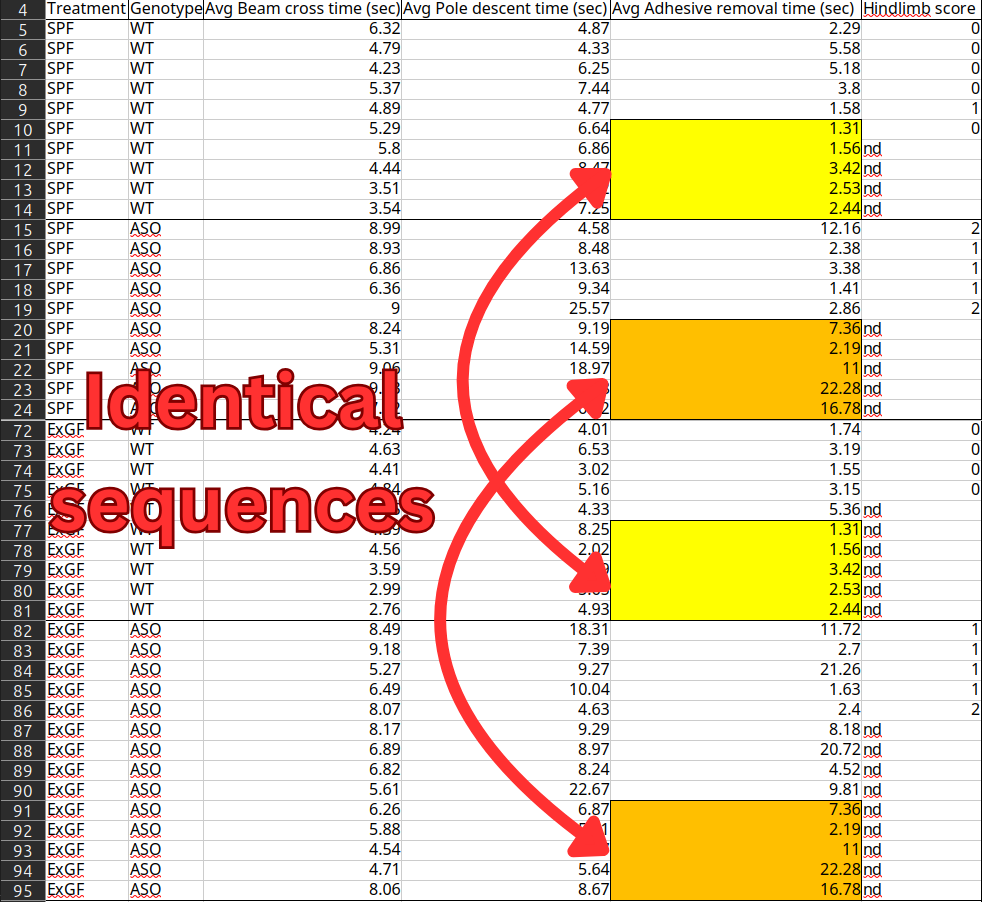
A recent analysis of Excel files from 600 published scientific papers has revealed widespread copy-paste errors within the underlying datasets. These findings highlight significant data integrity issues and raise concerns regarding the overall accuracy of published scientific research.
Comments2026-04-18
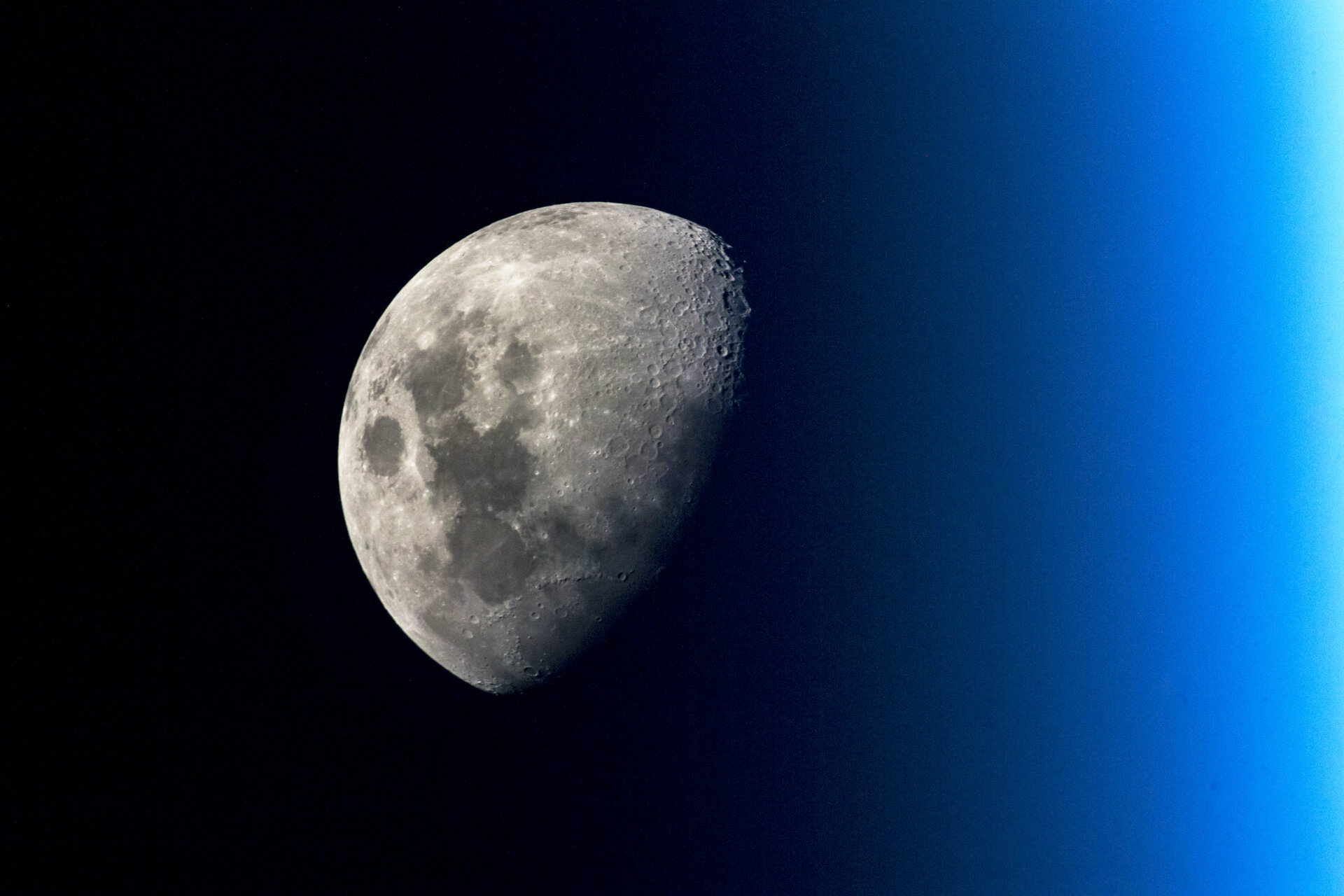
All twelve Apollo moonwalkers experienced allergy-like symptoms, known as lunar hay fever, after sharp and abrasive moon dust clung to their spacesuits. This gunpowder-scented dust caused sore throats and watery eyes upon their return to the lunar module. Researchers are still investigating the exact toxicity of these particles to better understand the health risks for future human missions.
Comments