New AI models, developer tools, and quirky tech news
What should we tell our students?

Mathematician Álvaro Lozano-Robledo addresses student concerns regarding the impact of artificial intelligence on their academic and professional futures. In a recent guest post, he advises learners to remain calm and continue studying mathematics. He emphasizes that despite rapid technological shifts, a strong foundation in math retains its enduring value.
CommentsWhistle: Speech to Text in 16.9 MB
Whistle is a lightweight, open speech recognition model that supports seven languages and achieves an 11-millisecond time to first token within a compact 16.9 MB footprint. By running on standard CPUs and integrating directly with the Needle engine in a single binary, it allows developers to seamlessly convert audio clips straight into executable tool calls.
CommentsTheranos.world
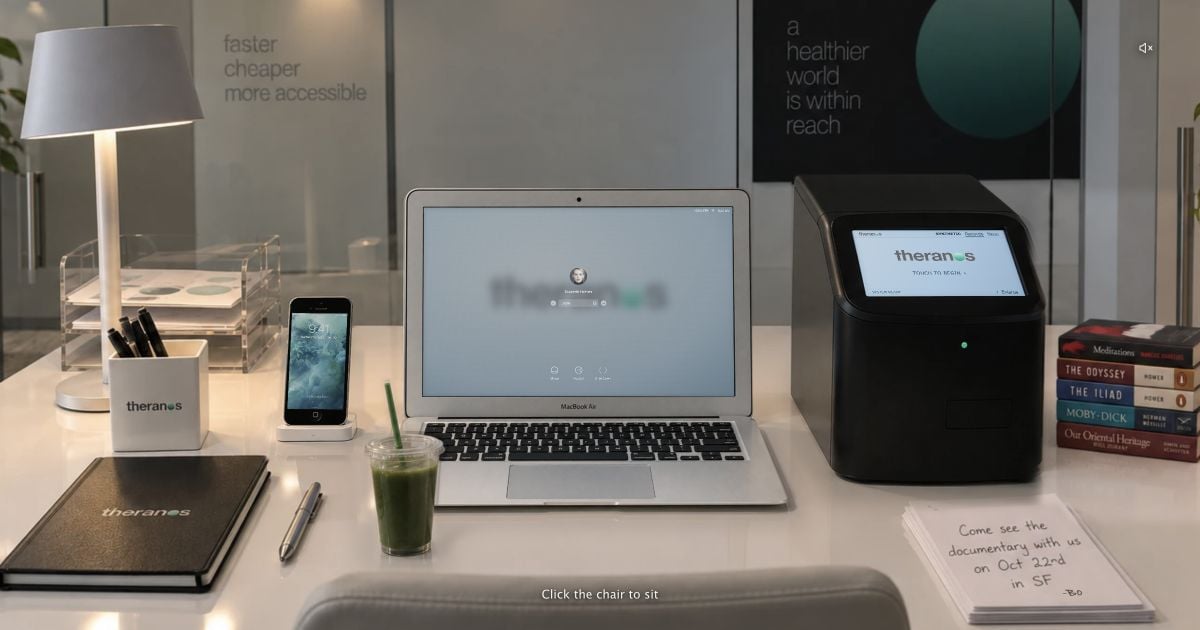
A new interactive website called Theranos.world allows users to explore a digital simulation of Elizabeth Holmes' desk. Visitors can open her MacBook, scroll through her iPhone, and run the Edison machine. The simulation features real text messages and emails from her fraud trial, which were parsed and integrated by the data company Extend.
CommentsReducing undefined behavior in the C language
Biomedical engineering professor Martin Uecker is making significant contributions to the C programming language by working to reduce undefined behavior and improve overall code safety. His cross-disciplinary efforts address critical vulnerabilities in the language, highlighting the ongoing industry push to modernize and secure core software infrastructure.
CommentsMan discovers his parents' coffee machine used 1TB of data in 10 days

A man discovered that his parents' smart coffee machine consumed an unexpected 1TB of data in just 10 days. He noted that the internet-connected appliance generated a massive amount of network traffic, far exceeding normal expectations. This unusual data usage highlights the hidden bandwidth demands and potential monitoring needs of modern smart home devices.
CommentsI hired an illustrator to draw my house. Now it's my Home Assistant dashboard
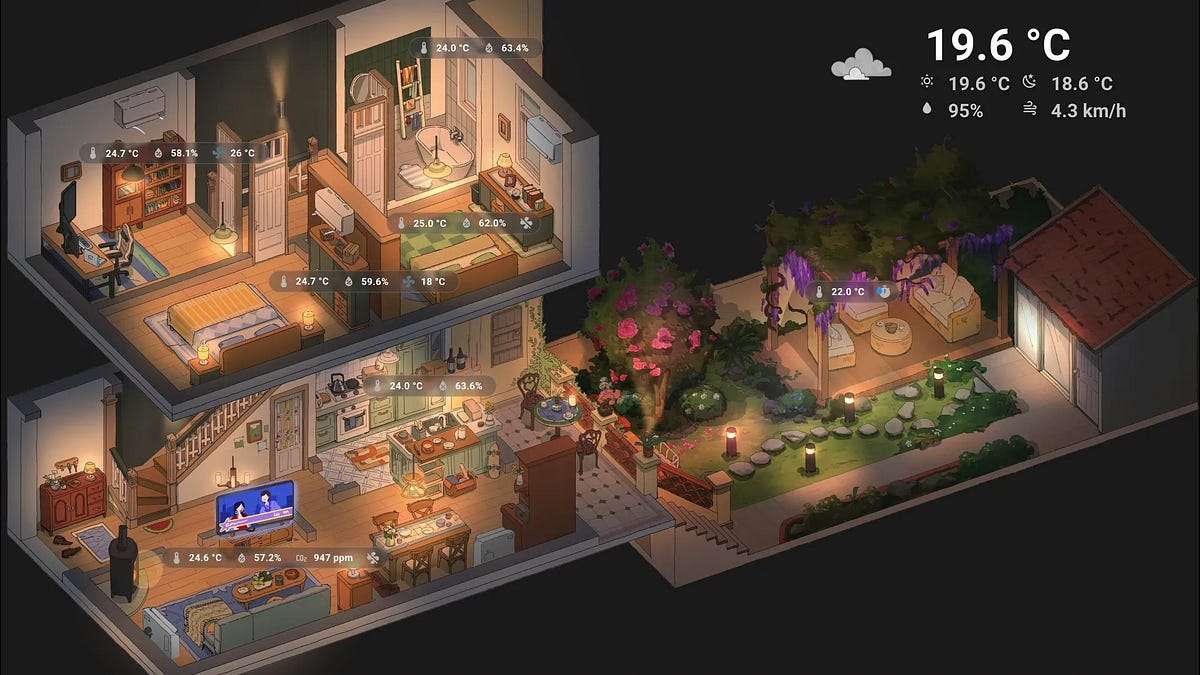
A smart home enthusiast transformed their Home Assistant dashboard by hiring an illustrator to create a custom drawing of their house. Featuring animated elements like a flickering fireplace and a softly lit garden, this creative upgrade has made the smart home experience much more enjoyable for the entire family.
CommentsBevy 0.20

The Bevy project has officially announced the release of version 0.20 on crates.io. This major update was driven by a massive community effort, incorporating work from 227 contributors across 817 pull requests.
CommentsWhy isn't the industry freaking out about DeepSeek 4.1 Flash?
This opinion piece explores the reasons behind the tech industry's surprisingly muted reaction to the release of DeepSeek 4.1 Flash. By offering unconventional perspectives, the author questions whether this lack of widespread hype signifies a maturing AI market or a fundamental misjudgment of the technology's capabilities.
CommentsYes, and
In his latest essay, Carson Gross addresses the anxieties of young computer science students regarding the rapid rise of artificial intelligence. He advises them to adopt a collaborative mindset, encouraging them to embrace and build upon AI advancements rather than fearing for their future careers.
CommentsThe value of not getting to the point (2015)
Reader discussions highlight the psychological value of small talk, framing it as an essential exercise in emotional maturity and trust-building rather than a mere waste of time. By engaging in predictable, low-stakes conversation, individuals can safely assess each other's emotional states and personal boundaries. This initial conversational handshake prevents unpleasant surprises and establishes a necessary foundation for deeper, more meaningful communication.
CommentsKeyboard differences between Windows and Macs
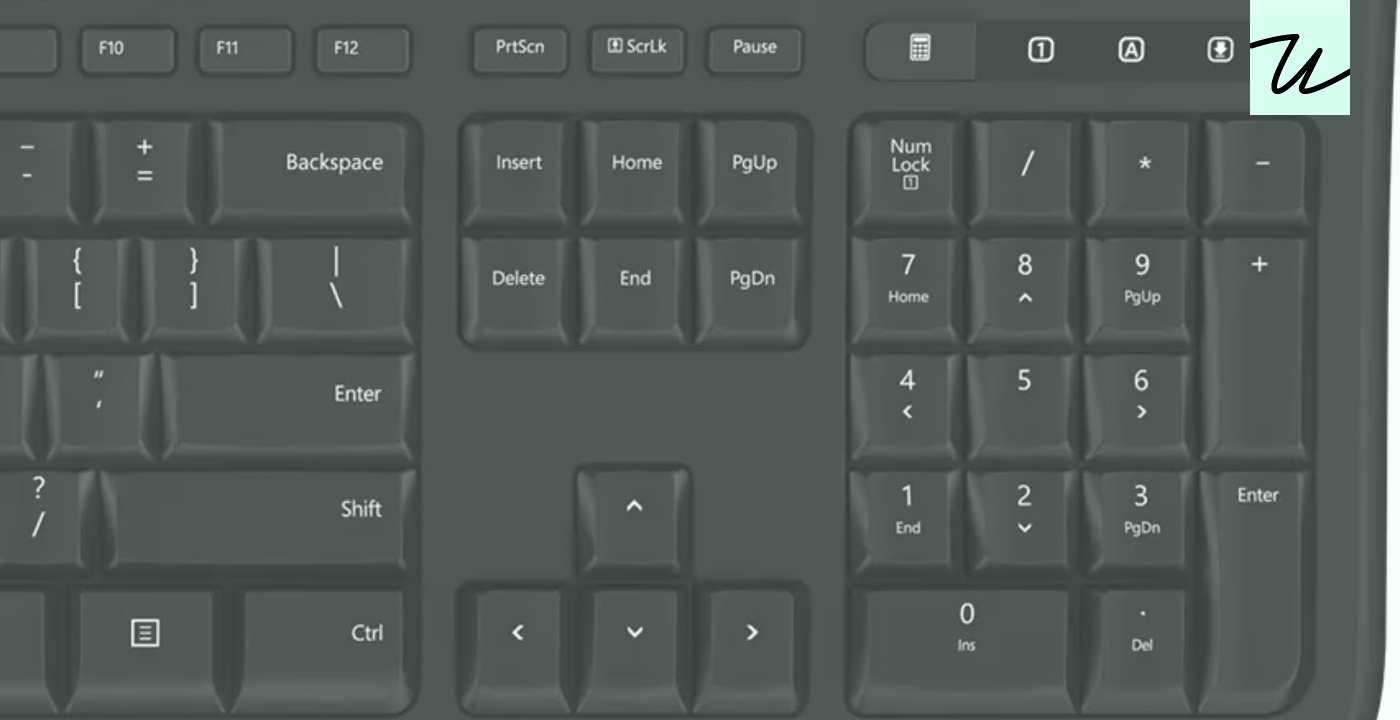
A recent blog post explores the functional and layout differences between Windows and Mac keyboards for software developers. It highlights how these hardware variations impact development workflows, shortcut efficiency, and overall software quality.
CommentsAI-ready biological data: $1.8B global commitment

A coalition of major tech companies and government agencies has committed $1.8 billion to expand the Virtual Biology Initiative. This collaborative investment from organizations including Google, Meta, the NIH, and the DOE will focus on creating open, AI-ready biological datasets to accelerate scientific research.
CommentsShow HN: SVG Spark – 10 client-side SVG design and dev tools
SVG Spark is a newly launched suite of ten free, client-side utilities for developers and creators working with SVGs. Running entirely within the web browser, the toolkit includes essential features such as converters, formatters, PDF tools, and a regex debugger to streamline design and development workflows.
CommentsADHD as a circadian rhythm disorder: evidence and implications for chronotherapy (2025)

Accumulating evidence suggests that a substantial subgroup of individuals with ADHD experiences significant circadian rhythm dysfunction. This high prevalence indicates a strong biological link, leading researchers to reclassify the condition as a circadian rhythm disorder for many patients. Consequently, chronotherapy is emerging as a targeted treatment approach to realign the internal clock and better manage symptoms.
CommentsETH-68: Ethernet Audio Interface for Linux
ETH-68 is a new Linux-compatible Ethernet audio interface that integrates MIDI support over UDP to simplify host connectivity and prevent timing issues. The hardware employs a unique push-based clocking system driven entirely by the device itself, removing the need for complex host-side clock synchronization in standard setups. For multi-interface configurations, users can utilize PipeWire or JACK resamplers to sync the audio graphs, though this approach may introduce some latency.
CommentsAsk HN: What do you run on a $5 VPS that's worth keeping online 24/7?
A recent Hacker News discussion explores popular self-hosting applications for cheap virtual private servers, with users recommending tools for media streaming, photo backups, and code repositories. The conversation also sparked a debate over the privacy implications of Tailscale and the ethics of media piracy, which participants jokingly euphemized as collecting Linux ISOs. Some users defended paying for high-quality media, arguing that piracy and artificial intelligence are actively harming art and culture.
CommentsBeauty in DVD Menus

A new retrospective explores the technical implementation and design evolution of DVD video menus for films and series. The piece traces how menu designs shifted from highly ambitious layouts back to more mundane formats while examining the influence of aspect ratios. Finally, it highlights some of the most memorable and innovative menu examples released during the physical media era.
CommentsA Terminal Protocol for Program Status (OSC 7501)
A newly proposed terminal protocol introduces a push-based mechanism for applications to report their execution status directly to terminal emulators, sparking debate over using this OSC approach versus the existing BSD SIGINFO pull method. Proponents favor the new protocol for its superior multiplexing support and safer framing, which has already inspired developers to explore custom notifications and advanced pane management integrations.
CommentsStep 5 Preview, a 1M-context MoE from StepFun, shows up on OpenRouter
StepFun's new flagship agentic model, Step 5 Preview, is now available on OpenRouter with a sparse Mixture-of-Experts architecture featuring 600 billion total parameters and a one million token context window. The model supports up to 64,000 output tokens and is priced at $1 per million input tokens and $2.70 per million output tokens.
CommentsA 5.3M-year-old deep-sea whale necropolis in the Diamantina Zone
A recent Nature article details the discovery of a 5.3-million-year-old whale necropolis in the deep-sea Diamantina Zone, highlighting the complex, alien-like ecosystems that thrive around whale carcasses on the ocean floor. Readers have praised the fascinating findings, comparing the unique deep-sea environment to the sci-fi series Scavengers Reign.
CommentsDuckDB Ducklake
DuckDB has introduced DuckLake, a new integrated data lake and catalog format designed to streamline data management. By unifying storage and metadata cataloging, this release provides developers with a more cohesive and efficient solution for handling large-scale data operations.
CommentsShow HN: Making a flexible "neon" t-shirt with LED filaments

A maker on Hacker News shared a DIY project detailing the creation of a flexible neon t-shirt using LED filaments. The creator repurposed flexible lighting components from their personal parts bin to integrate customizable illumination directly into everyday wearable clothing.
CommentsShow HN: Edi Life OS – self-hosted life dashboard with an MCP server for AI
Edi Life OS is a new self-hosted dashboard designed to help users track personal habits, goals, finances, and tasks. The open-source project features a built-in MCP server, allowing users to seamlessly integrate their personal productivity data with AI assistants.
CommentsScaling and benchmarking a critical message bus using a new indexing strategy
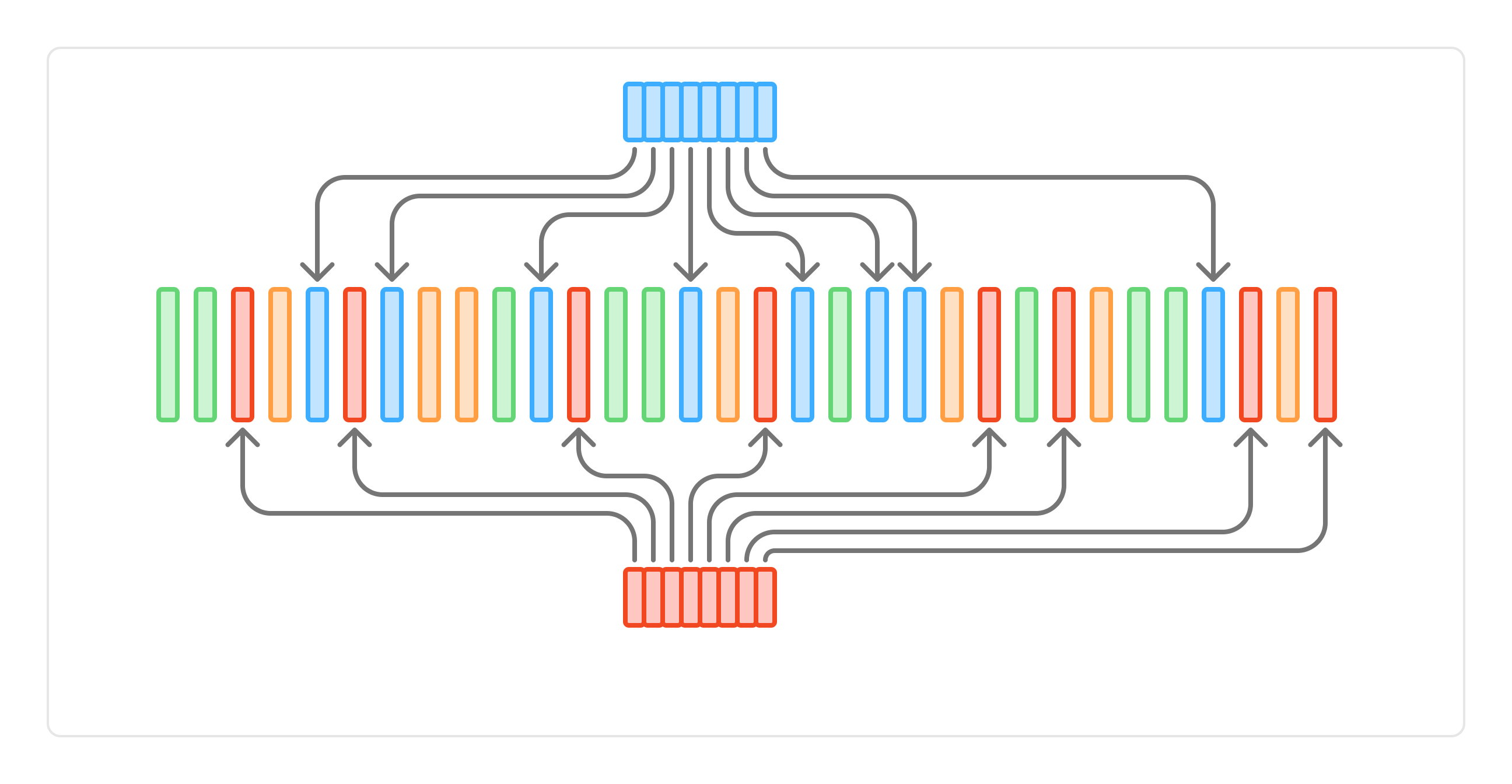
A recent blog post details a 2026 summer intern project focused on scaling and benchmarking a critical message bus using a new indexing strategy. This technical deep dive is featured in a special series highlighting the impactful contributions of the company's summer interns.
CommentsShow HN: Jevman – AI decision models play Pac-Man
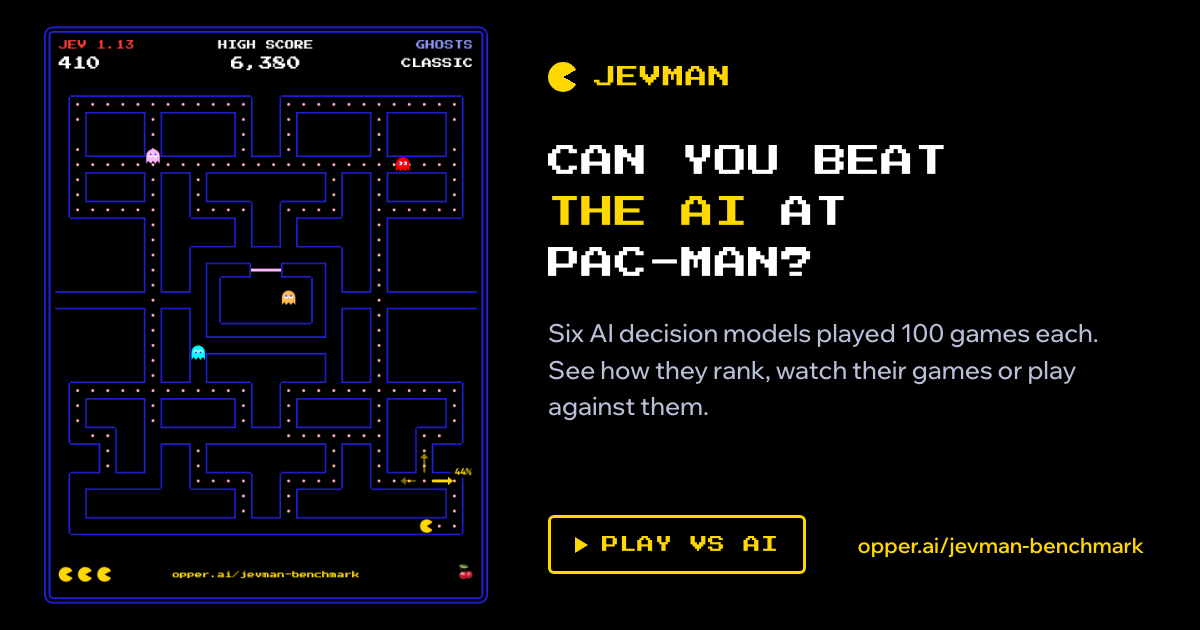
Jevman is a new project that features six AI decision models playing Pac-Man in real time against classic arcade ghosts. Users can watch the algorithms navigate the maze, check a leaderboard to see which model performs best, or play against the AI themselves.
CommentsArchaeologists Are Reconstructing the 'Invisible' Technologies of the Stone Age
/https://tf-cmsv2-smithsonianmag-media.s3.amazonaws.com/filer_public/2a/43/2a43872b-3e44-4548-8a9d-d5b7190a2469/soft-archaeology-1200x630.jpg)
Researchers are leveraging new analytical techniques to reconstruct the crucial but rarely preserved fiber technologies of the Stone Age. By examining microscopic traces left behind by early humans, archaeologists are uncovering how these invisible organic innovations shaped daily life and early technological evolution.
CommentsOrkut.com

The classic social network Orkut is making a comeback with a renewed focus on fostering genuine human connections and community building. The revived platform aims to offer users a more authentic internet experience by prioritizing people over the algorithms of modern social media.
CommentsUS man given prison sentence for bot-farming music streams

A North Carolina man has been sentenced to 18 months in prison for fraudulently collecting millions in music streaming royalties. Michael Smith used automated bots to artificially inflate the play counts of AI-generated songs. He was convicted of conspiracy to commit wire fraud by the US Justice Department for the scheme.
CommentsThe Slow Formation of Durable Software
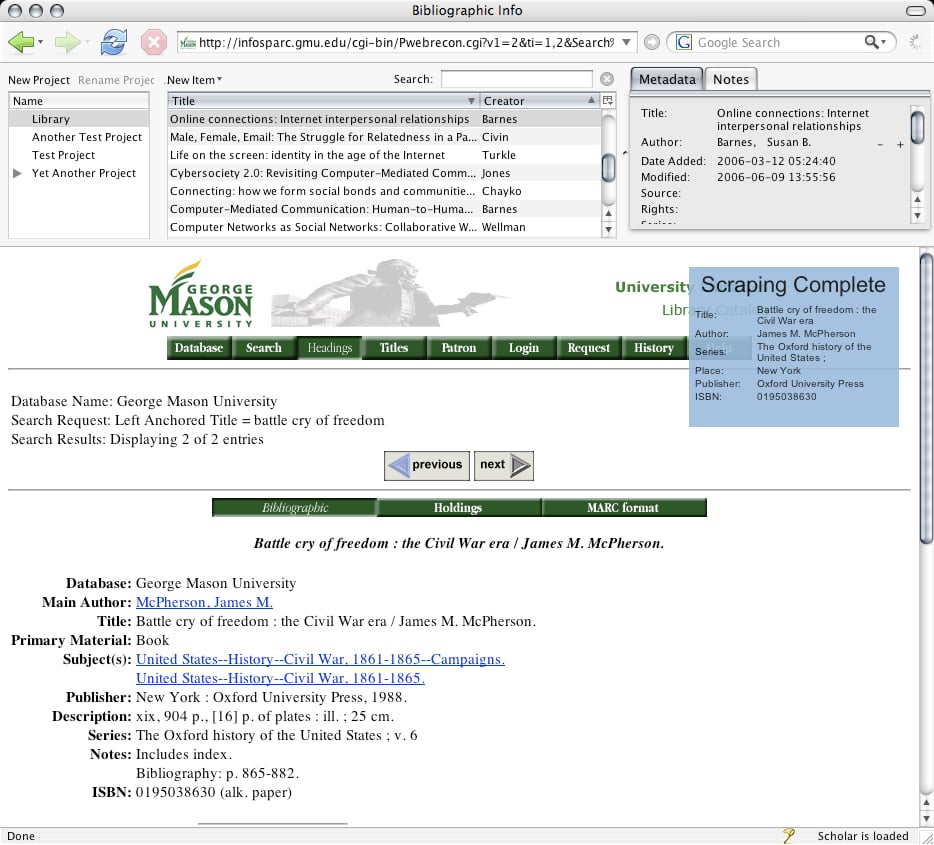
A group of historians spent years conceptualizing and developing Zotero, a research application that is now used by millions of people. This article examines their patient, deliberate approach to building the tool, highlighting how slow and thoughtful development can lead to highly durable software.
CommentsI gave Opus 5.5 one prompt and six hours to visualize Invisible Cities
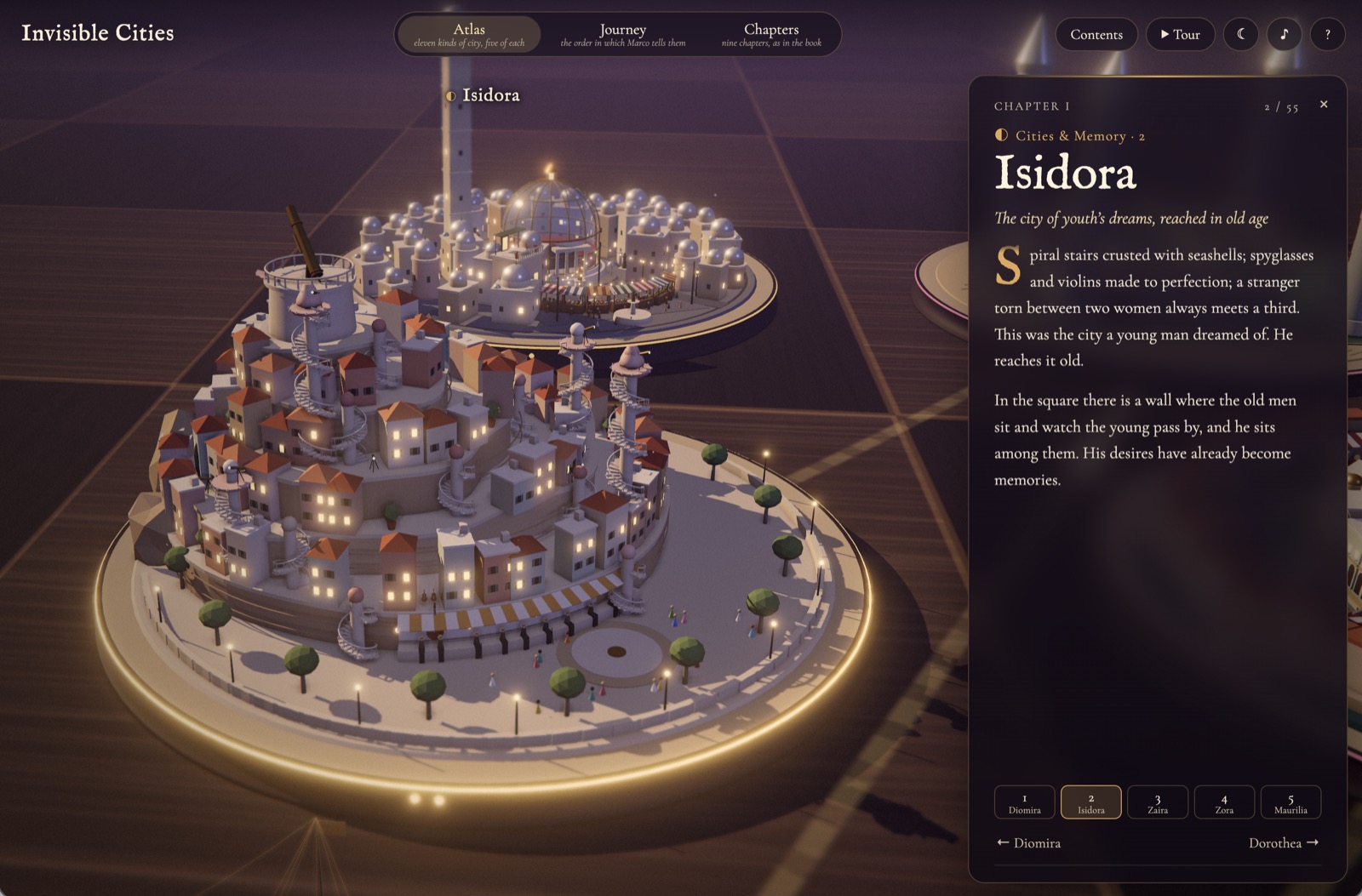
A developer challenged Claude Opus 5.5 and GPT-6 Astra to visualize Italo Calvino's novel Invisible Cities using Three.js from a single prompt. The six-hour experiment evaluates how these advanced AI models handle complex tasks in design, user experience, and interactive data visualization. Ultimately, the project showcases the growing potential of AI to generate explorable web experiences with minimal human intervention.
Comments