YC News
From new batch announcements to alumni raising major rounds, Y Combinator remains a bellwether for early-stage tech. This section collects news involving the accelerator, the startups that pass through it, and the ideas and trends its community is betting on.
Stories here range from changes to the program itself, its deal terms, batch sizes, and leadership, to the successes and stumbles of companies it funded years ago. Batch composition gets particular attention, since the categories founders cluster around tend to foreshadow broader trends.
For anyone working in or around startups, following this accelerator is an efficient habit: it condenses signals about talent, ideas, and capital into one observable community. Founders weighing an application also use this coverage to understand what the program has become.
Show HN: Tolaria – Open-source macOS app to manage Markdown knowledge bases
2026-04-23Tolaria is a new open-source macOS desktop application designed to help users manage and organize their Markdown knowledge bases. The project is hosted on GitHub, where developers can download the software and contribute to its ongoing development.
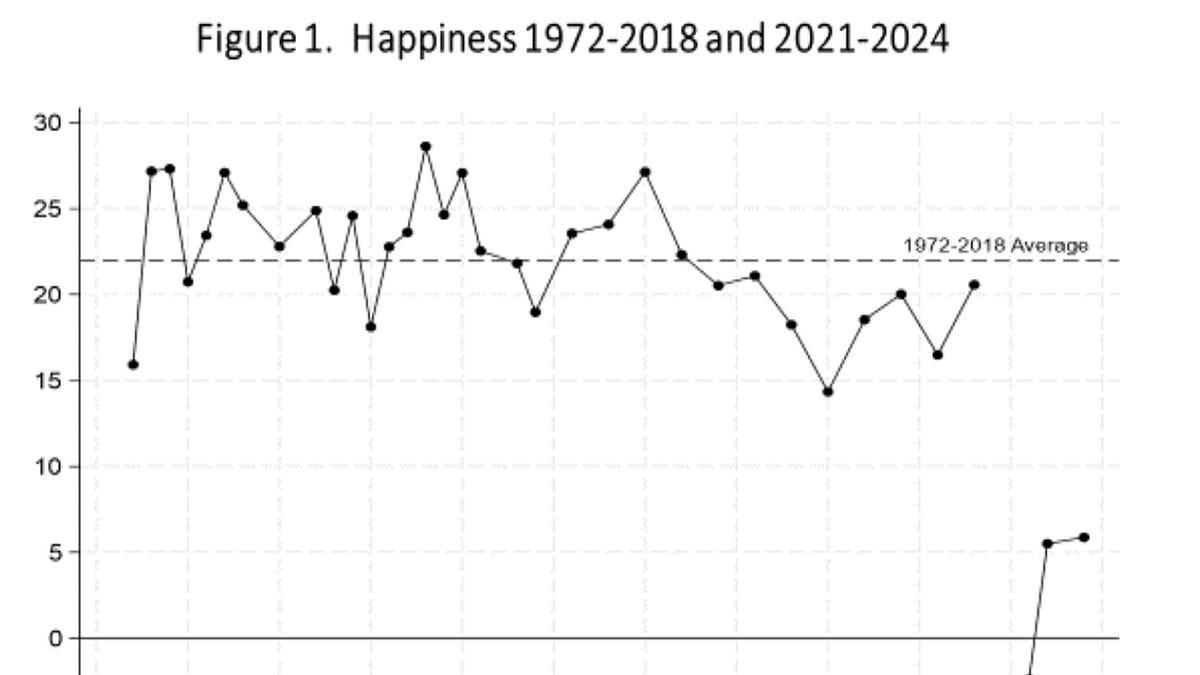
If America's so rich, how'd it get so sad?
2026-04-23This article explores the paradox of declining national happiness in the United States despite unprecedented economic wealth during the 2020s. It examines how modern digital saturation and technological shifts have fractured collective mental health, leaving a materially rich population feeling increasingly disconnected and unhappy.
Show HN: Agent Vault – Open-source credential proxy and vault for agents
2026-04-23Infisical has introduced Agent Vault, an open-source HTTP credential proxy and vault designed to securely manage secrets for AI agents. The tool integrates with platforms like Claude Code, OpenClaw, and Hermes to provide a centralized security layer for sensitive data. This release addresses the growing need for robust credential management as autonomous AI systems become more prevalent in software development.

Astronomers find the edge of the Milky Way
2026-04-23Astronomers have successfully mapped the outermost boundary of the Milky Way, identifying the exact physical edge of our galaxy for the first time. This breakthrough provides unprecedented insights into the structural limits and mass distribution of our cosmic neighborhood, helping researchers better understand how the Milky Way formed and interacts with the broader universe.

Our newsroom AI policy
2026-04-23Ars Technica has published a new newsroom policy detailing how the publication utilizes generative AI. The guidelines establish clear boundaries on which editorial tasks can be assisted by the technology and which are strictly prohibited to maintain journalistic integrity.

Isopods of the world
2026-04-23Isopods, commonly referred to as pillbugs, sowbugs, roly-polies, and woodlice, are a type of land-dwelling crustacean. These terrestrial creatures sustain themselves by feeding on decaying organic matter.

Investigation uncovers two sophisticated telecom surveillance campaigns
2026-04-23Researchers at the Citizen Lab have discovered two sophisticated surveillance campaigns that exploit the backbone of global cellular networks to spy on targets worldwide. The investigation revealed that separate commercial surveillance vendors are abusing this critical telecom infrastructure to conduct their monitoring operations.

What physical ‘life force’ turns biology’s wheels?
2026-04-23After five decades of research, scientists have finally deciphered the mechanical workings of the bacterial flagellar motor. Columnist Natalie Wolchover highlights how understanding this microscopic engine reveals the fundamental physical forces that drive all biological life.

A Renaissance gambling dispute spawned probability theory
2026-04-23A Renaissance dispute over how to divide the stakes in an interrupted game of chance led early mathematicians to invent probability theory. This historical conflict ultimately laid the groundwork for modern mathematical risk assessment.

Girl, 10, finds rare Mexican axolotl under Welsh bridge
2026-04-23Ten-year-old Evie discovered a rare Mexican axolotl under a bridge while on a day trip to south Wales with her mother. The unexpected encounter with the unusual amphibian was a remarkable surprise for the young girl and her family.

I spent years trying to make CSS states predictable
2026-04-23After years of grappling with unpredictable styling, the author explores the critical importance of reliable CSS state resolution in web development. The article details how Tasty addresses these challenges by utilizing state maps and non-overlapping selectors to ensure consistently predictable user interfaces.
Tempest vs. Tempest: The Making and Remaking of Atari's Iconic Video Game
2026-04-23This retrospective examines the creation and enduring legacy of Atari's classic arcade game Tempest, tracing its origins as a groundbreaking vector graphics title to its various modern remakes. The piece highlights how the iconic game continues to inspire contemporary developers and shape the evolution of the gaming industry.
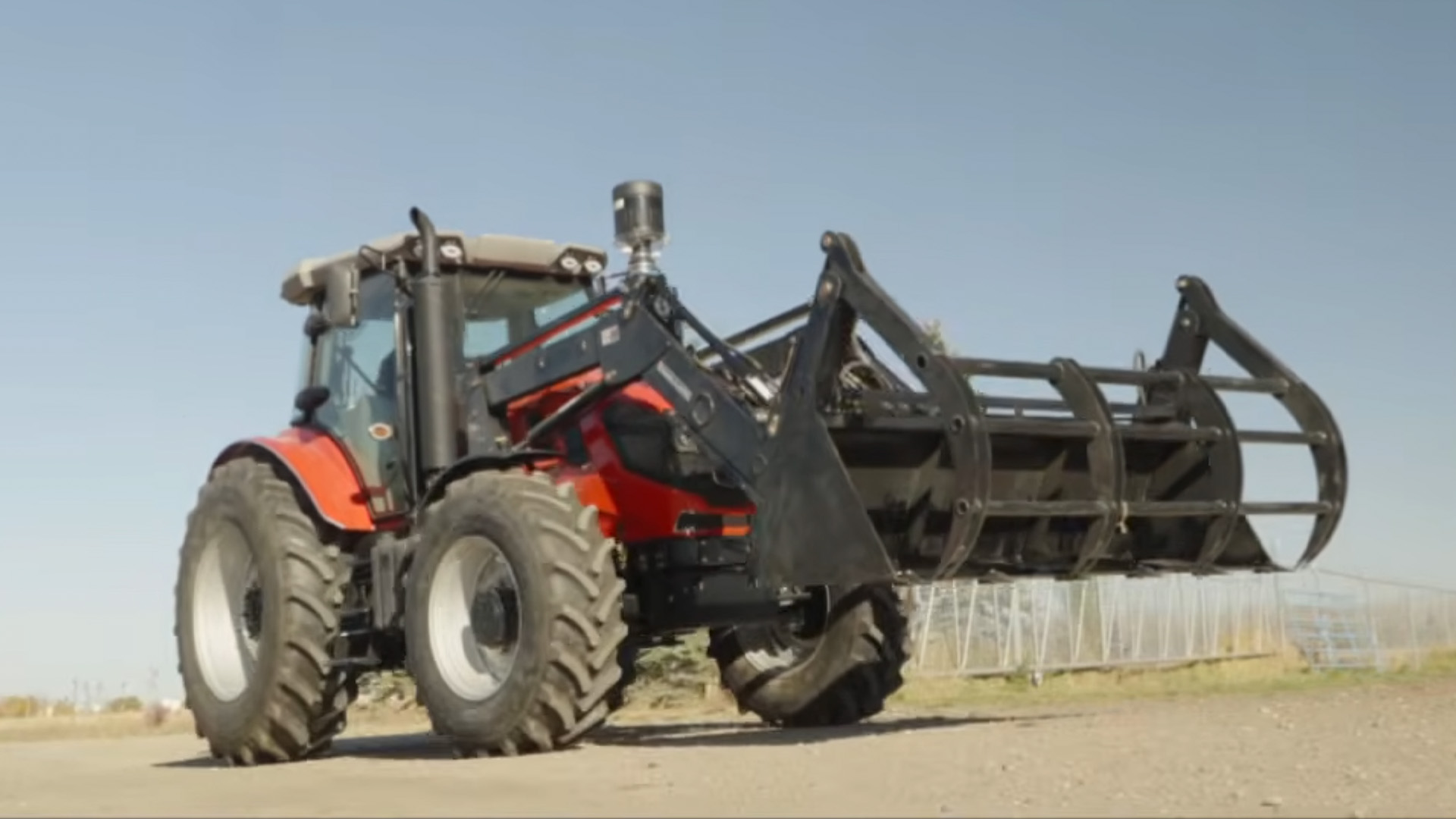
Alberta startup sells no-tech tractors for half price
2026-04-22An Alberta startup is challenging the agricultural industry by selling no-tech tractors for half the price of traditional models. By eliminating complex electronic systems and modern features, the company provides a cost-effective alternative for farmers looking to avoid expensive technology.

Apple fixes bug that cops used to extract deleted chat messages from iPhones
2026-04-22Apple has patched a bug on iPhones and iPads that previously allowed law enforcement to recover deleted messages from the Signal app. The vulnerability enabled forensic tools to extract chat data even after users had permanently erased their conversations.
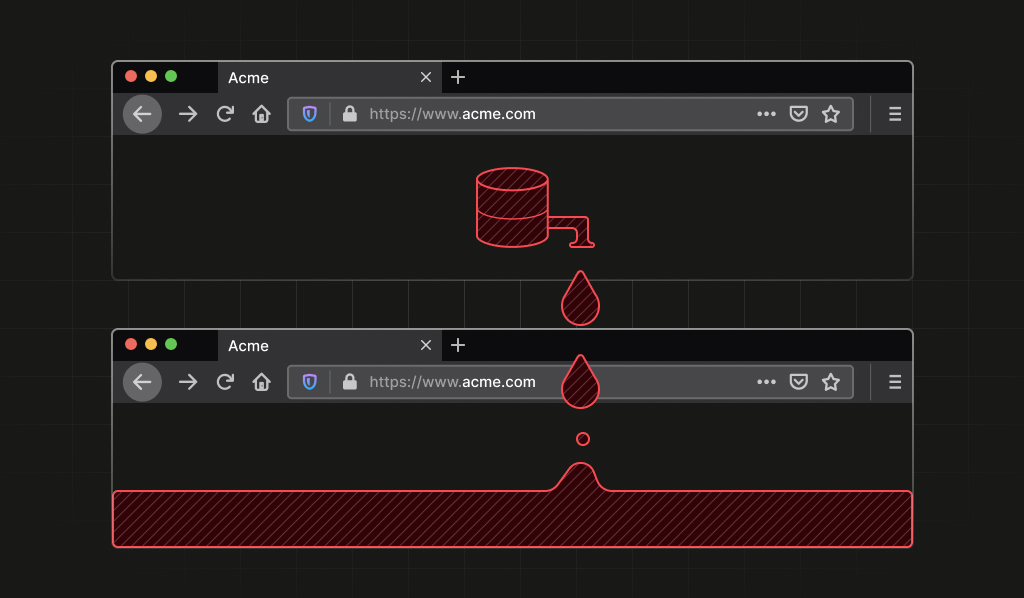
We found a stable Firefox identifier linking all your private Tor identities
2026-04-22Researchers discovered a privacy vulnerability in Firefox Private Browsing and Tor Browser that allows websites to track users and link their anonymous identities. By exploiting IndexedDB database ordering, the flaw creates a persistent fingerprint that can connect separate Tor sessions even after all private windows are closed.

Qwen3.6-27B: Flagship-Level Coding in a 27B Dense Model
2026-04-22Qwen has introduced the Qwen3.6-27B, a 27-billion parameter dense model that delivers flagship-level coding performance. Complementing this release, the Qwen Studio platform offers a comprehensive suite of multimodal features, ranging from image and video generation to document processing and web search integration.
5x5 Pixel font for tiny screens
2026-04-22A newly introduced 5x5 pixel font for tiny screens has prompted tech enthusiasts to explore even smaller fonts, such as a 1x5 alternative utilizing subpixel rendering. Users report that these exceptionally tiny character sets remain surprisingly readable on modern high-resolution monitors when properly optimized.
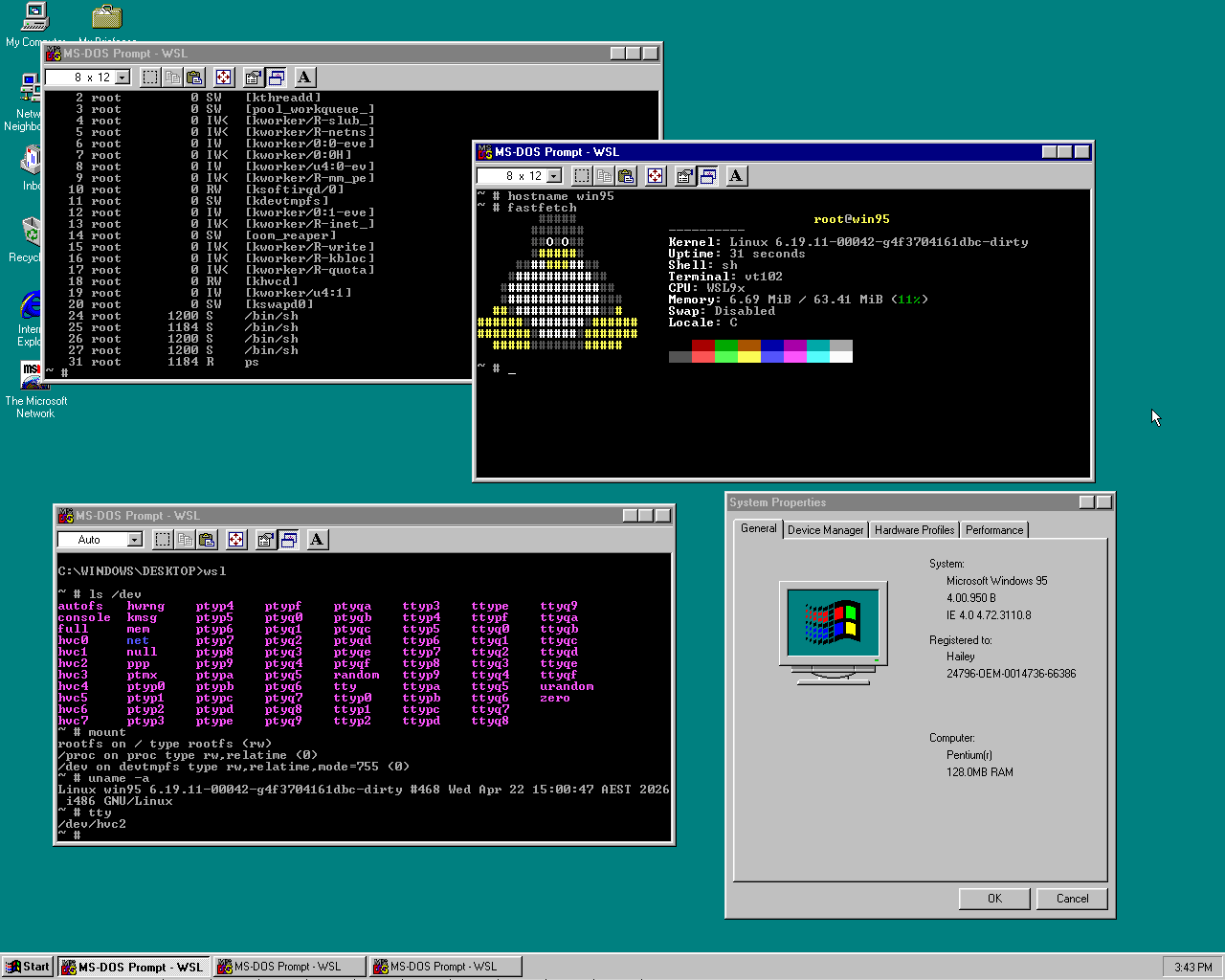
Windows 9x Subsystem for Linux
2026-04-22A developer has created the Windows 9x Subsystem for Linux, a novel hack that allows Windows and Linux applications to run side-by-side by operating a modern Linux kernel cooperatively with the Windows 9x kernel in ring 0. Unlike Microsoft's modern WSL, this project bypasses hardware virtualization entirely, making it lightweight enough to run on vintage hardware like a 486 processor.

SpaceX says it has agreement to acquire Cursor for $60B
2026-04-22SpaceX has reportedly agreed to acquire AI coding platform Cursor for $60 billion to build the world's leading software engineering and knowledge work AI. The deal will combine Cursor's popular developer tools with SpaceX's massive Colossus supercomputer, which features a million H100-equivalent chips.
Over-editing refers to a model modifying code beyond what is necessary
2026-04-22Developers are increasingly relying on AI coding agents like Claude Code to write the majority of their software, overcoming issues like model over-editing through clear, iterative feedback. While some users create project-specific skill files to guide the AI, the consensus is that simply providing detailed instructions and treating the tool as an iterative collaborator yields the best results. This straightforward approach has drastically increased productivity, allowing users to commit significantly more code with fewer tokens than traditional methods.