YC Demo Day News
Demo Day is the moment each Y Combinator batch presents its startups to investors, and this section gathers reporting around it. Expect stories on notable pitches, standout companies, funding momentum, and the trends that emerge when a new cohort of founders steps on stage.
Typical coverage includes batch recaps, lists of the most talked-about companies, and interviews with founders fresh off their presentations. You will also find pieces examining which sectors dominated a given batch, from AI infrastructure to healthcare, and how those choices reflect where early-stage attention is flowing.
Investors, founders, and industry watchers follow Demo Day because it works as an early signal of what the next wave of technology companies will look like. Ideas that debut on that stage often reappear months later as funded, growing businesses, which makes each batch worth studying closely.

LinkedIn is scanning browser extensions
2026-04-30LinkedIn is scanning users' browser extensions, sparking privacy concerns over data collection. The company is expected to justify the practice by stating it is a necessary measure to combat fraud and ensure platform security.

London to Calcutta by Bus (2022)
2026-04-30Adventures Overland plans to launch a 70-day bus service covering 20,000 kilometers between New Delhi and London, routing east through Burma, China, and Russia to avoid regions with strict visa policies for British travelers. Online discussions highlight that modern geopolitical tensions, missing infrastructure, and regional instability make planning a practical route for such historic overland journeys incredibly difficult compared to the welcoming environments of the 1970s.

Zed 1.0
2026-04-29The code editor Zed has officially reached its 1.0 release, marking a major milestone for the project. This launch delivers the fully realized platform that its creators originally set out to build, completing their initial development goals.
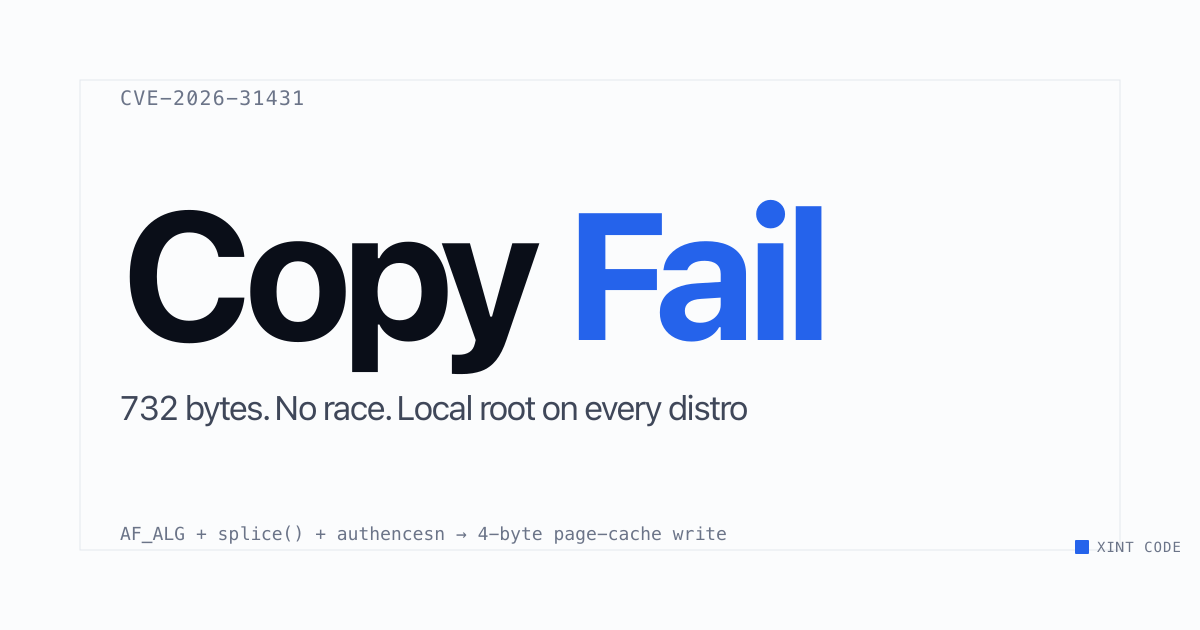
Copy Fail
2026-04-29Security researchers have identified CVE-2026-31431, a minimal 732-byte Linux local privilege escalation vulnerability dubbed Copy Fail that affects major distributions since 2017. The exploit uses a single Python script to bypass file-integrity tools and cross container boundaries without relying on race conditions or distribution-specific offsets. Discovered by Xint Code, this straight-line attack works universally across Ubuntu, Amazon Linux, RHEL, and SUSE environments.
HERMES.md in commit messages causes requests to route to extra usage billing
2026-04-29A bug in Claude Code routes API requests to extra usage billing instead of the included Max plan quota when the case-sensitive string HERMES.md appears in a git repository's commit history. This flaw has caused some developers to silently burn through hundreds of dollars in additional charges before realizing their standard subscription was bypassed.
FastCGI: 30 years old and still the better protocol for reverse proxies
2026-04-29Marking its 30th anniversary, the FastCGI protocol remains a superior choice for reverse proxies. Its unique architecture successfully avoids the inherent security vulnerabilities commonly associated with traditional HTTP reverse proxying setups. This enduring reliability makes it a highly secure and efficient foundation for modern web infrastructure.

Online age verification is the hill to die on
2026-04-29The debate over online age verification has emerged as a critical, non-negotiable battleground that will serve as foundational infrastructure for all future digital regulations. Because of its sweeping implications, tech stakeholders and everyday users are urged to recognize that this is a pivotal policy fight they cannot afford to ignore.

Bugs Rust won't catch
2026-04-29Despite the safety guarantees of the Rust programming language, an external audit has uncovered 44 vulnerabilities in uutils, the Rust reimplementation of GNU coreutils. Canonical disclosed these flaws ahead of the 26.04 LTS release, demonstrating that memory-safe languages cannot prevent all software bugs.
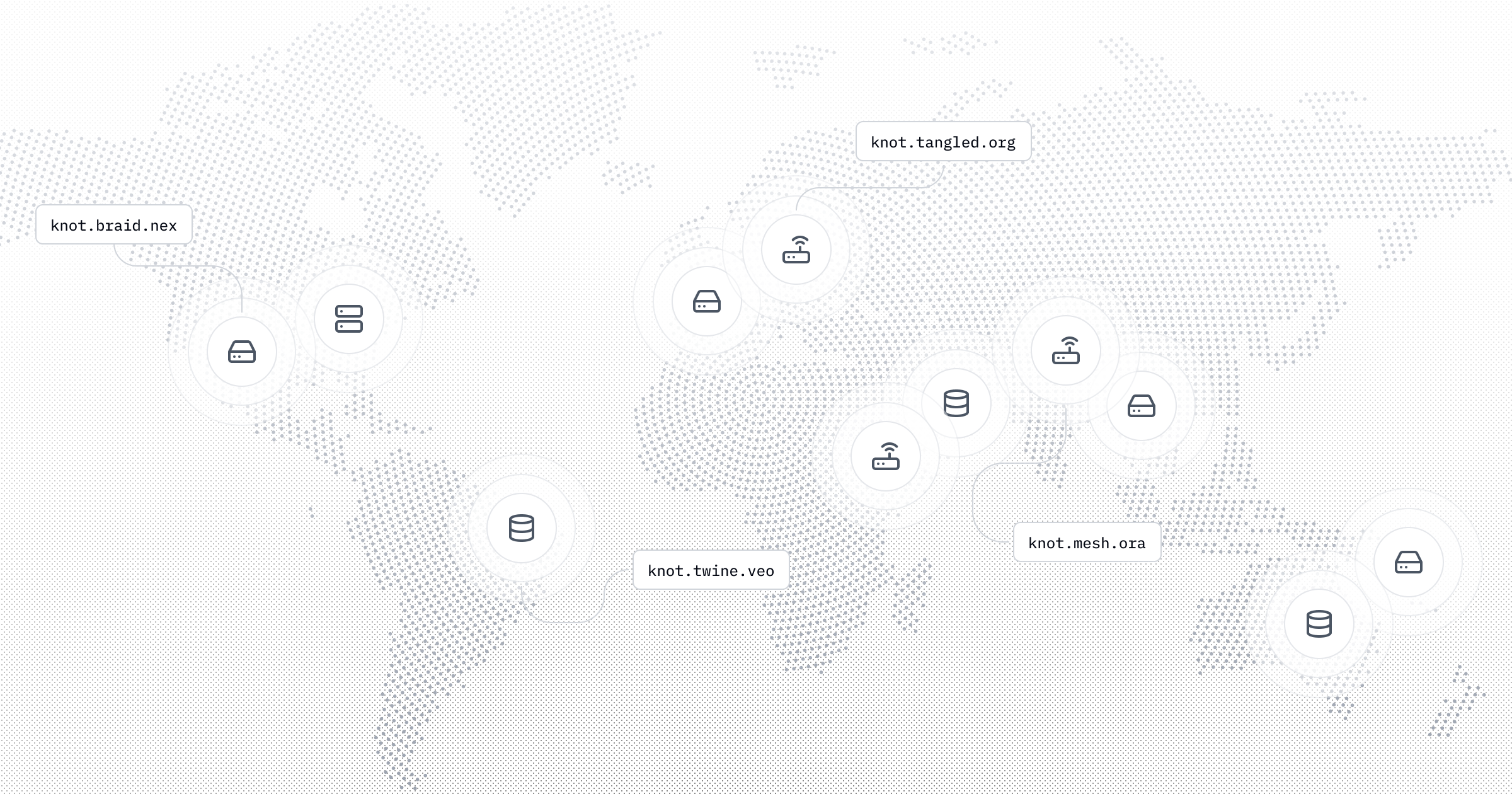
We need a federation of forges
2026-04-29Advocates are pushing for a decentralized federation of software forges to build a next-generation social coding platform. This proposed network would interconnect various open-source project hosting services, offering a distributed alternative to centralized repositories. By shifting away from single corporate entities, the federated model aims to give developers greater autonomy and control over their code.
An open-source stethoscope that costs between $2.5 and $5 to produce
2026-04-29An open-source, research-validated stethoscope has been developed that costs between $2.50 and $5 to produce. The GliaX/Stethoscope project provides the complete manufacturing plans entirely for free, aiming to drastically improve global access to essential diagnostic equipment.
How ChatGPT serves ads
2026-04-29OpenAI's new ChatGPT advertising platform utilizes a two-part system that injects structured ad objects directly into the AI's conversational response streams. On the merchant side, a dedicated browser tracking SDK called OAIQ monitors and reports user product views to complete the ad delivery loop.
OpenTrafficMap
2026-04-29A recent discussion on the feasibility of open-source mapping alternatives to Google and Waze highlights that while traffic congestion data is largely solved, maintaining accurate points of interest remains a significant challenge. Developers propose collaborative open platforms to streamline business data updates and reduce the workload for owners. However, participants acknowledge that overcoming the massive user bases and algorithmic moats of major tech monopolies will be highly difficult.
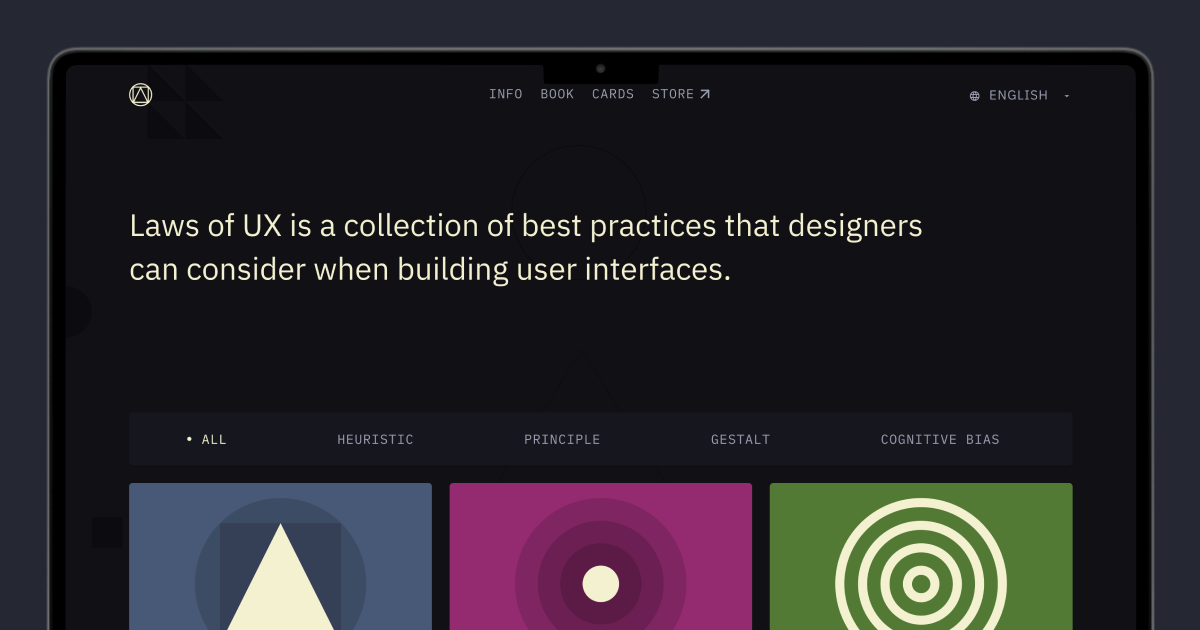
Laws of UX
2026-04-29The Laws of UX provides a curated collection of best practices for professionals building user interfaces. Designers can leverage this resource to apply proven principles that enhance usability and create more intuitive digital experiences across their software products.

Soft launch of open-source code platform for government
2026-04-29A new open-source code platform has been soft-launched for government organizations. This initiative enables these public sector bodies to collaboratively develop and independently publish software.

Warp is now open-source
2026-04-29Warp has officially transitioned to an open-source model, allowing the developer community to participate directly in the platform's ongoing development. Contributors will use an agent-first workflow managed by Oz, the company's cloud agent orchestration platform, to build and manage the project.
Why I still reach for Lisp and Scheme instead of Haskell
2026-04-29Reader discussions highlight that developers prefer Lisp and Scheme over Haskell because rich standard libraries in dialects like Racket eliminate the need to write custom macros or bespoke domain-specific languages, while s-expressions provide a superior, universal format for manipulating complex data like JSON and XML. Furthermore, the community emphasizes that adopting these languages offers a transformative paradigm shift that deeply reshapes a developer's foundational understanding of software architecture.
Kyoto cherry blossoms now bloom earlier than at any point in 1,200 years
2026-04-29Kyoto's cherry blossoms are currently blooming earlier than at any point in the past 1,200 years, based on the longest continuous record of a natural phenomenon on Earth. A detailed analysis of this extensive historical dataset highlights a significant acceleration in the trees' annual peak bloom dates.
Show HN: Auto-Architecture: Karpathy's Loop, pointed at a CPU
2026-04-29A new open-source project applies Andrej Karpathy's AI development loop to the automated design of CPU architectures. The associated GitHub repository hosts a tournament to evaluate these auto-generated designs and encourages community contributions.

Mistral Medium 3.5
2026-04-29Mistral has announced the launch of its new Mistral Medium 3.5 model alongside significant updates to its existing platforms. The release introduces remote coding agents in Vibe and adds a dedicated Work mode to Le Chat for handling complex tasks.

How to Build the Future: Demis Hassabis [video]
2026-04-29In a new video interview, Demis Hassabis discusses his perspectives on building the future of technology and artificial intelligence. He reflects on his extraordinary and unconventional career path, which began as a teen chess prodigy and video game designer before he earned a PhD in neuroscience. Hassabis explains how this diverse background uniquely informs his approach to developing tomorrow's most transformative technologies.