Tech News Updates
SubmitThe tech industry changes daily, and keeping up requires a steady stream of updates. This section gathers technology news as it develops, from early reports to the follow-ups that show how stories evolve.
Typical stories include product updates and new features, company announcements, security patches and incidents, research news, and analysis that adds context to fast-moving events.
Regular updates help readers stay current without missing important changes. Professionals, students, and technology fans follow this coverage to keep their knowledge of the industry up to date.
2026-11-09

Claude Fable 5.2 and Mythos 5.2
2026-11-09Claude has introduced Fable 5.2 and Mythos 5.2, new models aimed at the hardest technical challenges. Fable 5.2 sets a new benchmark in coding, finance, and the sciences.
CommentsReaders reflecting on the Hacker News discussion say the site felt more substantive two years ago, with founders and experts engaging directly, while today it is more hostile, broadcast-oriented, and dominated by LLM-related tangents. Some attribute the decline to growth, bots, and lower-quality content, but others argue every tech era has brought similar nostalgia and complaints about the “good old days.”
Comments
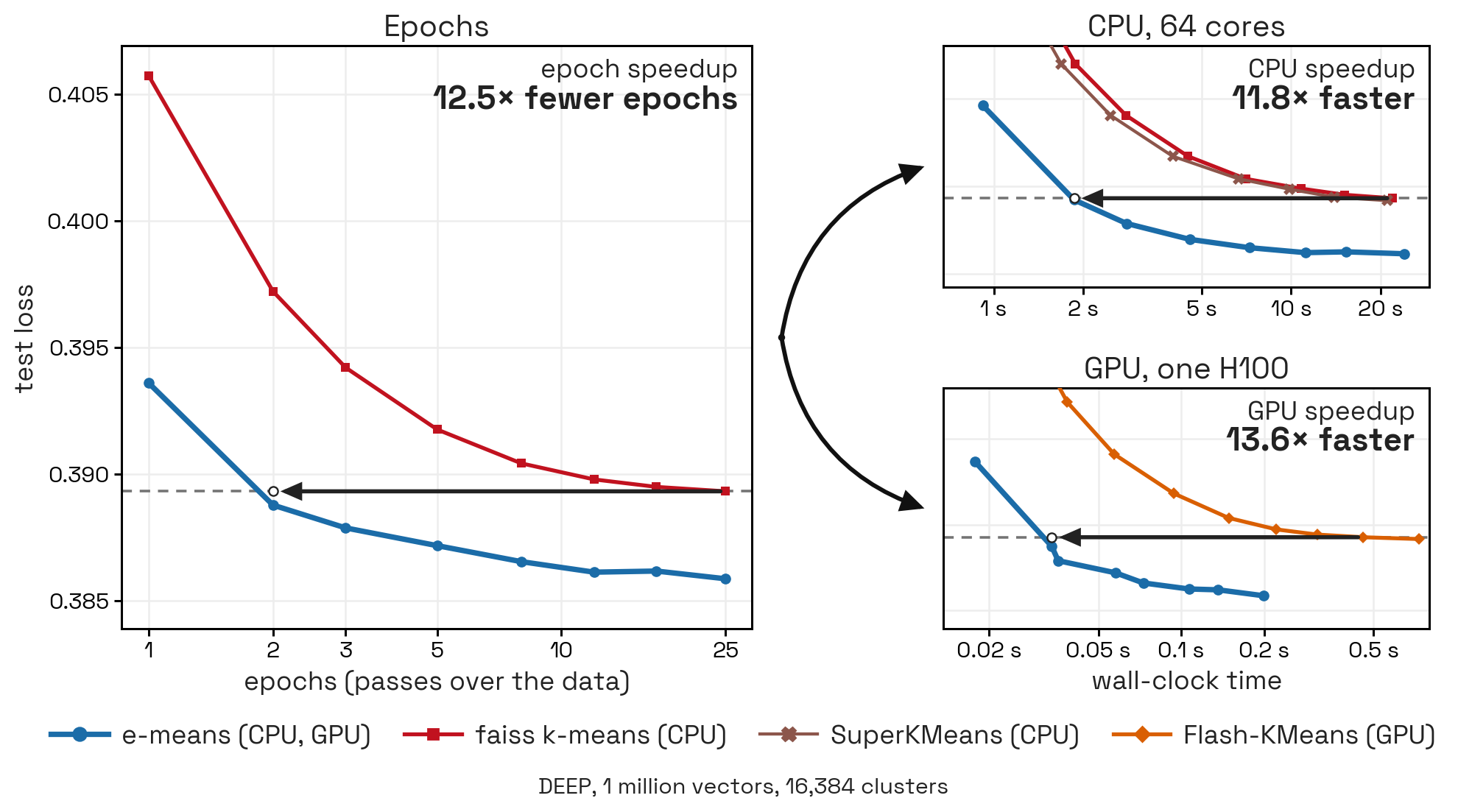
Researchers introduced E-means, a new k-means clustering method that achieves equal loss while running 10x faster. The approach applies modern optimization techniques and scaling laws to improve clustering efficiency.
Comments
Infineon Technologies has marked an innovation milestone by producing the world’s first 300mm power silicon carbide wafer. The advance is expected to support more scalable and cost-effective manufacturing of SiC power semiconductors.
CommentsThe STE80 Humanizer is a new Show HN agent skill designed to remove AI tells from text by rewriting it 80% of the way toward ASD-STE100 Simplified Technical English. It follows a method shared by Andrej Karpathy for making generated writing sound less AI-like.
Comments
On Being an Engineer in 2026
2026-11-09The piece explores what it will mean to be an engineer in 2026, focusing on how AI-assisted tools, automation, and rapidly changing technical stacks are reshaping day-to-day work. It argues that future engineers will need stronger systems thinking, cross-disciplinary collaboration, and continuous learning as routine tasks are increasingly automated.
CommentsA security researcher has documented how a Microsoft-signed shim can be borrowed to abuse Secure Boot protections on corporate hardware, potentially enabling boot-level attacks. The write-up details the technique and its implications for organizations relying on Secure Boot to lock down devices.
Comments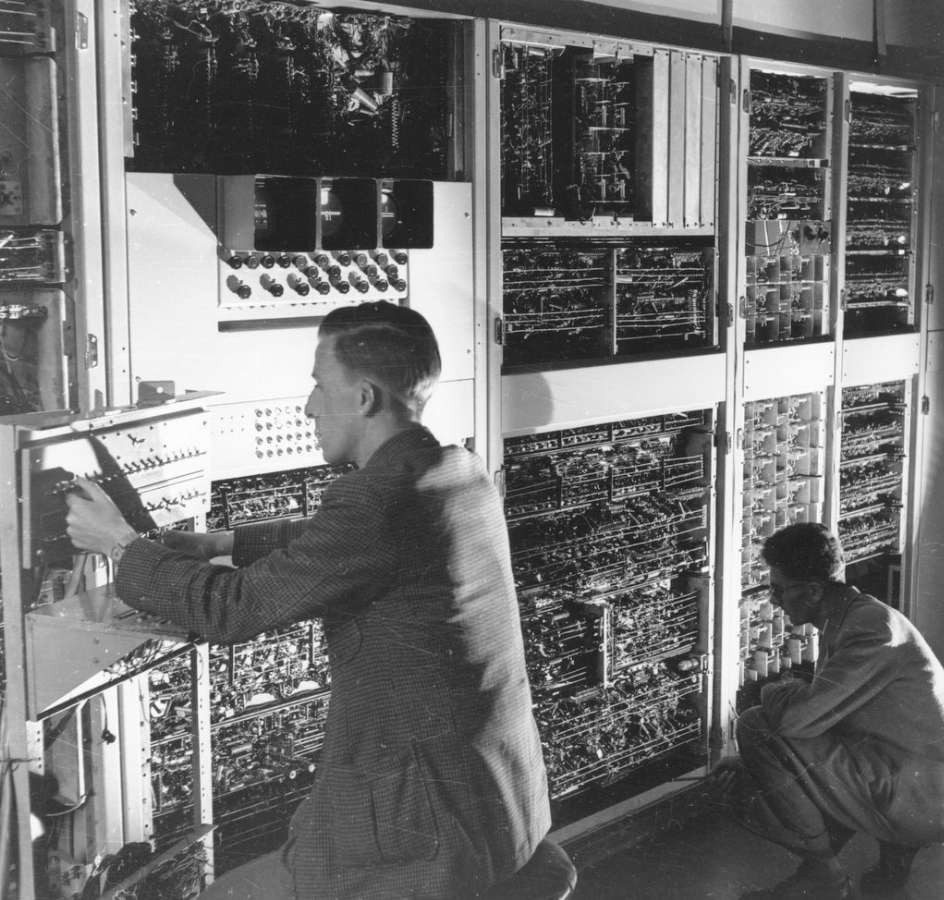
The article recounts how Australia achieved the once-unthinkable feat of playing music on a computer, long before digital audio became routine. It highlights the technical difficulty and imaginative leap behind the milestone, which helped pave the way for today’s on-demand computer music.
Comments
Magnets and Rare Earths
2026-11-09This explainer breaks down why every joint motor relies on magnets, what those magnets are made of, and who controls nearly all rare-earth production. It walks readers through seven short steps, each paired with a quick quiz, to cover the technology and supply-chain stakes.
Comments2026-11-08

Goldman Sachs is withdrawing Claude Code from its bankers and traders and handing AI coding agents back to its engineers under new internal guidance. The reversal comes after its tech chief praised trader-built AI tools in July and just weeks before Goldman takes Anthropic public.
Comments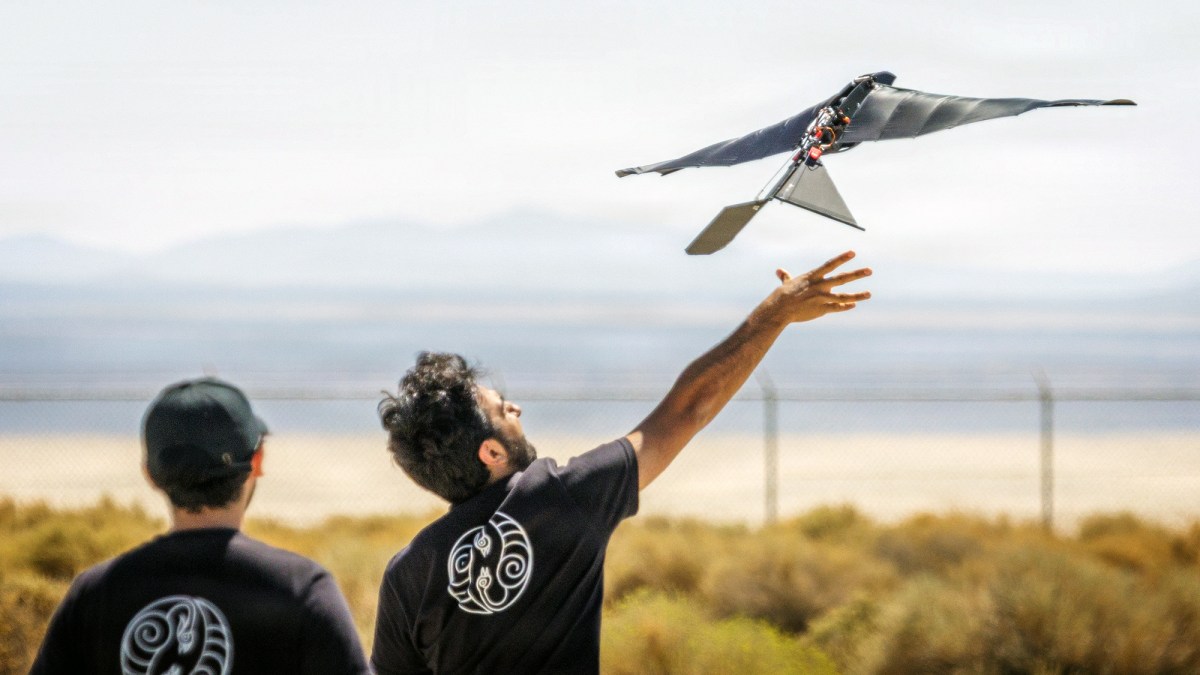
U.S.-based Ornadyne’s bird-mimicking drones evaded detection during an Air Force technology exercise. The drones are designed to resemble birds found in any region of the world.
Comments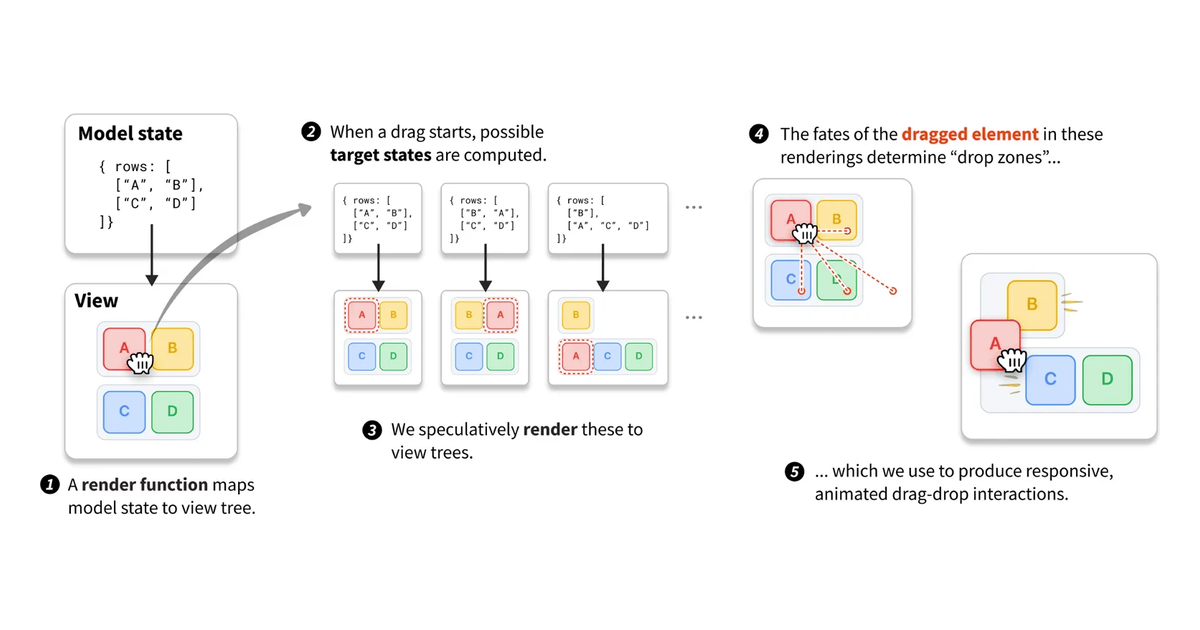
Declarative Dragging
2026-11-08A UIST 2026 Best Paper introduces declarative dragging, a technique that lets interface authors make an element draggable by specifying which future model states should be reachable through dragging. The approach shifts drag behavior from imperative event handling toward declaring accessible states.
CommentsDrugmaker CEOs are skeptical of Silicon Valley’s promise that AI will cure disease, with reader discussion questioning how many concrete life-saving breakthroughs AI has delivered so far—AlphaFold is often cited, but commenters say the evidence remains limited. Readers argue AI can still help by improving diagnosis, analyzing research and patient data, and matching treatments without needing to cure disease outright. They also warn that AI could accelerate pharma work but may amplify centralized reasoning, political bias, and research monoculture.
CommentsAd data collected by popular apps is giving police a powerful surveillance tool, with commenters arguing Google is failing to enforce its own Play Store policies against selling sensitive user data through third-party SDKs. They advise users to restrict location permissions, be wary of apps like weather services that request background location, and prefer browsers with ad blockers, though app-first services make that difficult for ordinary users.
Comments
The Reconstruction of Torn Documents
2026-11-08A new approach to reconstructing torn documents uses computational analysis of fragments to automate matching and reassembly. The technique could speed restoration of damaged archives and help recover information from shredded or torn records.
CommentsA new open field guide catalogs 39 types of CAPTCHA, detailing identification signals and methods for breaking them. It covers free and open-source bypass techniques along with paid alternatives, and includes a searchable web version.
Comments
The article argues Tesla has not had a successful new product launch since former CTO JB Straubel stepped down, citing the impending end of Cybertruck production as the latest example. It frames the Cybertruck’s demise as part of a broader pattern of stalled product launches at Tesla.
CommentsThe Show HN post “Vegetable Gardening for Engineers” sparked discussion of gardening as a chaotic, complex hobby that can be a refreshing escape from technical work but is often expensive and low-ROI compared with store-bought produce. Commenters highlighted yearly battles with snails, aphids, mold, and birds, while some noted plants are hardier and more self-sufficient than novices assume. Hydroponics was called a different beast, and homegrown organic produce still offers taste and experiential benefits.
Comments
The Commodore PET, often regarded as the world’s first personal computer, is highlighted for its groundbreaking role in shaping modern technology. The piece explores its history and features, showing how it helped pave the way for personal computing.
CommentsThis piece explores Kirlian photography and how enthusiasts can build their own equipment to capture the technique’s distinctive images. It likely covers the necessary components and practical steps for setting up a DIY system.
CommentsMAPLE (Manifold-Activated Pruning of Latent Experts) is a new pruning technique for sub-2-BPW MoE LLMs. Its demo claims it can run Gemma 4 26B at 45 tokens per second on a 6GB GPU.
Comments
Person of Interest
2026-11-08A writer has become hooked on Person of Interest, noting that the show feels even more relevant today than when it first aired. The piece explores how its surveillance and artificial intelligence storylines resonate with current tech and privacy concerns.
Comments2026-11-07

Sodium-ion batteries are approaching cell-level cost parity with LFP technology, with global supply agreements exceeding 70 GWh. Despite higher upfront costs, Wood Mackenzie estimates they could offer a 21% lower total cost of ownership over 20 years.
CommentsA 2008 list of five memorable programming books prompted readers to add recommendations including Higher-Order Perl, The Computational Beauty of Nature, The Nature of Computation, Algorithms, On Lisp, and Expert C Programming. Commenters also highlighted Starting Forth, Let Over Lambda, and Software Design for Flexibility, with discussion focusing on practical functional techniques, language-focused classics, and underappreciated books.
Comments
New calculations based on uranium cubes from Nazi Germany’s nuclear program suggest the project failed partly because Werner Heisenberg significantly underestimated how much material would be needed. The findings offer fresh insight into why the German effort never reached a working reactor.
CommentsSpindle is a new full-featured, type-safe web framework for OCaml 5, announced via Show HN. The open-source project is hosted on GitHub under hyphatech/spindle and invites contributions.
CommentsA reader discussion around “The Gordon Gekko Effect” traces the famous “greed is good” line to Ivan Boesky’s 1986 commencement speech and his later insider-trading conviction, while questioning why audiences still glorify Gekko despite his role as a cautionary antagonist. Commenters argue that charisma, light consequences, and self-promotional hedge-fund culture—similar to big tech—can make unethical or hollow leadership seem attractive, even when it lacks moral or rational grounding.
Comments
GeoWorks was a 1990s upstart that challenged Microsoft Windows with its efficient GEOS graphical interface, especially on low-end PCs. Despite promising technology and early adoption, it ultimately failed to dislodge Windows and faded from the mainstream market.
Comments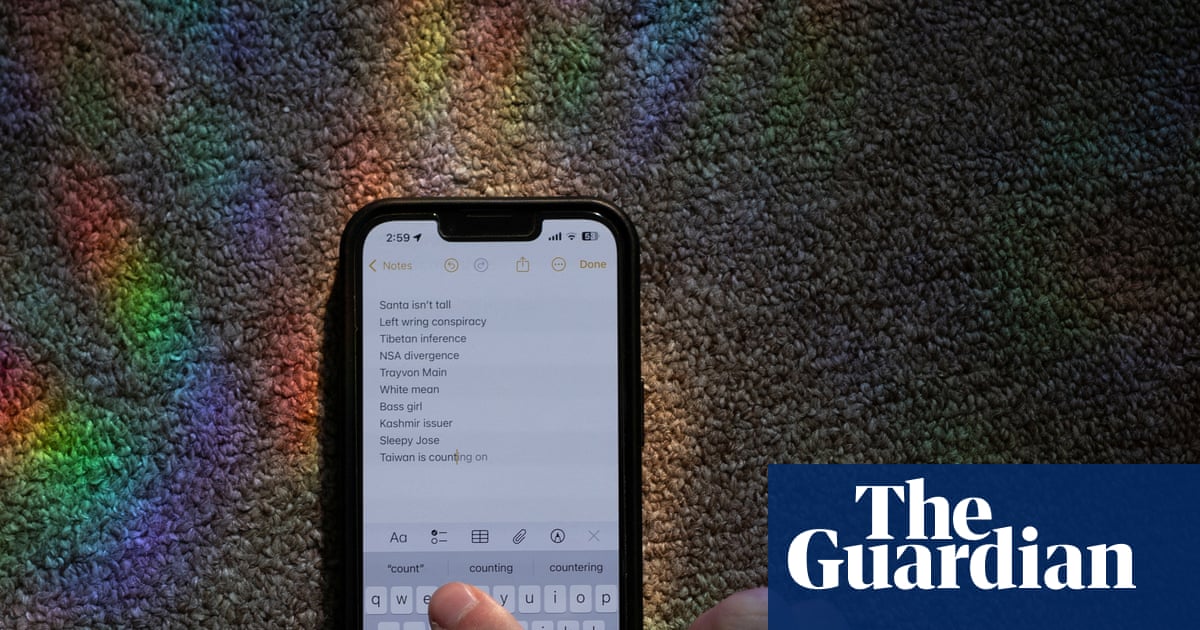
Research shows Apple’s keyboard restricts more than 100,000 words and phrases from being completed by its predictive text, including swipe-based suggestions. The blacklist limits certain terms from appearing as predicted completions, raising questions about moderation and transparency. Apple has not publicly detailed the criteria behind the list.
Comments
8088 Domination Post-Mortem
2026-11-07A new post-mortem details how the creator built 8088 Domination, a program that displays fairly decent full-motion video on a 1981 IBM PC. The write-up is the first in a series explaining the technical work behind the production.
Comments