Tech Law News
Technology companies spend a growing share of their time in courtrooms. This section follows the legal side of the industry, gathering news on lawsuits, court rulings, copyright and patent disputes, and the legal questions raised by new technologies such as artificial intelligence.
Typical stories include judges ruling on platform liability, copyright cases over training data and generated content, patent fights between device makers, class actions over privacy and data breaches, and companies suing or being sued by governments and competitors.
Court decisions set the rules that products must follow, often long before lawmakers act. Founders, developers, lawyers, and policy watchers follow this coverage to understand which practices carry legal risk and how precedents are reshaping the industry.
2026-10-19
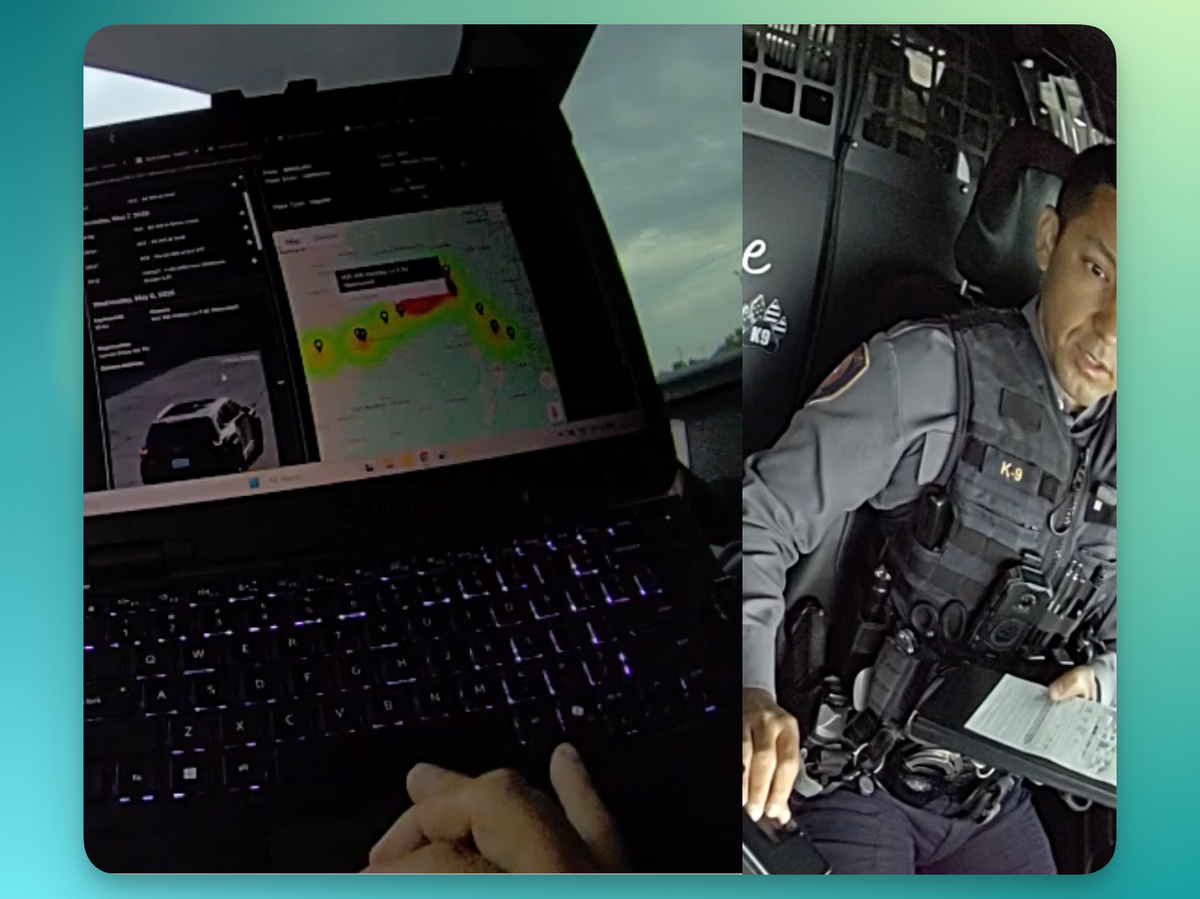
A judge has ruled that a police search using the Flock automated license plate reader network was unconstitutional. Released footage reveals an officer casually querying a driver's information through the surveillance system without probable cause, simply after spotting their vehicle. This decision underscores growing legal scrutiny regarding the privacy implications and warrantless use of expansive law enforcement surveillance technologies.
Comments2026-10-14
Character.ai has initiated a voluntary Chapter 11 bankruptcy to facilitate a court-supervised sale of the company. The filing follows a year of significant legal, regulatory, and operational challenges for the business.
Comments
2026-10-08

Visa, Mastercard, and several of America's largest banks are facing a new class action lawsuit over allegedly anticompetitive practices. The legal action claims these financial institutions conspired to artificially inflate the credit card transaction fees charged to merchants.
Comments2026-10-06
Qualcomm is licensing Huawei's LogicFolding chip technology, marking a significant shift as the Chinese company transitions from a technology buyer to a provider for Western firms. The innovative multi-layer wafer design reduces signal resistance and heat, effectively leveraging a 7nm manufacturing process to achieve 1.4nm scale performance. This agreement highlights Huawei's growing influence and rapid advancement in domestic semiconductor innovation.
Comments2026-10-04

A recent court verdict involving the Rodin Museum has sparked controversy over the intellectual property rights of 3D scanned public domain artifacts. The ruling highlights a confusing intersection of digital replication and copyright law, demonstrating how strict legal interpretations can sometimes undermine the intended spirit of the law.
Comments
A federal judge ruled that a sheriff's deputy violated a woman's Fourth Amendment rights by using Flock's license plate tracking technology to locate her vehicle without a warrant. Condemning the automated system as indiscriminate mass surveillance, the decision marks a significant legal pushback against law enforcement's use of such tracking tools.
Comments2026-10-03

A federal judge has issued a preliminary injunction blocking Utah’s SB 73, an age verification law that attempted to restrict the use of virtual private networks. The decision follows arguments from the Electronic Frontier Foundation that the legislation demands a technical impossibility by forcing platforms to detect and block privacy-preserving tools, marking a significant victory for digital rights advocates.
Comments2026-09-29

Pirating the Pirates
2026-09-29In an ironic twist on copyright enforcement, underground film preservationists are utilizing pirated movie copies to save rare and out-of-print cinematic history. This grassroots movement leverages illicit file-sharing networks and digital archiving tools to preserve films that official studios have neglected or lost entirely.
Comments2026-09-27

The legal case Kansas versus Snap explores the unusual scenario of a private internet service being classified as a government actor. If the court determines Snap is a state actor, the company would be required to comply with Constitutional restrictions and extend free speech protections to its users.
Comments2026-09-26

An innocent woman was wrongfully jailed for 13 days after police relied on flawed Flock camera data to identify her as a suspect. Officers ignored obvious discrepancies, such as her vehicle being the wrong color and undamaged, choosing to trust the automated surveillance system instead. This incident highlights the significant risks of law enforcement's growing dependence on automated license plate reader networks.
Comments
A federal appeals court has upheld the Department of Defense's decision to blacklist Anthropic as a supply chain risk in a 2-1 ruling. This affirmation of the Pentagon's designation could significantly impact the technology company's ability to secure future government contracts.
Comments2026-09-22
Spymarks, Not Watermarks
2026-09-22Digital watermarks are increasingly evolving into invasive surveillance tools that covertly track and monitor user behavior across various platforms. Dubbed spymarks, these mechanisms go far beyond traditional copyright protection and raise significant privacy concerns for everyday consumers.
Comments2026-09-21

Spain has ordered the blocking of the web archiving site Archive.today and its mirrors without a court ruling. The swift censorship was implemented through a specialized commission protocol triggered by a formal complaint.
Comments2026-09-16
A recent piece examines the legacy of the band Negativland and their pioneering use of audio sampling to challenge copyright norms through culture jamming. Readers praise the group's innovative musical techniques and influential radio show, comparing their copyright-defying approach to similar sample-heavy artists like Evolution Control Committee.
Comments2026-09-15

Archaeologists have uncovered a 4,400-year-old tomb at the Saqqara necropolis belonging to ancient Egyptian judge Younmin and his father, Ity. The remarkably preserved site features vibrant colored reliefs on its walls alongside a traditional false door.
CommentsThe Ninth Circuit legal dispute between Amazon and Perplexity highlights growing industry concerns over how AI agents could disrupt traditional e-commerce. Commentators argue that AI-driven headless shopping threatens Amazon's lucrative advertising revenue by commoditizing the retail experience and allowing algorithms to route purchases to competing platforms. While Amazon's logistics network remains a strong competitive moat, observers warn that controlling the consumer interface is ultimately what secures long-term market dominance.
Comments2026-09-07
A Hacker News user is asking if they can publicly release reverse-engineered code used to hack a Fable smart piano. Commenters warn that publishing the software could violate the company's Terms of Service and invite DMCA takedowns or lawsuits. To mitigate these legal risks, the community suggests sharing technical details in a blog post rather than releasing the actual code.
Comments2026-09-04
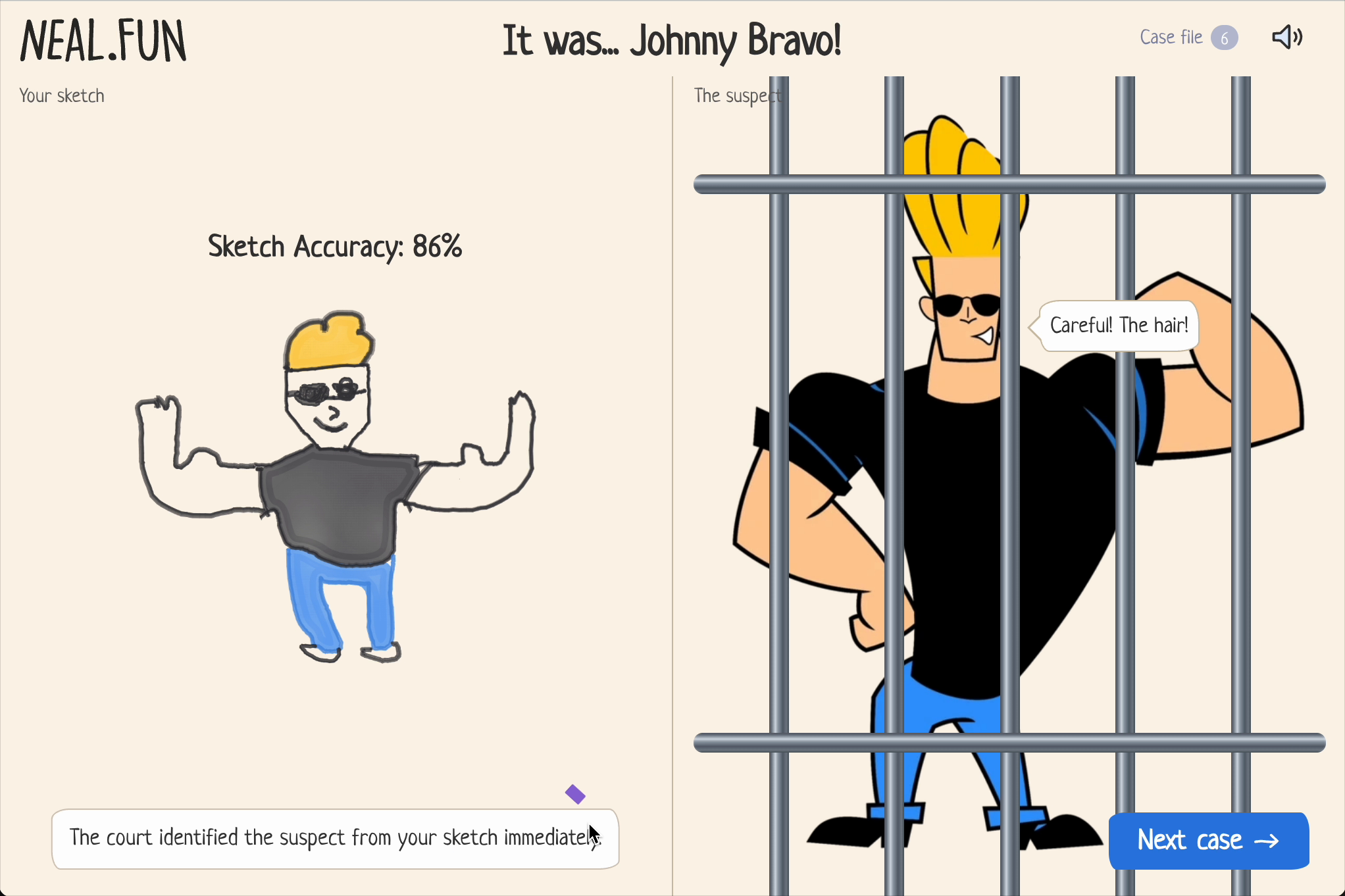
Unusual Suspects
2026-09-04The newly announced game Unusual Suspects tasks players with acting as courtroom sketch artists to help identify criminals. Players must draw suspects based on vague and unreliable witness descriptions provided during the trial. The goal is to interpret these fragmented testimonies accurately enough for the in-game court to successfully identify the culprit.
Comments2026-08-30

Landlords using algorithmic rent-pricing software are facing a new wave of litigation under recently enacted state and local laws. These emerging municipal regulations offer a simpler legal pathway to establish liability and impose significant penalties compared to ongoing antitrust lawsuits targeting automated revenue management products.
Comments
The Department of Homeland Security is using an obscure law to surveil journalists, non-profits, and unions by directly demanding user data from social media and telecommunications companies. This approach allows the Trump administration to bypass the courts after judges previously rejected the same legal maneuver.
Comments2026-08-29
A federal appeals court has ruled in favor of state regulators in their legal battle against Kalshi, affirming that the company must comply with state-level gambling restrictions. The decision reinforces that Congress did not override existing state gambling regulations when amending the Commodity Exchange Act. The complex legal dispute over interstate betting is widely expected to be appealed to the Supreme Court.
CommentsA judge has ruled that the Trump administration's blacklisting of Anthropic was illegal because it was an unconstitutional retaliation against protected speech. The court rejected the government's weak national security justification, noting there was no reasonable belief that the action was anything but a political penalty. This decision highlights a broader pattern of the administration misusing national security claims to bypass legal scrutiny and enforce its agenda.
Comments
The app Luanti was removed from the Google Play Store following a baseless DMCA copyright notice from Tracer.AI. Developers have filed a counter-notice to restore the listing, noting this is part of an ongoing pattern of similar automated claims.
Comments2026-08-28
A judge has ruled that the Trump administration's blacklisting of Anthropic was illegal, prompting reader debate over the speed of the legal system and the true impact of the government's actions. While some argue the controversy provided free publicity without causing irreparable harm to the company, others warn that such political blacklisting results in lost government contracts and long-lasting industry damage. Furthermore, commentators suggest that these domestic political maneuvers may inadvertently accelerate global AI competition by boosting foreign adoption.
Comments2026-08-21
Under current European Union law, content generated entirely by artificial intelligence is not eligible for copyright protection because the legal framework requires a strictly human creative contribution. As a result, businesses cannot exclusively protect purely AI-generated assets like logos or text. However, individuals who attach their names to such AI-generated content may still assume legal liability for it.
Comments2026-08-19

Meta is facing a major lawsuit from 29 US states over allegations that it intentionally designed Facebook and Instagram features to addict children. Drawing parallels to historic big tobacco litigation, the blockbuster trial focuses on claims that the company deliberately misled the public about the psychological dangers of its platforms.
Comments
A 25-year-old video patent has officially expired, resolving a long-standing legal headache for the Linux operating system. This milestone marks the end of a rather small and niche era in software licensing. Developers can now utilize the technology without the looming threat of patent infringement.
Comments2026-08-18
A judge has established a framework for Nine PBS to retrieve its archival data, prompting readers to compare the dispute to the recent Synapse bankruptcy where a middleman's failure left end-users without regulatory protection. The discussion underscores the critical need for clearer regulations to prevent tech and fintech companies from bypassing established legal frameworks under the guise of business innovation.
Comments2026-08-16

Guiding Ships with Moire Patterns
2026-08-16Inspired by a Tom Scott video, a maker has built a DIY Inogon navigational light that uses Moire patterns to guide ships through harbors. The project explores the original patent and a declassified military report that ultimately found the unconventional beacon ineffective.
Comments2026-08-15
The Ploopy A+ Trackball Is Here
2026-08-15The Ploopy A+ trackball has been released as an open-source hardware project, with full assembly instructions and code now available on GitHub. Community discussions surrounding the launch are heavily focused on the potential of adding twist-detection capabilities for 3D modeling and CAD applications. Commenters note that while rotational tracking would be highly useful, it has historically been limited by complex sensor requirements and patent restrictions.
Comments